Ecosystems • 13 August 2026

The View From Above

Photography by We Animals, text by Victoria de Martigny

From flooded manure lagoons to sprawling feedlots, aerial photography reveals what industrial agriculture looks like from above, and why that view matters.

From the ground, the footprint of industrial animal agriculture is hard to comprehend. A farm may appear as a distant cluster of barns, or a few cattle glimpsed briefly from the road.

From above, the perspective shifts. Aerial photography is one of the few lawful, non-disruptive ways to document the scale of these facilities, revealing the density and environmental footprint of industrial animal agriculture in ways not possible from the ground.

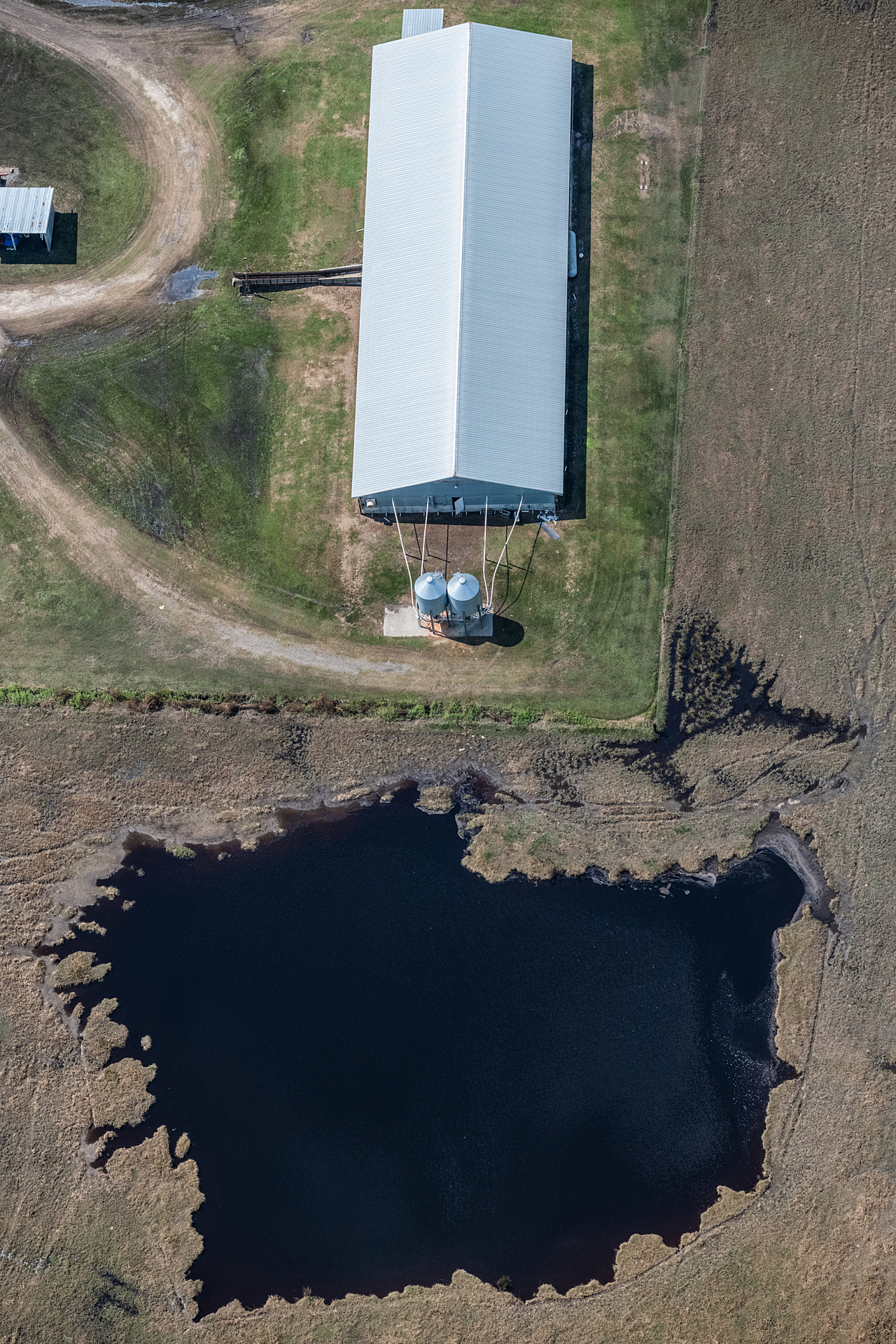
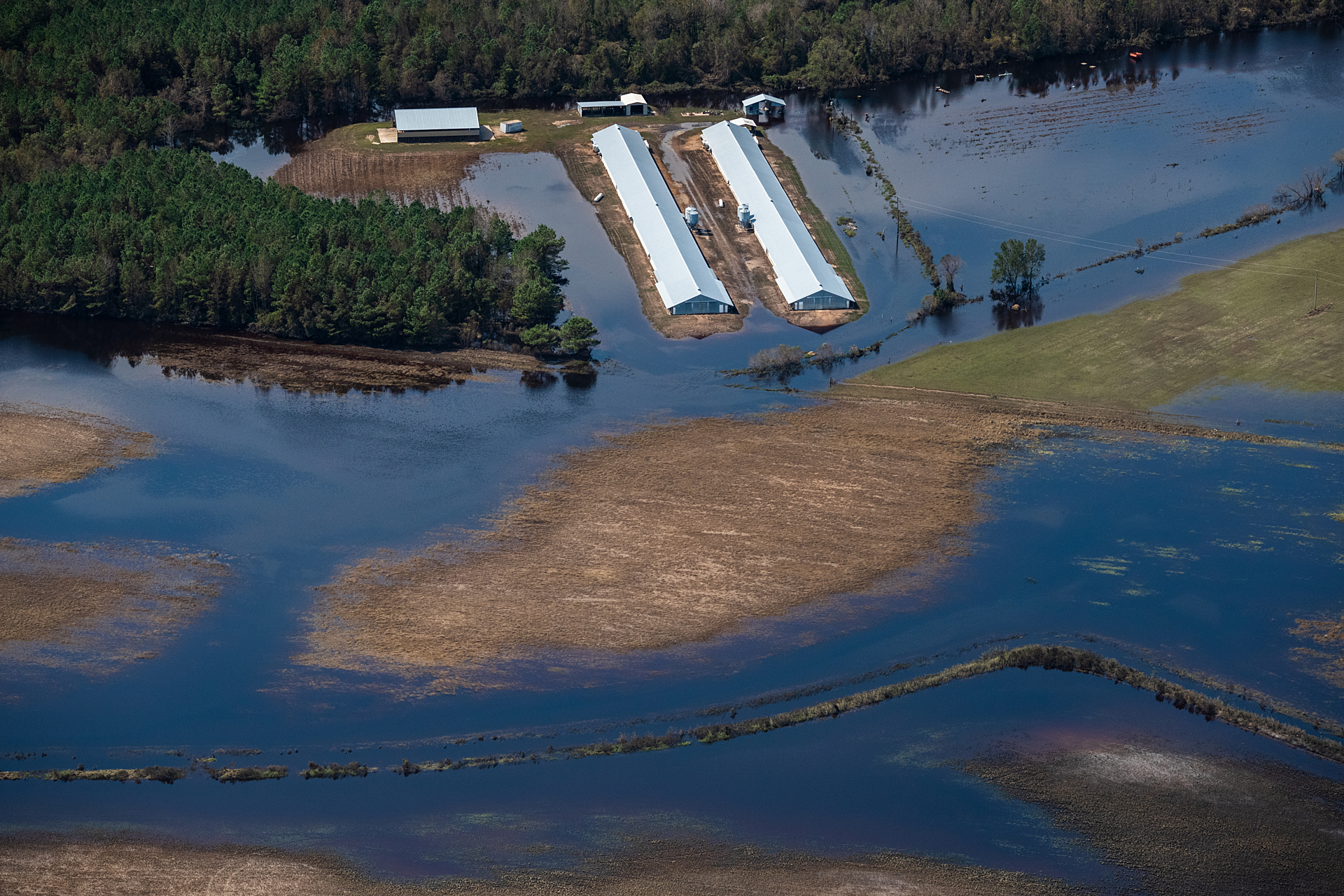
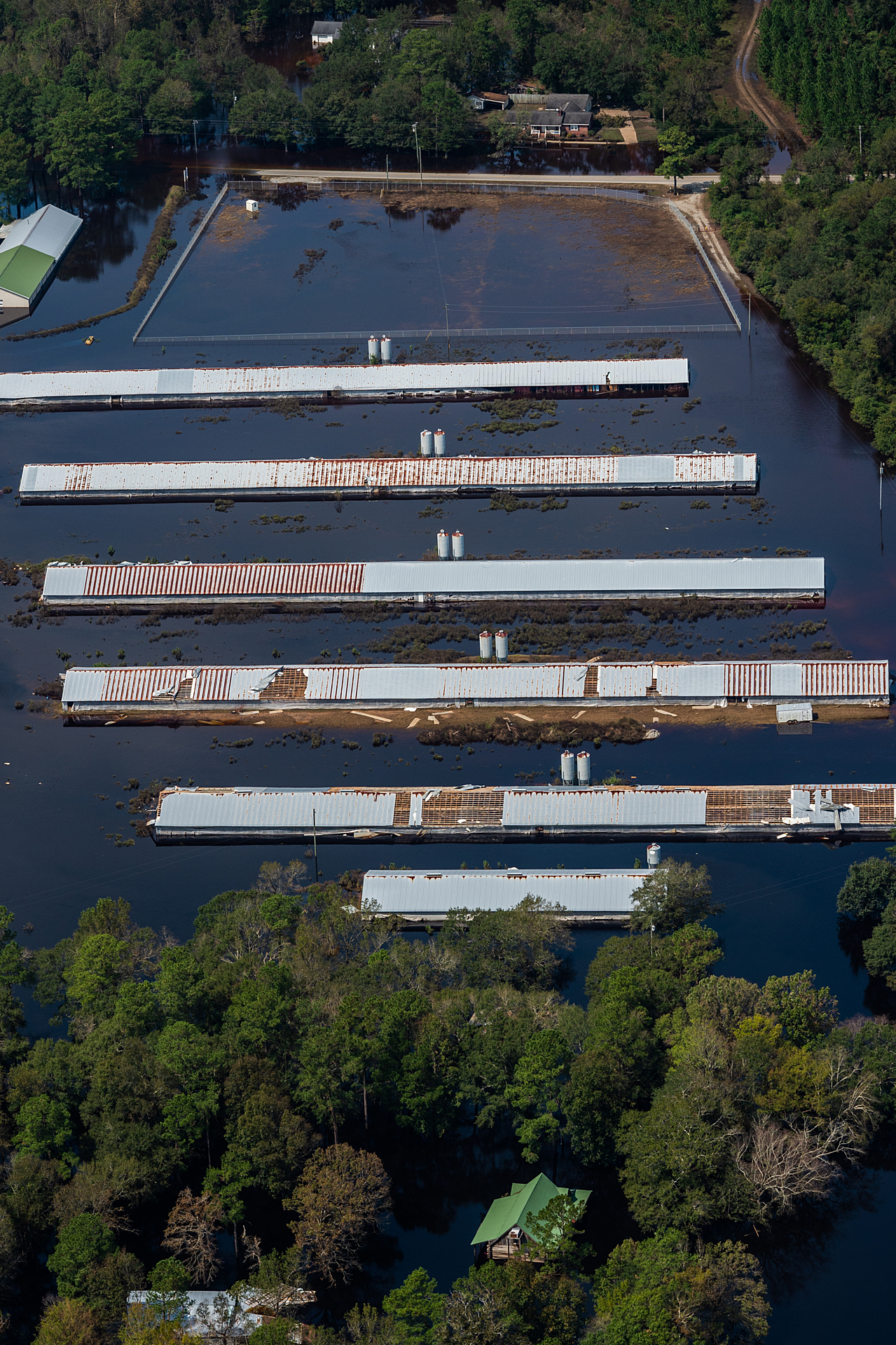
Across the United States, drones flying above farming operations have captured images that have brought needed transparency to an otherwise hidden system. Aerial photography has shown flooded manure lagoons in North Carolina in the aftermath of Hurricane Florence, when these compromised containment systems sent animal waste into the surrounding waterways, threatening aquatic life and public health.

Drones have captured barren feedlots holding thousands of cattle in California, exposed misleading claims of “free-roaming” chickens in Pennsylvania, and revealed the scale of mega-dairies that have contributed to water scarcity in Arizona. Together, these images tell a larger story about industrial agriculture and what is happening beyond public view.

Now, that view could become obscured. In June 2026, the US Federal Aviation Administration put forward a proposal that would make it easier for food and agricultural facilities across the country to secure drone restrictions, limiting where drone operators can legally fly and making it harder to document these facilities from above.

These aerial photographs reveal a landscape rarely seen, despite shaping the lives of billions of animals and the environments around them. If drone restrictions are expanded, photojournalists could lose one of the few tools to report on an industry whose impacts extend far beyond what can be seen from the ground.

Disclaimer: Content Licensing Notice

The images and text in this VIEWS are strictly All Rights Reserved by their respective creators. These independent visual assets fall outside of our general open license and cannot be downloaded, republished, or redistributed without direct written consent from the original artist.
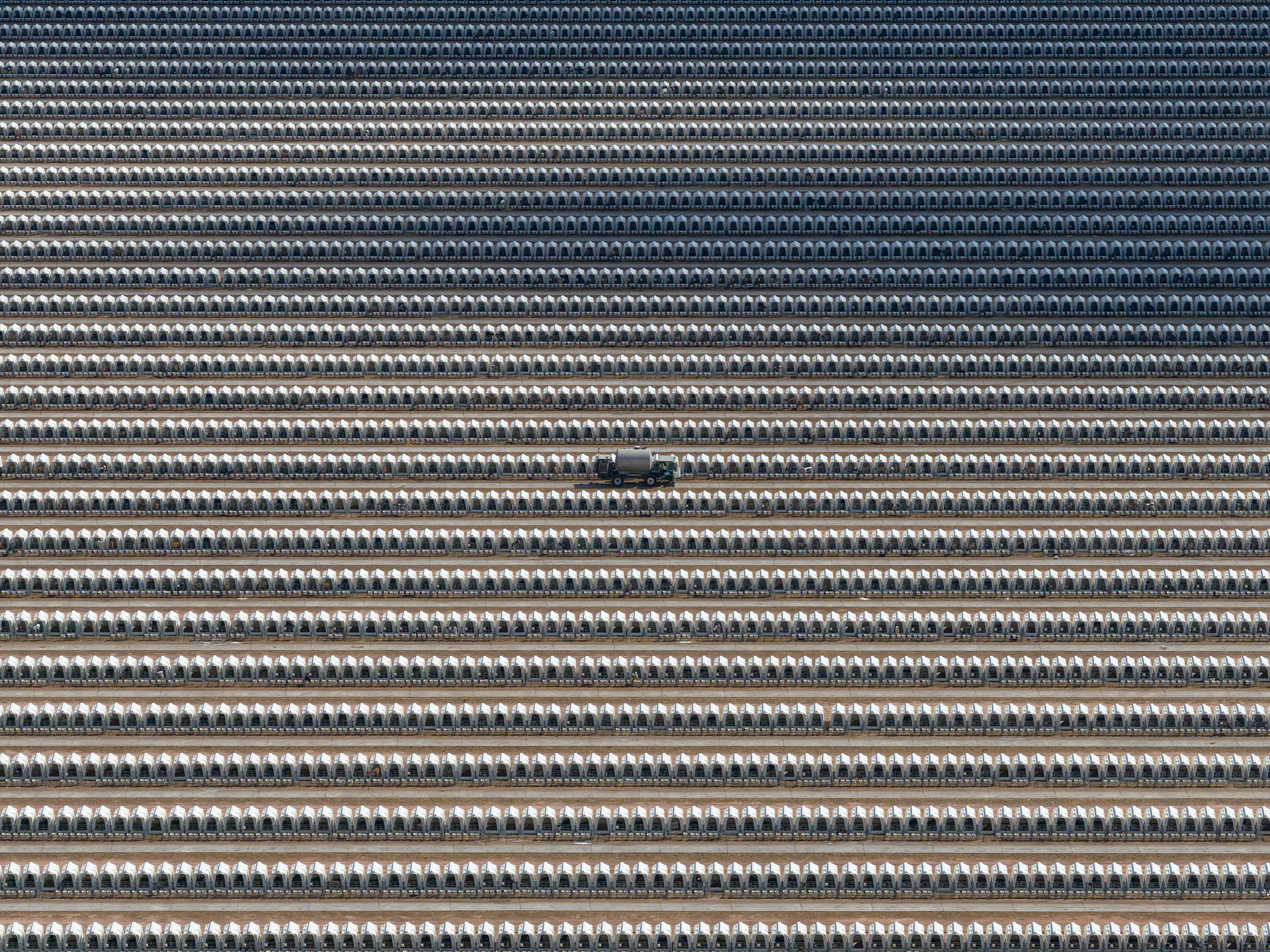
A milk dispenser truck drives between some of the thousands of calf hutches in a massive dairy farm’s yard in Arizona. Photo: Ram Daya / We Animals
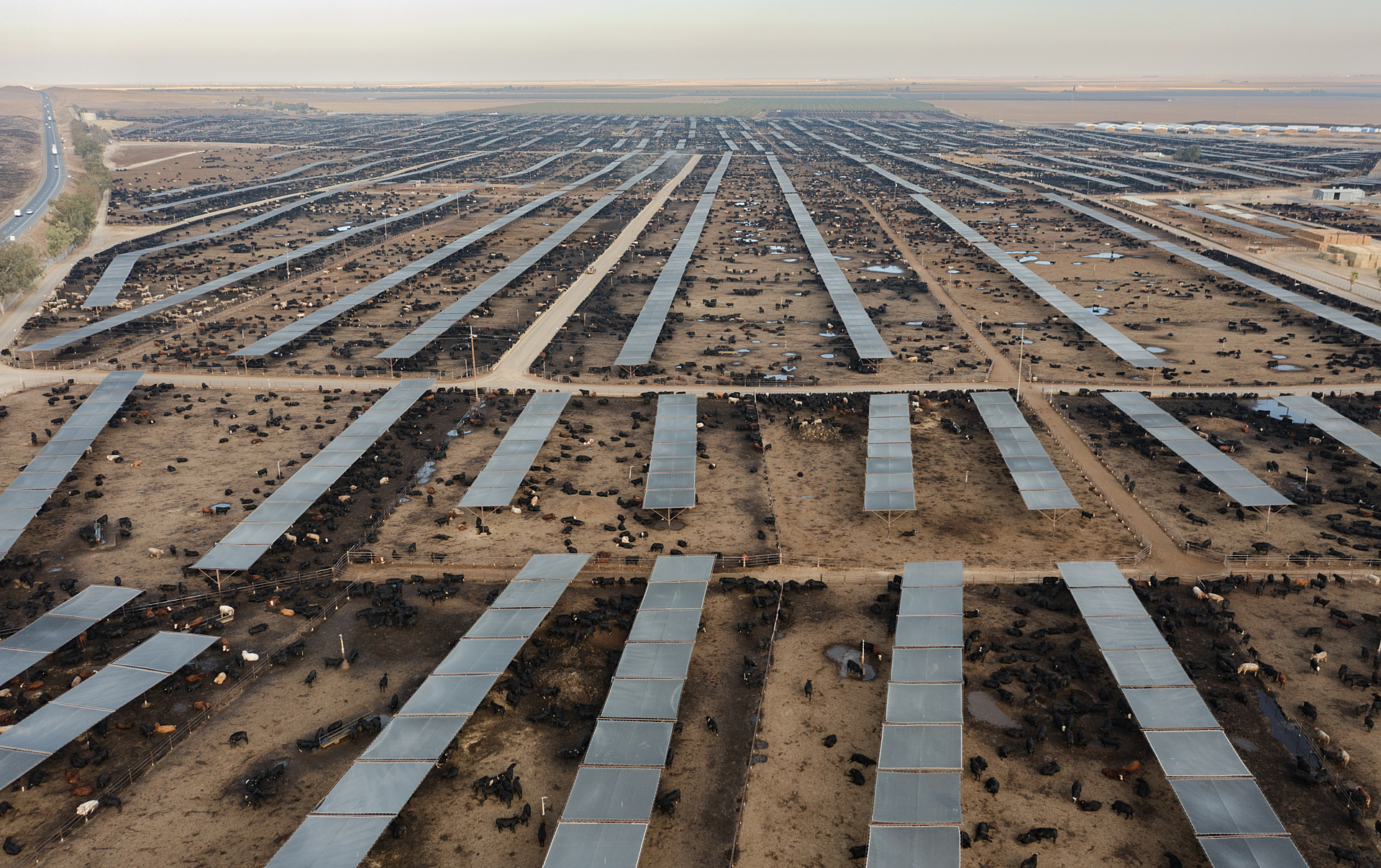
This cattle feedlot in California is one of the largest in the United States, where thousands of cattle spend their final months before slaughter. Photo: Austin Meyer / We Animals
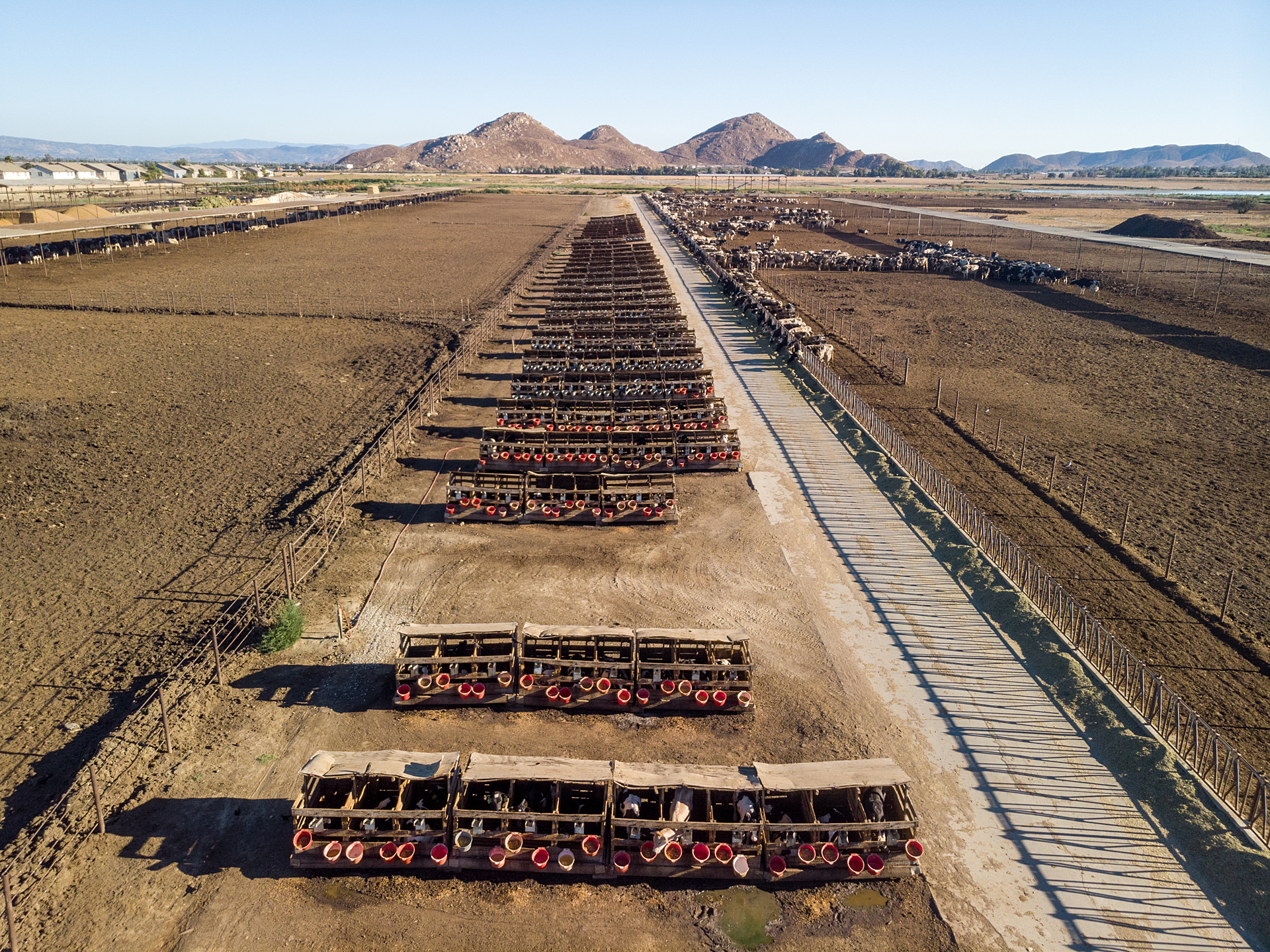
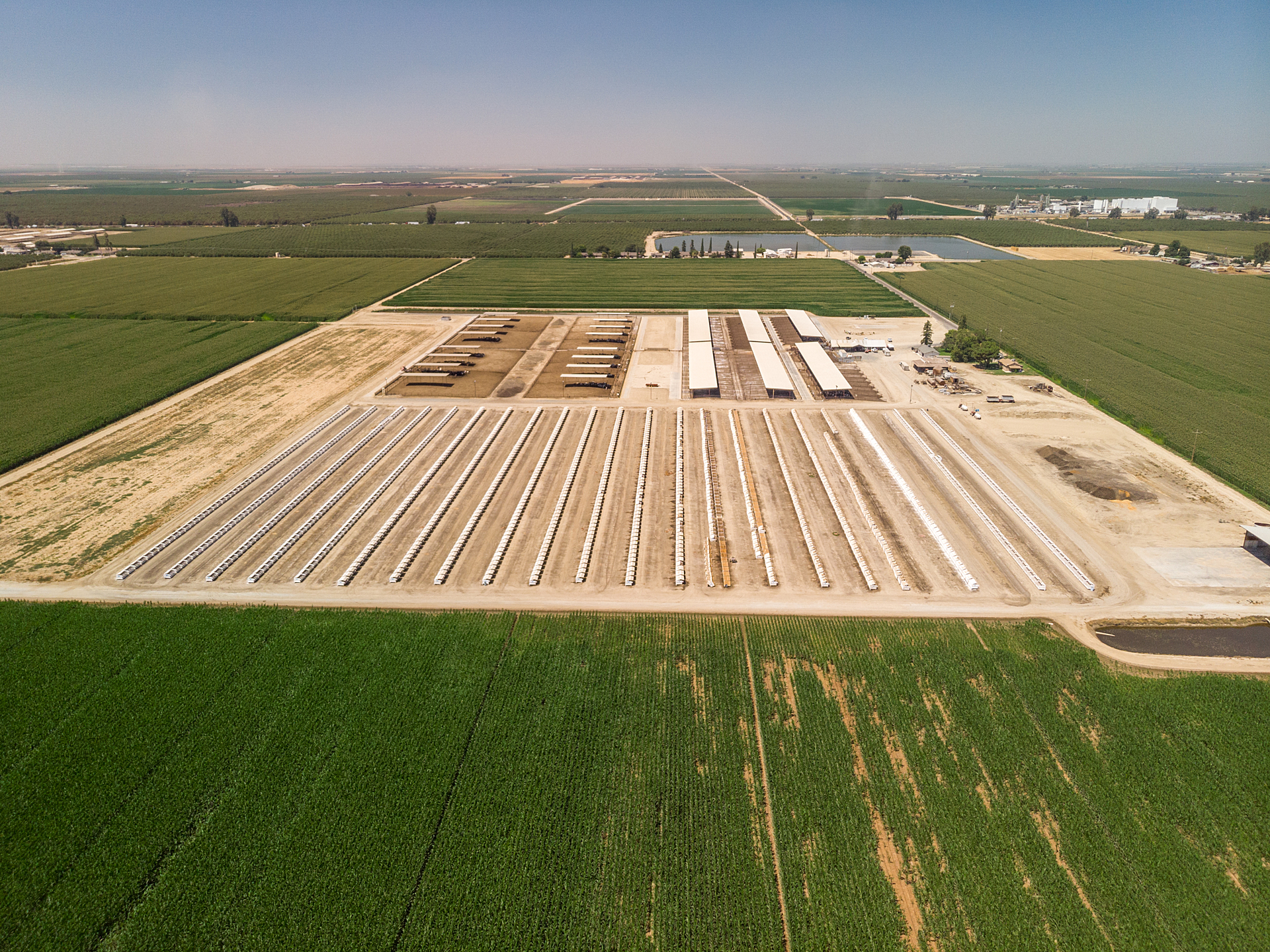
An aerial view of calf hutches and dairy cattle on a California farm. Temperatures exceeded 38°C that day, with hutches fully exposed to the sun. Photo: Ram Daya / Animal Outlook / We Animals
Aerial view of a large industrial farm in North Carolina surrounded by flood waters after Hurricane Florence. Photo: Jo-Anne McArthur / We Animals
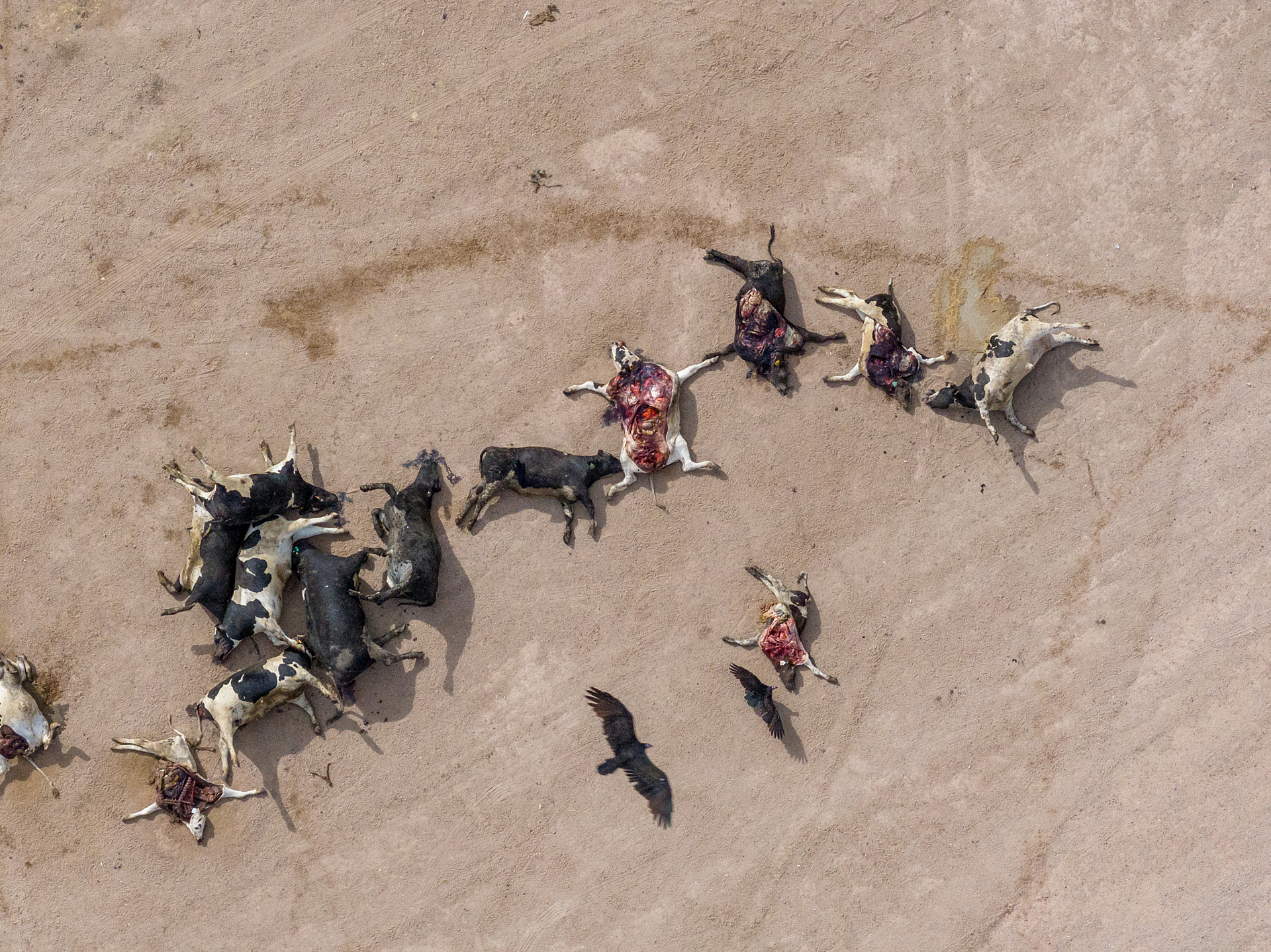
Vultures circle above and approach the bodies of decomposing dead cattle discarded in a feedlot yard in Arizona. Photo: Ram Daya / We Animals 
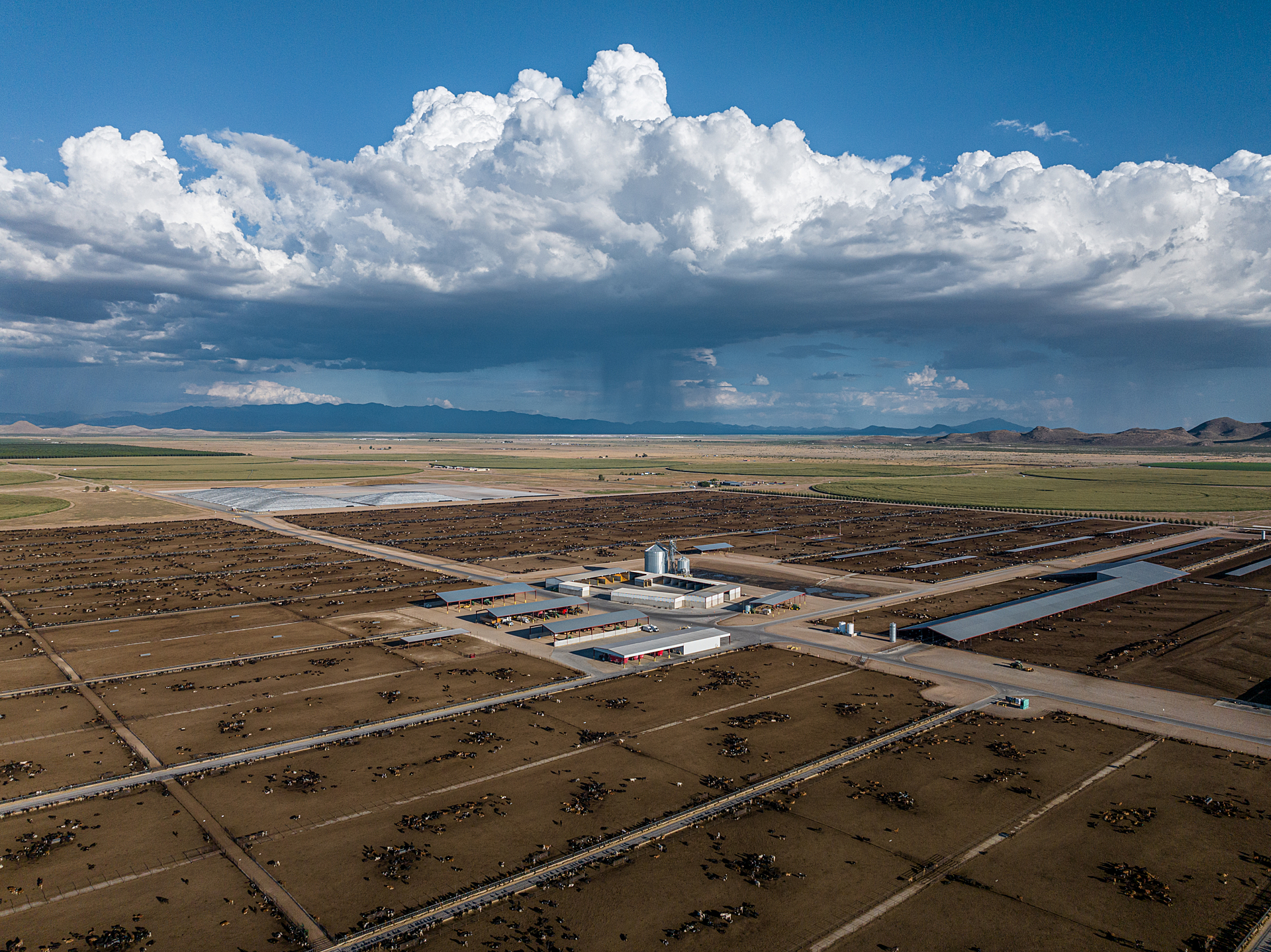
Thousands of cattle live in large, bare dirt corrals on a massive dairy farm stretching across a desert landscape in Arizona. Photo: Ram Daya / We Animals
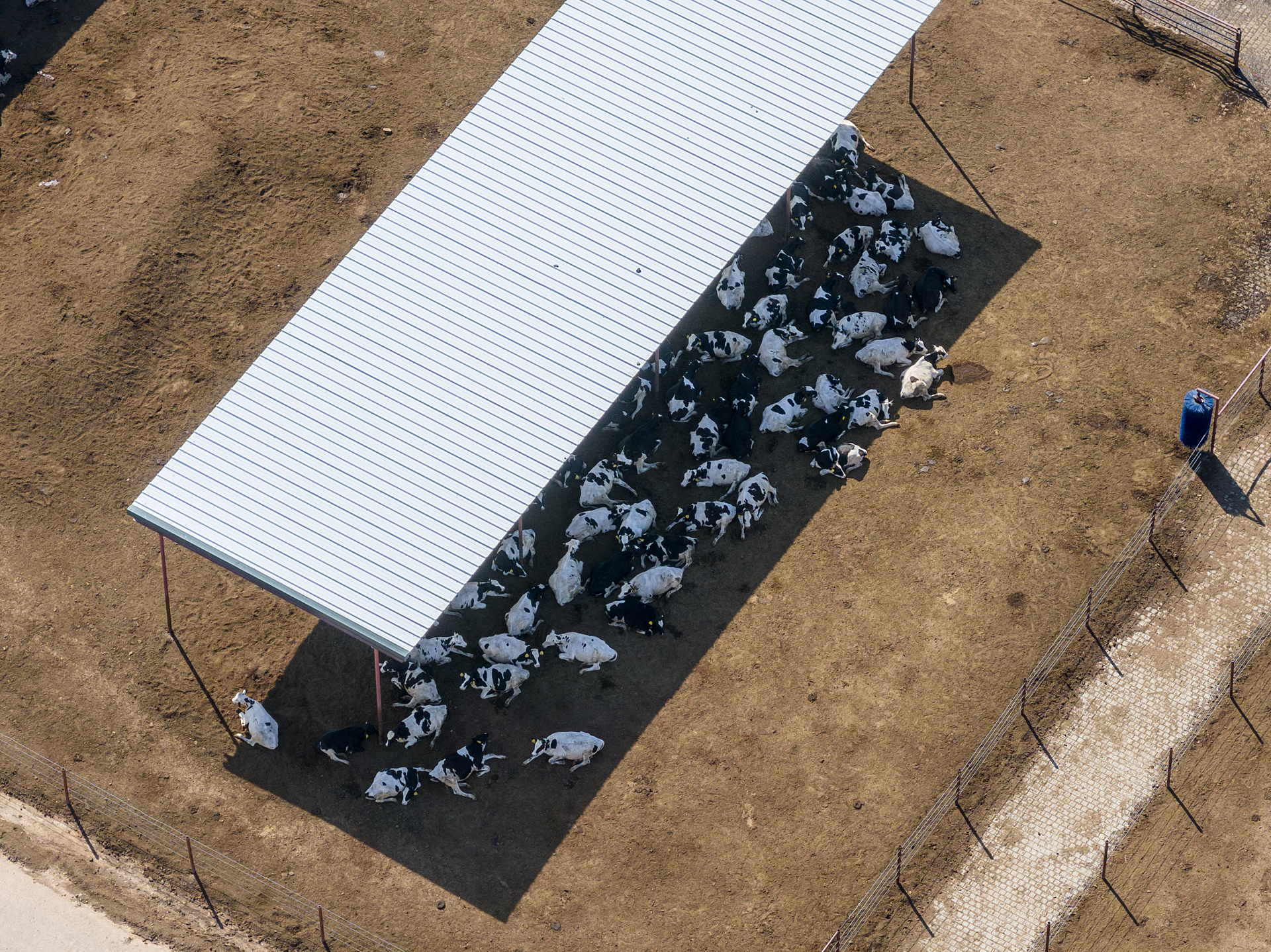
Cows on a large dairy farm in the Arizona desert lie under the shade of a sun shelter located inside their barren dirt enclosure. Photo: Ram Daya / We Animals
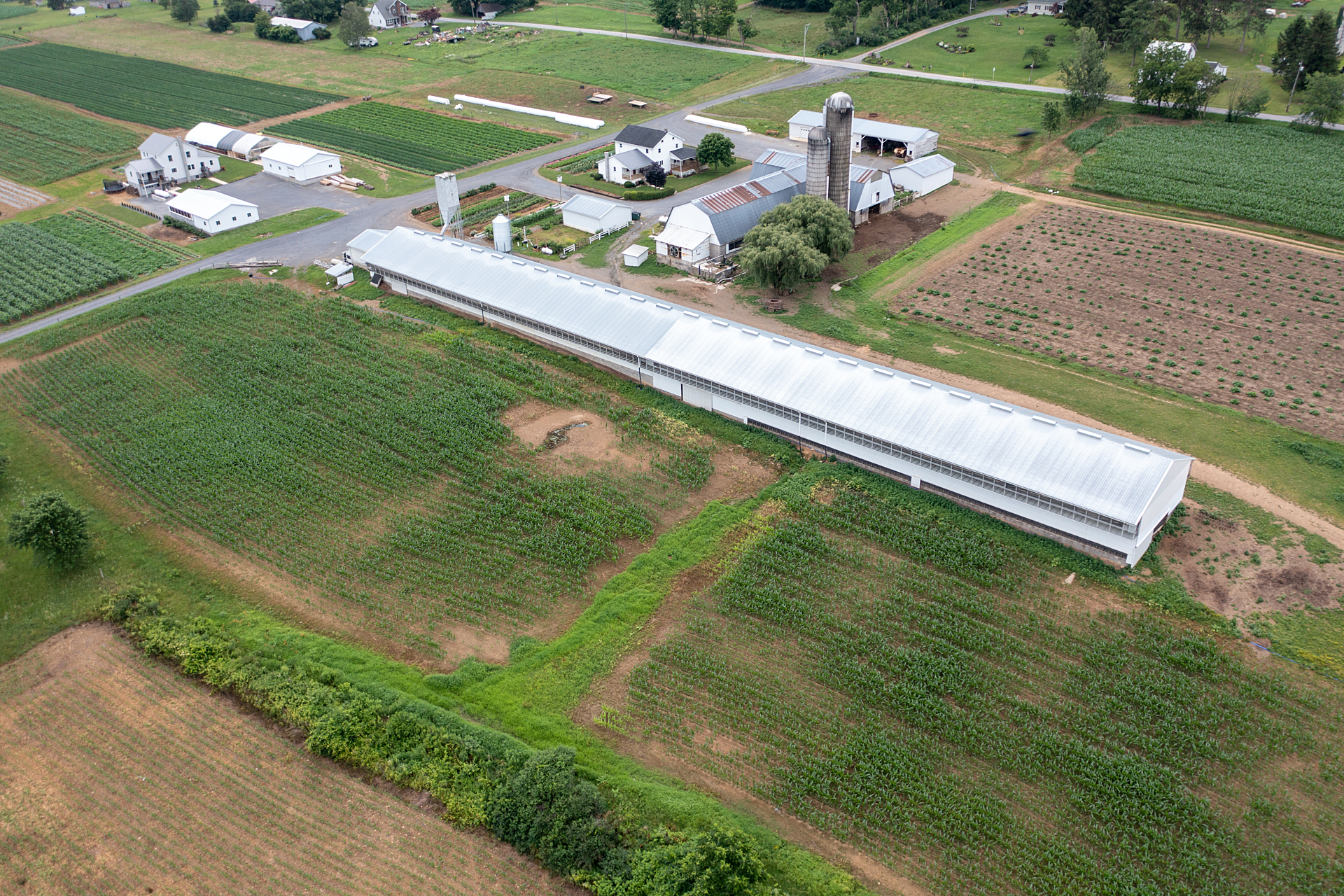
A multi-building industrial egg farm in Pennsylvania. Although its eggs are marketed as “free roaming,” no outdoor access is apparent, and no hens are visible. Photo: Gregory Kemp / Animal Outlook / We Animals
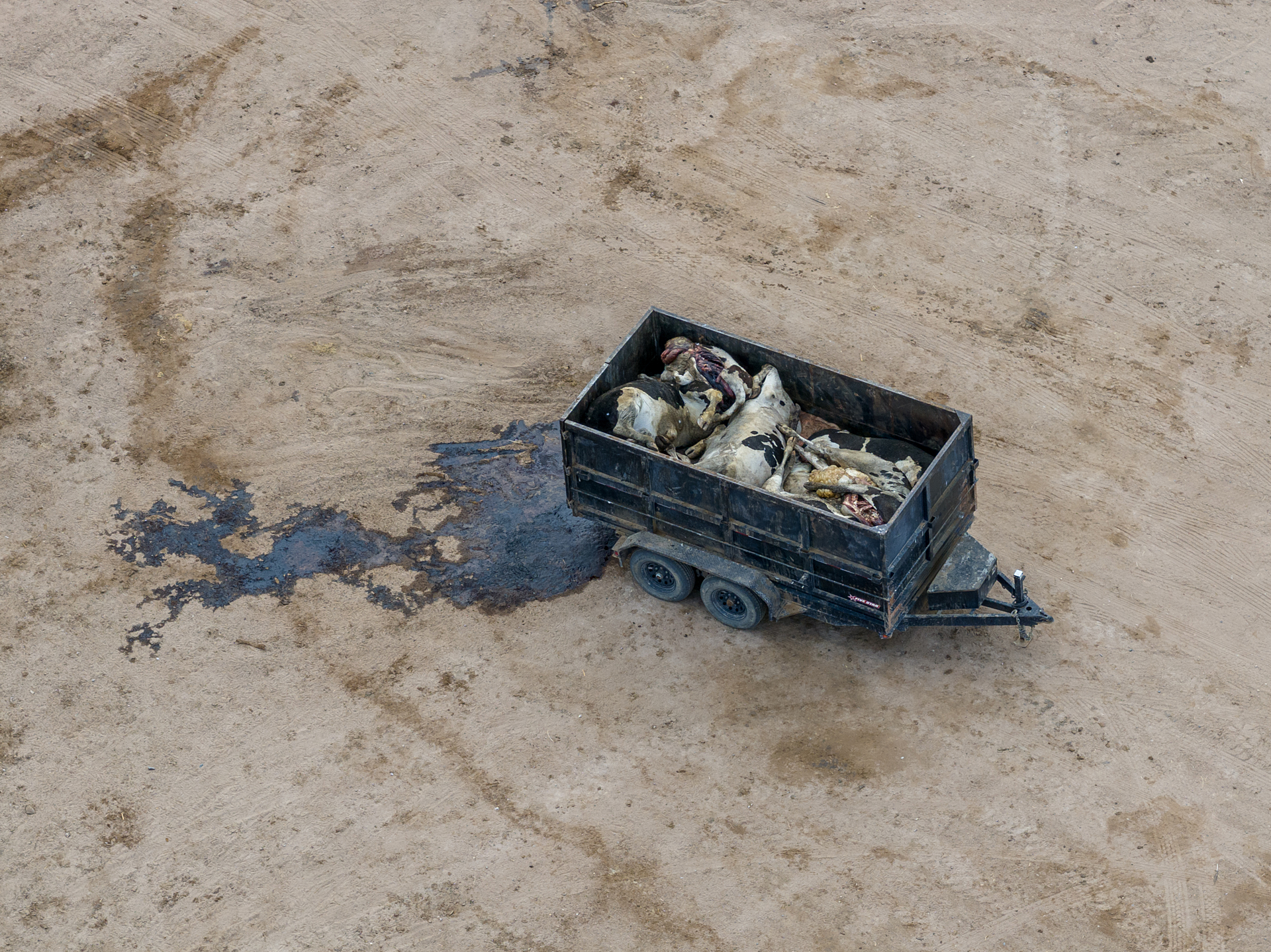
A trailer of decomposing cattle bodies leaks bodily fluids onto the ground at an Arizona feedlot that holds up to 115,000 cattle. Photo: Ram Daya / We Animals
More than 1,000 individual calf hutches stretch across a California dairy farm, fully exposed to summer sun in a state increasingly affected by extreme heat. Photo: Ram Daya / Animal Outlook / We Animals
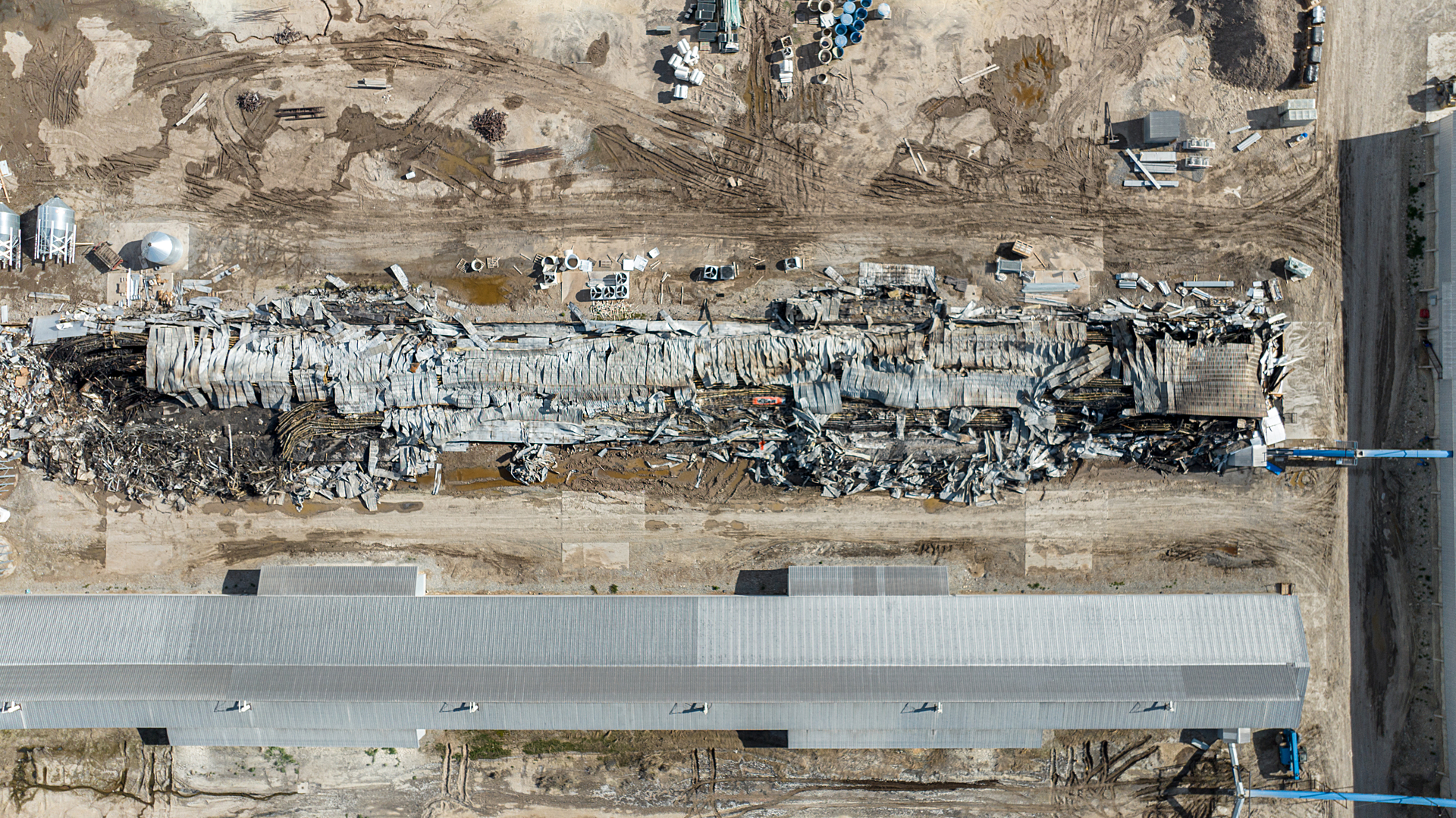
The charred remains of a Utah chicken shed where nearly 120,000 hens died in a fire, many trapped inside cages with no means of escape. Photo: Wes Burdett / We Animals
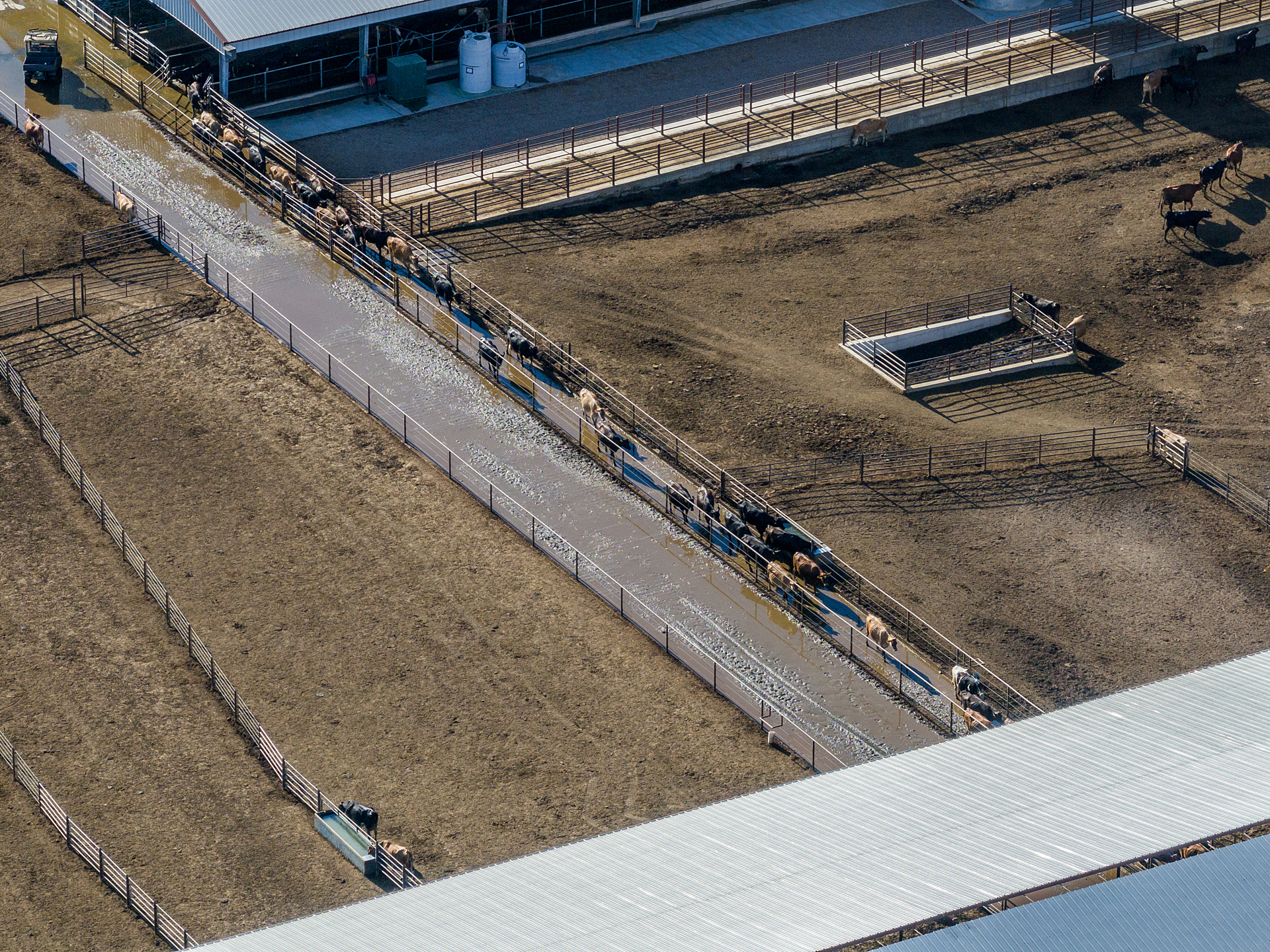
Cows return from milking at a massive Arizona dairy operation. Photo: Ram Daya / We Animals