
Intertidal: Entranced by Nature
The Sea is Not Made of Water: Life Between the Tides Adam Nicholson London: William Collins, 2021, 370 pages. Coming back from a… Ocean
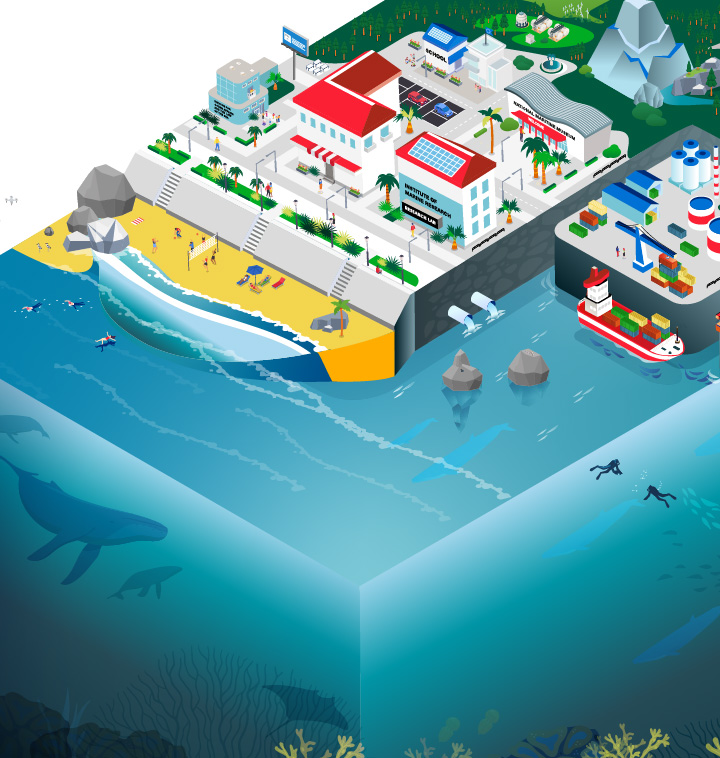
Source: Defense Industry and Space, European Commission, 2024

The European region recorded its warmest annual sea surface temperature in 2023, at 0.55°C above average.
Source : Copernicus, European Commission, 2023.

A high proportion of marine habitats in the European Union are in an unfavourable status (76 %) and 38 % are further deteriorating, with pollution being a significant factor (this data is based on research conducted on 30% of habitats; 70% is of unknown status).
Source: European Environment Agency, 2023.
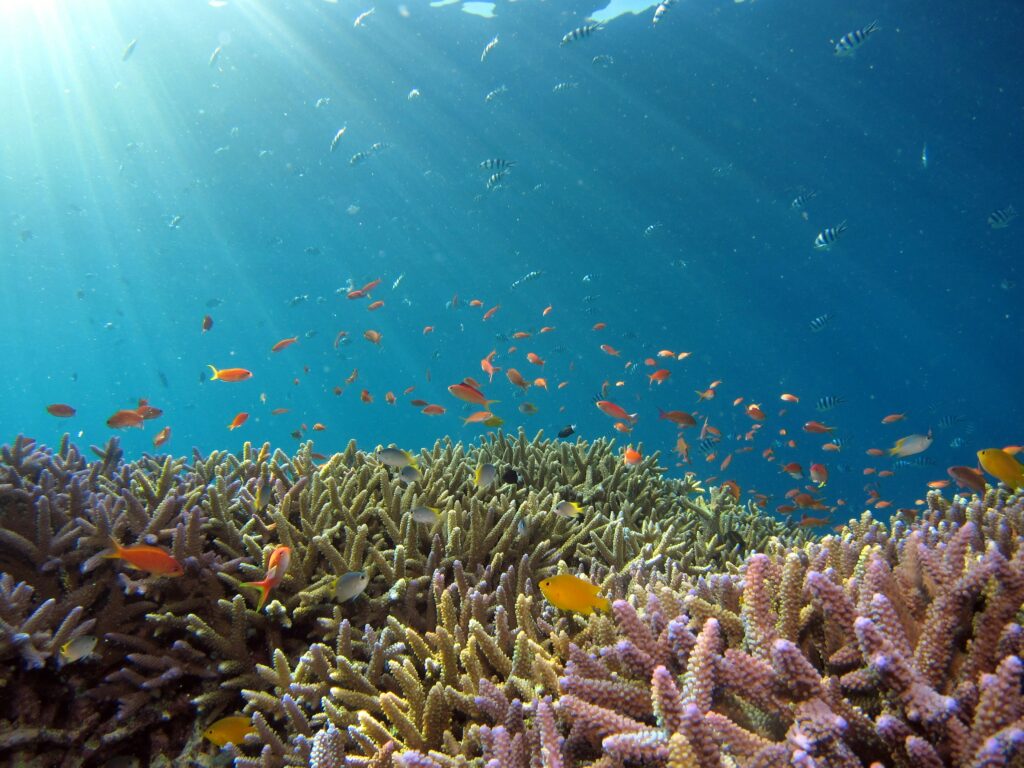

Carbon dioxide and heat are both absorbed by the ocean as greenhouse gas levels increase. When carbon dioxide is dissolved in the ocean, the water becomes more acidic. Ocean acidification has increased rapidly causing pH levels to drop by approximately 30% since the pre-industrial era.
Ocean acidification impacts on marine organisms with its effects cascading throughout the food web, modifying ecosystem services like fisheries.
Source: (European Environment Agency, 2024)

Featured video
This press briefing will explore ocean literacy, water sustainability, community-driven initiatives supported by our EU-funded projects BlueLightS, Towards International Panel for Ocean Sustainability (Towards IPOS), and the EU Ocean Coalition (EU4Ocean).
Take a visual tour of the Mediterranean, a region of many cultures connected by climate challenges.
The rise in temperature is making fishing harder for artisanal fishermen and small fishing fleets. The catches have become smaller,… The Warming Sea
