STATE OF THE OCEAN

The ocean plays a vital role in regulating the global climate, yet it faces unprecedented threats from climate change. Rising sea surface temperatures, marine heatwaves, and biodiversity loss are pushing ecosystems and coastal communities to the brink.

In 2023, 22% of the global ocean surface experienced severe to extreme marine heatwaves, with European waters reaching record temperatures. A high proportion of marine habitats in the European Union are in an unfavourable status (76%) and 38% are further deteriorating, with pollution being a significant factor.

The European Union has responded and committed to achieving climate neutrality by 2050, cutting maritime emissions, transitioning fisheries away from fossil fuels, and expanding offshore renewables. The EU Mission: Restore our Ocean and Waters aims to protect and restore the health of our ocean and waters through research and innovation, citizen engagement and blue investments by 2030.

Facts

1. Marine Heatwaves​

  • In 2023, 22% of the global ocean surface experienced at least one severe to extreme marine heatwave event. Notably, the rate of ocean warming has doubled since 2005.
  • The warming of the world ocean has accelerated at a relatively consistent pace since 1960. Since 2005 the rate of ocean warming has doubled.
  • The Arctic region lost 4% of sea ice per decade during the period 1979-2023.

Source: Defense Industry and Space, European Commission, 2024
2. Sea Surface Temperatures

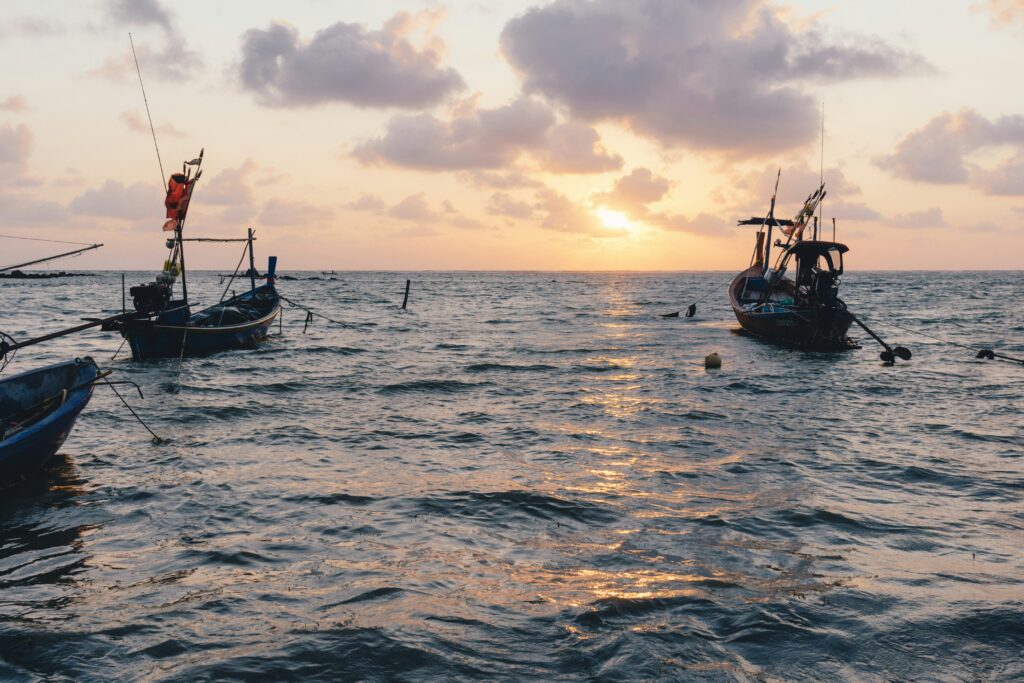
The European region recorded its warmest annual sea surface temperature in 2023, at 0.55°C above average.

Source : Copernicus, European Commission, 2023.
3. Marine Habitats​

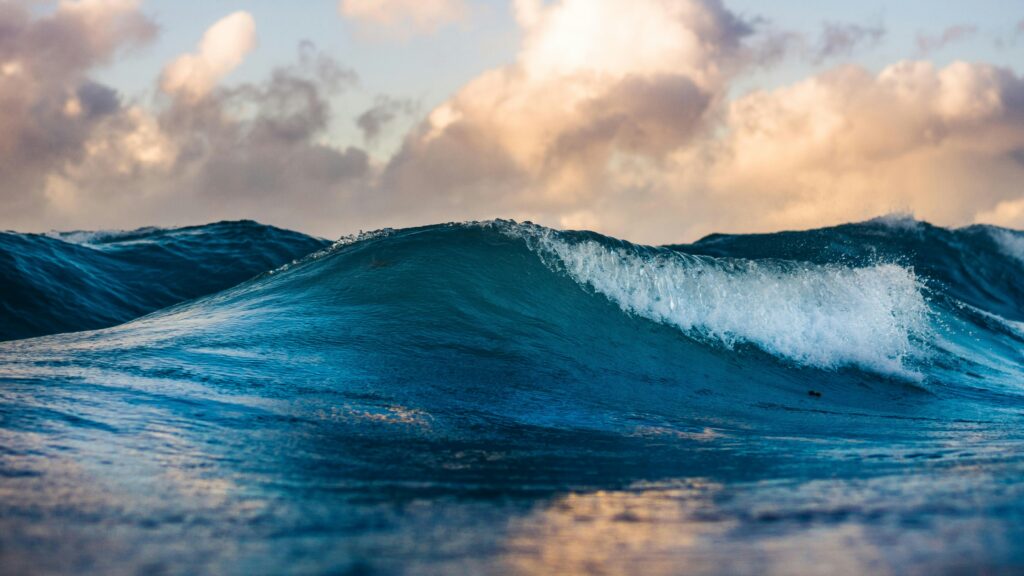
A high proportion of marine habitats in the European Union are in an unfavourable status (76 %) and 38 % are further deteriorating, with pollution being a significant factor (this data is based on research conducted on 30% of habitats; 70% is of unknown status).

4. Pollution

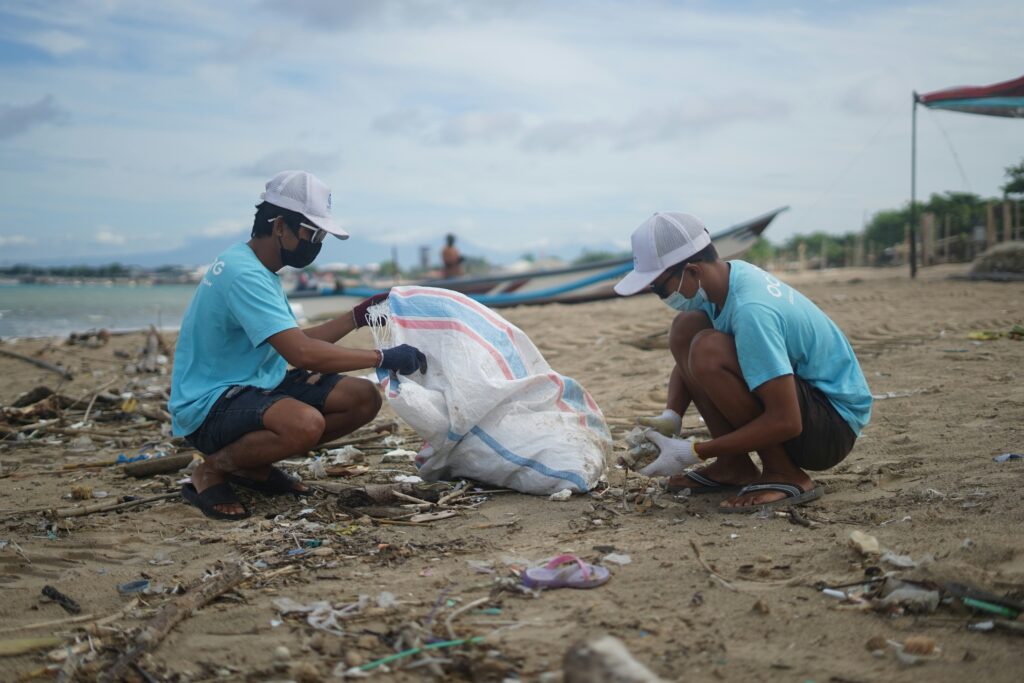
  • Plastic waste makes up 80% of all marine pollution and around eight to ten million metric tonnes of plastic end up in the ocean each year. Research states that, by 2050, plastic will likely outweigh all fish in the sea.
  • 17% of the species affected by the presence of plastic in the ocean are on the International Union for Conservation of Nature Red List of Threatened Species.
    (Ocean Literacy Portal)

5. Ocean acidification

Carbon dioxide and heat are both absorbed by the ocean as greenhouse gas levels increase. When carbon dioxide is dissolved in the ocean, the water becomes more acidic. Ocean acidification has increased rapidly causing pH levels to drop by approximately 30% since the pre-industrial era.

Ocean acidification impacts on marine organisms with its effects cascading throughout the food web, modifying ecosystem services like fisheries.

Featured video

Panel Discussion & Speakers

This press briefing will explore ocean literacy, water sustainability, community-driven initiatives supported by our EU-funded projects BlueLightS, Towards International Panel for Ocean Sustainability (Towards IPOS), and the EU Ocean Coalition (EU4Ocean).

Ecosystems

Intertidal: Entranced by Nature

The Sea is Not Made of Water: Life Between the Tides   Adam Nicholson  London: William Collins, 2021, 370…

How to Reach 90%?

A 90% EU 2040 climate target is only as strong as the architecture that supports it. Today, 5…

Turning Tipping Points Around 

Humanity is nearing critical climate thresholds. Scientists say we can still shift the future by…

A Model for Climate-Resilient Tourism 

In the Atlantic Ocean, the Azores are pioneering a forward-thinking approach to resilience that could…

Water

Tipping Points and Lifelines: The Future of Our Ocean 

Interconnected governance is needed to protect the planet’s beating heart.  If the Amazon is the…

Europe’s Challenge to Protect its Seas and Waters 

Europe’s seas and freshwater face mounting challenges. The EU’s Marine Strategy Directive aims to protect…

Did the UN Ocean Conference Make Waves or Slip by Without a Ripple? 

The third UN Ocean Conference highlighted both encouraging global commitments and critical gaps in efforts…

The Ocean Starts in Our Cities 

The ocean’s future is shaped by our cities – whether they sit by the coast…

Events

29 Jul 2026

BlueLightS at Sommerwerft 2026

The ocean starts… in Frankfurt! From 29 July to 2 August 2026, the EU project…
3 Mar 2025

European Ocean Days 2025

The second edition of the European Ocean Days will take place in Brussels from 3…
8 Mar 2024

Ocean Literacy in Action at the European Ocean Days

Hosted by DG MARE and the vibrant EU4Ocean coalition, and with the support of IOC/UNESCO,…
29 Feb 2024

Creative Advocacy for the Oceans

Unleash your creativity for the oceans in a free masterclass. Join this 3-hour masterclass to…