
Scaling Ecosystem Restoration in Europe
Photo: Life Terra
Reforestation must be biodiverse, rooted in communities, and guided by long-term ecological thinking.
Highly urbanised societies fail to perceive the enormous value of the intangible services that nature provides us. It is instead routinely reduced to a mere stock of resources that can be easily quantified and incorporated into markets, a process that overlooks vital functions like hydrological and climate regulation, the control of erosion and flooding, landscape values, and biodiversity.
As the population grows at exponential rates, so do are our consumption habits, and the demand for these free services is skyrocketing. Our planet does not have the capacity to meet this demand: nearly two-thirds (60%) of the world’s main environmental services are in decline, and at this rate, in a few decades, we will need more than one Earth to sustain our current way of living.
Forests are key to providing these necessary services. Their functionality and ecosystemic value are one of the main drivers of life on Earth, and their decline, not only in extension but in resilience capacity, entails a risk for human activity and life.
Although there are many national ecosystem strategies in place for protecting forests, the forest cover in Europe is only 35%, with a slow growth rate since 1990. Approximately 3% of these forests are damaged, which is when a forest loses its ability to regenerate with a natural framework. This area equates to roughly 10.7 million hectares, 3.5 times the size of Belgium or 15 million times the size of a football pitch. A degraded forest also means that the ecosystem has also lost key ecological characteristics and ecosystem services.
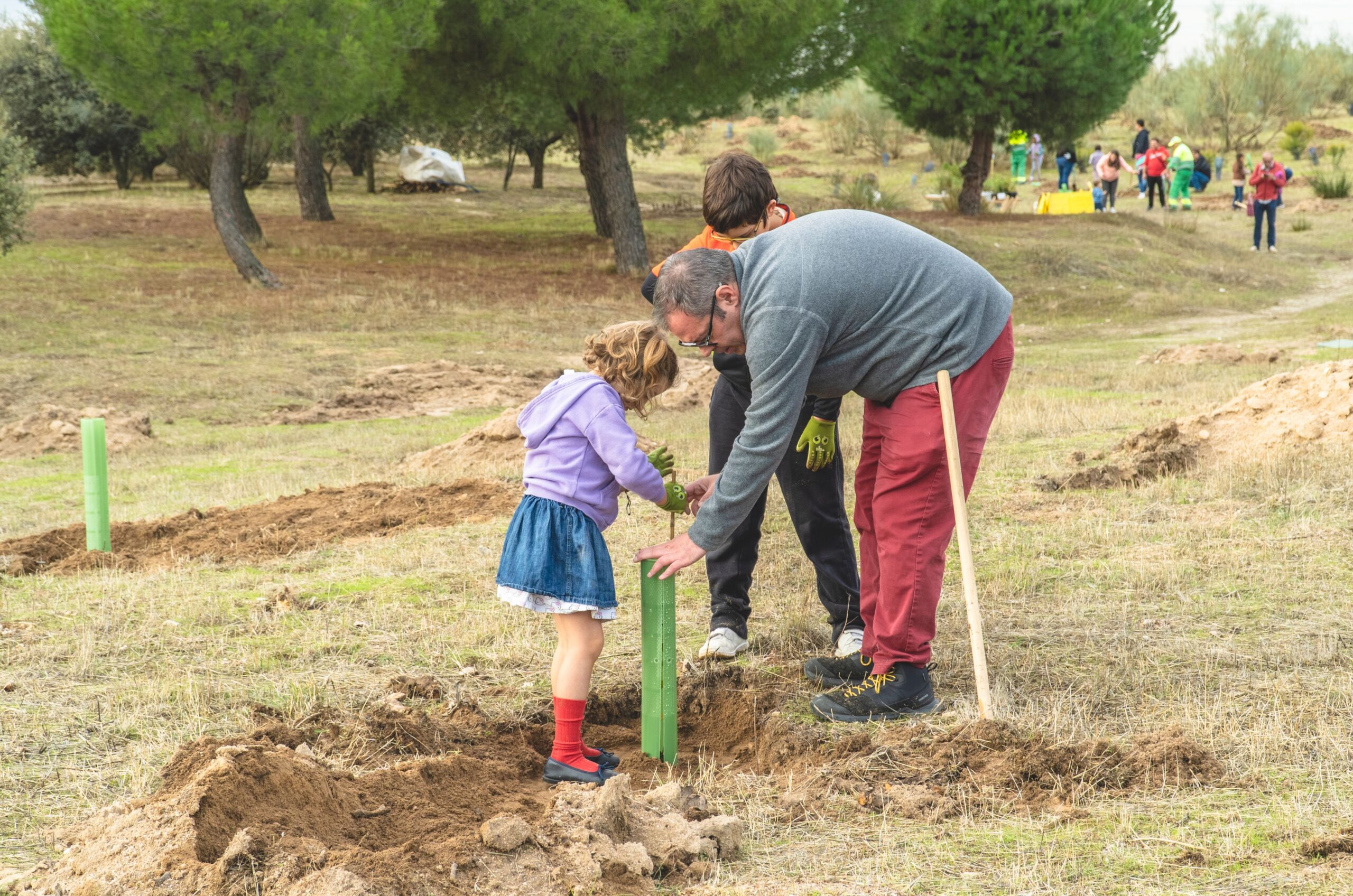
In this context, tree planting has become a symbol of climate action across Europe. From large corporate pledges to small local initiatives, millions of trees are going into the ground every year. However, as ecosystems face increasing challenges from climate change, droughts, pests and forest fires, the key is not how many trees are planted, but which trees and how these are planted.
The key is not how many trees are planted, but which trees and how these are planted.
Scale alone is not enough
Planting trees in large numbers does not automatically mean restoring an ecosystem. Ecosystems are complex entities, and many factors must be considered. Site-specific planning, careful tree-species selection to enhance biodiversity and ecological niches, monitoring, and long-term maintenance are essential for a successful restoration.
This complexity becomes especially evident when considering biodiversity loss, one of the most serious threats facing Europe’s forests today. A recent report from the European Environmental Agency (EEA) stated that 60% of species in Europe are in a bad or poor condition, and this decline is only expected to continue.
Restoration initiatives across Europe are increasingly showing the value of planting a wide range of native tree and shrub species adapted to local conditions. Diverse plantings enhance soil structure, improve water retention, and provide habitats for insects, birds, and mammals. Including shrubs alongside trees helps stabilise soils, reduce erosion, and create layered ecosystems that mirror natural landscapes.
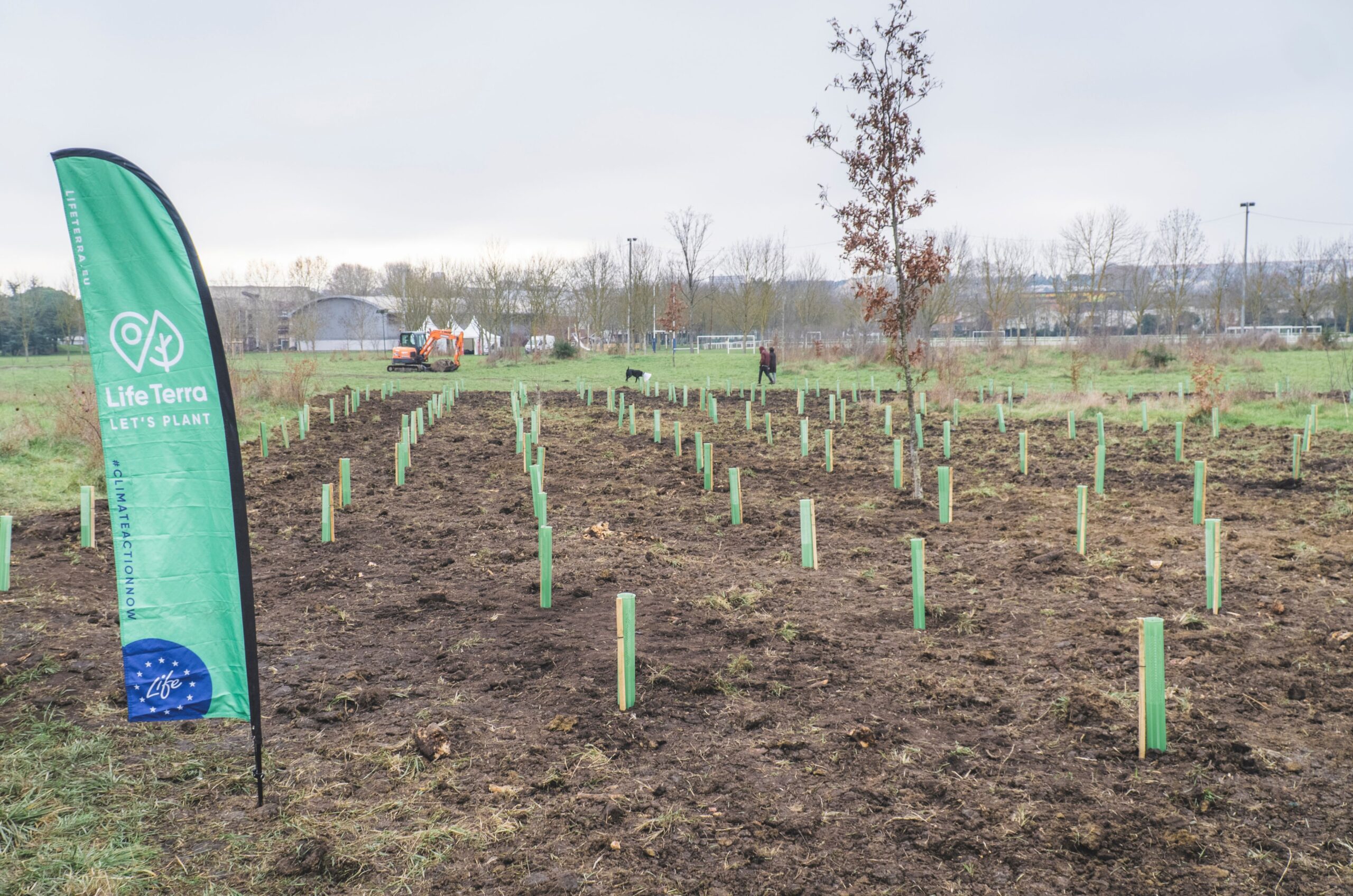
Life Terra, a reforestation initiative co-funded by the European Commission that carries out planting projects in more than 30 countries in Europe, has widely demonstrated that biodiversity is key to recovering ecosystems. Across its tree-planting actions, the project planted more than 500 different tree and shrub species during the 2020-2025 period. And the results are very promising. So far, the average survival rate across all monitored plots is 76%, with a median of 80%, which indicates that most plantings are performing slightly better than the average and that sites with low survival rates are outliers.
This approach contrasts sharply with monoculture planting schemes, which may appear efficient and profitable in the short-term, but often undermine long-term ecosystem health. About 33% of the forest cover in Europe is still dominated by single-tree species, either monoculture plantings or naturally homogenous forests.
Nature, a social system
Another important factor to take into account when developing tree-planting projects is people. Ecosystem restoration cannot happen properly without community involvement. Local mobilisation, acceptance, and collective responsibility help sustain the tree-planting projects in the long term.
Numerous examples of community initiatives show that local planting events can help to actively engage citizens, volunteers, schools, universities, municipalities, NGOs, landowners, and businesses. Through this collaborative model, thousands of tree-planting projects have already been developed, restoring public and private land in diverse contexts: forests, agroforestry systems, food forests, and urban green spaces.
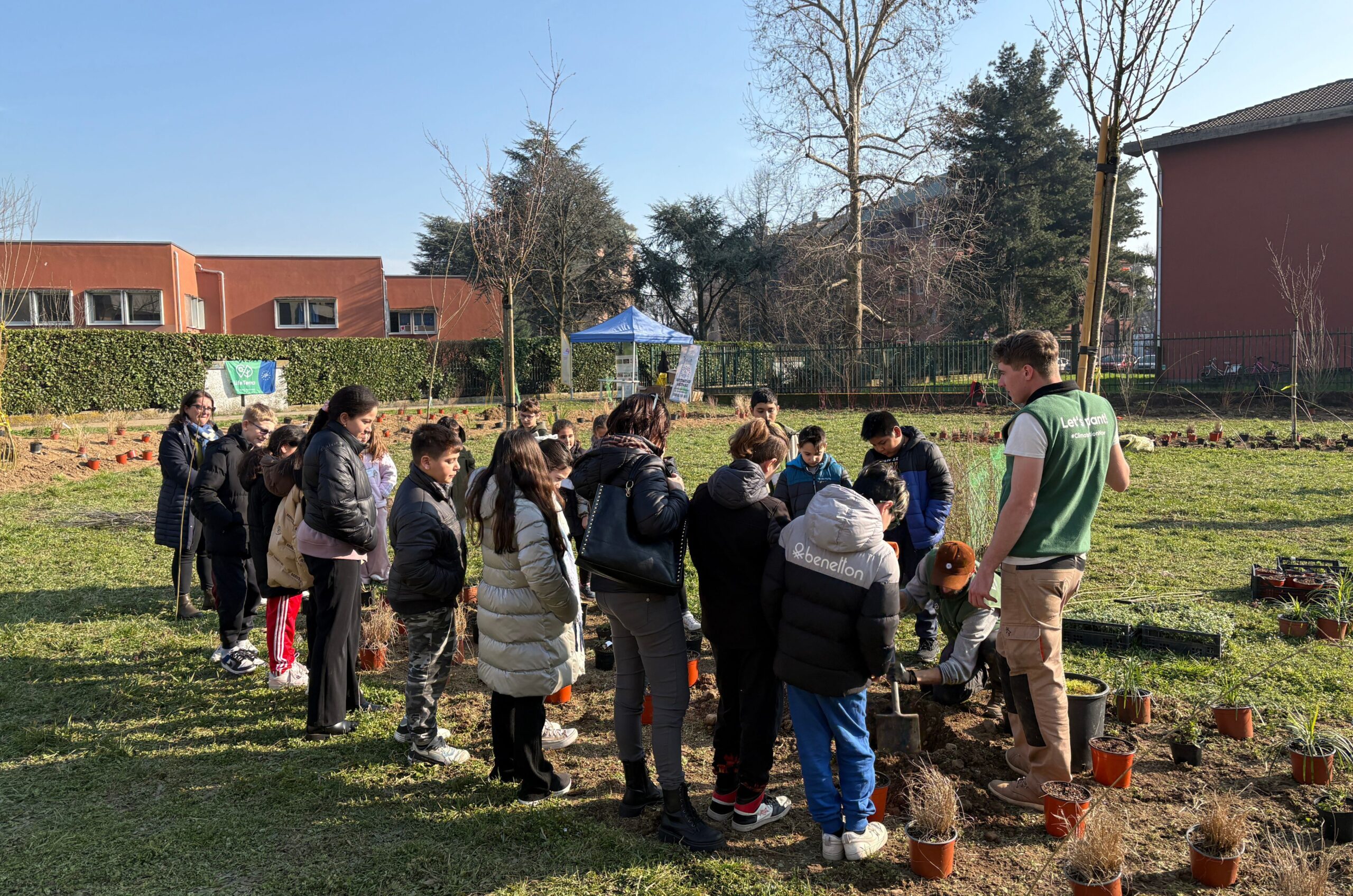
A successful example of urban restoration was seen in Mazzo di Rho, near Milan, Italy, where Life Terra, in collaboration with Associazione Gentile, Soulfood Forestfarms, the Municipality of Rho and with the support of Amazon, led the creation of a raingarden, a transformative tree-planting initiative that turned an urban area into a new green spot.
A raingarden aims to collect rainwater in a depression in the ground, increasing the soil’s capacity to infiltrate and retain water. This system increases soil permeability, mitigating flood risks and fostering a micro-ecosystem that will become more resilient to climate challenges. This is especially important for a Mediterranean area like Mazzo di Rho which faces more frequent extreme weather events due to dense urbanisation and rising temperatures.
“Rho is a city undergoing major transformation, and above all it must respond to increasingly severe weather events by creating spaces that can collect and retain water”, said Andrea Orlandi, Mayor of Rho, when attending the planting event.
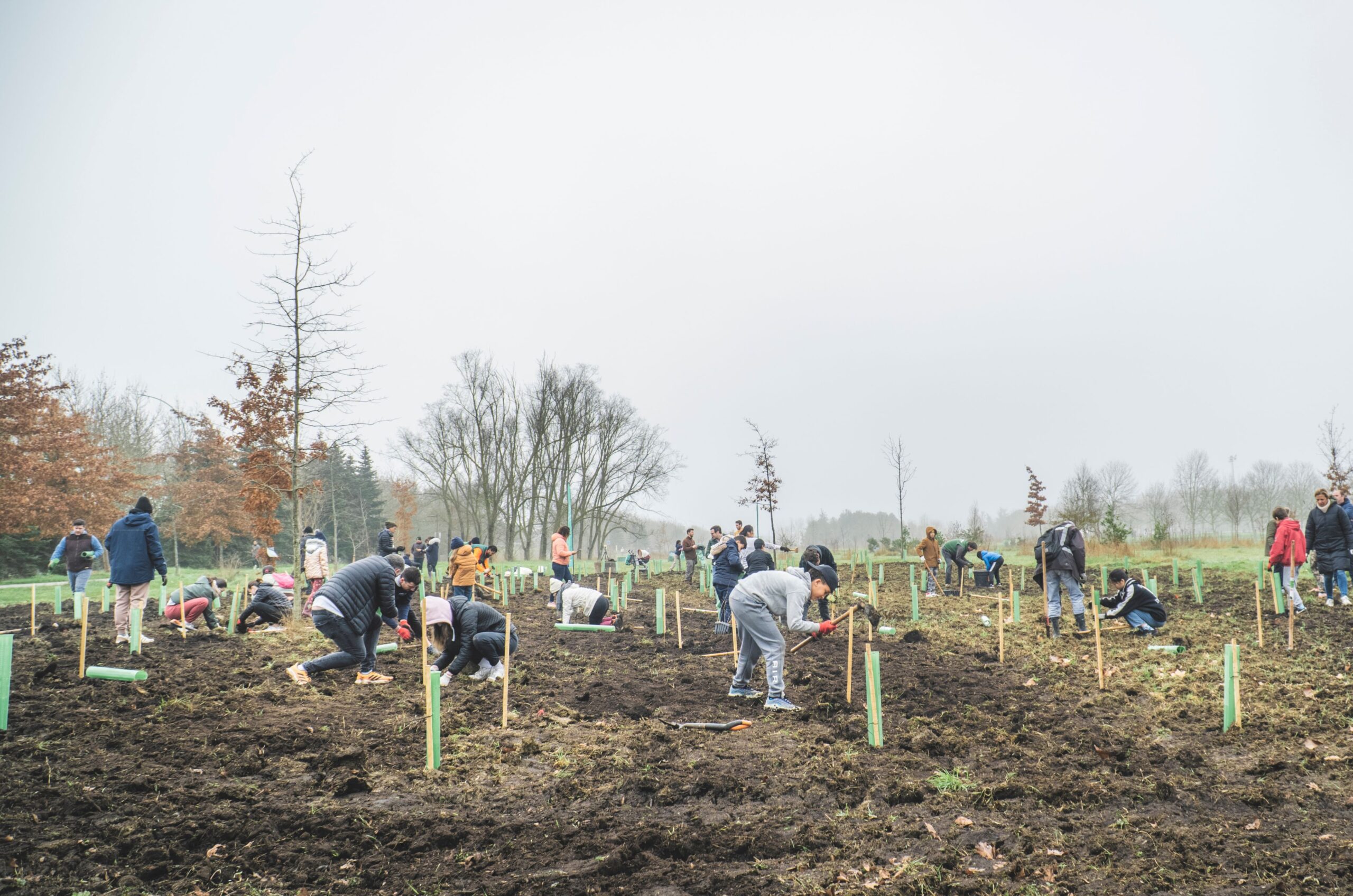
Over 400 people, including residents from Rho, local schools and volunteers, participated in the initiative. A hands-on experience that helped to raise awareness about the environment, but also fostered a community feeling, as it connected people closer to the reforested area.
Another compelling example can be found in Las Rozas, a medium-sized municipality near Madrid Spain, where community-led restoration has evolved into what is now known as the region’s annual “tree festival.”
Each year, between 3,000 and 4,000 citizens comprising entire families, from children to seniors, volunteer to bring back vegetation cover and biodiversity to degraded areas of the city. Las Rozas is a cosmopolitan European city facing the pressures from rapid urbanisation, where the over-construction left neighbours without recreational green spaces.
“By planting these trees, we are going to regenerate a degraded area, but also increase and raise awareness among our neighbours, and reach out to the local community to take care of the natural environment of our municipality,” said Jaime Santamarta, Environmental Councillor at the Municipality of Las Rozas.
Since 2021, more than 10,000 citizens have been mobilised through these planting days, resulting in 14,000 new trees and shrubs planted by and for the neighbours of Las Rozas. This community-led model to plant trees is helping to bring nature closer to people, and it achieves greater results, as it shows stronger survival rates, especially when it comes to providing sustained care.
Reporting what matters
Planting the trees is an essential part of the process. But once they are in the ground, the job is not finished. Survival rates in the first three to five years will most likely determine whether a project succeeds or fails. Monitoring the plantings is critical to guide adequate maintenance activities and provide transparency and credibility, especially when public money or corporate climate commitments are involved.
Beyond monitoring individual plots, shared platforms that register and map planting efforts help make collective progress visible while encouraging higher standards. Registering millions of trees and mapping them on an online platform enables comparison, learning, and accountability across countries. It also supports bigger policy goals, such as the EU’s 3 Billion Trees pledge with its MyMapTree initiative, ensuring trees monitored are aligned with ecological principles.
This emphasis on transparency strengthens trust and encourages more mobilisation across the restoration sector. It also incites the private sector to invest as the results are concrete, tangible and on a local scale.
Europe’s restoration future
Scaling ecosystem reforestation responsibly is possible when technology, ecology, and people work together. The ambitious EU Nature Restoration Law now sets a clear framework, compelling member states to develop national plans to restore degraded ecosystems. Addressing the challenges of this law, from administrative capacity to involving multi-stakeholders to aligning diverse land-use interests, will be crucial for its success on the ground.
Financing this large-scale transition requires mobilising both public and substantial private capital. The development of a solid market for Payment for Ecosystem Services (PES), through credible carbon, water, soil, and biodiversity credits, is key. Recent progress, such as the implementation of the EU Carbon Removals and Carbon Farming Certification (CRCF) framework and the launch of the EU Buyers Club initiative, gives project developers hope. These measures signal that the financial resources and market conditions needed to unleash a wave of high-integrity restoration projects are coming into place.
The lesson is clear: restoring ecosystems is not about planting faster, but rather about planting smarter. Examples from across Europe show that biodiversity-led designs, community engagement, innovative finance mechanisms and transparent monitoring are the way to go. By combining people, technology, and nature, scale and quality can coexist, and we can help create bigger and healthier ecosystems, more diverse and more resilient decades from now.