Mobility • 9 September 2026

Faster Than Cars

Photography and text by Charis Brice

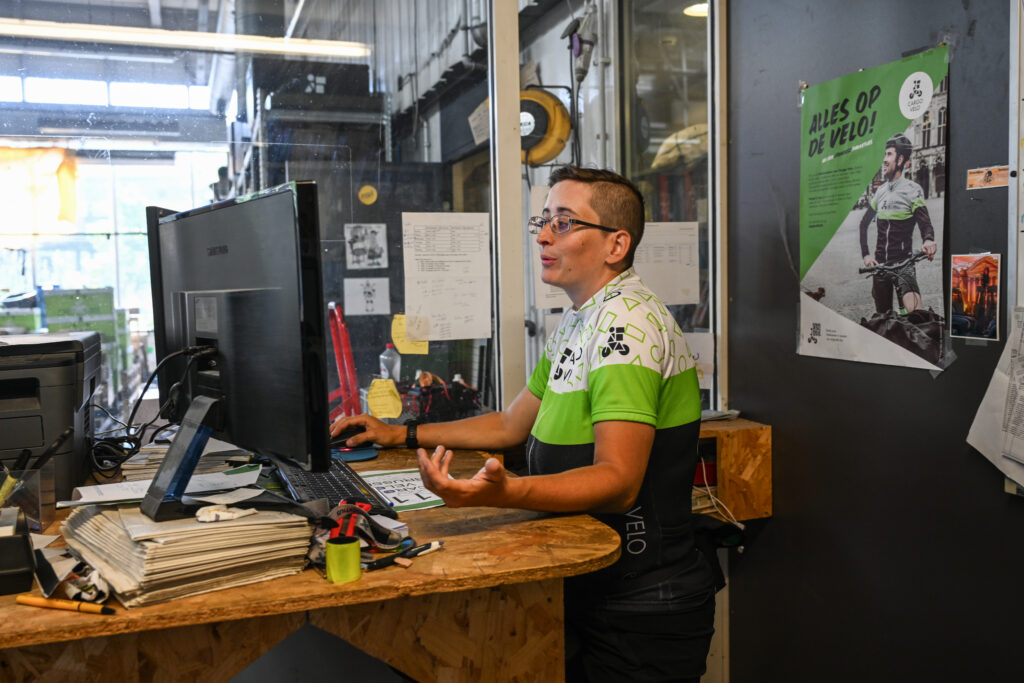
Baptistine Smets sent a text to say she would be back at the hub “in eight minutes.” Exactly six minutes and 30 seconds later, the Cargo Velo hub manager pulled in. Over the next few hours, it became apparent that the desire to beat expectations was ingrained in the mentality of the delivery company’s riders. This motivation has contributed to Cargo Velo’s rise to becoming the largest bicycle courier company in Belgium, with over 30 contract riders in three cities.

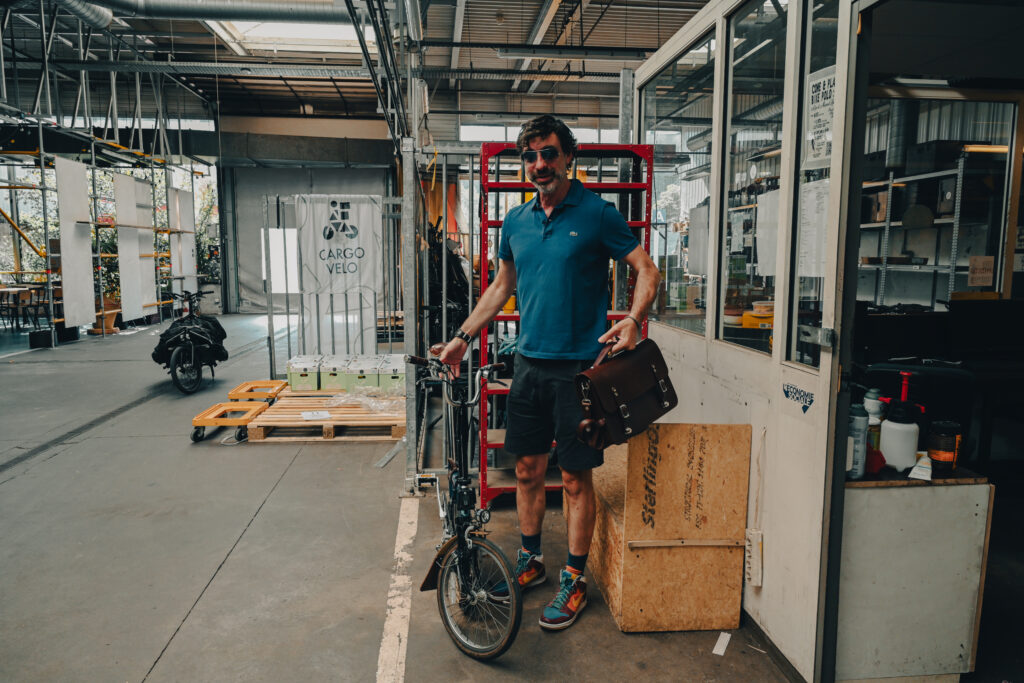
Willem-Frederik Schiltz, the company’s CEO, arrived shortly afterwards on his commuter bike. “Gotta practice what I preach,” he said, joking that his bike was his Porsche. “Sustainability is our cornerstone value and transforming urban logistics is our mission,” he told REVOLVE.

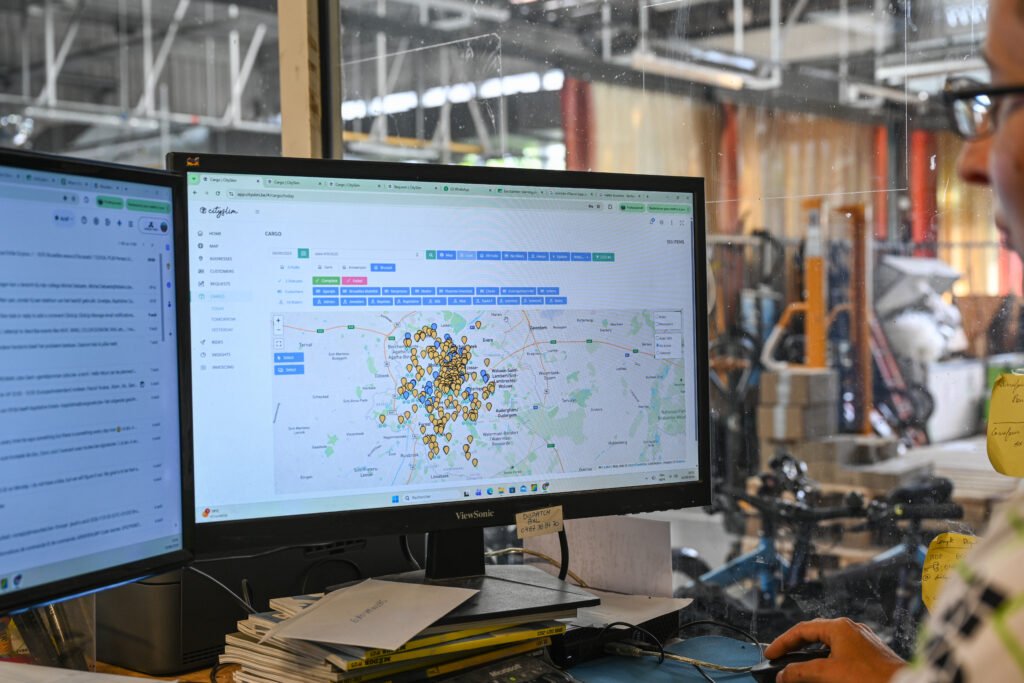
An average day for the Brussels team can involve around 350 deliveries, requiring seven riders. A busy day can involve 11 riders making up to 500 deliveries, which fall into three main categories: care (medical samples, fragile items), catering (usually B2B), and last-mile delivery (e-commerce packages).

The CEO said it was becoming increasingly difficult to sell their business based on sustainability alone. What matters is performance, and Cargo Velo outperforms car and van deliveries every time. A 2021 study in London found that electric cargo bikes make deliveries up to 60% faster than vans. Next to being faster and pollution-free, bikes have a lower carbon footprint, don’t get stuck in traffic and are able to navigate a challenging city with ease and dexterity simply impossible for a car. At Cargo Velo, over 99% of deliveries are successful.

Cargo Velo riders know the city intimately. When Baptistine plans the day ahead, she understands the value of flow, choregraphing one delivery with the next, like a dance. Once the routes are made and the deliveries delegated, it’s over to the drivers. Speed and agility are part of what makes cycling fun. And Cargo Velo’s riders like to indulge.
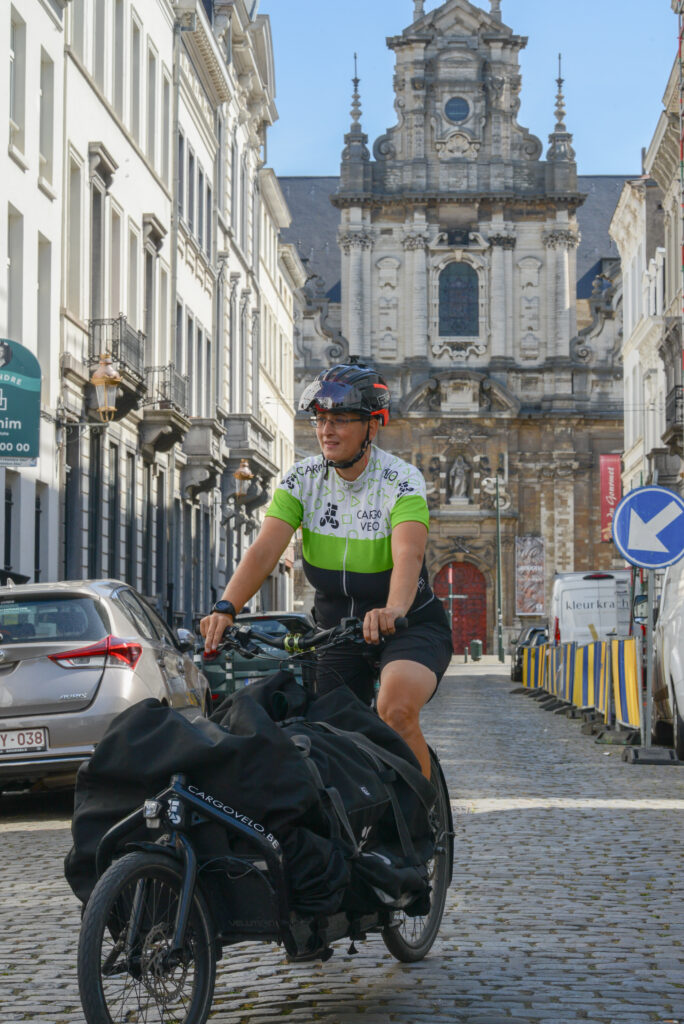
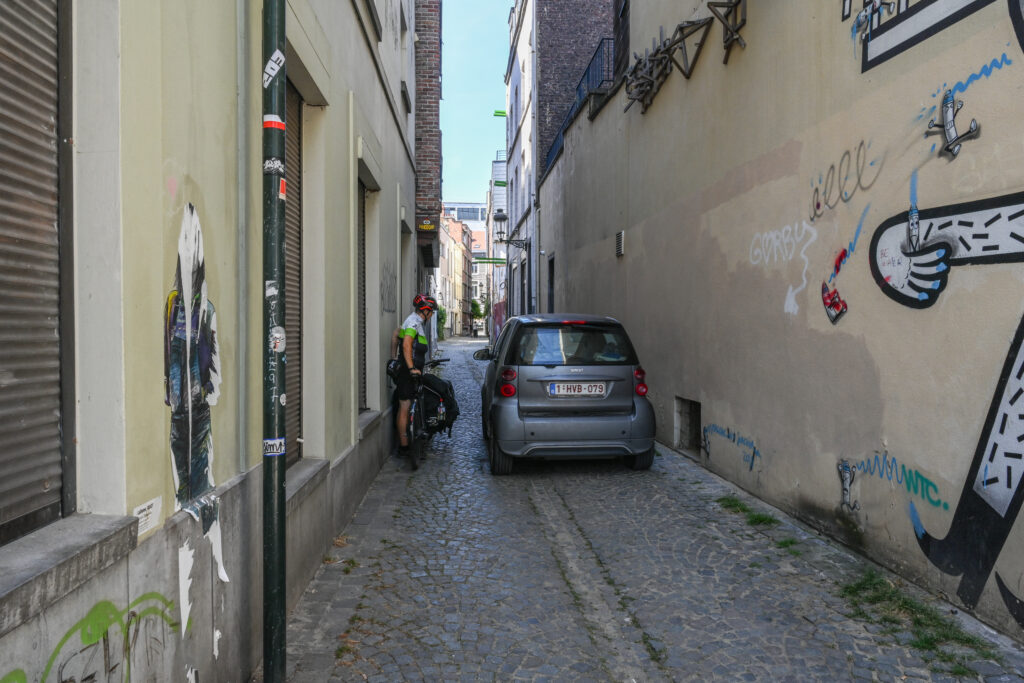
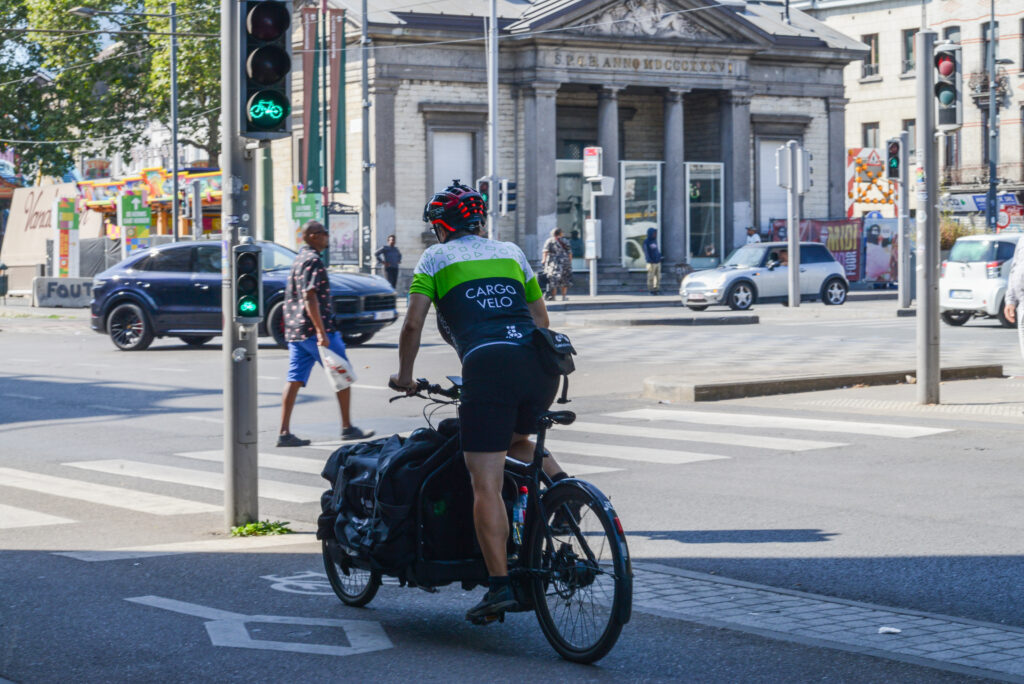
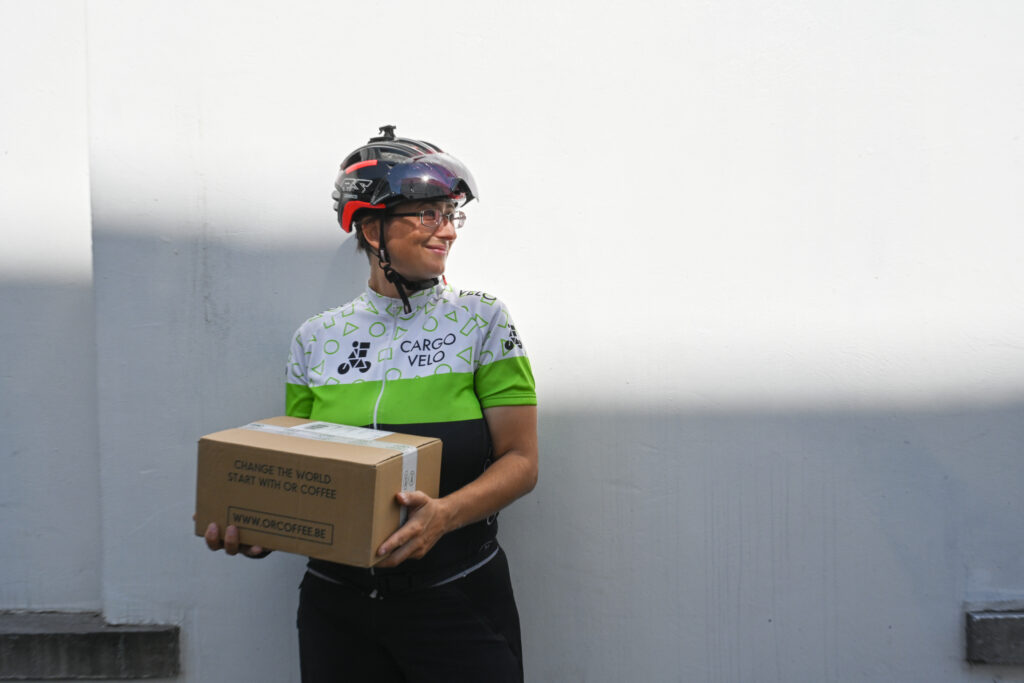
Baptistine mid-delivery in Brussels.
Schiltz at the hub with his commuter bike, which he introduces as his Porsche. The CEO of a bike delivery company arrives the way his riders do.
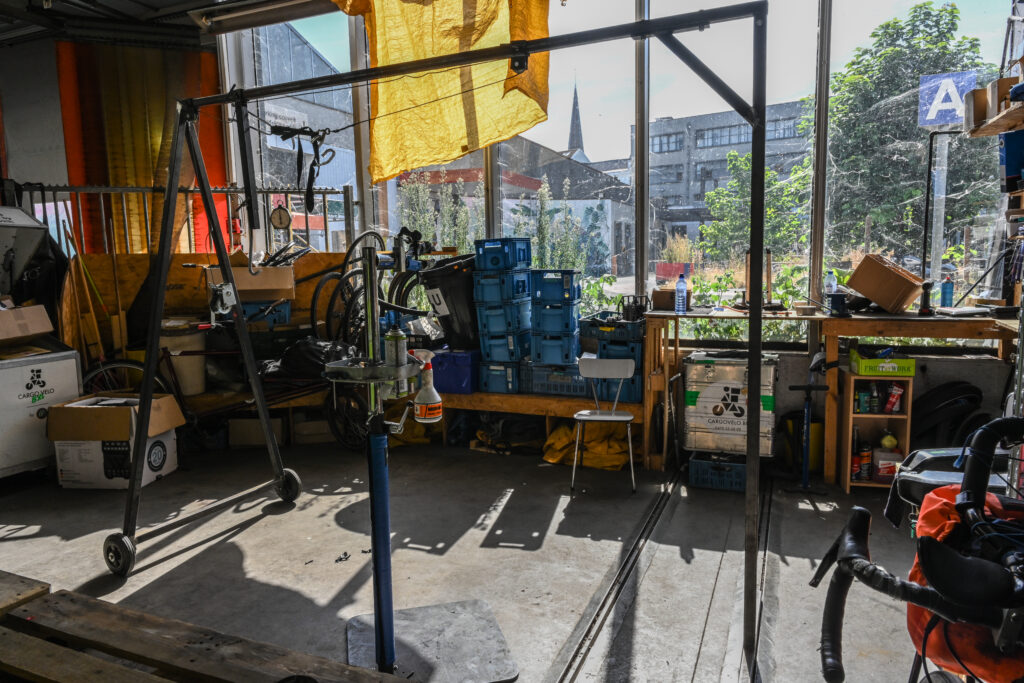
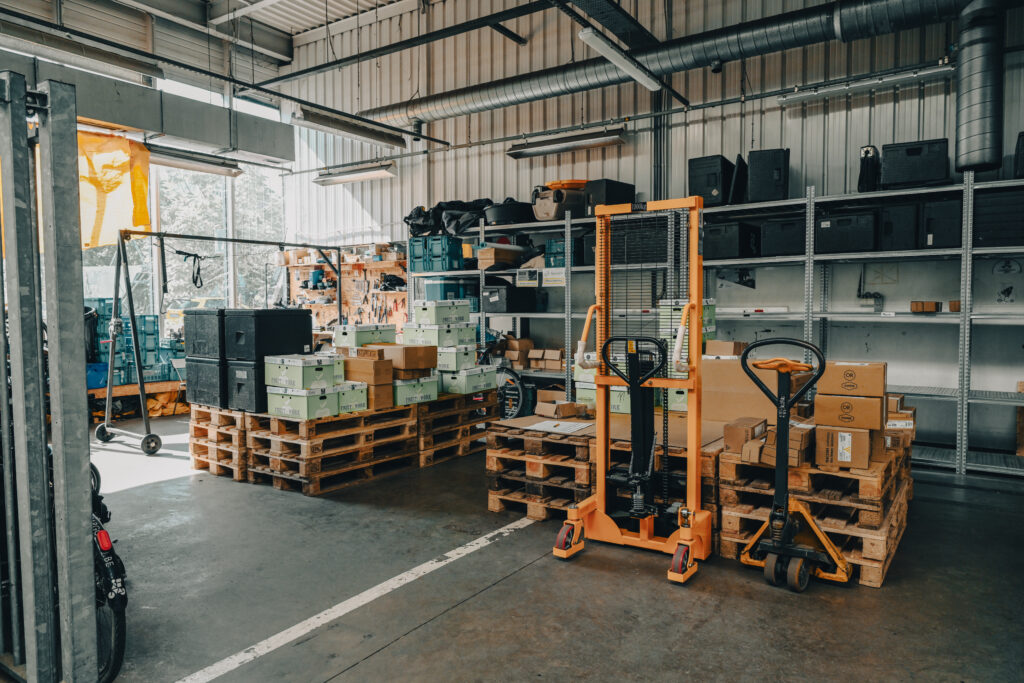
Cargo Velo’s workshop, open every Thursday, maintains the bike fleet in top condition to guarantee everyday operations.
When a Cargo Velo rider arrives at the hub for their shift they will see their respective deliveries on a palette of wood, clearly marked and prepared.
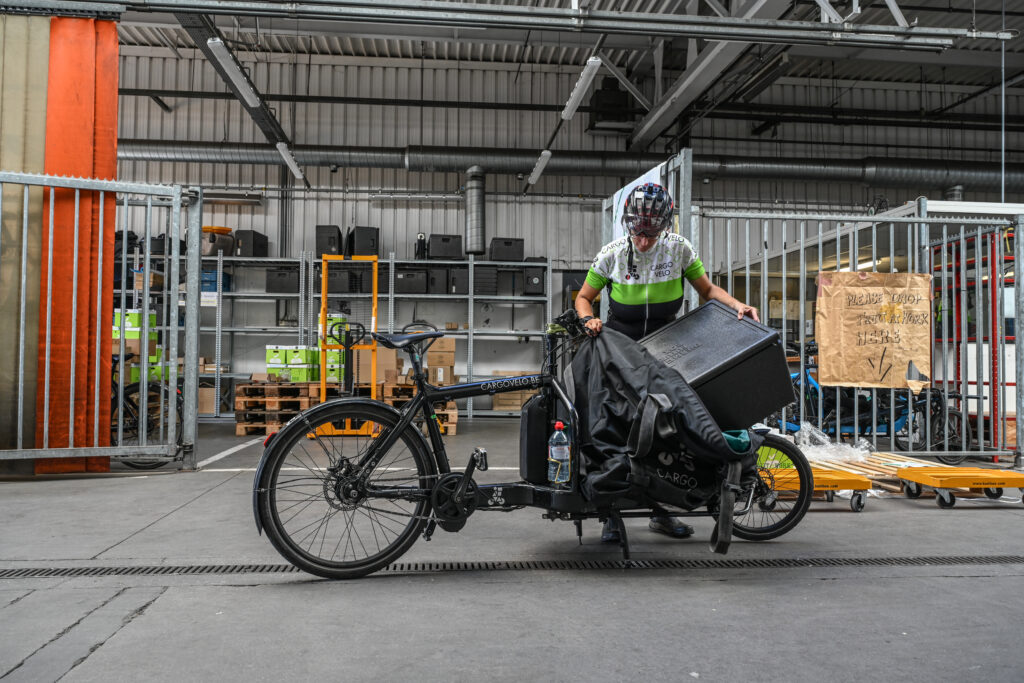
Baptistine carefully prepares her bike for a delivery, ensuring her cargo is secure.
Cargo Velo in action; Baptistine navigates the city with speed and dexterity, always with the next delivery in mind.

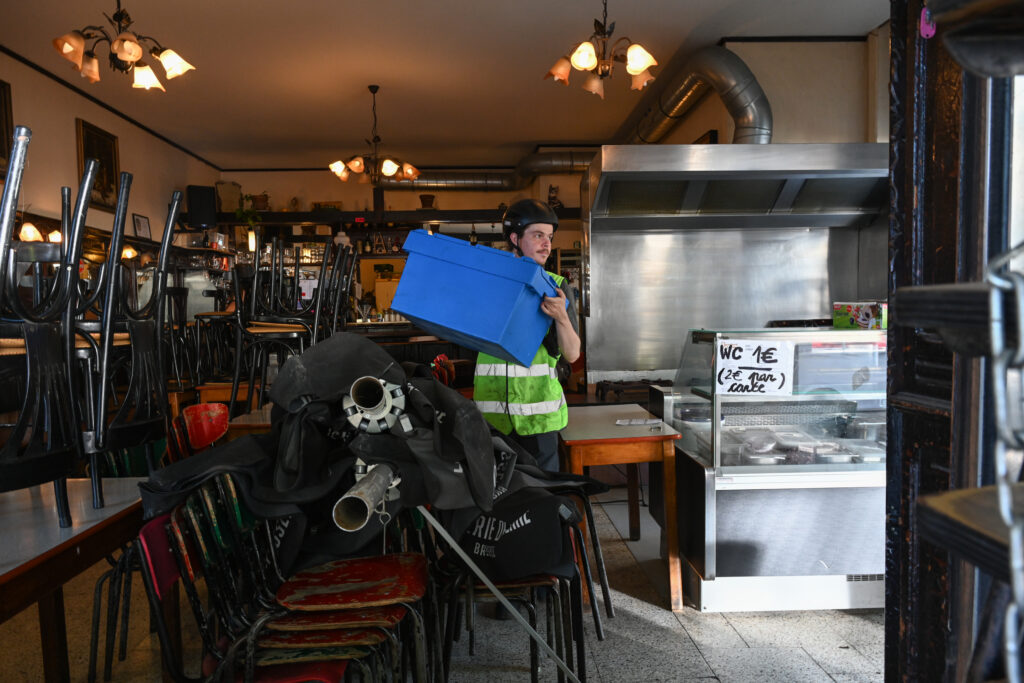
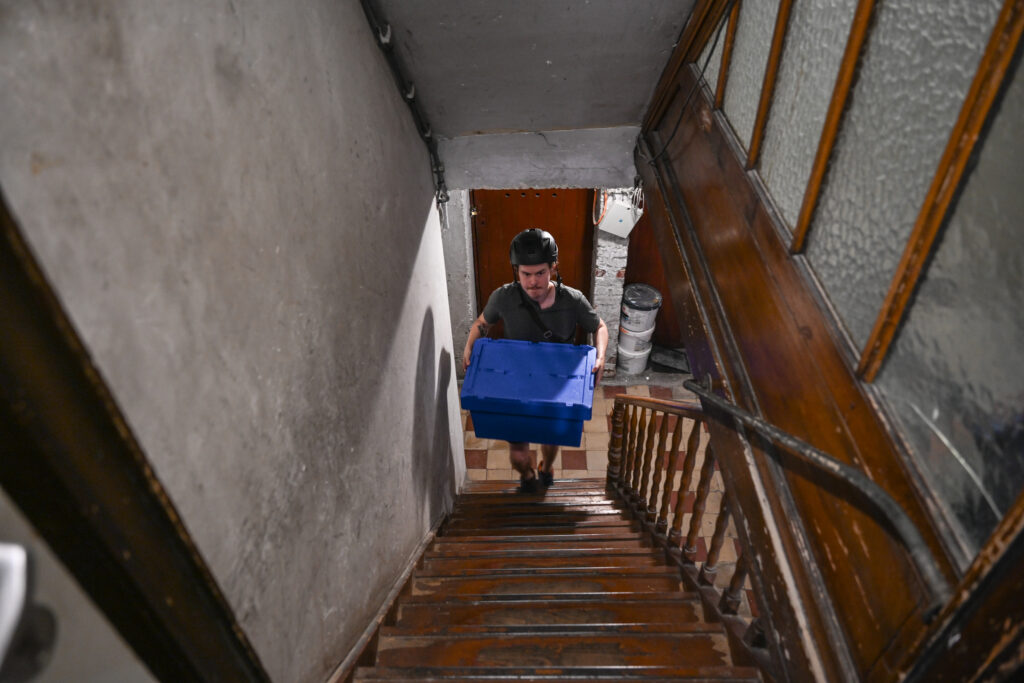
While Cargo Velo beats the traffic to deliver goods in their recognisable (and sustainably sourced) uniforms, in the same city another cycling outfit provides a circular waste service. Picking up organic waste is not always for the faint of heart, especially during a heatwave. It was 33°C when Joris, a member of the Recyclo.coop team, set out for two restaurant pickups in Brussels. After speaking to the owner at the first restaurant, he delivered clean boxes in the basement for the upcoming two weeks and returned with the heavy, blue box of organic waste. He moved quickly through the shop and back door, making sure customers avoided any odour coming from his cargo; fermenting organic waste is remarkably potent.

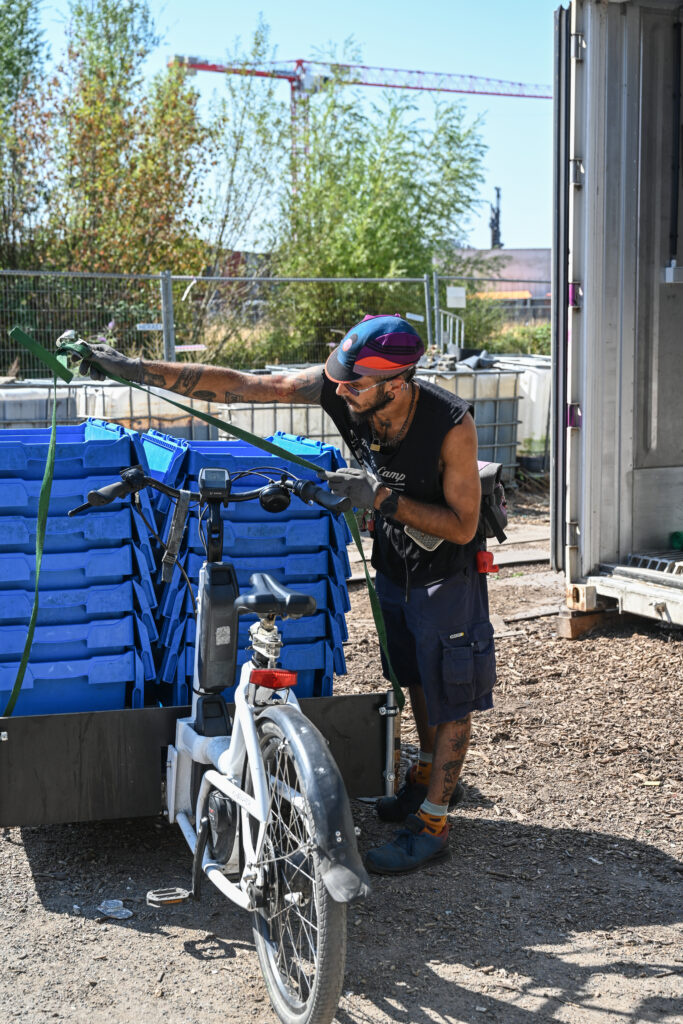
To arrive at the second location Joris had to navigate the chaos of Brussels traffic to ensure an efficient pickup. Each time a pickup is complete, and the cargo is strapped onboard, the drivers notify the team and headquarters via app before heading to the next stop. When each route is complete (usually because the bike load is at capacity – frequently up to 300kg) the drivers head to the main composting hub where the magic continues.

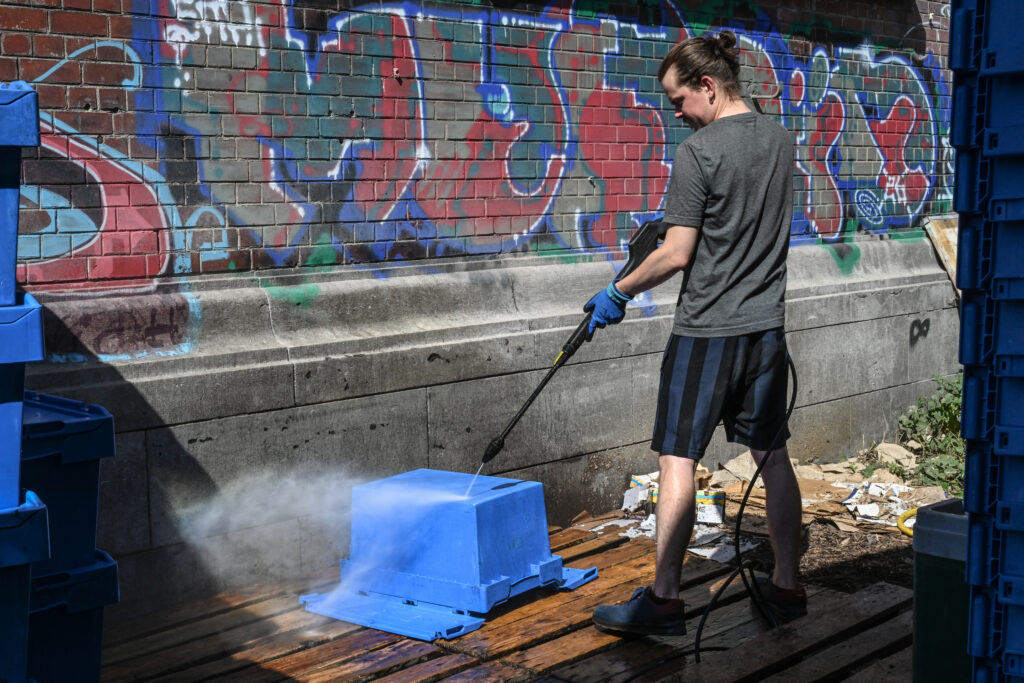
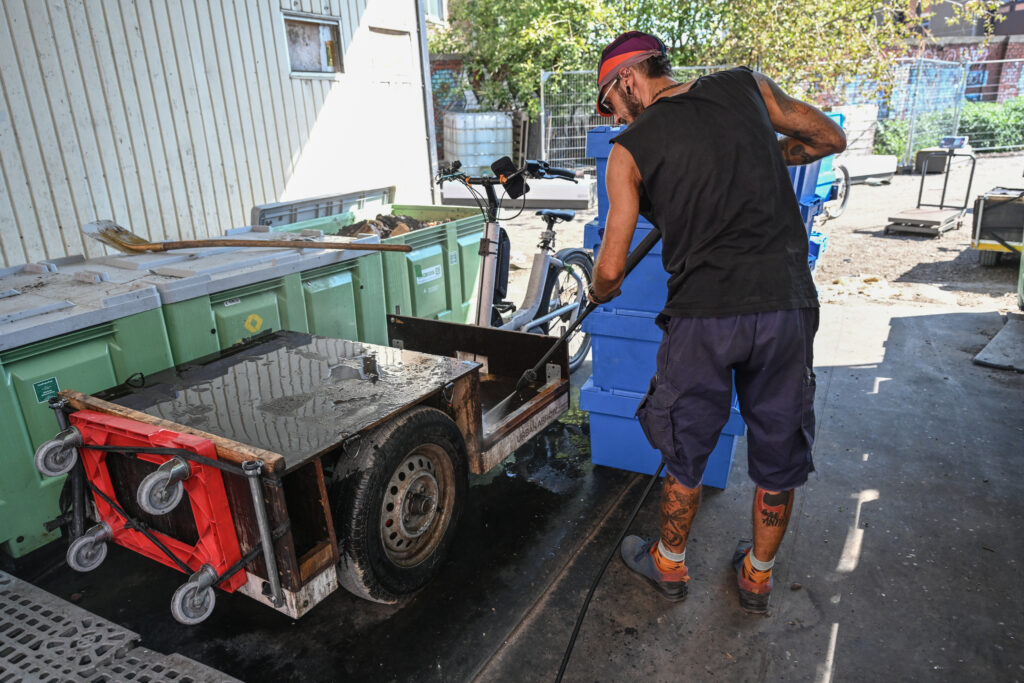
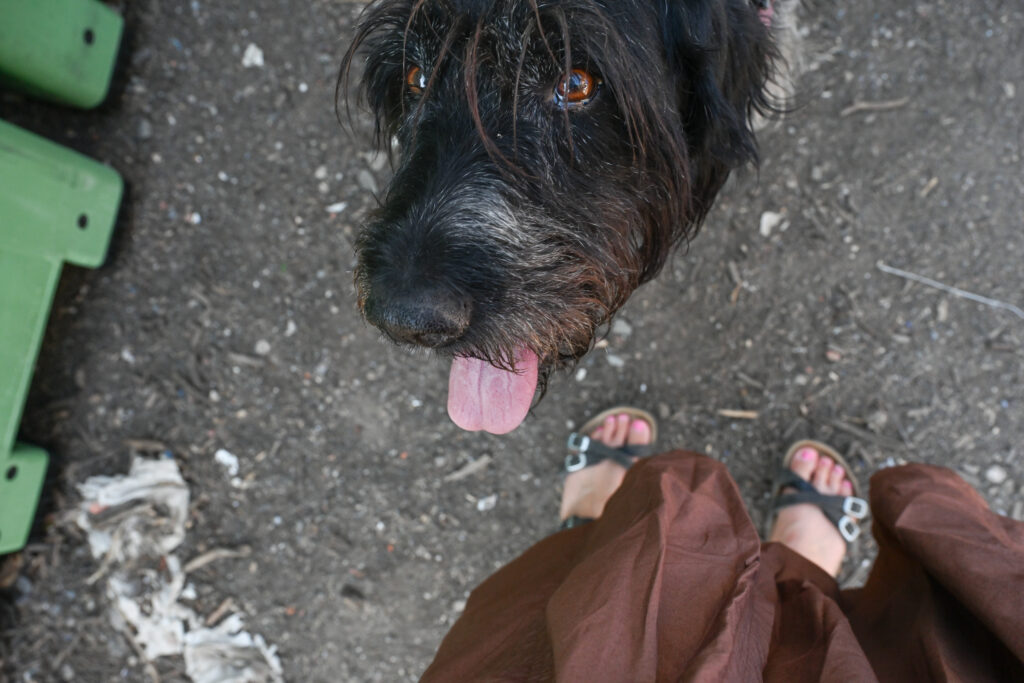
Once the waste has been deposited, the boxes, and bike are cleaned and disinfected. The flies, rats, and birds make the scene a lively one, with the mascot dog Galie keeping watch (and helping to keep the rats at bay).

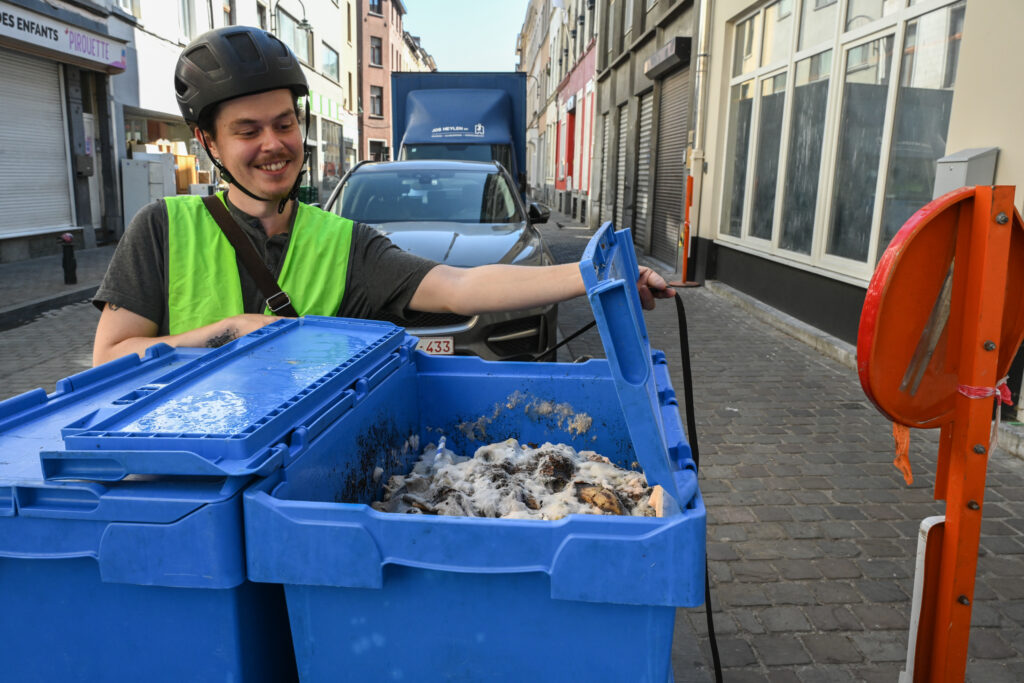
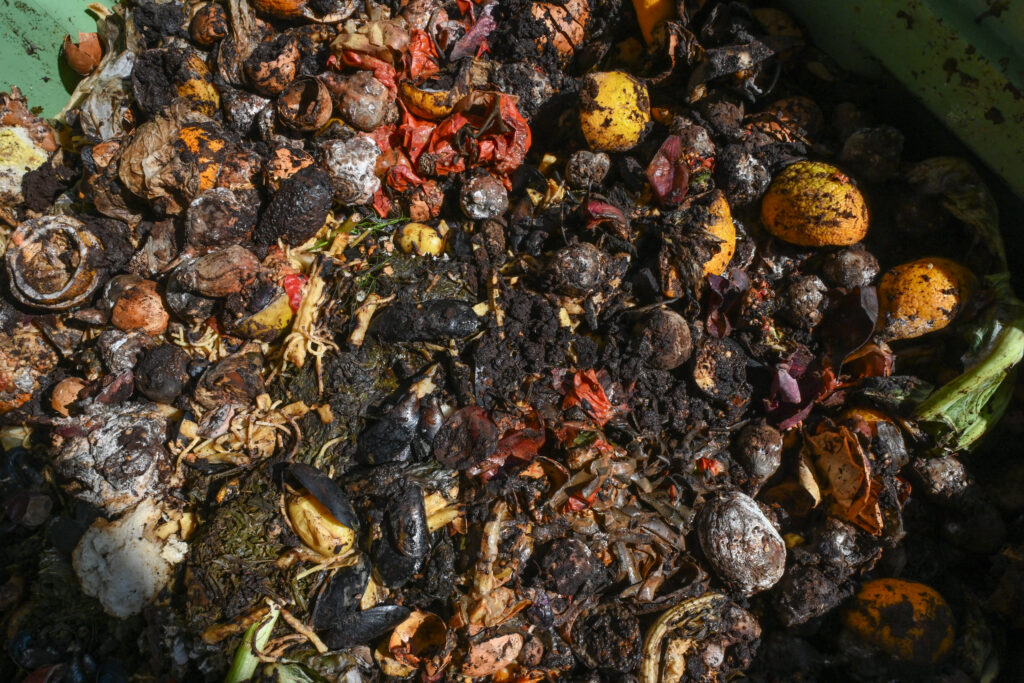
Joris gives me a sneak peek of the contents of his latest pickup. His cargo is a tiny fraction of what a city’s restaurants leave behind each day, and it moves through the streets almost unnoticed.
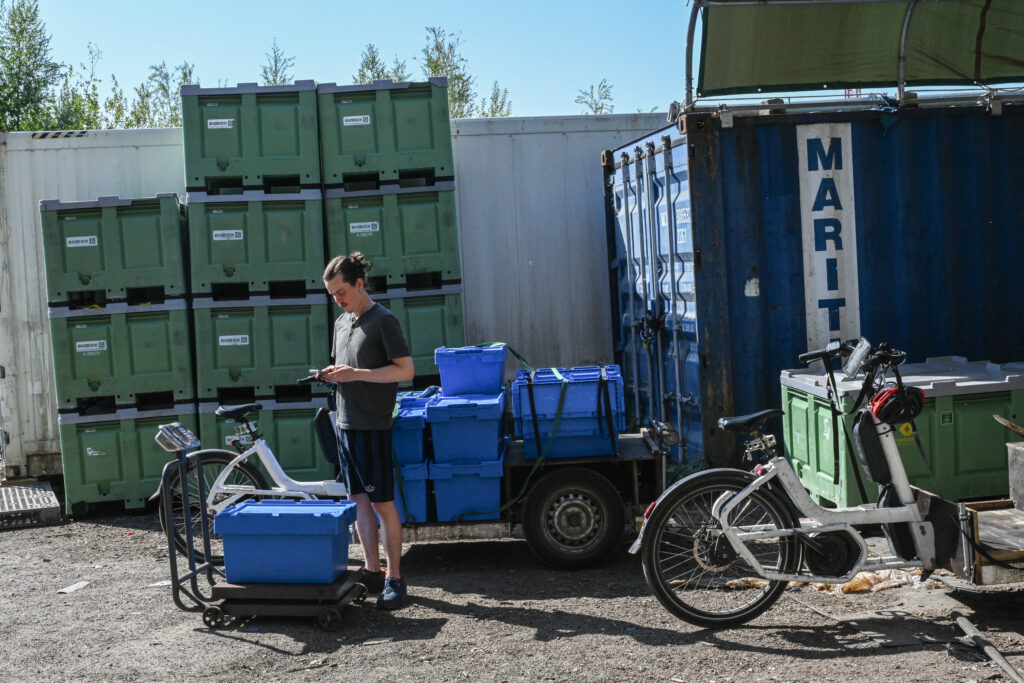
Back at the hub, Joris weighs each blue box from his pickup. Customers are sometimes billed by kilogramme, so the weight of each box is carefully logged before it is emptied.
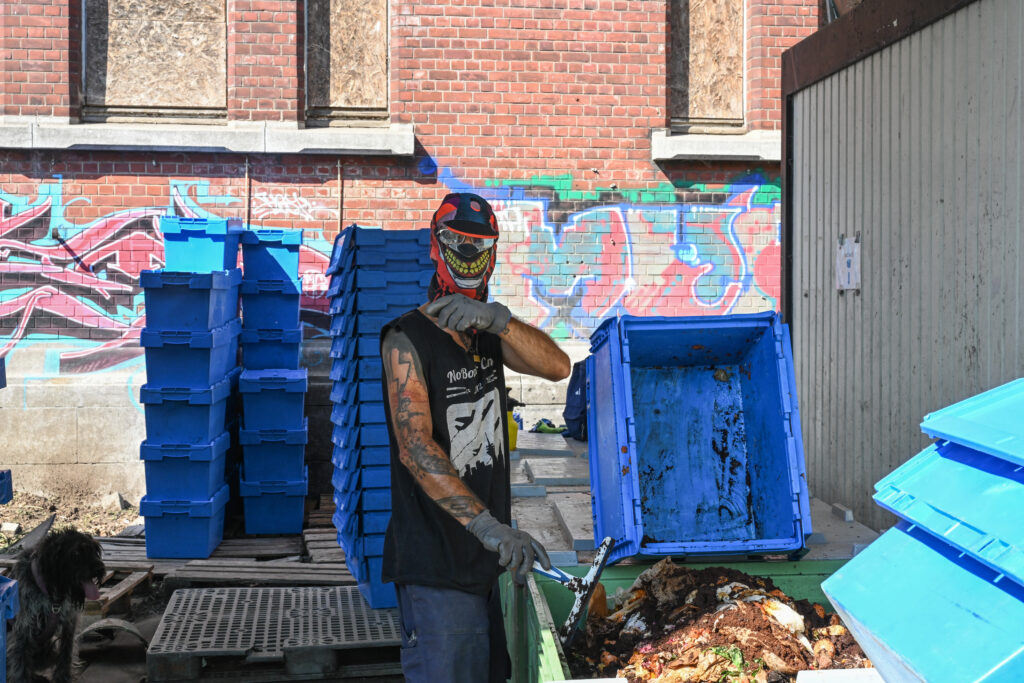
Nic scrapes the contents of a box into a collection container by hand, masked against the spatter. He checks the waste as he goes, pulling out cutlery and other non-organic items left behind by customers. The smell of the site is pungent and constant, intensified by the heat.
Restaurants generate tonnes of organic waste each year from the food we do not eat. Composting turns this waste back into soil instead of methane in a landfill.
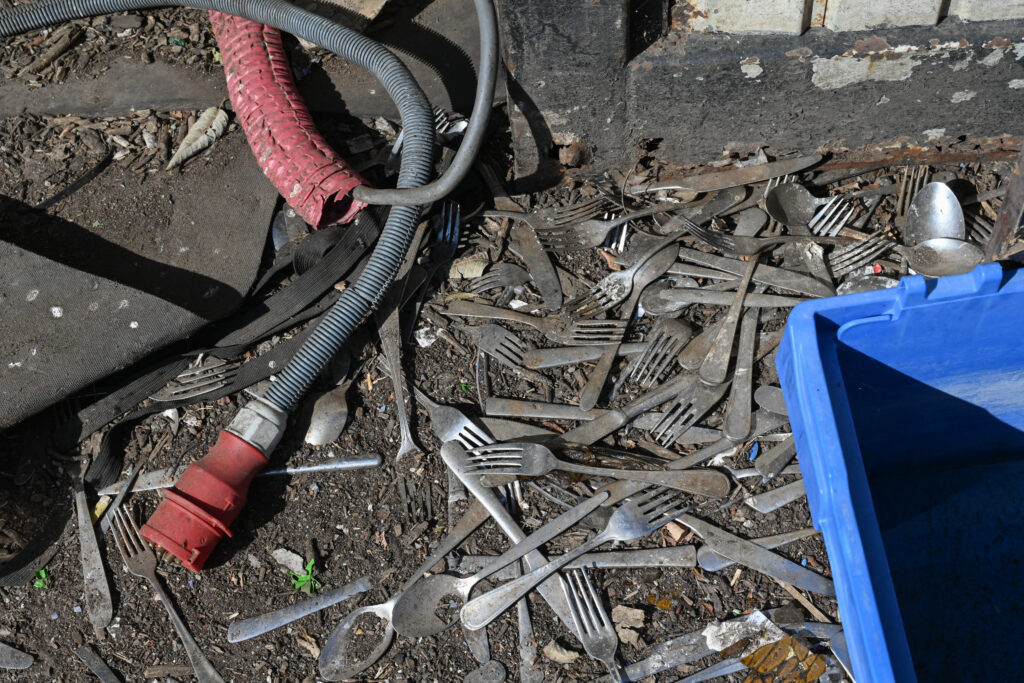
Cutlery found in the organic waste. When the crew scrapes the boxes, they watch for anything that doesn’t belong.
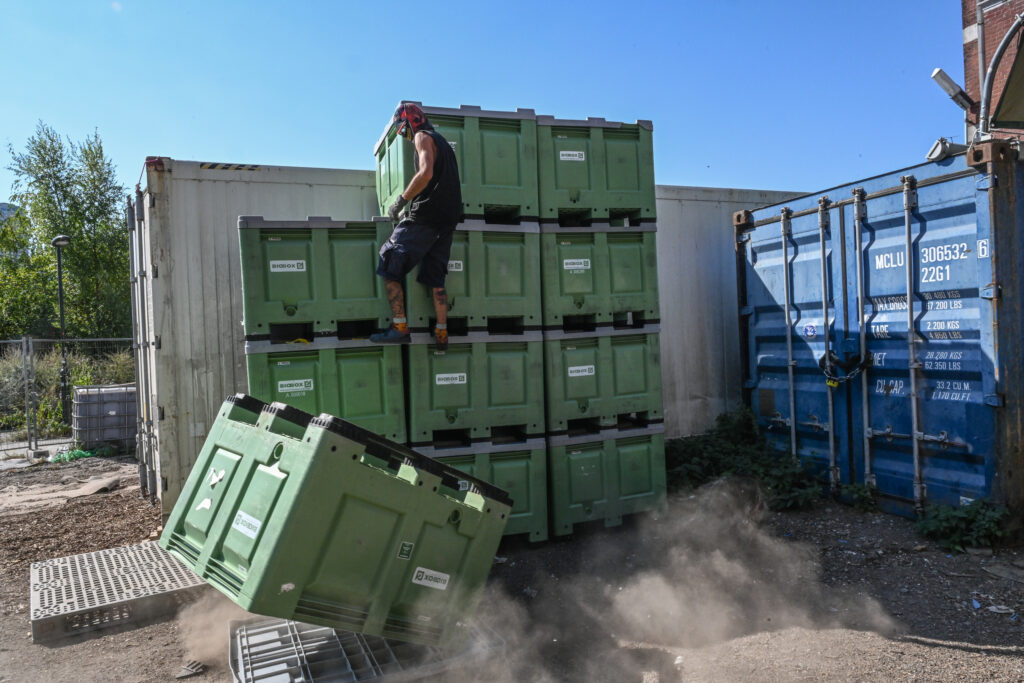
Nic climbs a stack of empty containers and shoulders one loose, letting it drop to the yard below. There’s no automated system here; the work gets done by hand, at height, in the dirt and exposed to the elements. On this day it was 38°C.