Ecosystems • 1 April 2026

A Dance of Ice and Water 

The Norwegian High Arctic territory of Svalbard is one of the few places on our planet where you can see the effects of climate change unfolding in real time. The Arctic is warming four times faster than the rest of the world. Svalbard is warming seven times faster, according to various studies.  

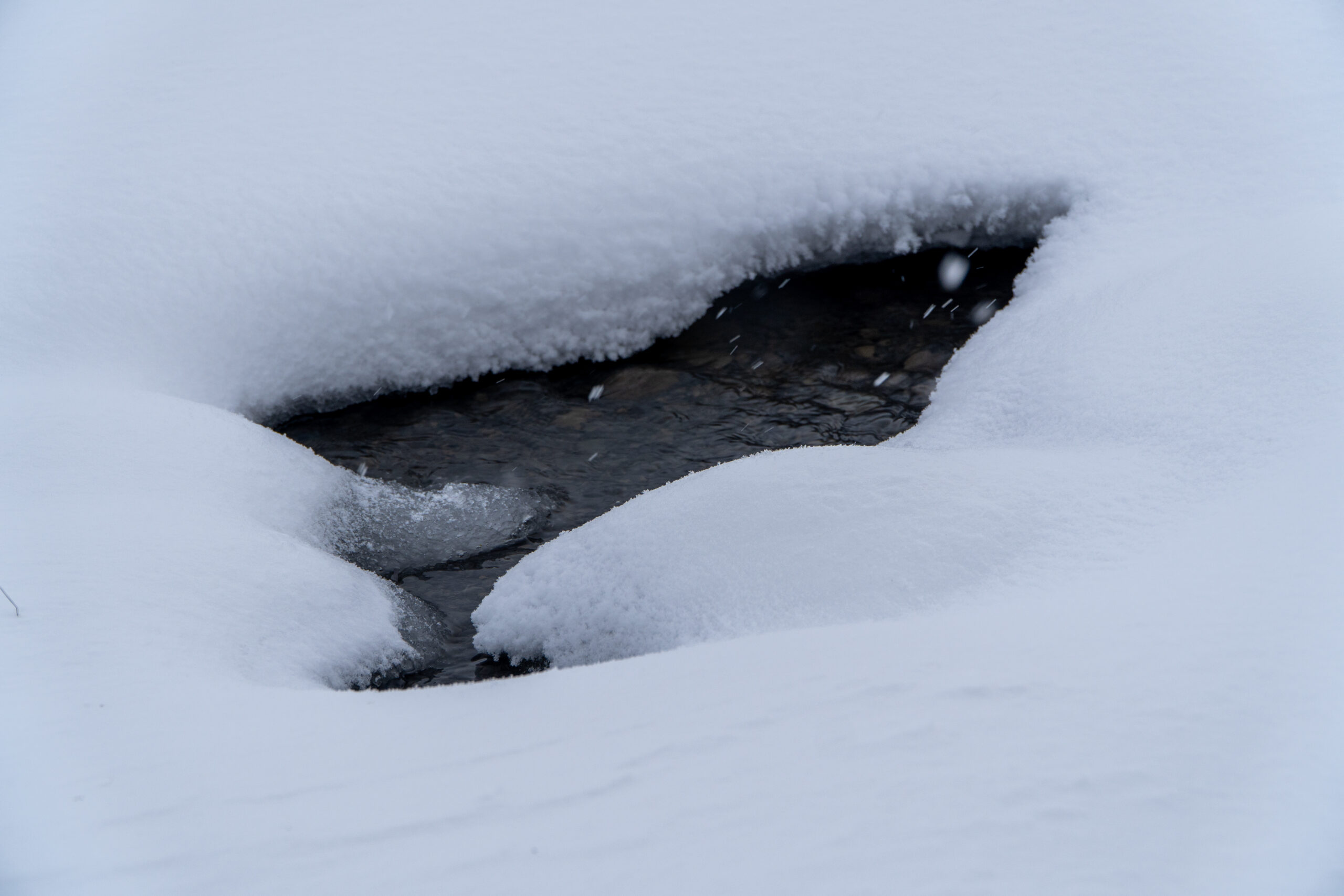
Here, glaciers are losing their volume at heady speeds. The active layer (ground that freezes and thaws) is getting deeper each year and is eating into the permafrost, releasing all sorts of metals and minerals. New spring water channels are emerging in the hills and running all year round, even in the depths of winter.  

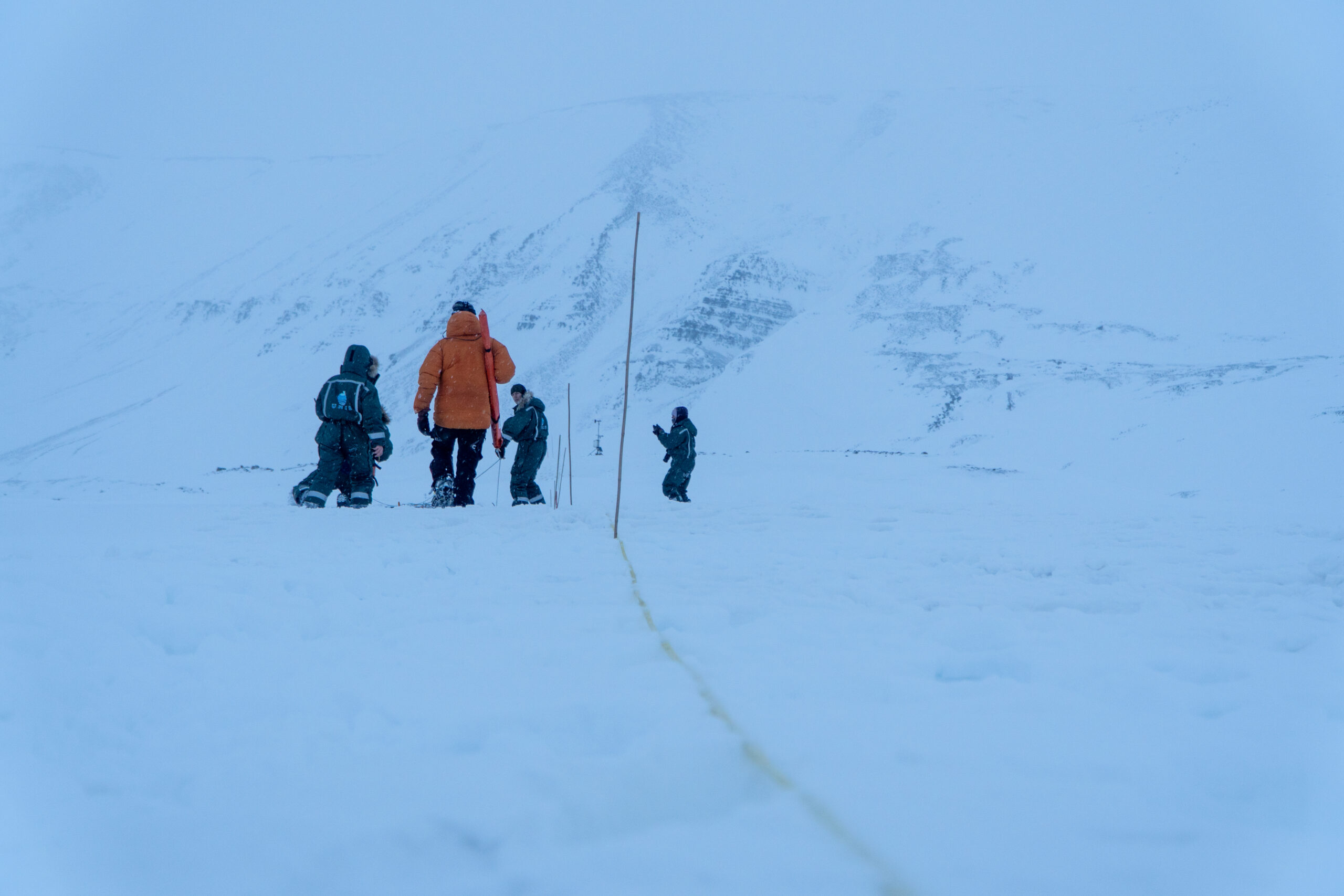
On the glacial forefields of Svalbard, a hardy team of scientists from the University Centre in Svalbard is probing and scanning the ground to monitor these new interactions, which influence change on local ecosystems and pose a challenge to local drinking water supplies. 

REVOLVE traveled to the archipelago in late February to catch up with the work being done as part of the CryoSCOPE project.
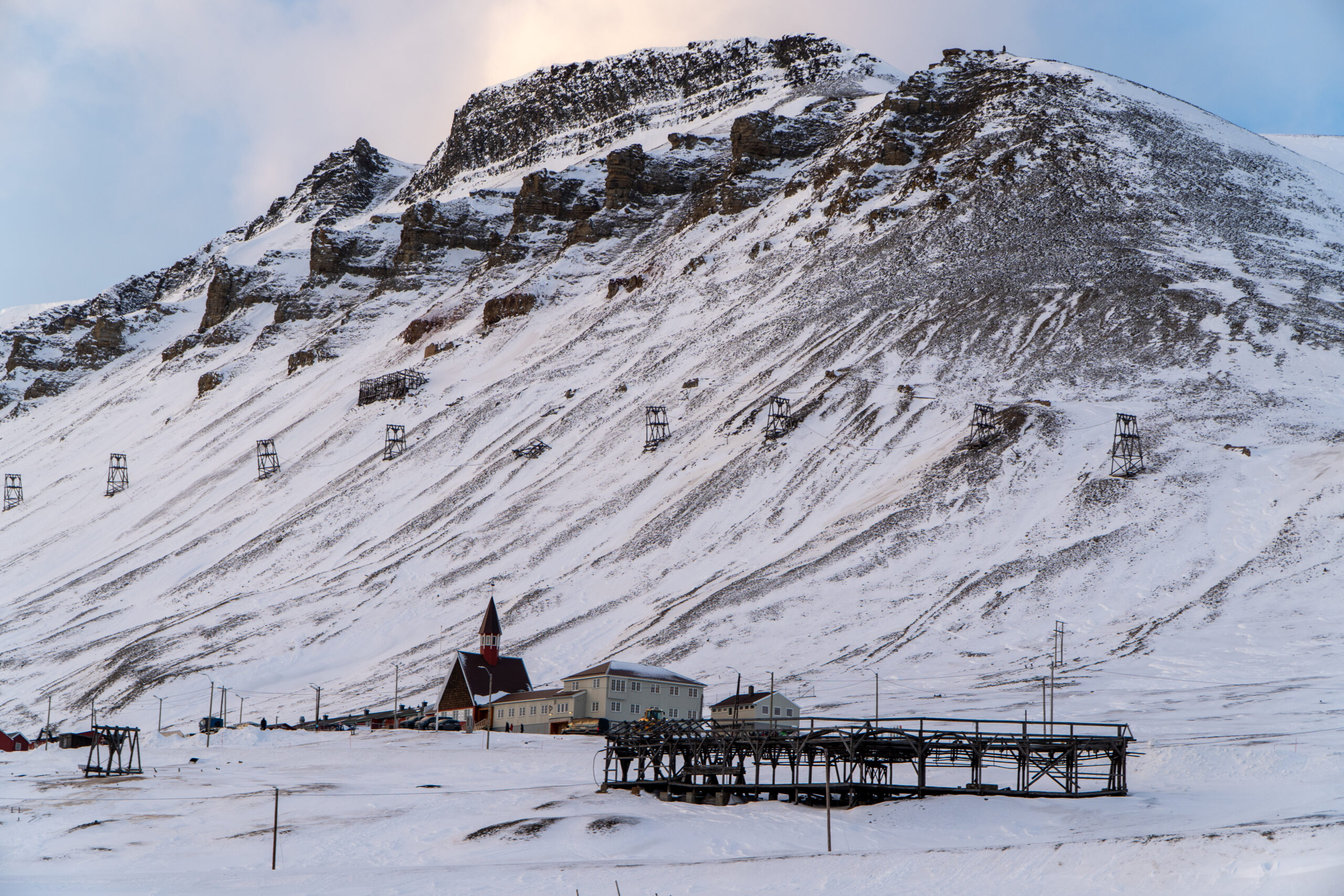
 

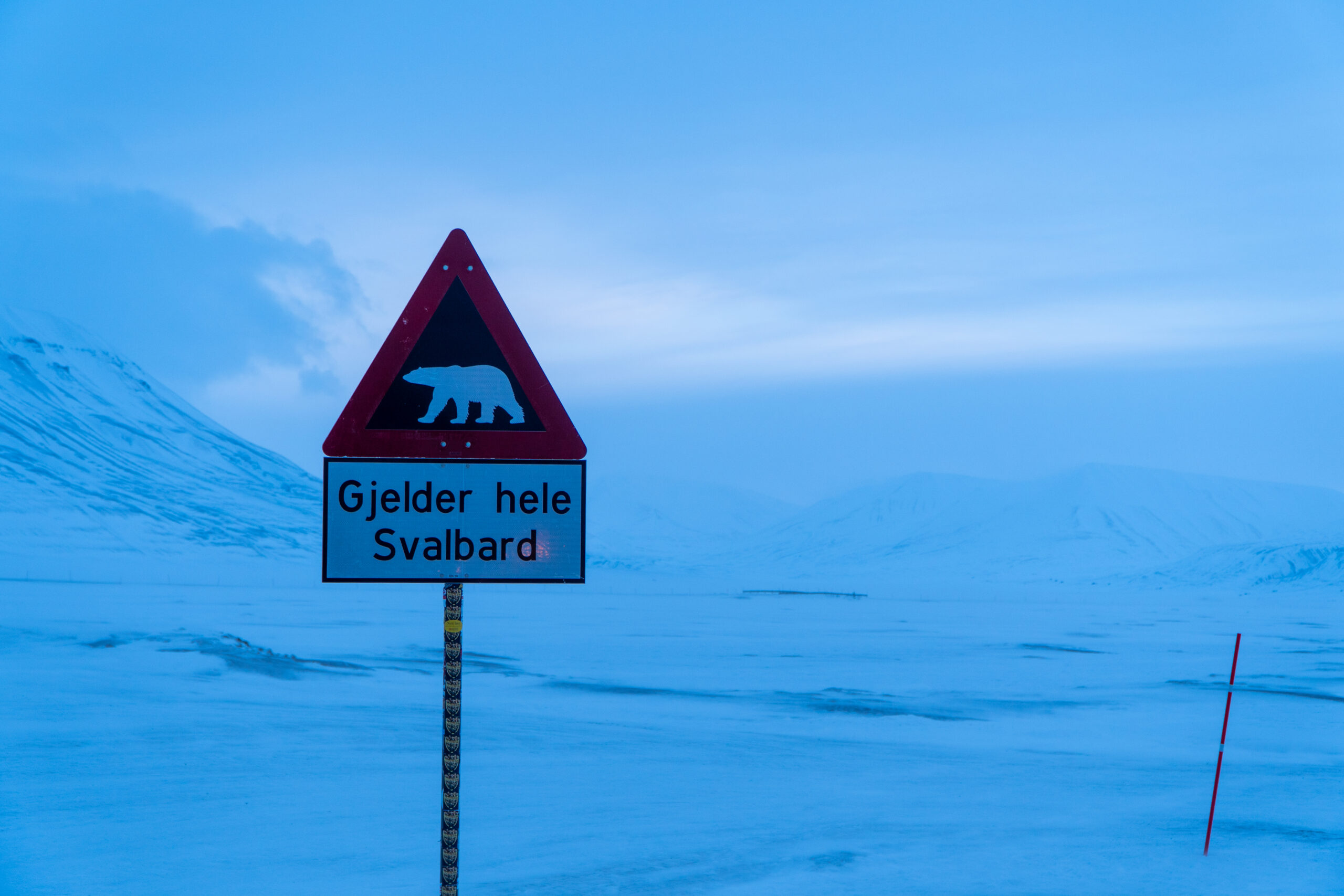
Longyearbyen is the northernmost permanent civilian town in the world, located at 78°N.
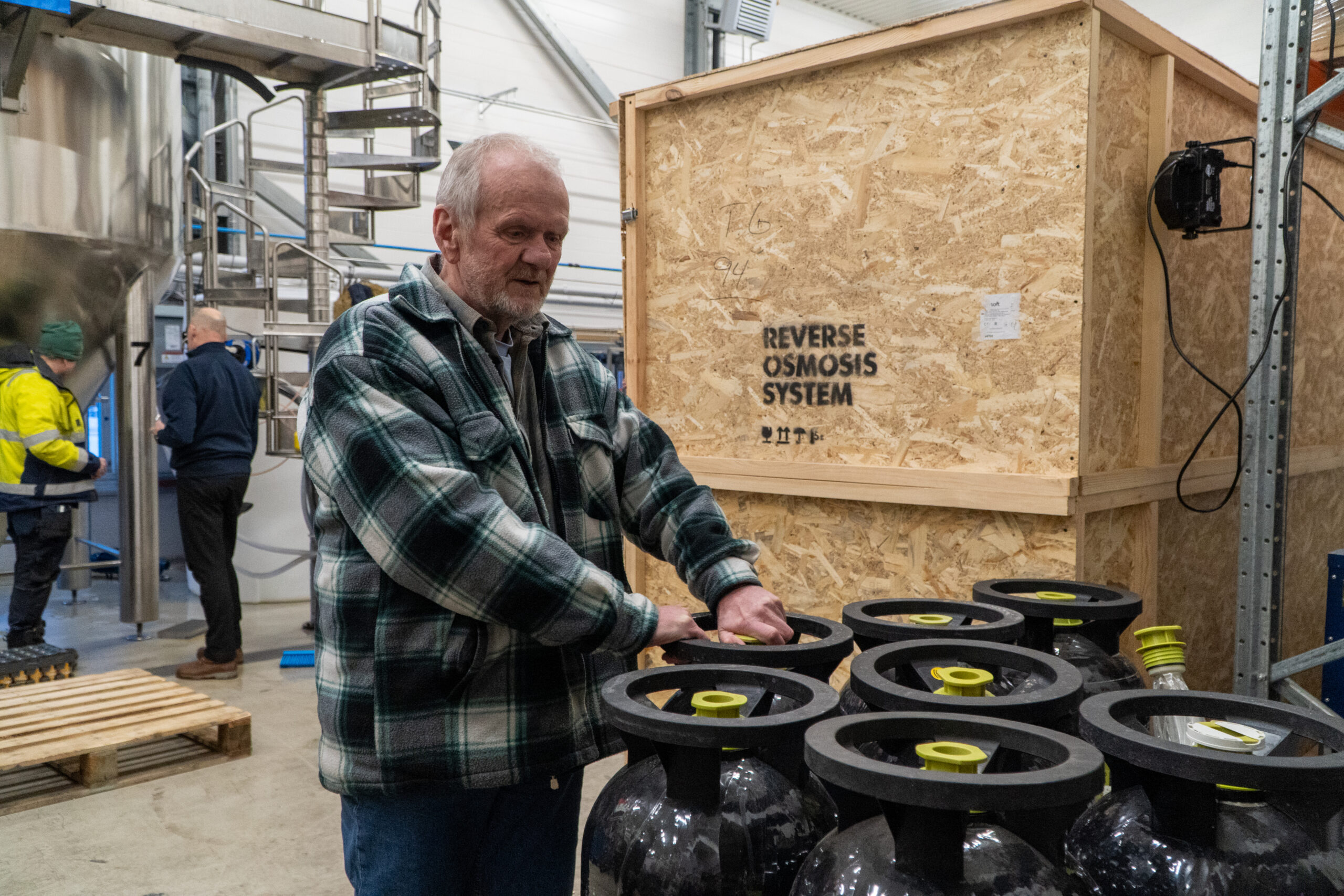
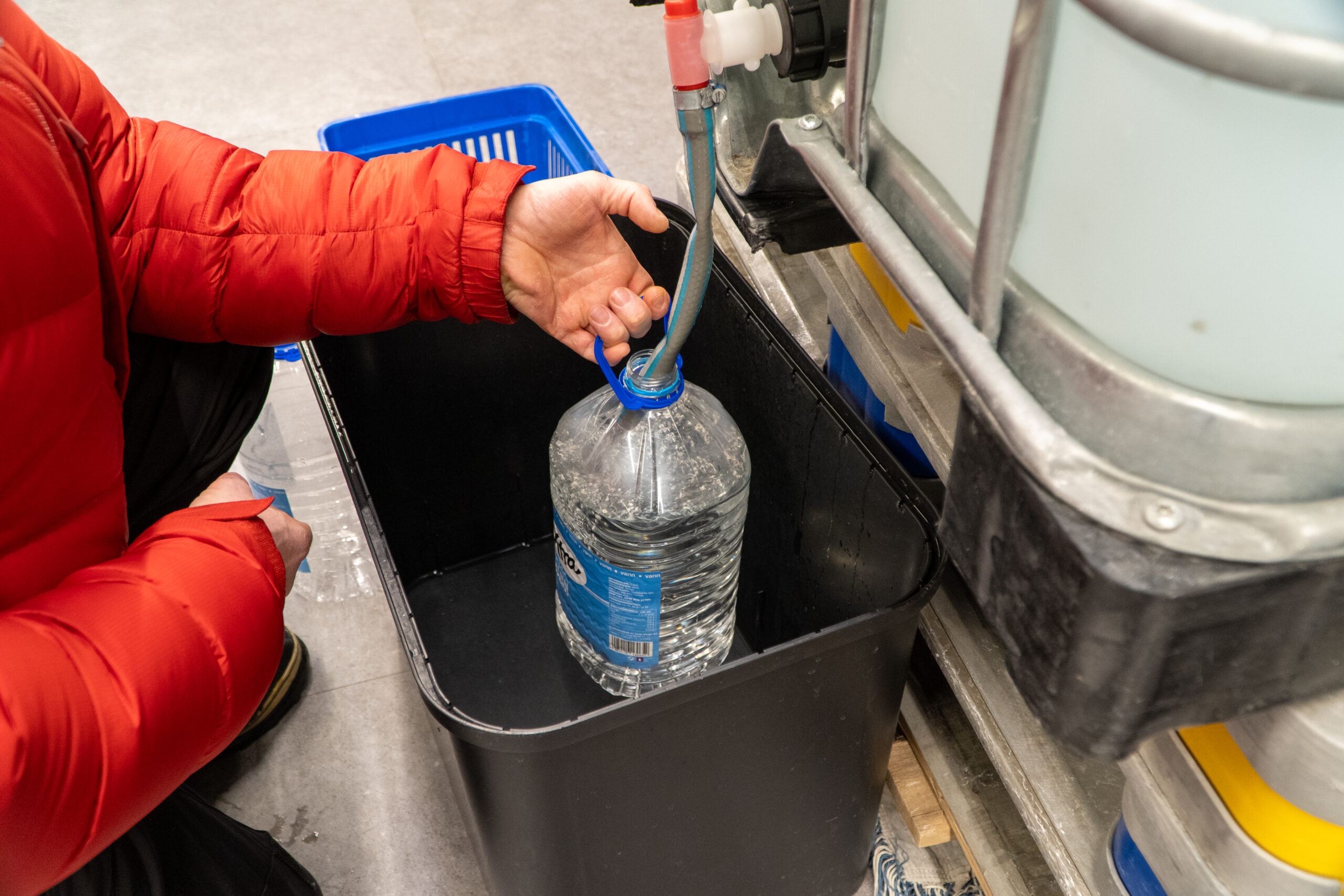
Since September 2025, all residents of the town have been advised against drinking tap water, due to high levels of manganese, which is increasing due to permafrost thaw.
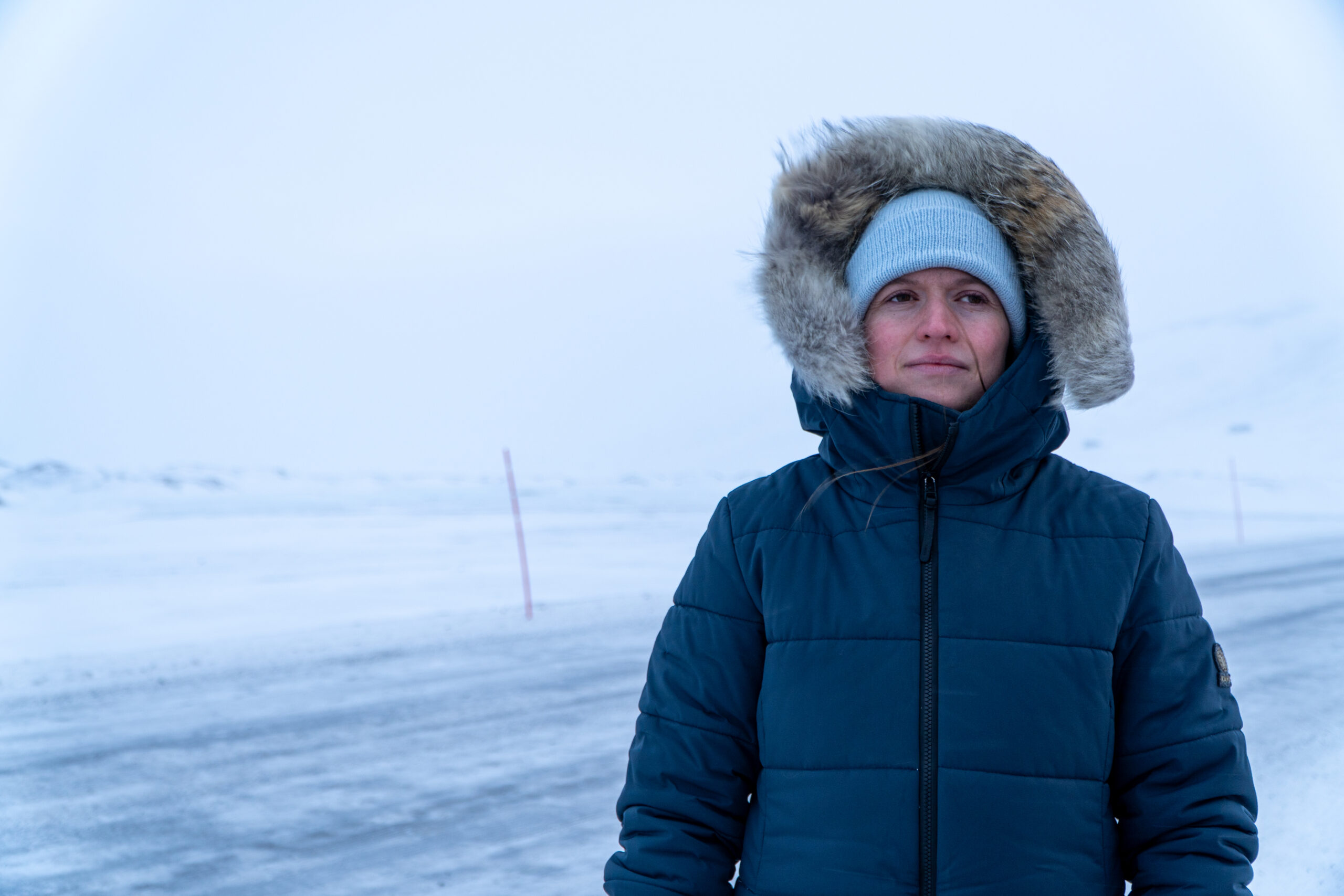
The local brewery, run by Robert Johansen (pictured), is providing purified water to Longyearbyen’s main supermarket, plus some of its bars and restaurants.
The drinking water saga is symbolic of wider climate change afoot in Svalbard.
Shrinking glaciers, thawing permafrost, and disappearing sea ice are tangible indicators of warming.
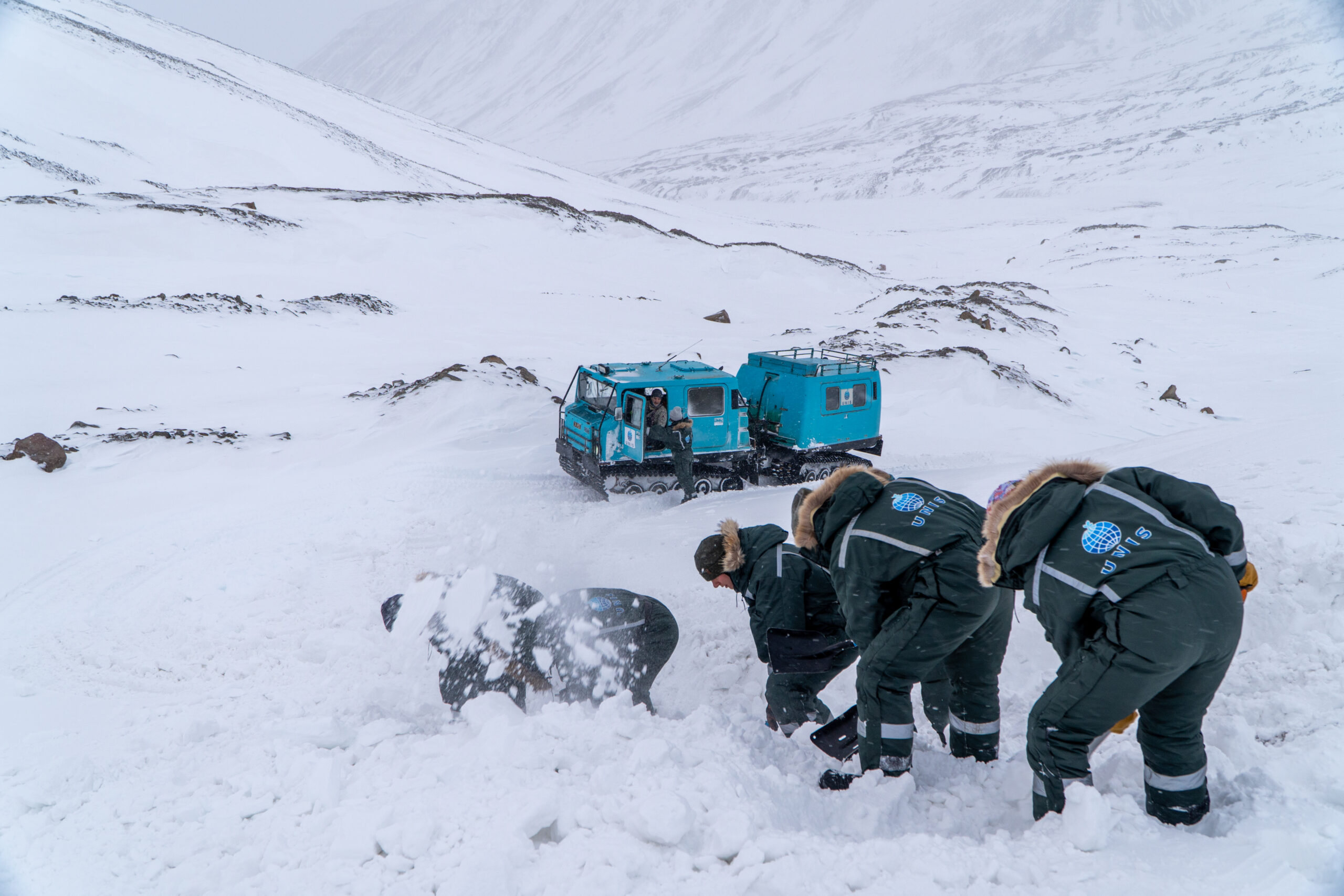
Among the many researchers active on Svalbard is a team from the University Centre in Svalbard that is collaborating with the CyroSCOPE project, an EU-funded initiative with Indian and Swiss involvement.
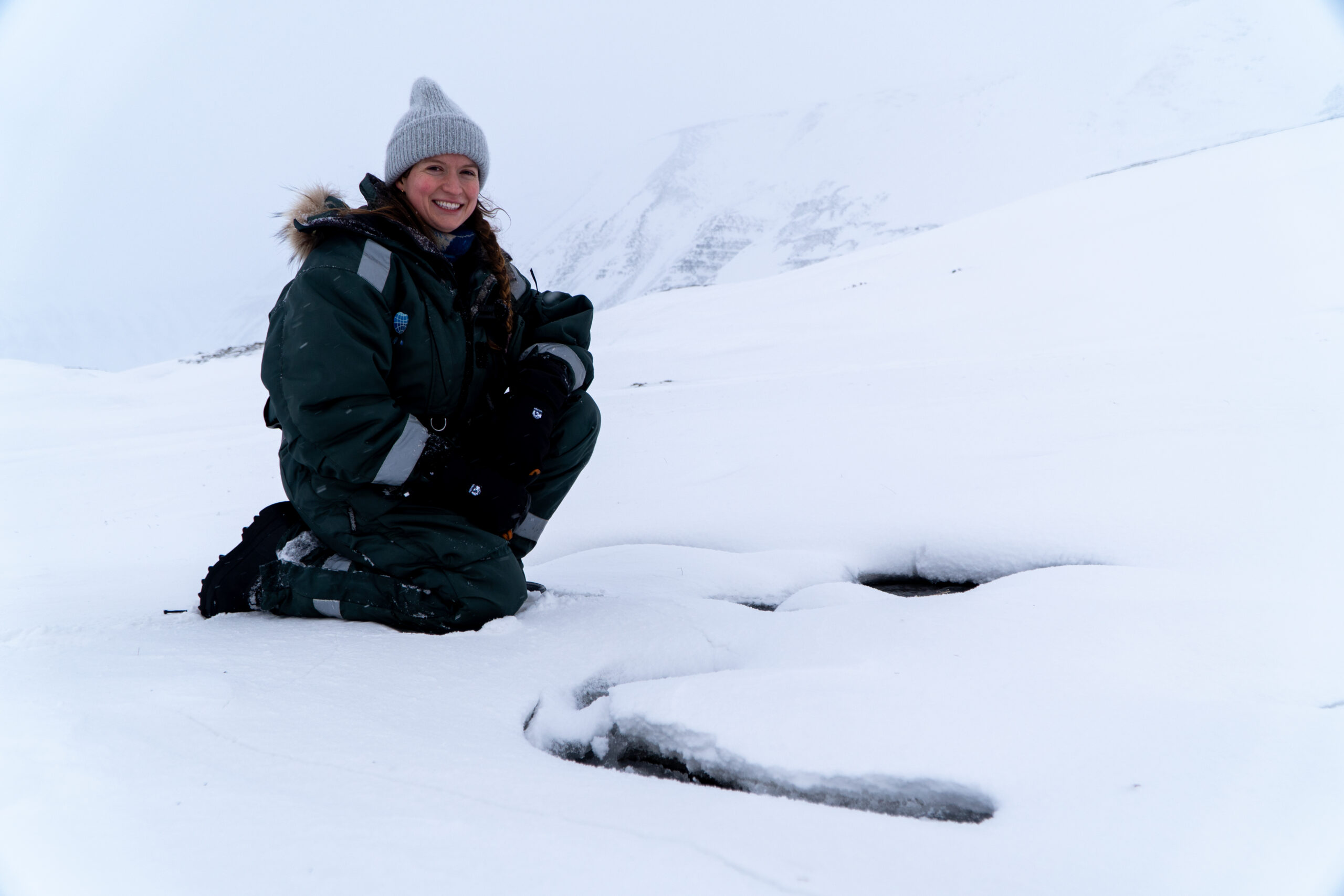
Post-doctoral researcher Marjolaine Verret is a permafrost expert who is paying particular attention to how permafrost is (or isn’t) forming in ground newly exposed by retreating glaciers.
Professor Andrew Hodson is tuned into the changes underway in Svalbard’s glaciers, which cover 57% of the archipelago.
At a field site in the shadow of the Scott Turnerbreen Glacier, they found that permafrost formation does not always keep up with glacial retreat, creating a gap in the cryospheric cap.
This allows ground water to punch through what would normally be impermeable ice. Once this water has established a pathway, permafrost formation is even more difficult.
The team have instruments the site with a weather station and boreholes to monitor below-ground temperatures at different depths. Electromagnetic and geophysical scans are also conducted.
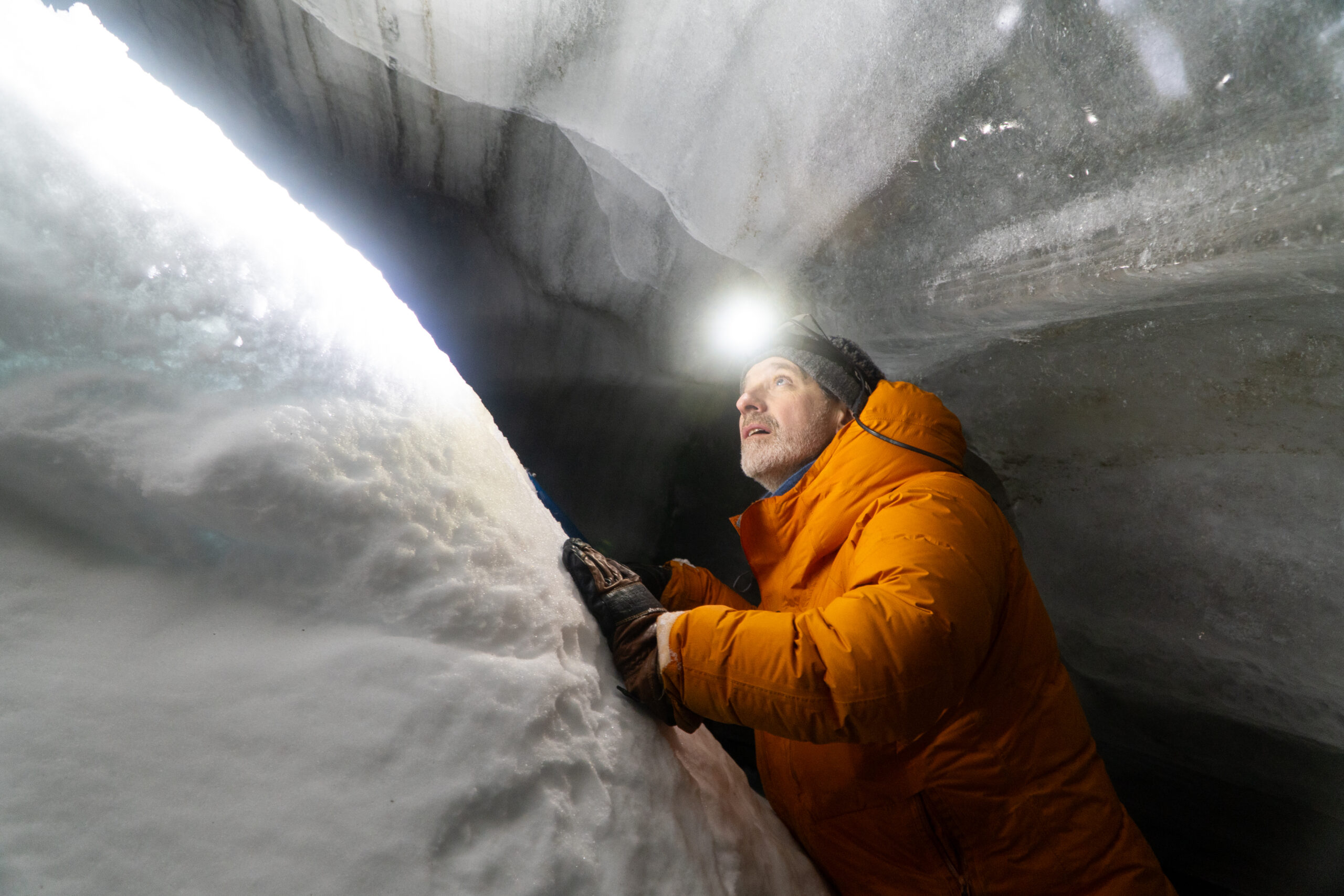
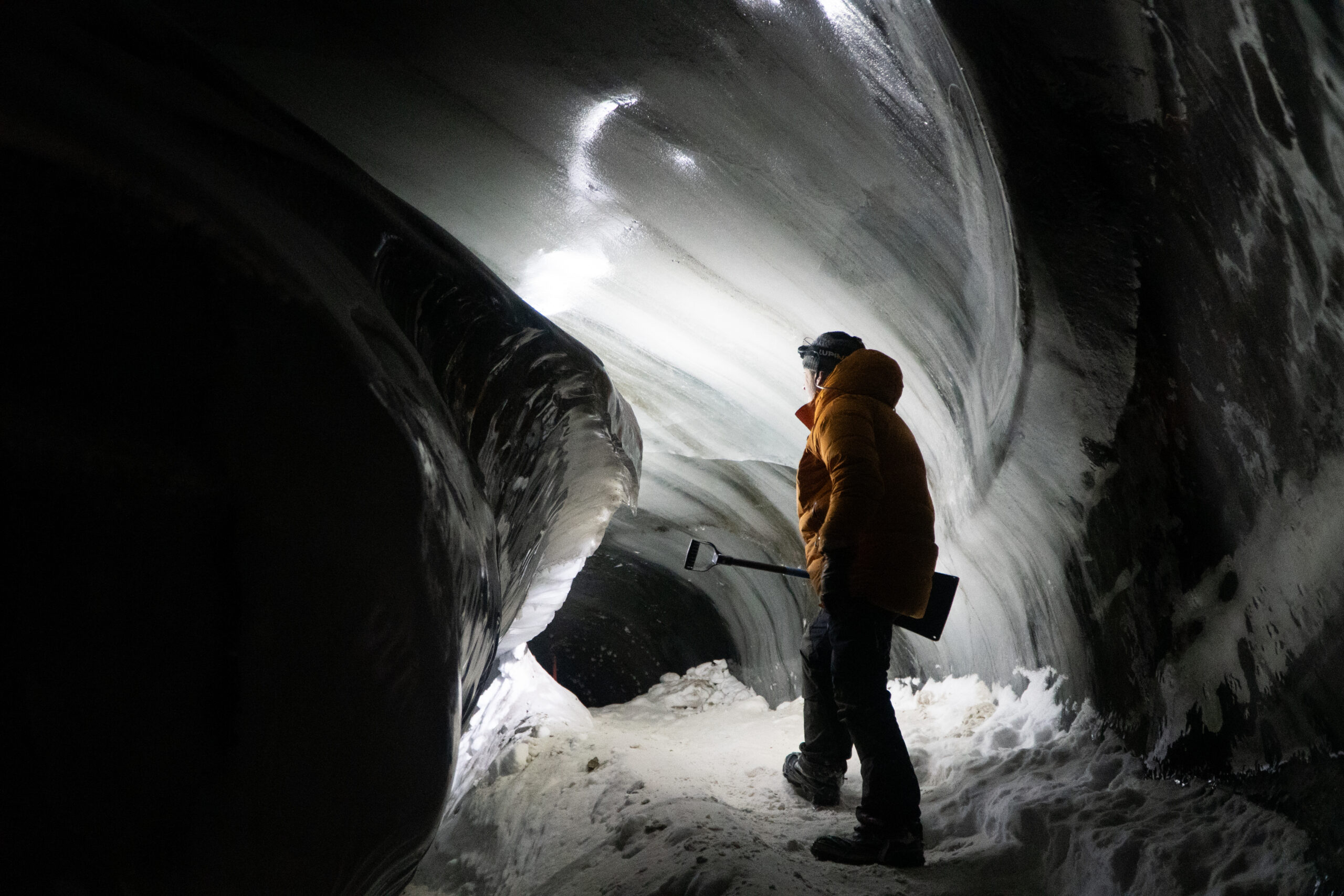
Inside the Scott Turnerbreen Glacier, meltwater channels are getting larger each year as more ice melts.
The team’s findings contribute a water quality angle to the CryoSCOPE project, which has case studies across the globe.
 
The implications of Arctic climate change ripple far beyond the region.