Scaling Sustainable Fuels in Europe Amid Geopolitical Volatility
Photo: Nik Oak / PEXELS
Photo: Nik Oak / PEXELS
Driven by the geopolitical volatility of the Iran War and years of industrial scaling, fuel price fluctuations signal a turning point for the European energy market. For the first time in history, in April 2026, biofuels were priced below fossil fuel diesel, market specialists Argus Media reported.
Yet, despite this competitive advantage, the sector faces a paradox of investor hesitation, fragmented policies, and a reliance on imported feedstocks that threatens the EU’s fuel sovereignty and ambitious 2030 and 2050 climate targets.
Ahead of the FUELPHORIA Policy Event at the European Biomass Conference & Exhibition (EUBCE), Leonidas Kanonis, Director for Communications and Analysis at the European Waste-based & Advanced Biofuels Association (EWABA), provided his analysis on the state of the renewable fuels sector in Europe.
He discussed the critical role of advanced biofuels and renewable fuels of non-biological origin (RFNBOs) in decarbonising hard-to-abate sectors, the challenges of the 2026 fuel crisis, and the urgent measures needed to transform Europe’s waste resources into a robust, circular, and sovereign fuel-independent future.
Do the current EU laws (like ReFuelEU Aviation and FuelEU Maritime) set realistic targets for sustainable fuel use by 2030, or are the goals too ambitious given the current speed of industrial deployment?
The ReFuelEU regulation has been an ambitious regulation from the outset since it requires fuel suppliers to ensure that at least 2% of standard jet fuel is composed of Sustainable Aviation Fuel as of 2025, rising to 6% SAF by 2030. The expected curve of adoption rises exponentially thereafter, creating a danger of putting too much pressure on already limited Hydroprocessed Esters and Fatty Acids feedstocks – over 90% of SAFs are produced by HEFA. Alternative technologies have not been progressing as fast as they should be, and the EU has not promoted such technologies accordingly. Combined higher airline ticket prices due to SAFs and geopolitical instability from the Iran War means the outlook for airlines and their customers is increasingly precarious.
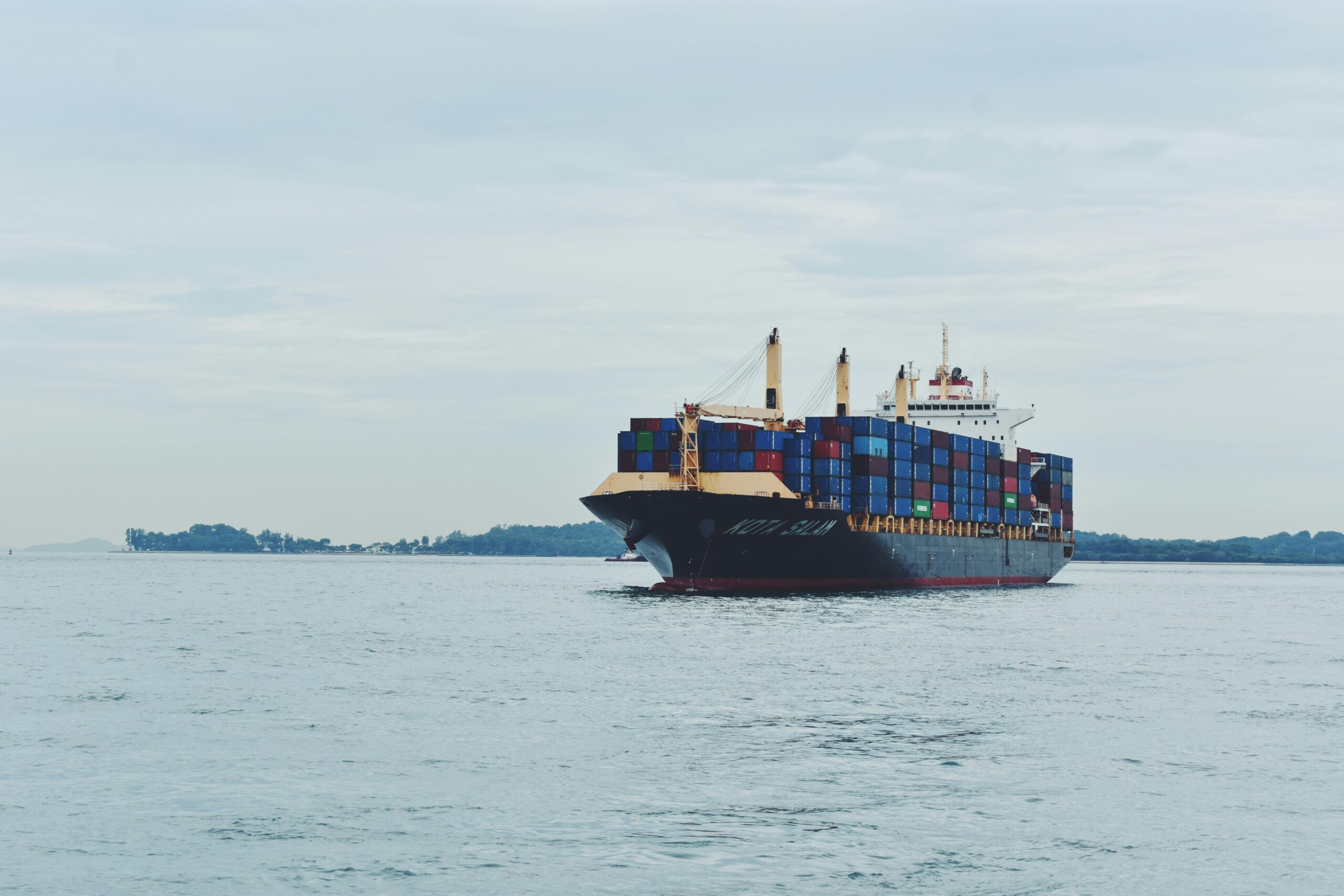
The FuelEU Maritime regulation sets relatively modest targets: a 2% Greenhouse Gas reduction for 2025 and 6% GHG intensity reduction in 2030. Crucially, unlike aviation’s ReFuelEU mandate, these targets are not dictated by a fixed blending requirement. Therefore, shipping operators and owners implement a wide range of strategies – such as refuelling outside European waters or speed optimisation to reduce consumption – to comply with emissions reduction targets. Effective decarbonisation in maritime requires stricter mechanisms that incentivise actual renewable fuel adoption rather than allowing compliance through loopholes or operational tweaks.
Why are advanced biofuels and RFNBOs considered essential for the EU to reach its 2030 and 2050 climate goals, particularly for “hard-to-abate” sectors?
The only way for Europe to meet its climate goals is to immediately deploy renewable fuels in hard-to-abate sectors such as road transport, aviation, and maritime shipping. Although maritime and aviation emit just under 10% of global GHG emissions, this represents a significant challenge due to limited decarbonisation options.
As mentioned above, to fulfil its ReFuelEU mandate, aviation in Europe has become over-reliant on SAFs developed from HEFA. This dominance has come at the expense of promoting nascent, scalable technologies like e-fuels, Fischer-Tropsch, and alcohol-to-jet solutions. To achieve decarbonisation, the aviation sector must urgently diversify its fuel mix beyond HEFA-based SAFs.
Despite what global shipping container companies advertise, green methanol and ammonia – renewable fuels derived from green hydrogen – are not yet universally available in global ports. Waste-based and advanced biofuels are the only existing solution that can decarbonise vessels today without the need to modify the engine or the fuel infrastructure. RFNBOs are a promising option for the shipping sector and at FUELPHORIA we are exploring the potential of such fuels.
For road transport, advanced biofuels offer an immediate “drop-in” solution, lowering emissions from heavy-duty vehicles (HDVs) transporting essential EU goods without requiring infrastructure changes. RFNBOs can offer another solution in the medium term for reducing road transport GHG emissions.
How has the 2026 fuel crisis impacted the development of renewable fuels in Europe? Has it accelerated the push for energy independence, or has it forced companies to delay projects due to soaring energy and construction costs?
Unfortunately, we are seeing hesitation of companies to invest in projects because of the soaring energy and construction prices, which is creating uncertainty for investors. A major blow to the sector came in 2025 when BP and Shell cancelled their plans to invest in HVO (Hydrotreated Vegetable Oil) and SAF facilities in the Netherlands. The decision was due to low renewable fuel prices at the time, which would not have led to a profitable investment. Next to that, new HEFA-SAF projects are questionable due to resource conflict for feedstock with other transport sectors. The EU must act and support renewable fuels produced in Europe, strengthening regional supply chains, acknowledging our energy and fuel dependence on sources outside the continent, and securing a more robust investment environment.
What are the main challenges in developing and expanding advanced biofuel and RFNBO production plants in Europe, and do existing policies adequately create an enabling environment?
The main challenge is investment certainty. Building advanced biofuel and RFNBO plants requires high upfront capital costs, long permitting procedures, access to renewable electricity and hydrogen, and long-term visibility on policy support. At the same time, investors face uncertainty regarding future feedstock availability, fluctuating energy prices, and constantly changing regulatory requirements.
Additionally, Europe lacks the necessary infrastructure and industrial integration to support these technologies at scale. RFNBO production, in particular, is held back by a shortage of renewable electricity and electrolyser capacity, while advanced biofuel projects struggle to secure sustainable feedstocks at stable prices.
Another critical challenge is policy. Current EU policies provide important market signals through regulations like ReFuelEU Aviation and FuelEU Maritime, but the overall framework remains too complex and fragmented. Europe needs a more stable and technology-neutral approach that supports innovation beyond already mature technologies and creates investor confidence that projects developed today will remain competitive and supported in the long term.
One of the major issues for the sector is feedstock supply. What are the most significant bottlenecks you’ve identified regarding the availability of sustainable biomass for advanced biofuels in Europe?
Feedstock is indeed scarce, forcing production to rely heavily on biomass imports from outside of Europe for feedstocks like Used Cooking Oil, with the deficit made up through imports from China, Indonesia, and Malaysia. This dependency creates significant fragility in an already volatile market.
A critical failure in European feedstock supply lies in the European Commission’s lack of resources dedicated to analysing the EU market’s actual biomass collection potential. The lack of reliable data prevents the market from operating credibly. Investors cannot assess availability, risks or the viability of specific fuels without accurate information. Studies that are published on feedstock availability are not coherent with a specific framework or methodology. They present conflicting figures that distort the picture for actual availability and collectability.

How should policymakers address the competition for feedstocks between different sectors (for example, renewable energy demand, mobility sector competition, heavy industry) to ensure an efficient and fair distribution of resources?
An often-overlooked element of regulations is impact assessment. Impact assessments are evidence-based reports that the European Commission publishes before proposing new laws or regulations. These assessments are instrumental as they can allow an industry to flourish but, on the other hand, they can lead to signals that confuse investors and create unnecessary competition between sectors. Europe is already deficient in renewable fuel production. To ensure European policy is having the intended effect, we need these assessments to be thorough, grounded in accurate market data and developed with industry input.
What are the biggest barriers in getting everyone across the value chain – from waste collectors and fuel producers to end consumers – to work together effectively to create circular value chains?
The biggest barrier is policy. Since the advanced biofuel and RFNBO sectors exist primarily due to regulatory mandates, complex policies create uncertainty across the entire value chain. For example, biofuels are as of April 2026, for the first time ever, priced below diesel due to the conflict in Iran. In a free market, this price advantage should lead to an uptake in demand for biofuels. However, regulatory caps and restrictions prevent further scaling, blocking the uptake of this cleaner, cheaper fuel.
In addition, fragmentation within the European Commission – particularly between aviation and maritime units – forces these sectors to compete for the same limited feedstock pools to meet their targets. A holistic policy approach is needed to align objectives and allow the market to respond to price signals.
Drawing from the pilot demonstrations within FUELPHORIA, what are the most critical ‘lessons learned’ regarding the social, technical, or economic barriers to scaling up?
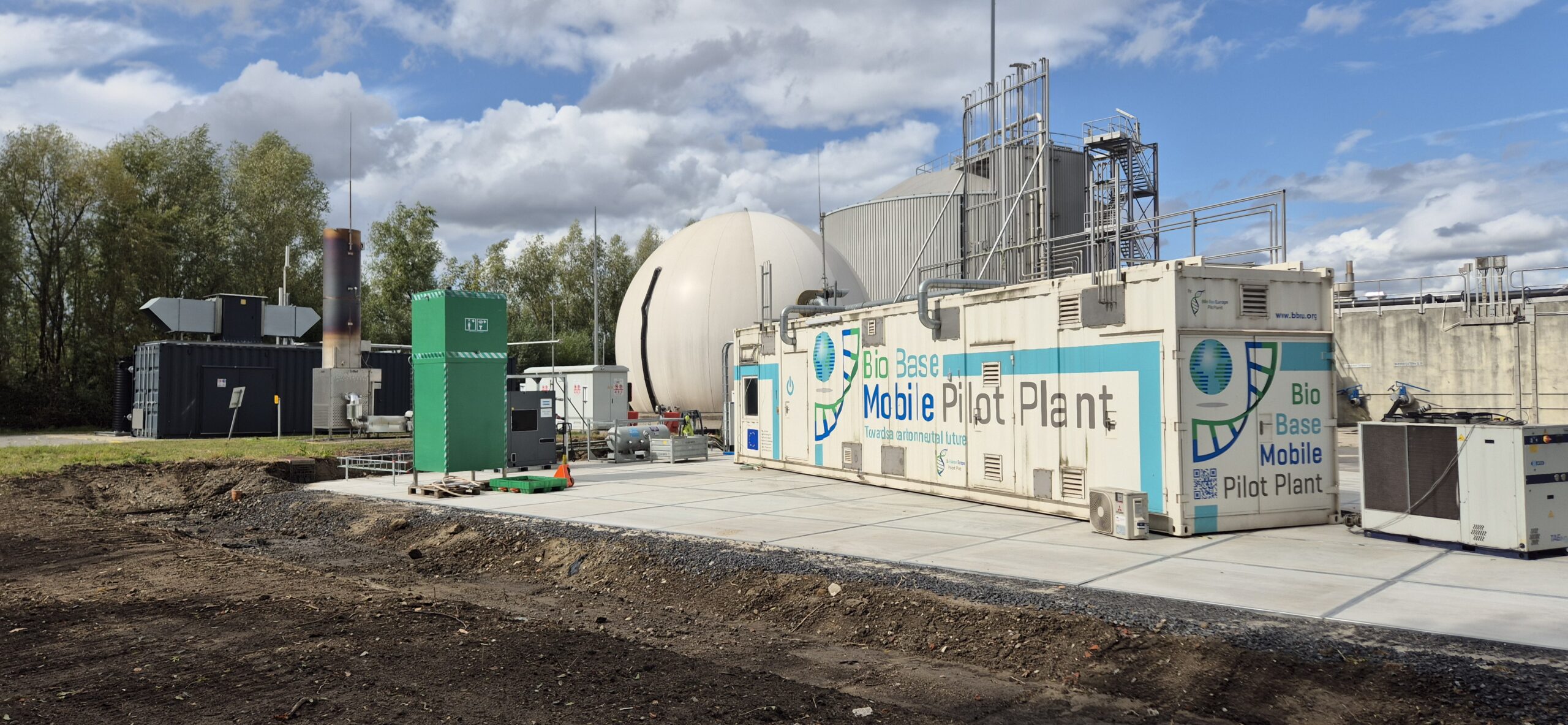
One key lesson is that scaling up renewable fuel technologies is not only a technical challenge but also an economic and societal one. We have demonstrated in FUELPHORIA that promising technologies for RFNBOs already work at pilot scale, but moving from demonstration to commercial deployment remains extremely difficult because financing conditions remain uncertain and operational costs remain high.
Another important lesson is that cooperation across the value chain is essential. Fuel producers, technology providers, ports, airports, industrial users, and policymakers all need to move in the same direction. If one part of the chain is not ready, deployment is significantly delayed.
From a societal perspective, communication and public understanding also matter. Citizens and stakeholders need to better understand why these fuels are necessary for hard-to-abate sectors where direct electrification is not feasible. Without broader public acceptance and clear policy communication, scaling up becomes even more difficult.
Beyond the challenges, what specific opportunities do you see for European industries to become global leaders in producing advanced biofuels and RFNBOs?
Europe already has strong industrial expertise, advanced research institutions, and ambitious climate legislation that can position it as a global leader in renewable fuels. European companies are among the pioneers in advanced conversion technologies, engineering solutions, and sustainability certification systems.
There is also a major opportunity to strengthen Europe’s strategic autonomy by producing more renewable fuels domestically and reducing dependence on imported fossil fuels. Developing regional supply chains around waste-based feedstocks, renewable hydrogen and e-fuels could create thousands of industrial jobs and support economic growth across rural and industrial regions alike.
If Europe manages to scale up these technologies successfully, it can also export knowledge, standards and technologies globally. We have already seen this happen with Europe taking the lead in renewable electricity technology.
What is the single most impactful measure the European Commission could take in the next 12 months to accelerate the transition from pilot projects to full commercial deployment?
The most impactful measure would be to provide long-term regulatory and investment certainty. Industries are ready to invest billions into commercial plants but only if they know that the policy framework will remain stable and provide support over the next 10 to 15 years.
This means simplifying regulations, reducing administrative complexity, accelerating permitting procedures, and creating stronger financial support mechanisms for first-of-a-kind commercial facilities. Europe must move beyond targets alone and actively de-risk investments for innovative technologies that are still struggling to compete with fossil fuels or already mature renewable fuel pathways.
A clear and stable framework would immediately improve investor confidence and accelerate the transition from pilot demonstrations to industrial-scale deployment across Europe.
What does sustainable success look like for Europe fuels by 2030?
Energy and fuel independence should be a key priority for Europe moving forward. In a very unstable global environment, Europe needs to be a sovereign bloc of countries that can sustain itself, its ambition, its targets and which, in times of war or shock, can provide a safe and stable environment for its citizens.
Domestically produced fuels will be needed as much as ever and strengthening these supply chains within Europe is critical. While global trade remains important, Europe’s lack of fossil fuel reserves and dependence on imported rare earths exposes it to significant risk.
Faced with this reality, Europe must strategically prioritise its existing resources, expertise, and competitive advantage. What better way to do that than with a robust, innovative, and circular domestic sustainable fuel industry? Europe can secure its energy independence while positioning itself as a global leader in green technology.