
Protecting Those Who Speak for the Planet
Photo: Estela Costas Guzmán / Climate Whistleblowers
Climate whistleblowers expose environmental wrongdoing; but often risk their careers, freedom and even their lives.
Gabriel Bourdon-Fattal, Co-Director of Climate Whistleblowers, and Maria Garriga Zamora, Project Officer, spoke with journalist Ahmetcan Uzlaşık about why environmental whistleblowers need dedicated protection, how their organisation investigates disclosures, and why exposing climate wrongdoing is becoming increasingly important in a world of growing corporate and political power.
Climate whistleblowing is still a relatively new concept. What exactly is it and why does it deserve its own organisation?
Gabriel Bourdon-Fattal: A whistleblower is someone who, usually through their work, witnesses wrongdoing and decides to reveal it in order to stop it. We realised that environmental and climate wrongdoing presents a very specific challenge because the interests involved are often extremely powerful. People exposing crimes against the environment are frequently taking enormous personal risks while acting in the public interest.
Climate Whistleblowers was created because these individuals deserve specialised protection and amplification. We want more people to feel able to come forward, but that will only happen if they know they won’t be left alone once they speak out.
How does someone actually become a climate whistleblower?
Maria Garriga Zamora: We operate through secure communication channels, including encrypted email and a confidential hotline. When someone contacts us, we first assess whether the disclosure falls within our mandate and whether there is sufficient evidence to support it.
If the case moves forward, we work closely with the whistleblower to build a strategy. Our role is not only to protect them legally and personally, but also to ensure that the information reaches the people who can act on it, whether that means journalists, regulators, law enforcement or civil society organisations.
Our role is not only to protect them legally and personally, but also to ensure that the information reaches the people who can act on it.
What kind of evidence is needed before a disclosure can move forward?
Maria Garriga Zamora: Credible evidence is essential. Whistleblowers usually have privileged access to information that the public cannot obtain, whether through documents, internal records or first-hand knowledge.
However, evidence does not always have to mean leaked documents. Sometimes direct testimony from someone who personally witnessed wrongdoing can be sufficient, provided it can be corroborated. We also advise whistleblowers very early in the process so they understand what information they can safely collect without putting themselves at additional legal or personal risk.
Once someone blows the whistle, what happens next? Do you mainly work with journalists?
Gabriel Bourdon-Fattal: Journalists are an important part of the process, but they are only one part. The purpose of whistleblowing is to make information reach whoever can create change.
Sometimes that means investigative media. Other times it means prosecutors, regulators, environmental authorities or advocacy organisations capable of launching campaigns or legal action. Every case is different, so together with the whistleblower we determine the most effective path to maximise impact while protecting the person involved.
Protection means much more than legal advice, doesn’t it?
Gabriel Bourdon-Fattal: Absolutely. Protection looks very different depending on the country and the risks involved.
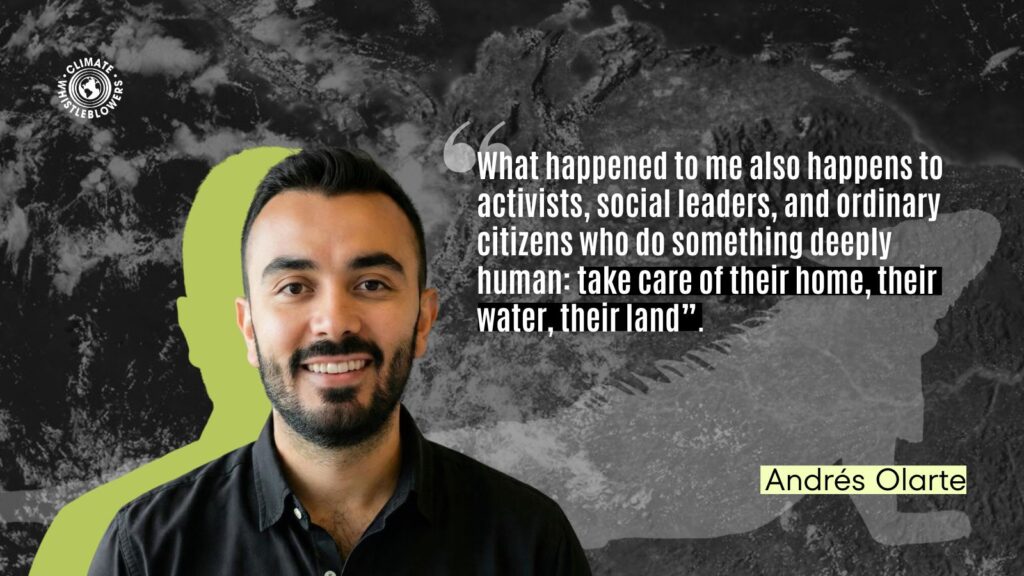
For some people, it means legal representation or psychological support after losing their job. Others may require financial assistance while rebuilding their lives. In the most dangerous contexts, particularly in parts of Africa or Latin America, protection can become a matter of physical security. We have worked with partners to relocate whistleblowers, provide temporary shelters and even help entire families escape situations where their lives were genuinely at risk.
Many people probably imagine climate whistleblowers mainly coming from oil companies. Has that been your experience?
Gabriel Bourdon-Fattal: Interestingly, no. We have learned that climate whistleblowing is much broader than we initially imagined.
Our whistleblowers have come from banks, public relations firms, factories, government institutions and many other sectors. Some are corporate employees, others are Indigenous leaders or community members witnessing environmental destruction. What unites them is not their profession but their decision to expose wrongdoing that harms people and the planet.
What unites them is not their profession but their decision to expose wrongdoing that harms people and the planet.
Does exposing wrongdoing actually lead to concrete change?
Maria Garriga Zamora: It certainly can, although media attention alone is rarely enough.
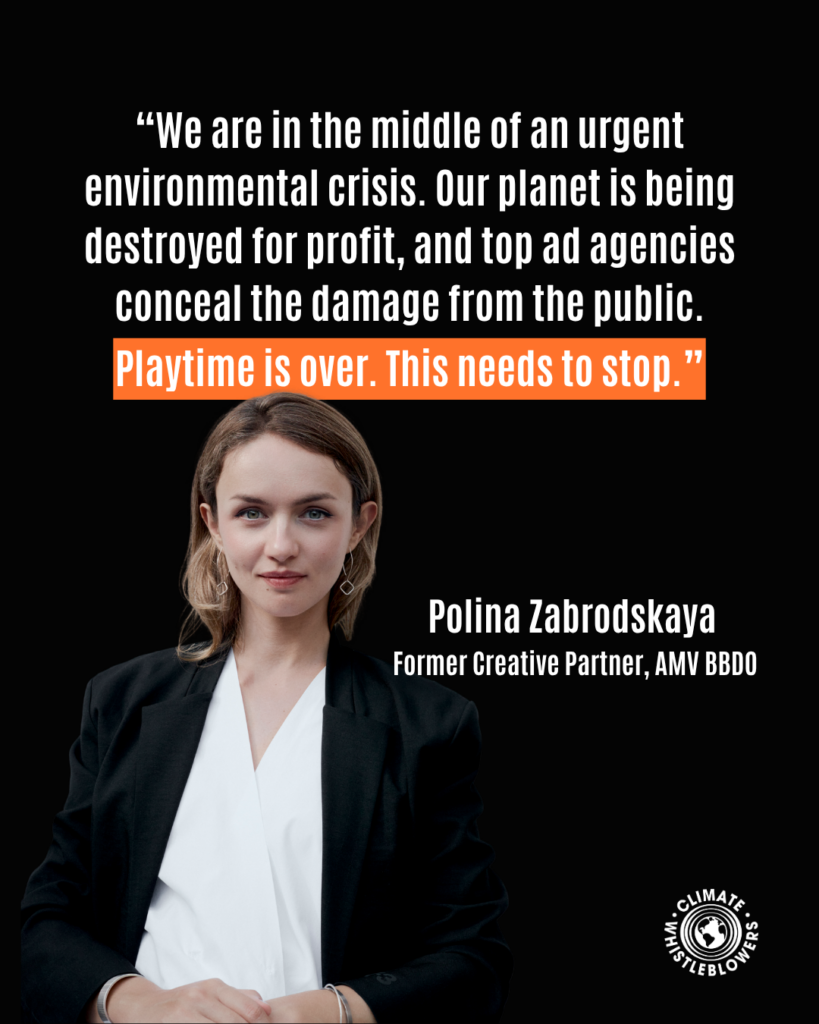
One recent case involved someone who revealed that a planned industrial facility would exceed legal emissions limits. After the disclosure became public, environmental authorities opened an investigation and suspended the facility’s licence until the problems were addressed. Cases like this demonstrate that whistleblowing can directly influence regulatory decisions when the evidence is strong and the right institutions become involved.
Many whistleblowers first try to raise concerns internally. Why do they eventually come to you?
Maria Garriga Zamora: That is actually what happens in the overwhelming majority of cases.
People usually want their employer to solve the problem internally. They report concerns through company procedures because they genuinely hope things can be fixed without going public. Only when they are ignored, silenced, or punished do they decide to disclose externally. Whistleblowers are rarely trying to destroy organisations; most simply want those organisations to live up to their own standards and obligations.
Has Europe become a safer place for whistleblowers?
Gabriel Bourdon-Fattal: There has certainly been progress. The EU Whistleblower Directive was a major milestone because it created a common legal framework across Member States.
However, passing legislation is only the beginning. These protections have to be implemented effectively and consistently. Authorities responsible for protecting whistleblowers must remain independent, and retaliation against those who speak out must carry real consequences. We also need stronger protection for people exposing environmental abuses committed outside Europe by companies operating within European markets.
What gives you hope after working on so many difficult cases?
Maria Garriga Zamora: Every person who decides to speak out makes it a little easier for the next one.
We often see a snowball effect: once one whistleblower comes forward in a particular country or sector, others realise they are not alone. That growing sense of collective courage is incredibly powerful. It reminds people that protecting the environment is not the responsibility of one exceptionally brave individual, it is something many citizens are willing to stand up for when they know they have support.