
Hydrogen is a Double-Edged Sword
Photo: Suzan Naz Uzel / REVOLVE
As Europe moves toward a climate-neutral future, hydrogen has emerged as both a symbol of promise and source of debate.
During European Hydrogen Week 2025, experts in the field gathered to discuss hydrogen’s potential in tackling climate change and reducing CO2 emissions. While the opening statements acknowledged some regulatory hurdles, they largely overlooked a crucial point: hydrogen must be produced, managed, and used responsibly to truly serve as a sustainable energy solution.
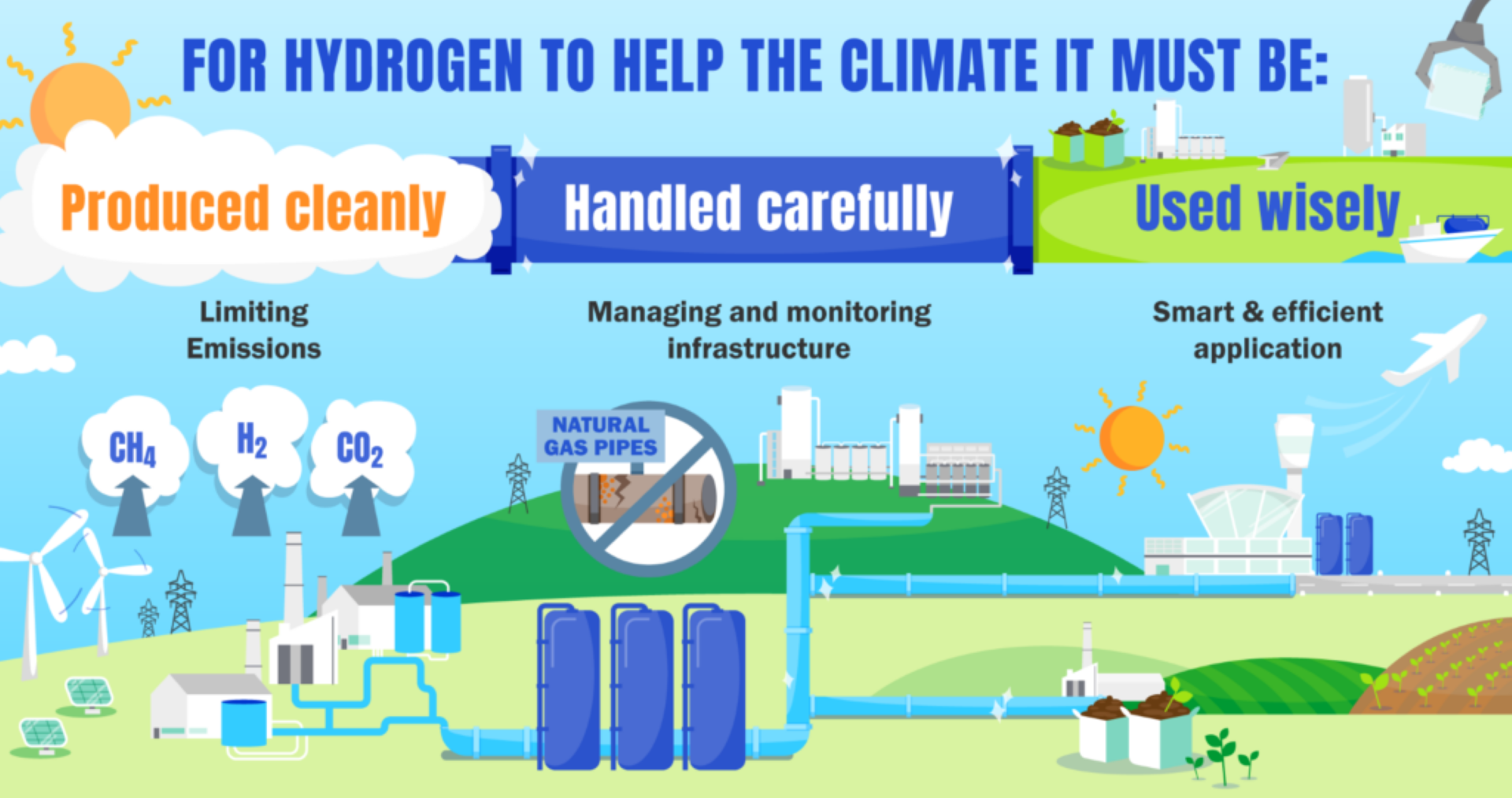
Not all hydrogen is created equal
Since the European Commission introduced its Hydrogen Strategy for a Climate Neutral Europe in 2020, hydrogen has risen to prominence as a potential clean energy source. However, not all hydrogen is created equally. There are four categories for hydrogen depending on its production method:
- Black and brown hydrogen: derived from coal and are the most environmentally harmful forms of hydrogen. During their production, both carbon dioxide and carbon monoxide are released into the atmosphere without being captured.
- Grey hydrogen: the most common type, produced from natural gas (methane) using a process known as steam reforming. While this method emits less carbon than other fossil-based approaches, it still produces significant greenhouse gases.
- Blue hydrogen: produced through the same steam reforming process as grey hydrogen. However, the key difference is that the carbon emissions are captured and stored underground using carbon capture and storage (CCS) technology. Blue hydrogen is sometimes described as “carbon neutral,” though a more accurate term might be “low carbon,” since about 10–20% of the carbon emissions typically remain uncaptured.
- Green hydrogen: also known as renewable hydrogen, produced by the electrolysis of water, using renewable electricity, emits no GHGs during production.
In 2021, the European Parliament emphasised that only green hydrogen can genuinely and sustainably support the EU’s target of climate neutrality by 2050.
Despite its potential, hydrogen currently represents only a small fraction of Europe’s energy mix. Major challenges persist in terms of cost competitiveness, large-scale production, infrastructure development, and safety perceptions.
The EU continues to grapple with its high dependence on fossil fuels, particularly oil and gas, and the energy sector remains one of the largest sources of GHG emissions within the union. To address this, EU policy makers are working to integrate hydrogen into a broader decarbonisation strategy.
Challenges for producer countries
At the 2025 European Hydrogen Week Conference, Oman’s Energy Minister, Salim bin Nasser bin Said Al Aufi, highlighted the regulatory and market challenges faced by hydrogen-producing countries working with the EU.
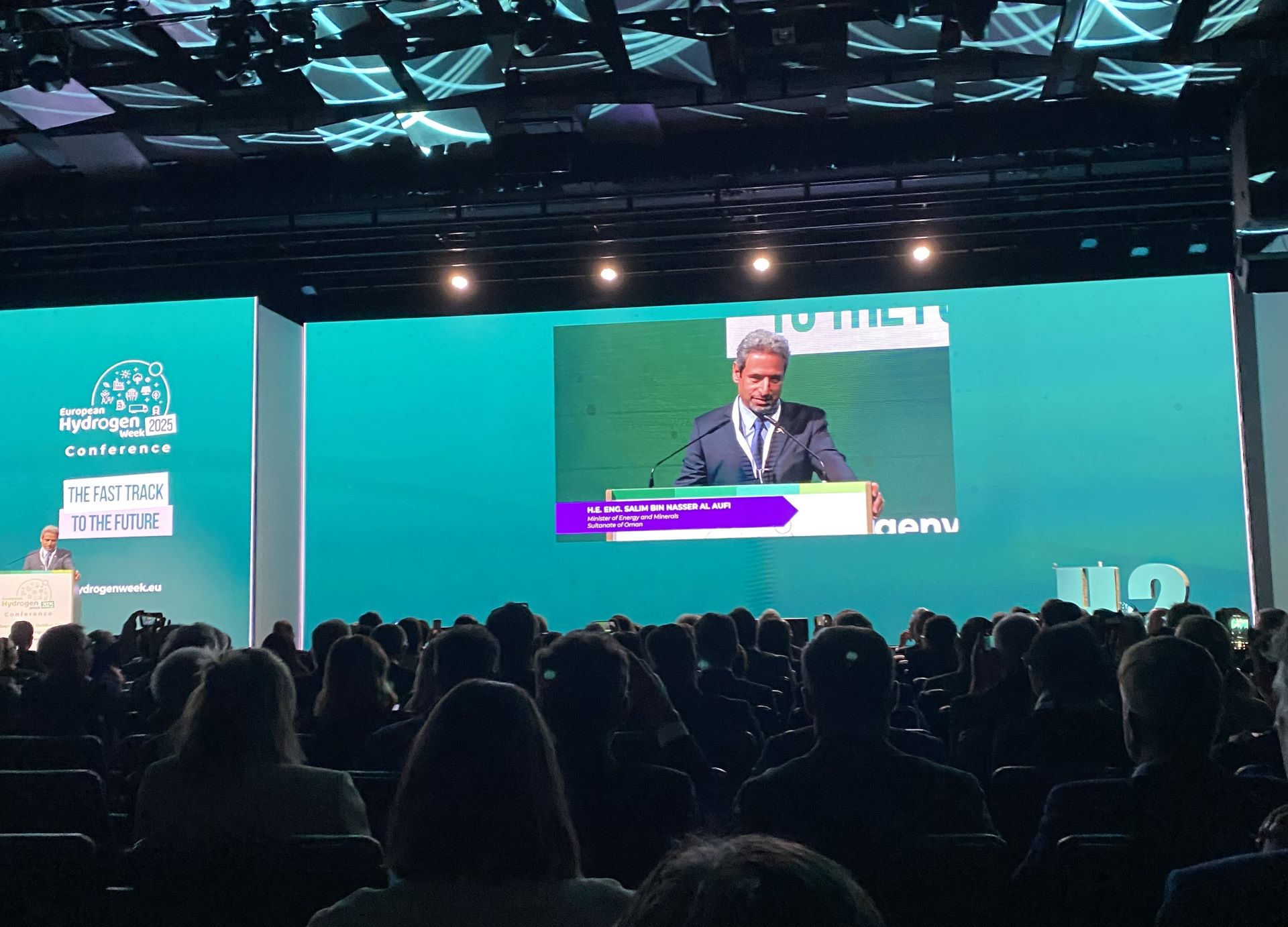
He stated the need for a single, stable standard for hydrogen classification as frequent changes in EU criteria create uncertainty for producers, as well as the importance of mandated minimum offtake requirements to guarantee predictable demand. The Minister also suggested a proposal for a single European hydrogen aggregator, which could simplify transactions by serving as an intermediary between producers and multiple buyers, reducing administrative and negotiation burdens.
The way forward
Hydrogen holds immense promise as a pillar of Europe’s green transition, but only if it is produced sustainably, deployed efficiently, and governed with clarity and consistency. Without coordinated standards and long-term policy stability, the EU risks turning this promising tool into a double-edged sword.