
Is Green India Missing the Point?
Photo: Kazuend / Unsplash
India is facing a forest crisis: existing forests are disappearing, while efforts to create new forest cover continue to fall short.
2%. That’s all the Green India Mission has achieved of its forest cover target in the last 10 years, leaving a staggering 98% unmet. This isn’t just a disappointing statistic; it is a warning about how India is approaching one of its most important climate and ecological challenges of our times.
The Green India Mission set out to increase green forest cover across India by 1.4 million hectares between 2015–16 and 2024–25, but according to a 2026 Comptroller and Auditor General (CAG) report, the Mission managed to increase only 0.03 million hectares. This is a failure of epic proportions, and its consequences extend beyond just forest floors.
The Green India Mission has only achieved 2% of its forest cover target in 10 years.
Forests are much more than green patches on a map. They help hold water, protect our soil, cool the land, store carbon, and support the people and wildlife that depend on them. When forests are cleared or degraded, we lose all of these benefits at once. Water runs off faster, soil washes away, biodiversity suffers, and communities become more vulnerable. As India faces harsher heat, unpredictable rainfall, floods and droughts, weakening these natural safeguards is a risk we simply cannot afford.
The Green India Mission’s failure is part of a bigger problem. While we are struggling to create new forest cover, we are also continuing to clear and divert the forests we already have.
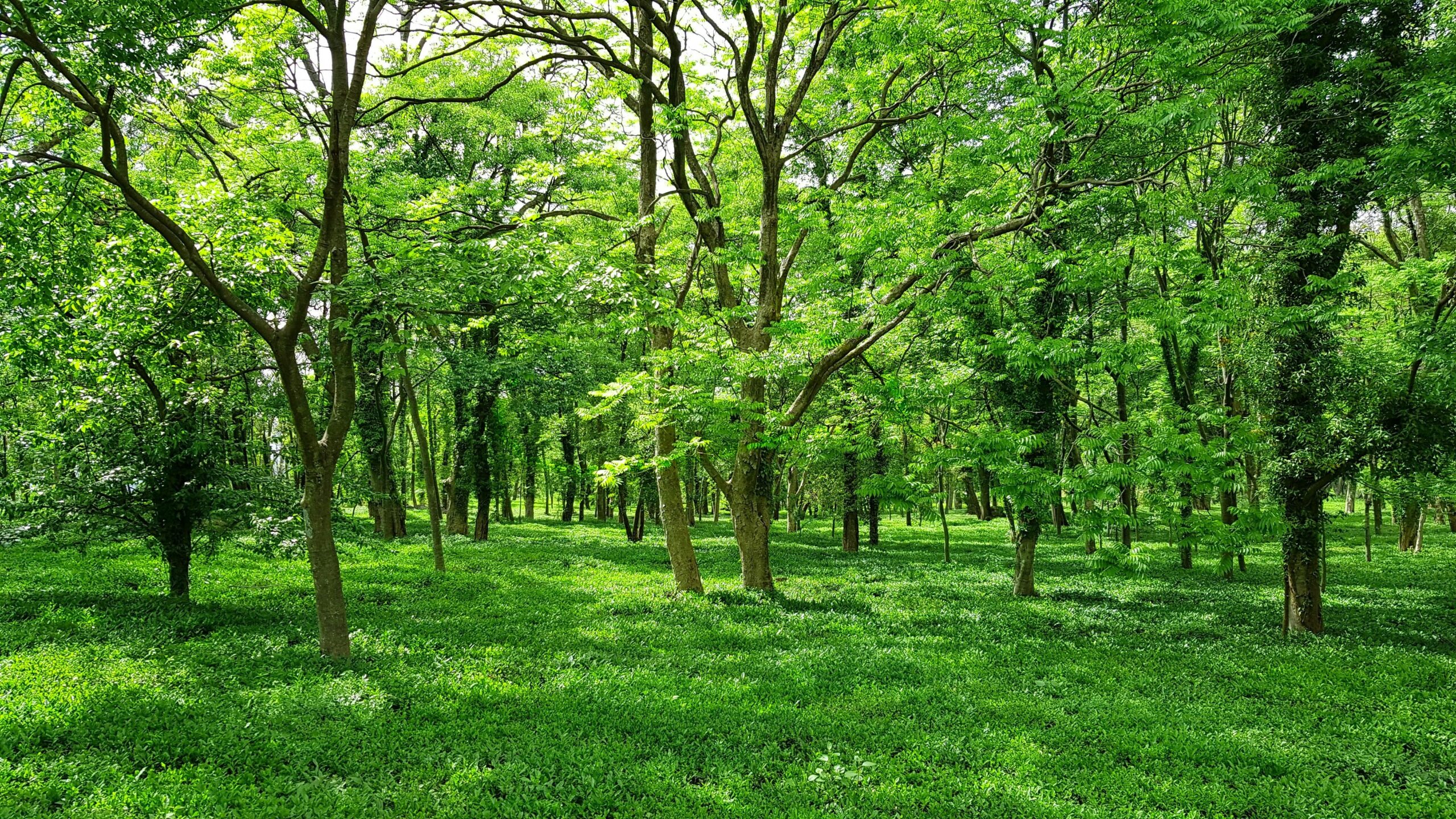
In 2023–24 alone, India approved the diversion of nearly 29,000 hectares of forestland for non-forest activities, the highest annual figure in a decade and a 66% increase from the previous year. Between 2014–15 and 2023–24, 173,397 hectares of forests were approved for diversion, largely for roads, mining, power lines, irrigation, railways, and hydropower projects.
Such contradiction is hard to ignore. We are trying to grow back our forests while losing them at the same time. So the question is not simply why the Green India Mission missed its target, but whether we are approaching forest protection and restoration in the right way at all.
In 2023–24, India approved the diversion of nearly 29,000 hectares of forestland for non-forest activities.
The answer cannot be another, bigger tree-planting target; we need to rethink what it actually means to protect and restore our forests.
First, we must protect what already exists
A mature forest that has taken decades, even centuries, to grow cannot simply be replaced with a few thousand saplings. Yet, forest land continues to be diverted for roads, mining and large infrastructure projects, often under the assumption that trees can be transplanted somewhere else to make up for the loss.
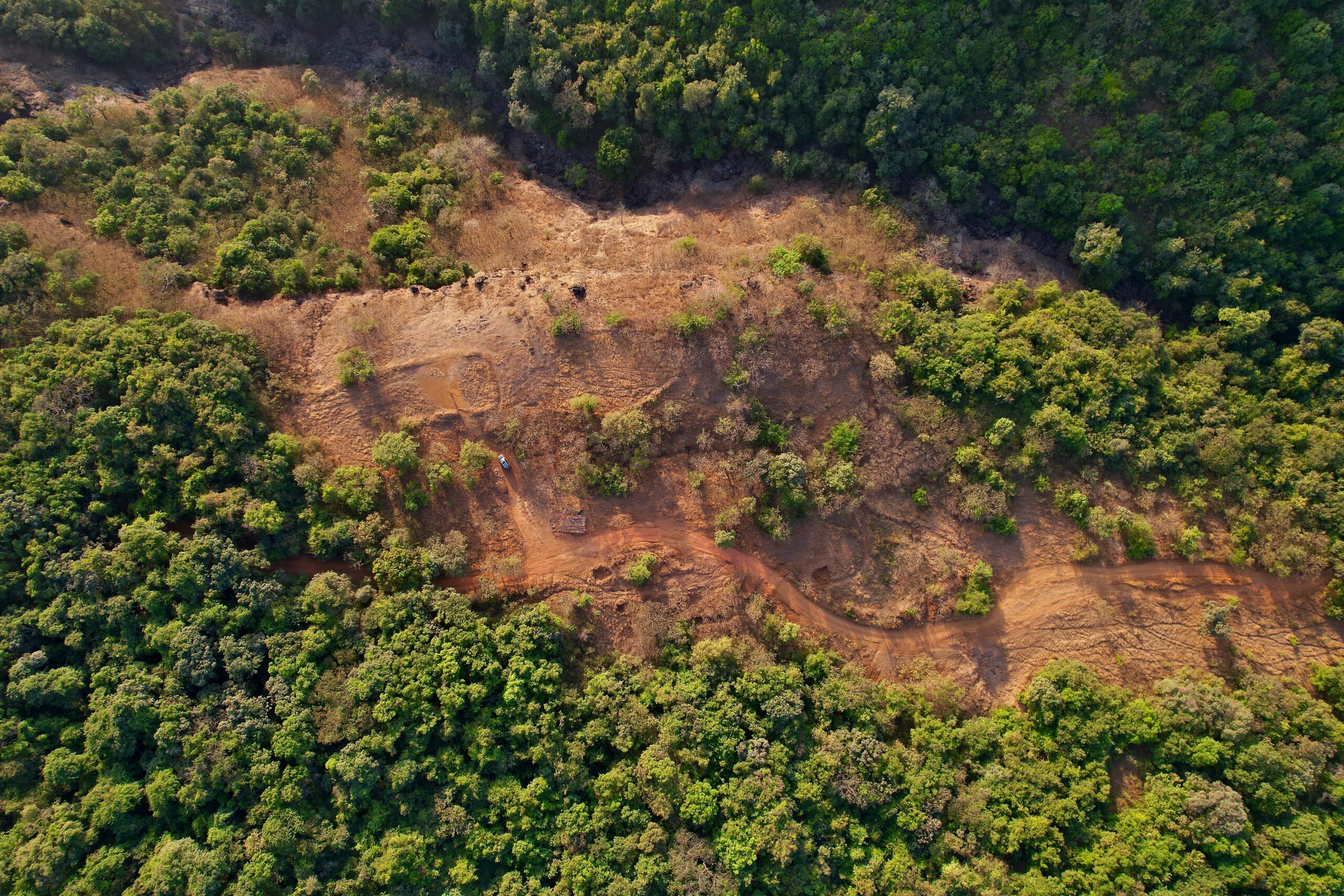
Of the 3,609 trees transplanted for the Central Vista project, 1,545 – around 43% – have since died. Yes, more than 24,000 trees were also planted as compensation, but a sapling planted today cannot immediately replace a mature tree that has spent decades providing shade, storing carbon, supporting biodiversity and helping regulate the local climate.
Second, change what we measure
The success of restoration should not be counted in saplings planted or hectares covered. It should be measured in trees surviving, native species returning, ecosystems recovering and communities benefiting.
Third, restore ecosystems, not just tree cover
Planting the right tree in the wrong place can do more harm than good. Restoration needs to start with the region itself, its native species, soil, water, wildlife, and local conditions. India’s forests are not all the same, so our approach to restoring them cannot be either. We need to work with nature, not force the same plantation model onto every landscape.
Fourth, make forest protection everyone’s responsibility
As citizens, we also have a role to play. When forests are cleared, trees are felled or ecologically sensitive areas are opened up for development, we need to question it, speak up and demand accountability. We have seen this happening in different parts of the country. In Assam, there are concerns over the proposal to reduce Kaziranga’s Eco-Sensitive Zone from 10 km to 1 km, potentially opening up more of the area to development. In the Aravallis, plans to allow mining sparked concerns over the damage to a fragile landscape, which the Supreme Court had to then halt.
When forests are cleared, trees are felled or ecologically sensitive areas are opened up for development, we need to question it, speak up and demand accountability.
On the Nicobar Islands, the so-called “Great Nicobar Project” could mean clearing large areas of forest in an ecosystem that is home to unique wildlife and communities. These may seem like separate battles, but they point to the same problem: we are putting some of our most valuable natural spaces under growing pressure, even as we struggle to restore the forests we have already lost.
Every time a forest is put at risk, the public should be asking: What are we losing, who benefits, and can this loss really be replaced? Governments have a responsibility to protect forests, but public pressure can make that responsibility harder to ignore. Speaking up, questioning decisions and demanding transparency are not small acts: they are part of protecting the forests upon which we all depend.
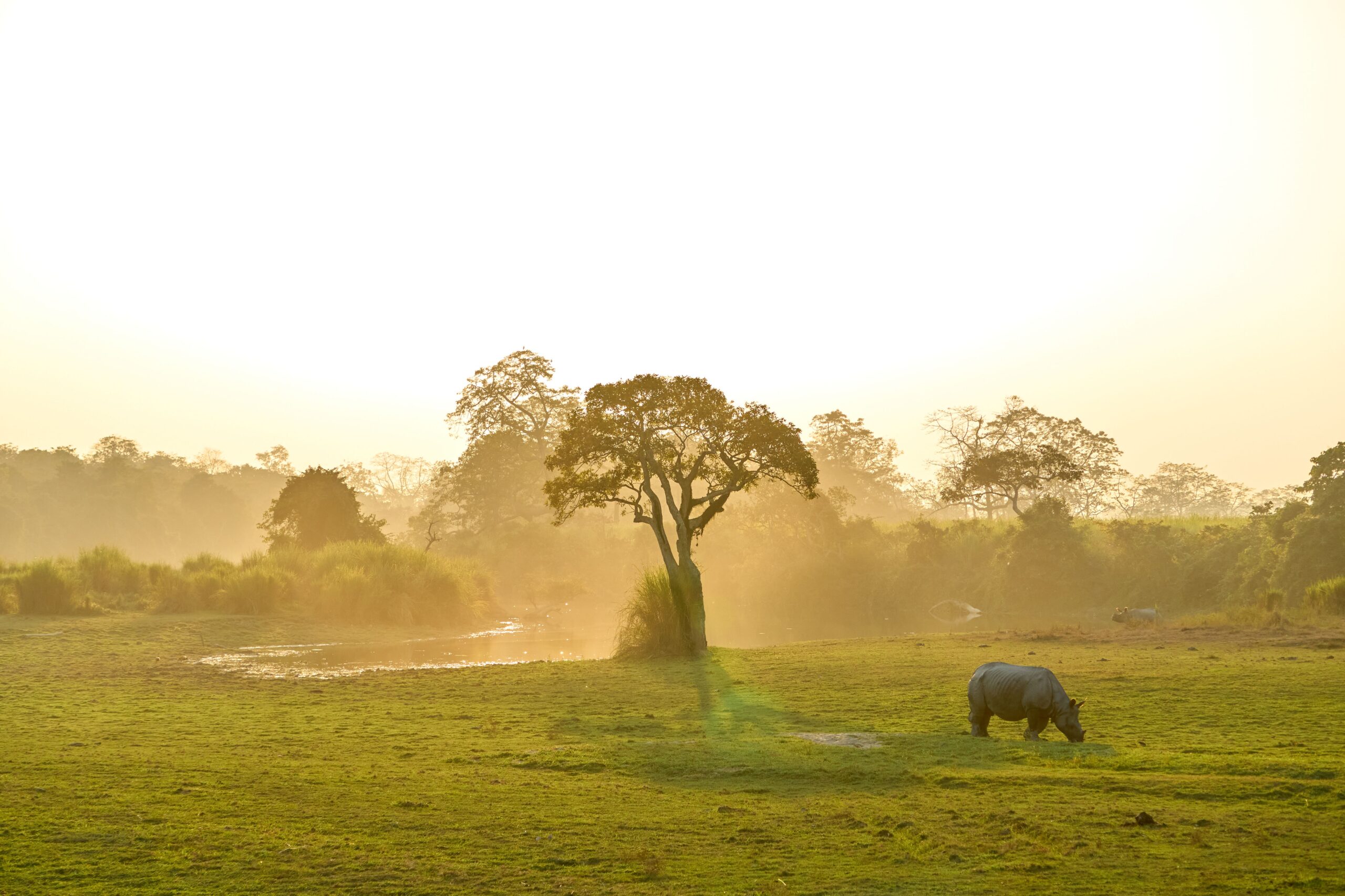
India does not need another campaign that counts how many trees went into the ground. We need a system that asks a harder question: How many forests are still standing, and how many will still be standing 20 years from now?
The Green India Mission’s mere 2% achievement should be a wake-up call. India cannot plant its way out of deforestation. We must end the loss of forests in the first place.

