
Freeze or Escape: Europe’s Real Energy Test
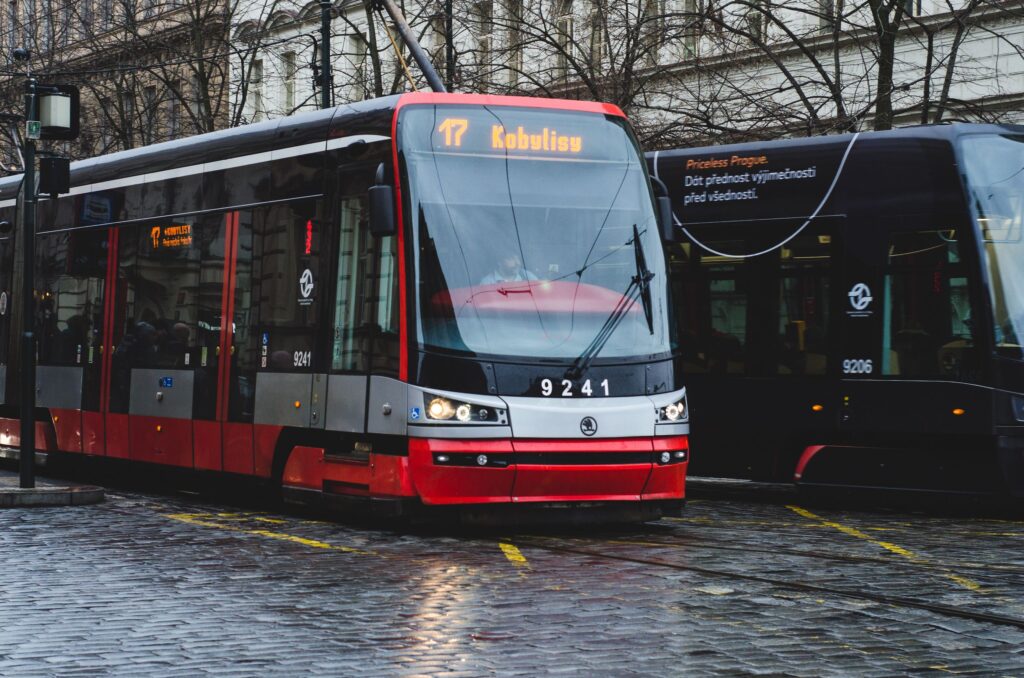
Photo: Engin Akyurt / Unsplash
When fuel runs short, governments can spend public money to defend the old energy system, or to finally leave it. Which one is Europe choosing?
When the price of something we depend on suddenly jumps, the first instinct is rarely to ask why we depend on it. It is to find a way to keep paying for it. Right now, countries across the world are making that choice in real time.
Shrinking fuel stocks and soaring prices are pushing governments around the world into uncomfortable choices. Some are burning more coal. Some are rationing fuel. Some are shortening work weeks, telling citizens to work from home, or asking drivers to slow down.
The trigger is clear enough. Fossil fuel supplies have tightened sharply since the conflict in the Middle East disrupted shipping through the Strait of Hormuz, one of the world’s most important routes for oil and seaborne gas. The shortfall has sent costs higher and forced governments into emergency mode.
The International Energy Agency has already coordinated the release of 400 million barrels of oil from strategic reserves, the largest stock release in its history. It has also called for demand-side measures: flying less, driving slower, using public transport, and working from home where possible.
But the real story is not that governments are responding. That is a given. The real story lies in the pattern within the response.
Look closely, and countries are splitting along a more important line. Some are spending public money to freeze the old energy system in place. Others are using the crisis to escape it.
That is the divide that matters.
The first instinct is understandable. When fuel prices rise, governments reach for subsidies, emergency reserves, extra supply, and temporary relief. People need help. Businesses need continuity. Governments need to prevent panic.
When you find yourself in a hole, the first thing to do is stop digging. Much of the current response does the opposite.
But emergency relief can easily become a trap. There is an old rule for moments like this: when you find yourself in a hole, the first thing to do is stop digging. Much of the current response does the opposite. If it is all built around making fossil fuels temporarily cheaper, public money ends up defending the very system that created the vulnerability in the first place.
The freeze reflex shows up well beyond Europe. The IEA-coordinated stock release is itself the most visible of these moves, drawing on emergency reserves across member countries. Beyond that collective action, governments are pulling the familiar national levers: Austria has cut its petrol tax by five eurocents a litre, and Türkiye has introduced a fuel-tax adjustment mechanism that offsets up to 75% of oil-price rises by reducing its Special Consumption Tax.
These are not irrational moves. They are the reflexes of countries trying to keep their economies moving. But they are still, mostly, measures to protect the existing system. They deal with the shortage by stretching supply, softening prices, or swapping one fuel source for another.
In other responses, though, the alternative is already visible.
Singapore is expanding its energy efficiency grant across all sectors and running a national conservation campaign, from raising air-conditioning setpoints to promoting public transport and carpooling, cutting how much fuel it needs in the first place. India is promoting a shift to electric cookstoves and pushing state institutions to electrify their vehicle fleets, while encouraging working from home and public transport to ease demand for oil and LPG. Within the EU, the Netherlands is going further than most, accelerating the trade-in of petrol and diesel cars for electric ones, helping households swap gas boilers for heat pumps, and offering tax cuts to small firms that install on-site renewables. Outside the EU, the United Kingdom is pairing GBP 53 million of targeted support for vulnerable heating oil customers with structural moves: accelerating the Warm Homes Plan retrofits, increasing heat pump grants for oil-heated households, and weakening the link between electricity bills and volatile gas prices through renewables contracts-for-difference.
None of these responses is perfect. But they point towards the right test: protect people now, while making them less vulnerable later.
That is why the EU is the most revealing case of all.
For the EU, this crisis should feel uncomfortably familiar. Strip away the dates, and it plays out like a scene from Groundhog Day: a fresh shock, the same scramble, the same reach for the same old tools. The war in Ukraine already showed how quickly dependence on imported fossil fuels can become an economic, social, political, and security crisis all at once. It pushed up prices, fed inflation, and forced governments to shield households and businesses from costs they could not control. By the IEA’s own count, the previous shock cost governments around USD 900 billion in direct grants, vouchers, tax cuts and price regulation between early 2022 and April 2023.
That the script is being read again is not subtext. Finance ministers from Germany, Italy, Spain, Portugal and Austria have already written jointly to the Commission asking for an EU-wide windfall tax on energy profits, with the letter itself pointing back to the similar emergency measure of 2022 as the model. The same hands, reaching for the same toolbox, asking the same favour twice.
Yet the current response from most member states suggests the lesson has still not been fully learned. The EU speaks more confidently than ever about strategic autonomy, renewables, and cutting its dependence on imported fossil fuels. But when prices rise, most national governments still reach first for tax cuts, price caps, and broad fuel support, as if the priority were to make fossil dependence affordable again.
The evidence is not hard to find. Germany has cut fuel taxes by 17 eurocents a litre, what Chancellor Friedrich Merz called “very concrete relief”, and limited how often stations can raise prices. Italy has extended its fuel excise cuts and handed diesel tax credits to hauliers. Poland and Hungary have gone furthest, capping retail fuel prices outright while also cutting fuel taxes. Greece is subsidising diesel and fertiliser, issuing digital fuel cards to households, and propping up its ferry operators. Sweden has temporarily cut the tax on vehicle fuels. Croatia has capped oil and diesel prices for six months while cutting fuel excise duty. Even Belgium, where I am based, is subsidising employers to top up fuel allowances and postponing a planned excise increase. These measures may soften the blow, but they mostly work by protecting consumption of the very fuels that leave Europe exposed.
The Commission itself has named the distinction. Its AccelerateEU communication of April 2026 warned that short-term relief must not detract from the longer-term shift to clean energy, and recorded that the EU spent an additional 24 billion euros on fossil fuel imports in just the first 52 days of the crisis. The freeze-or-escape test, in other words, is already Brussels’ own logic. The remaining question is whether member states will act on it.
The rhetoric points towards transformation. The immediate action often points towards preserving the old system. As the saying goes, fine words butter no parsnips, and they certainly do not wean a continent off imported gas.
I do not believe the EU is hypocritical. The risk is quieter than that: a slow slide into learning to stop worrying and love the dependence. But it does leave the EU politically exposed. Governments know that fossil fuel dependence is the problem, and still the fastest visible response is to subsidise it and so deepen it by making imported fossil fuels cheaper to consume.
That is why the “freeze or escape” test matters. Without it, the policy map looks like a long list of emergency measures. With it, the pattern comes into focus. Some measures lower the pain today while leaving the exposure untouched. Others lower the exposure itself.
For the EU member states, the direction should be clear: get out of dependence on imported fossil fuels. Not manage it better. Not subsidise it more efficiently. Not hide it behind temporary price caps. End it.
Every euro spent in this crisis should be judged by a single test: does it reduce the EU’s exposure to energy dependence in an ever more fragmented world, or does it just make that exposure cheaper for a few more months?
That means every euro spent in this crisis should be judged by a single test: does it reduce the EU’s exposure to energy dependence in an ever more fragmented world, or does it just make that exposure cheaper for a few more months?
A fuel subsidy may protect today’s bill. An efficiency upgrade protects every bill after it. A price cap may hide volatility. Electrification reduces the exposure to it. A tax cut makes the next litre cheaper. Public transport, heat pumps, and alternative fuels make the next litre less necessary.
This is where most EU member states’ words and their actions still collide. They speak the language of resilience, strategic autonomy, and transition, then too often reach first for the tools that keep the old system alive. The result is a continent that knows where it needs to go, and keeps paying to stay where it is.
The crisis will pass. The dependence will not, unless Europe chooses to end it.
Europe does not need a better way to survive its fossil fuel crisis. It needs to act on its plan to stop being trapped by them.
Europe does not need a better way to survive its fossil fuel crisis. It needs to act on its plan to stop being trapped by them.