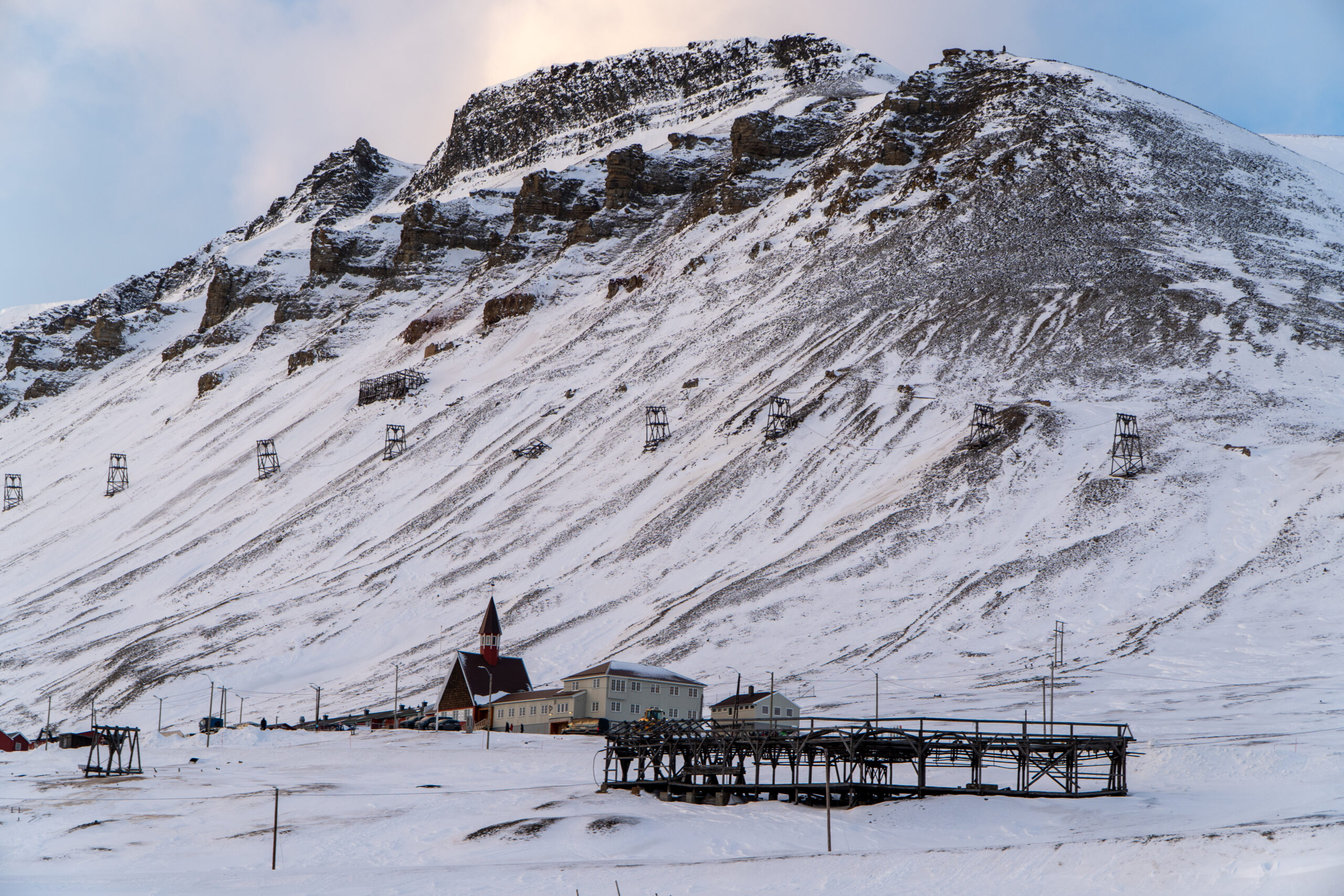
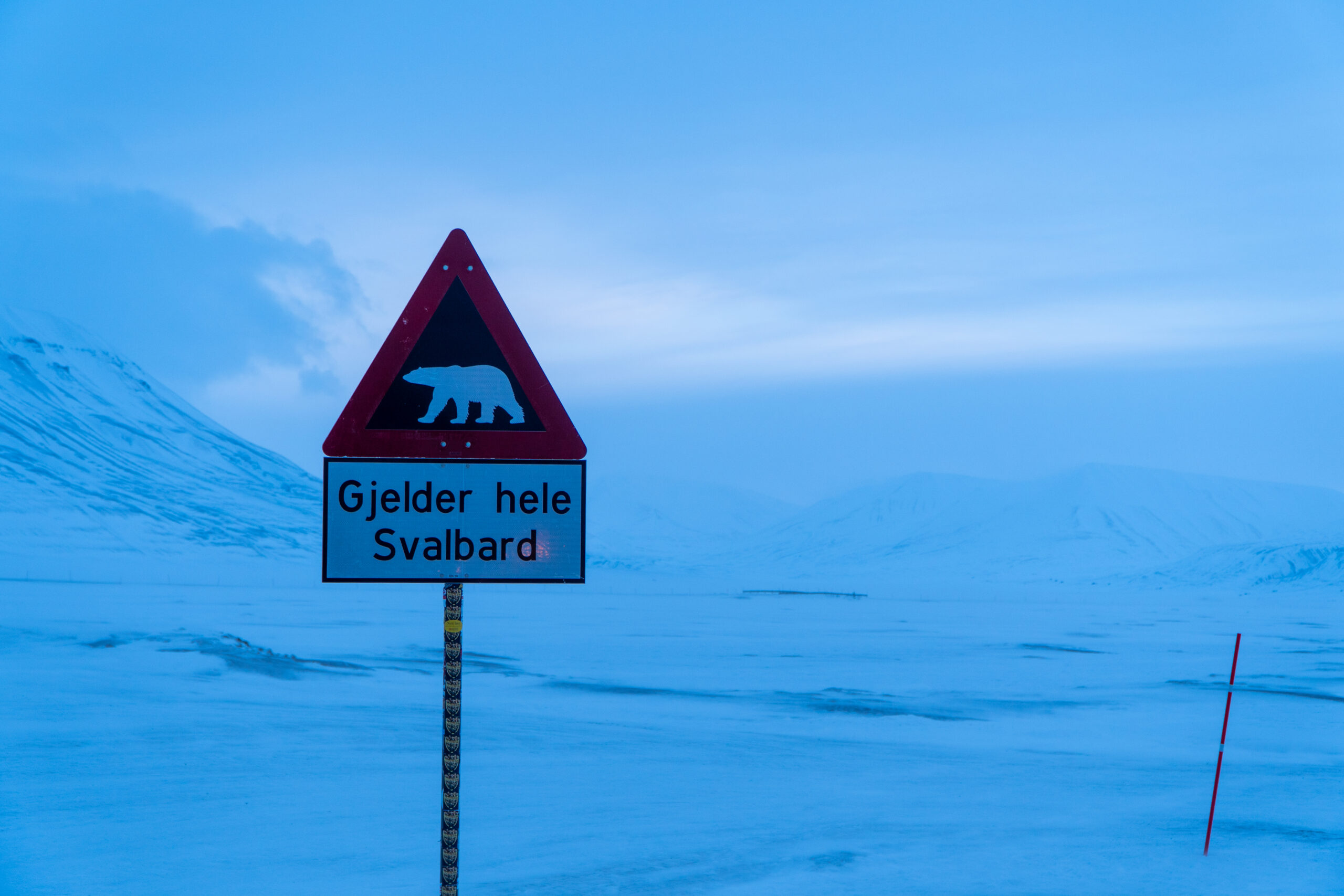
The Norwegian High Arctic territory of Svalbard is one of the few places on our planet where you can see the effects of climate change unfolding in real time. The Arctic is warming four times faster than the rest of the world. Svalbard is warming seven times faster, according to various studies.
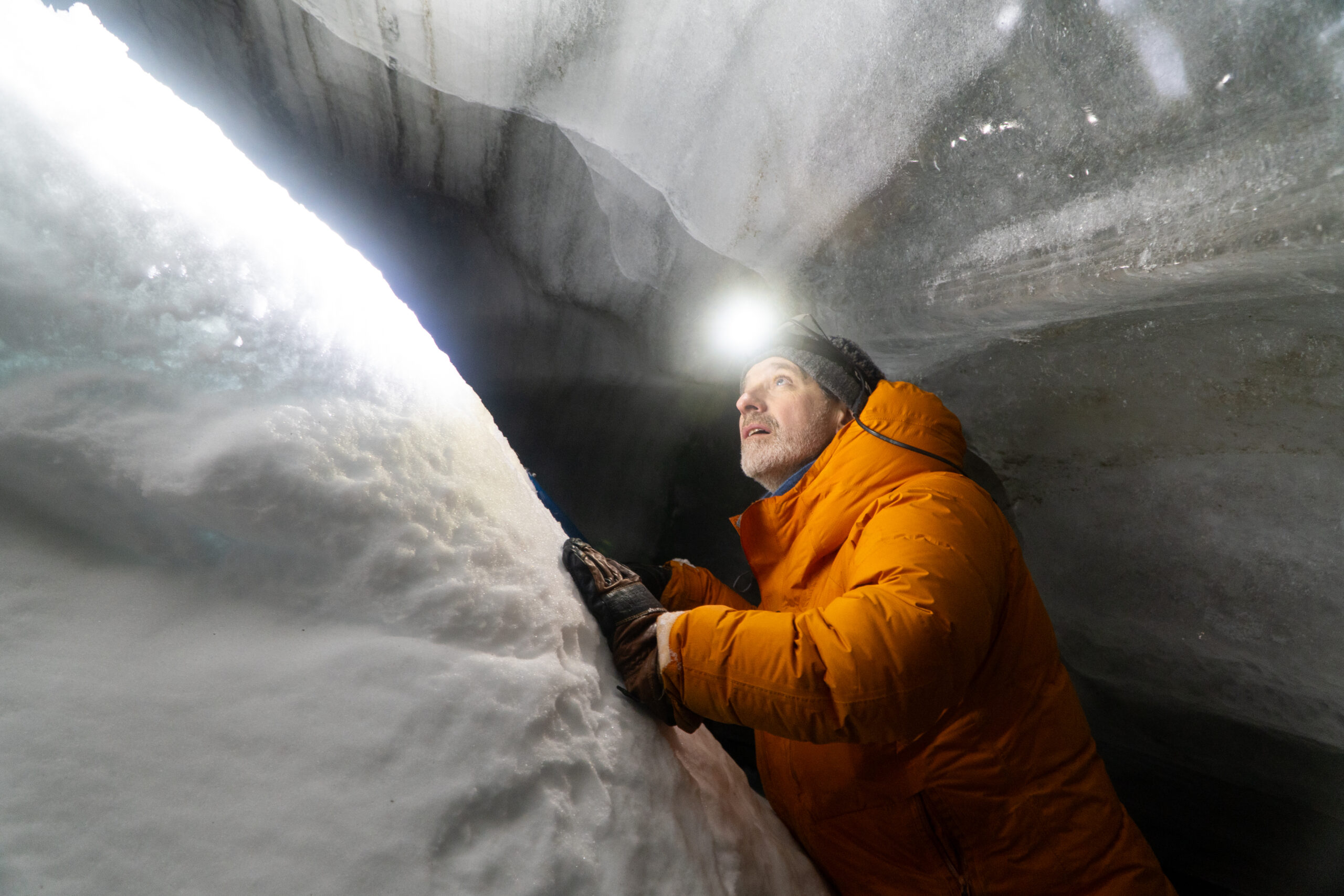
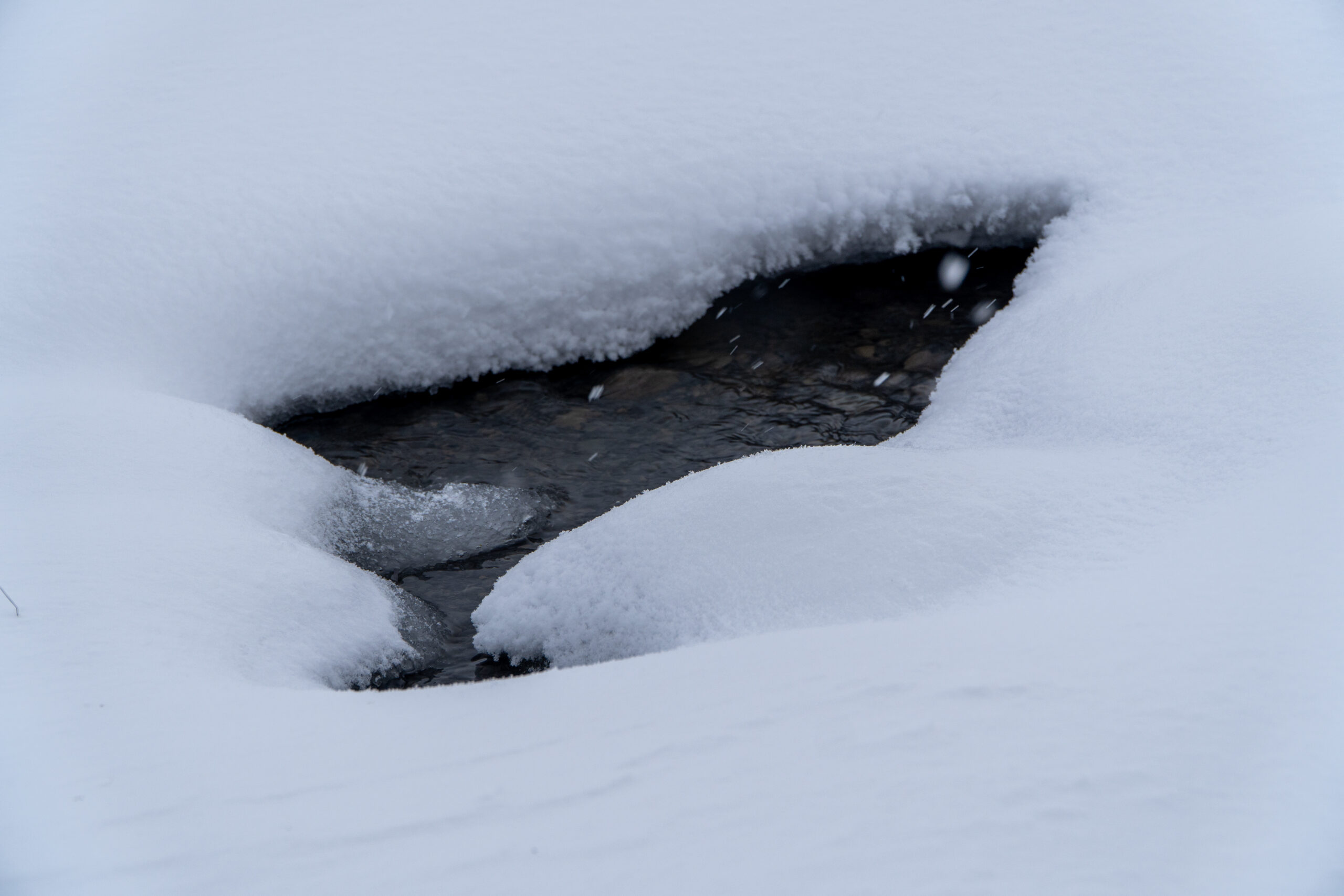
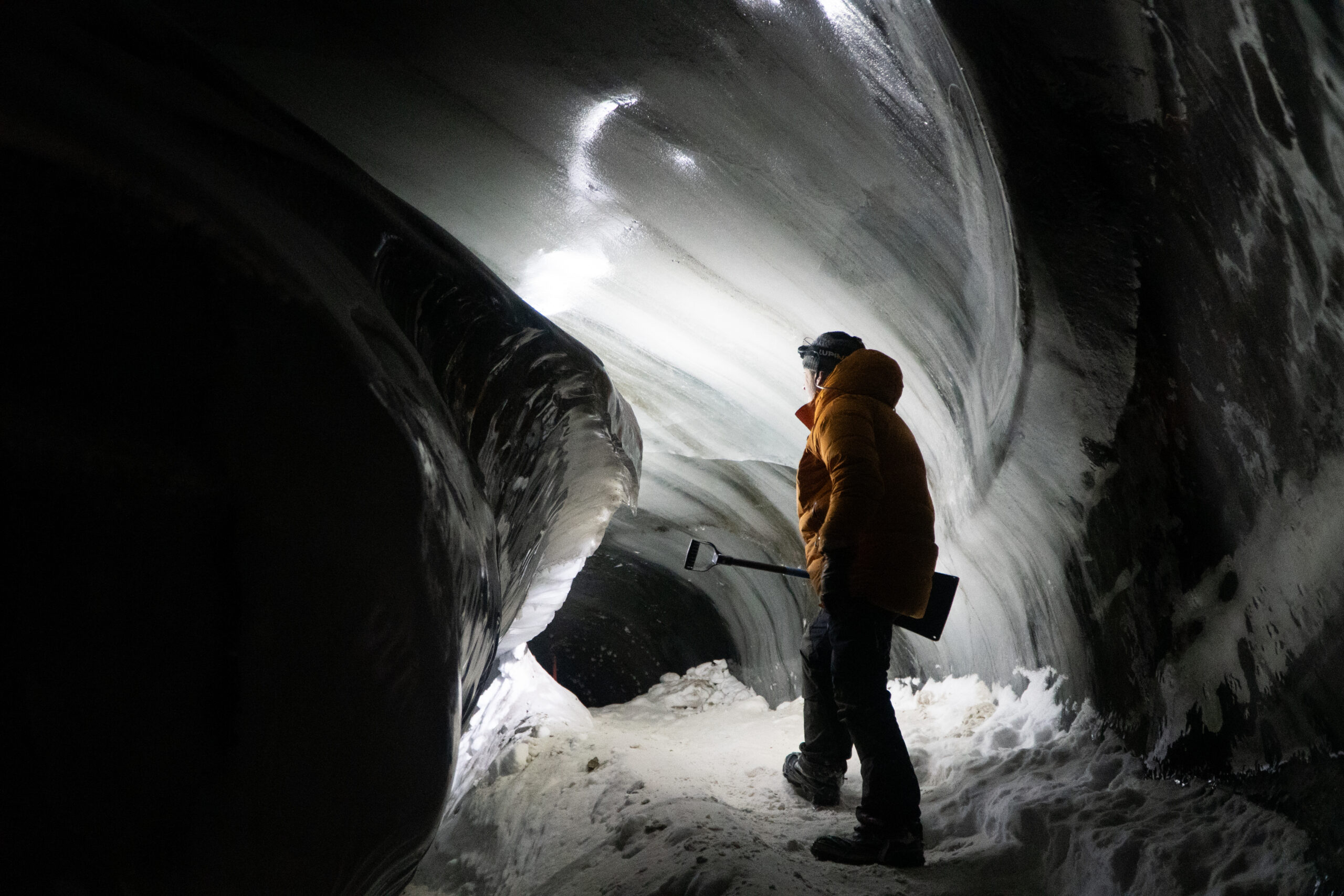
Here, glaciers are losing their volume at heady speeds. The active layer (ground that freezes and thaws) is getting deeper each year and is eating into the permafrost, releasing all sorts of metals and minerals. New spring water channels are emerging in the hills and running all year round, even in the depths of winter.
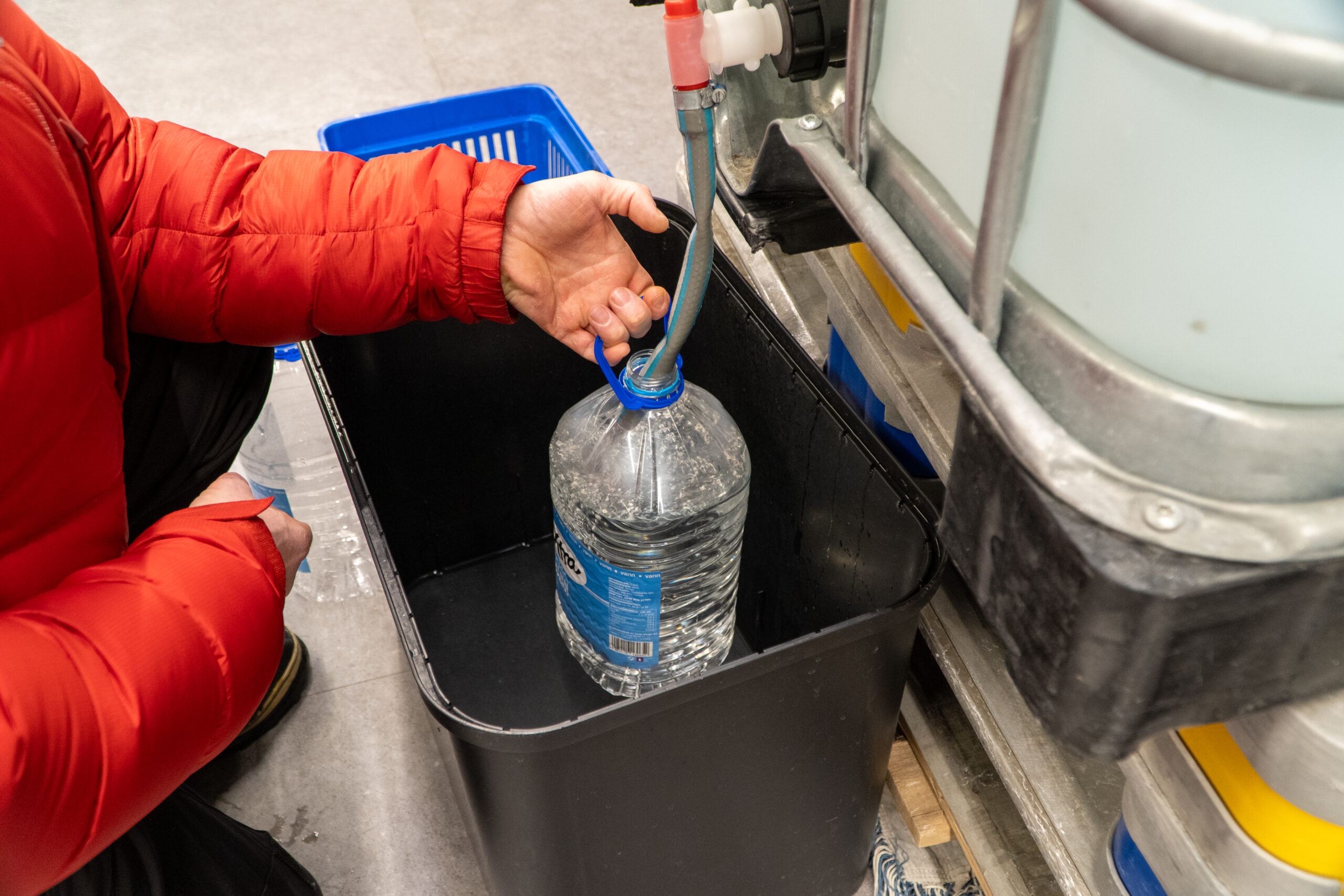
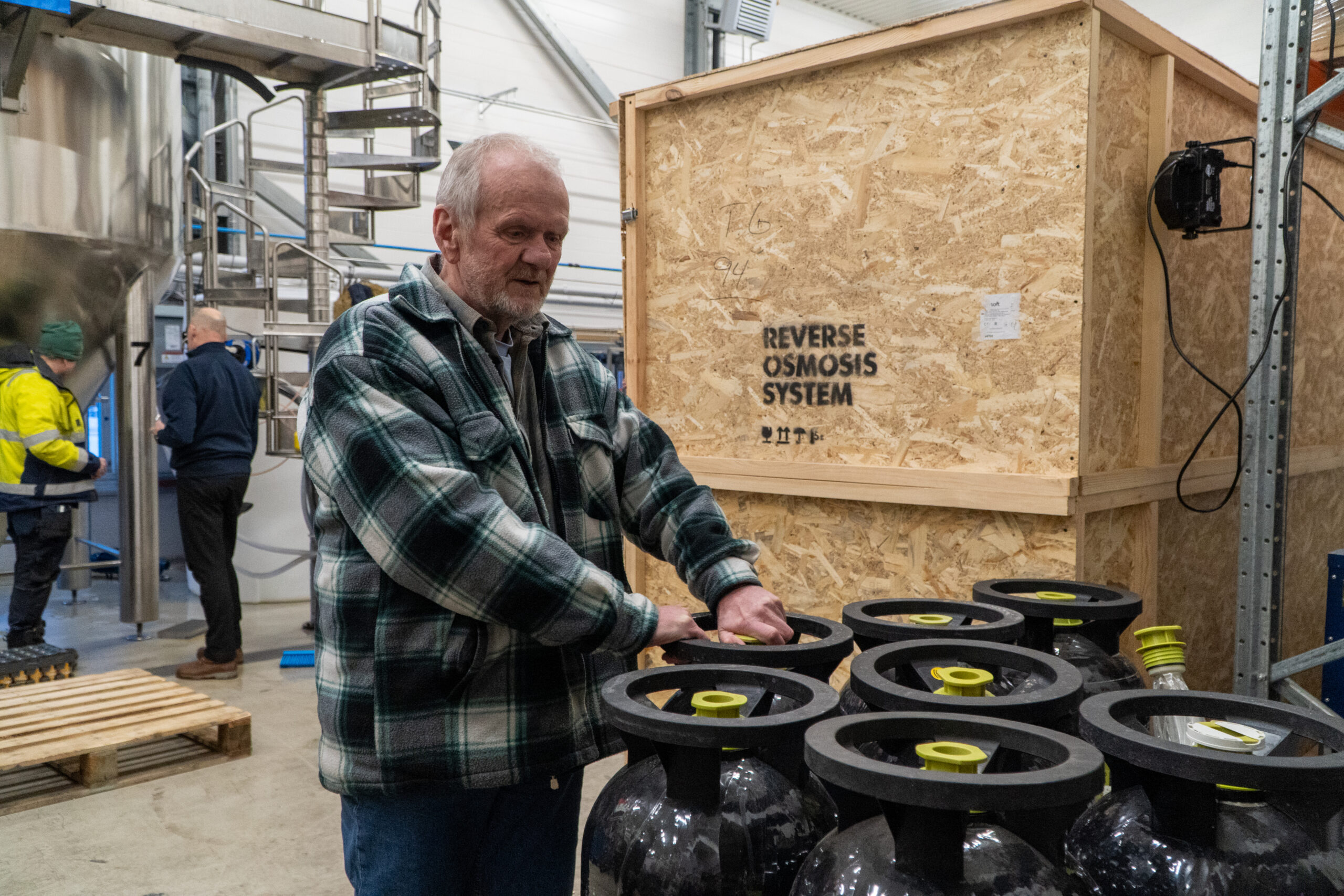
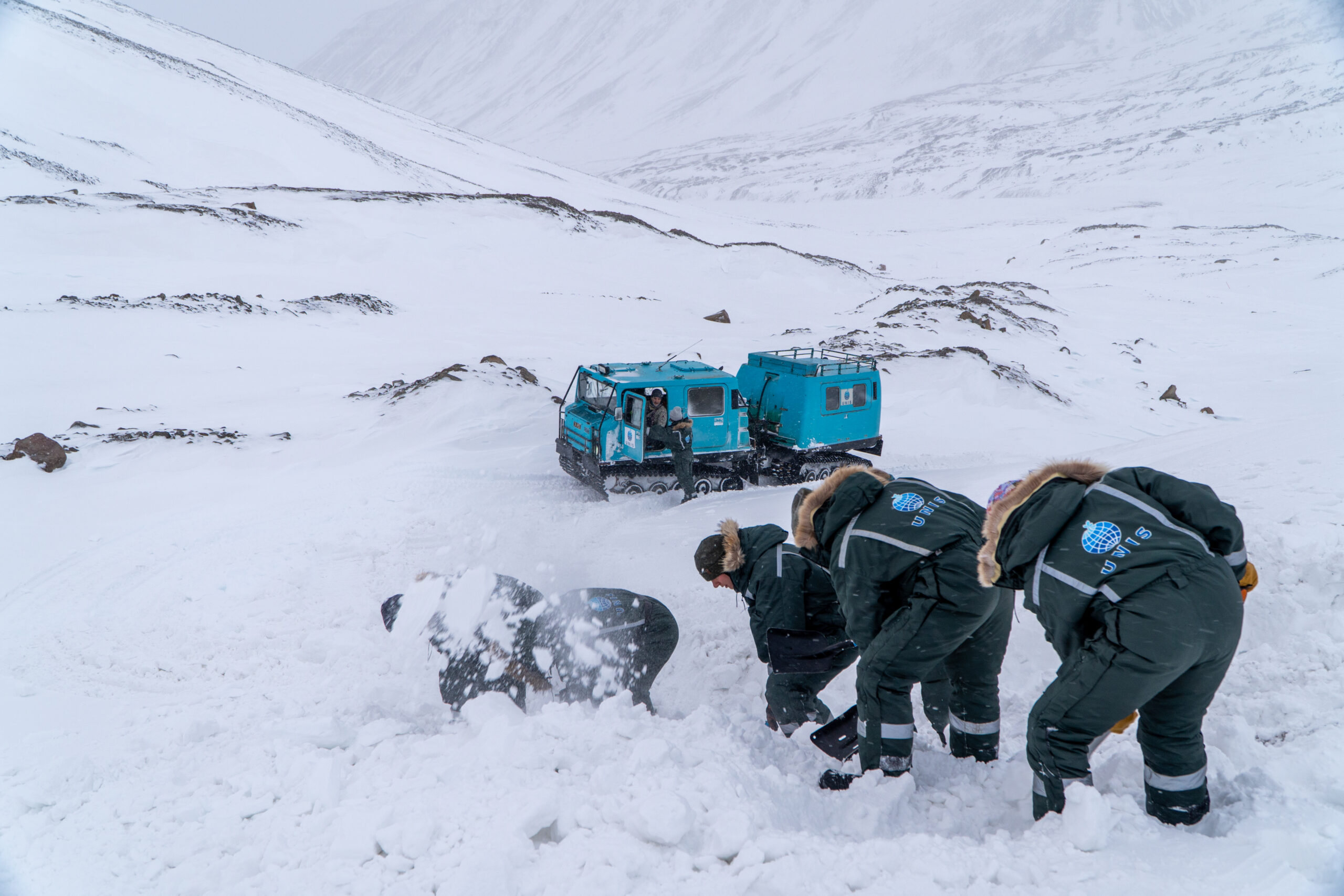
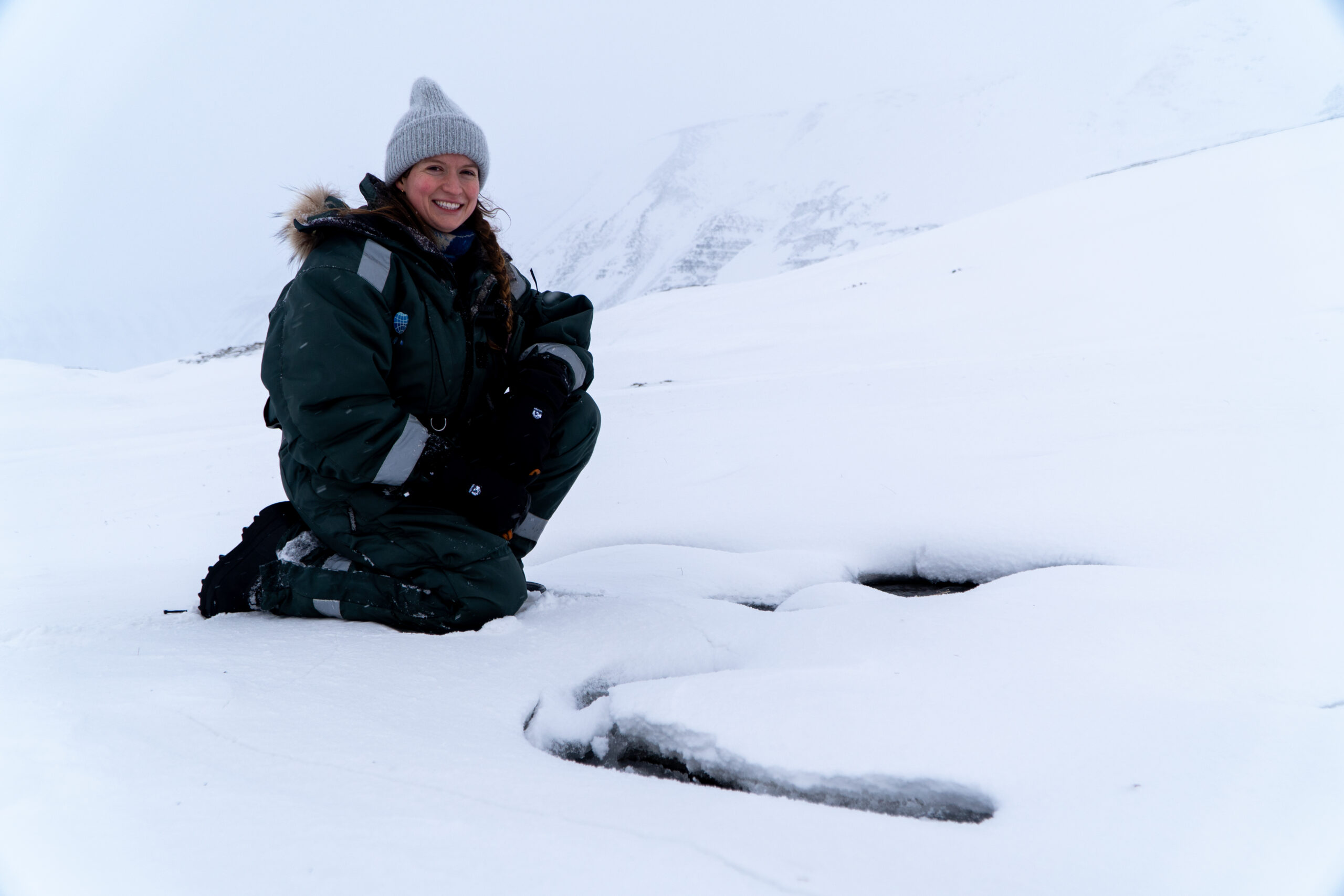
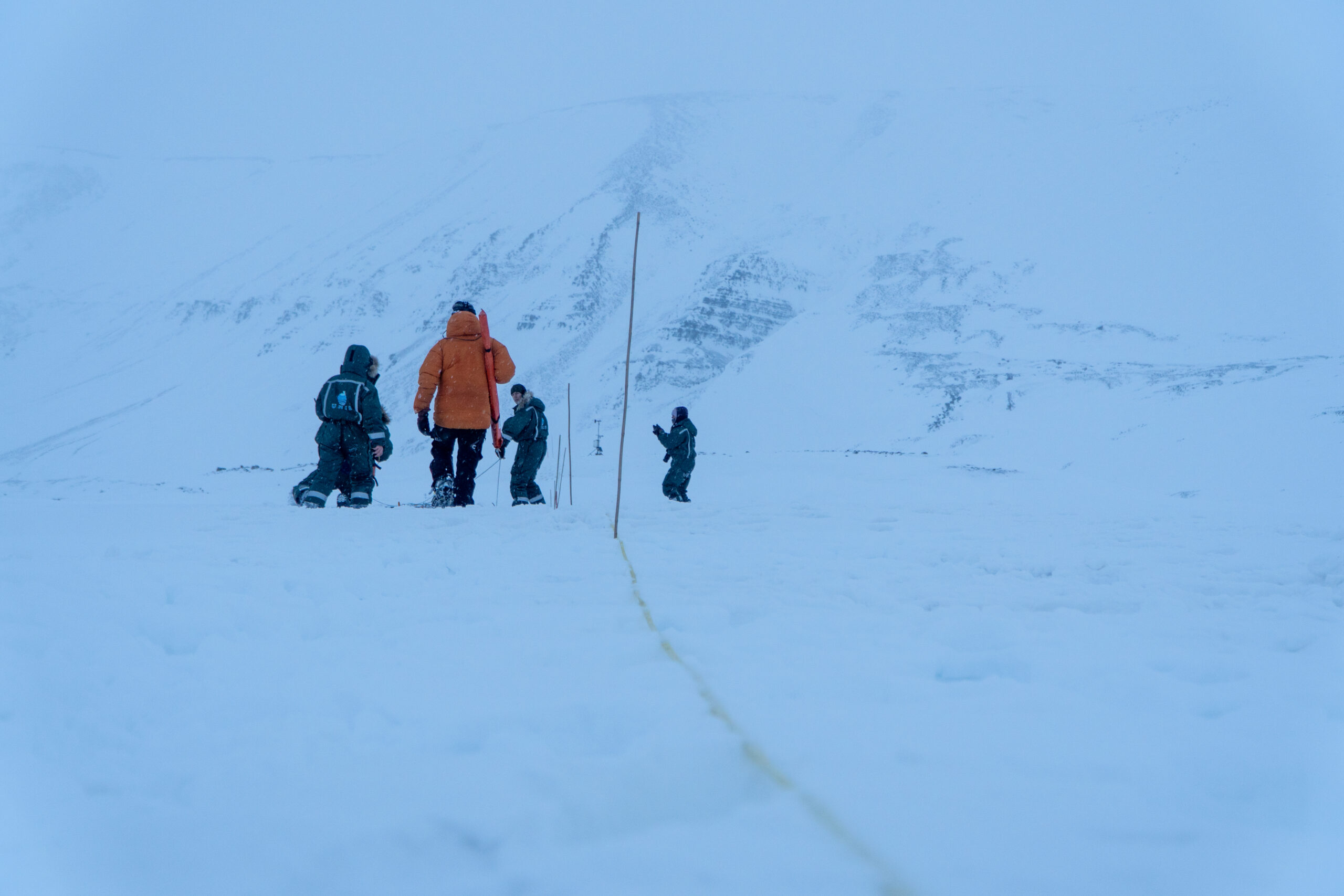
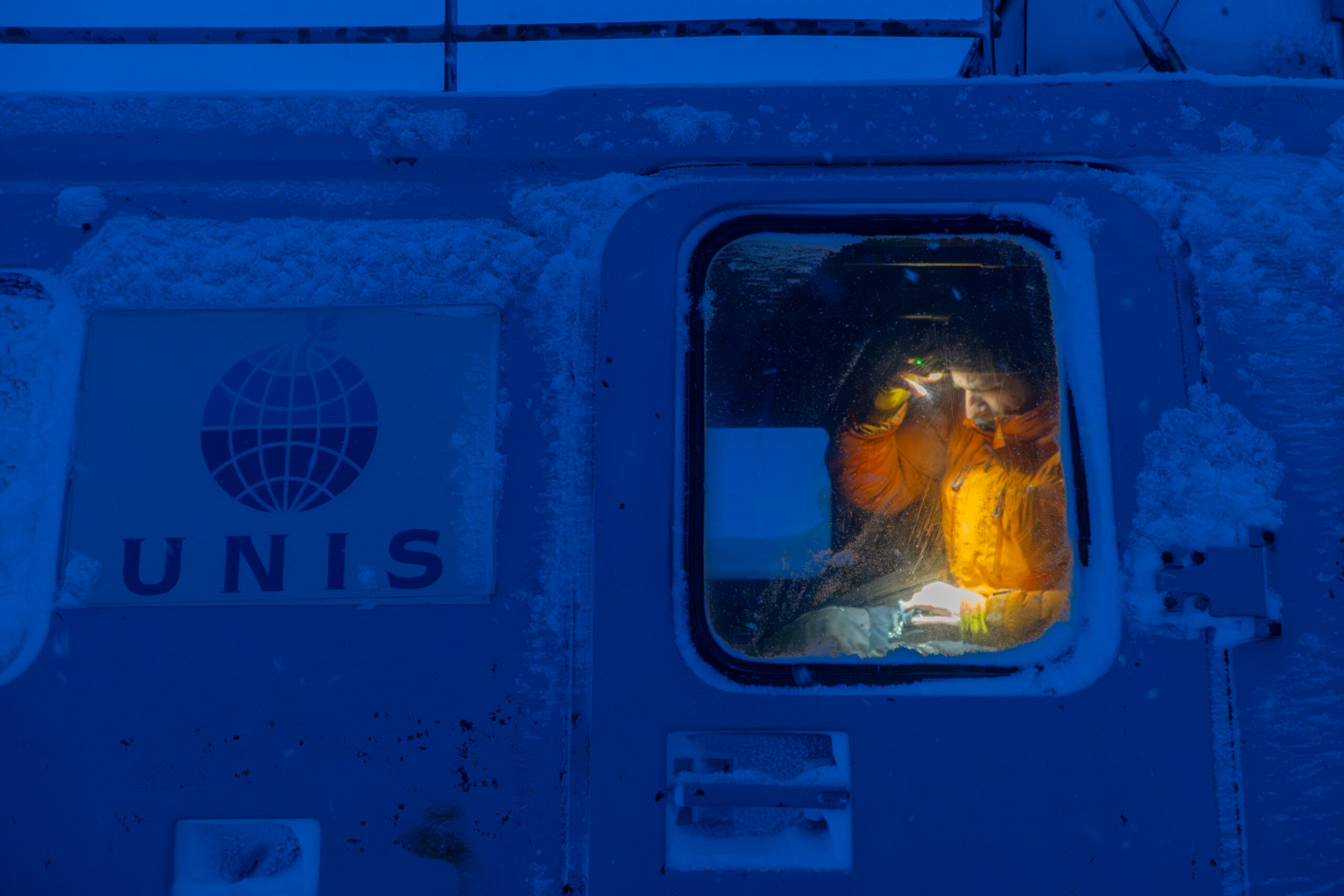
On the glacial forefields of Svalbard, a hardy team of scientists from the University Centre in Svalbard is probing and scanning the ground to monitor these new interactions, which influence change on local ecosystems and pose a challenge to local drinking water supplies.
REVOLVE traveled to the archipelago in late February to catch up with the work being done as part of the CryoSCOPE project.