Export-oriented shrimp farms cast shadow over struggling Guatemala fishing communities.
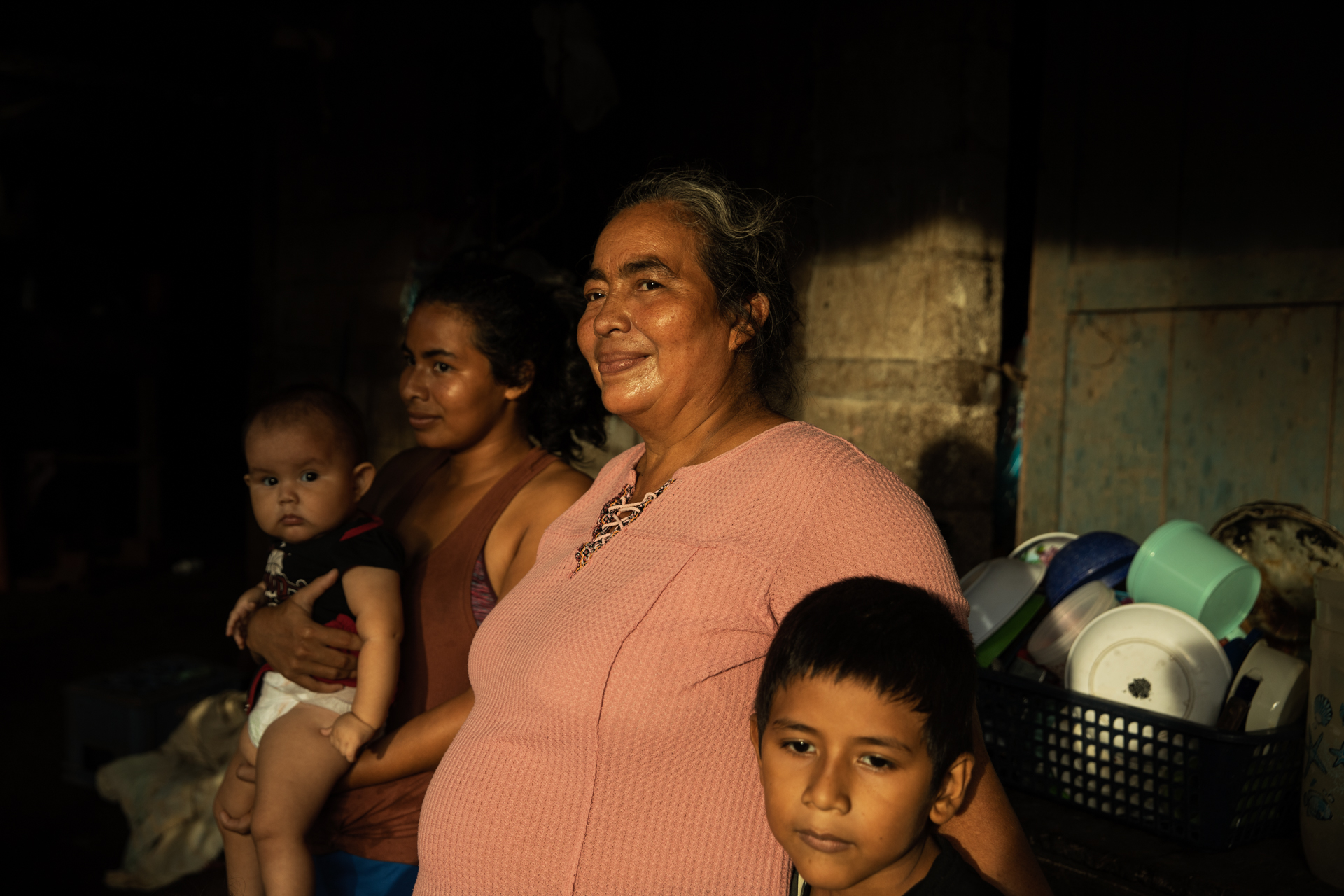
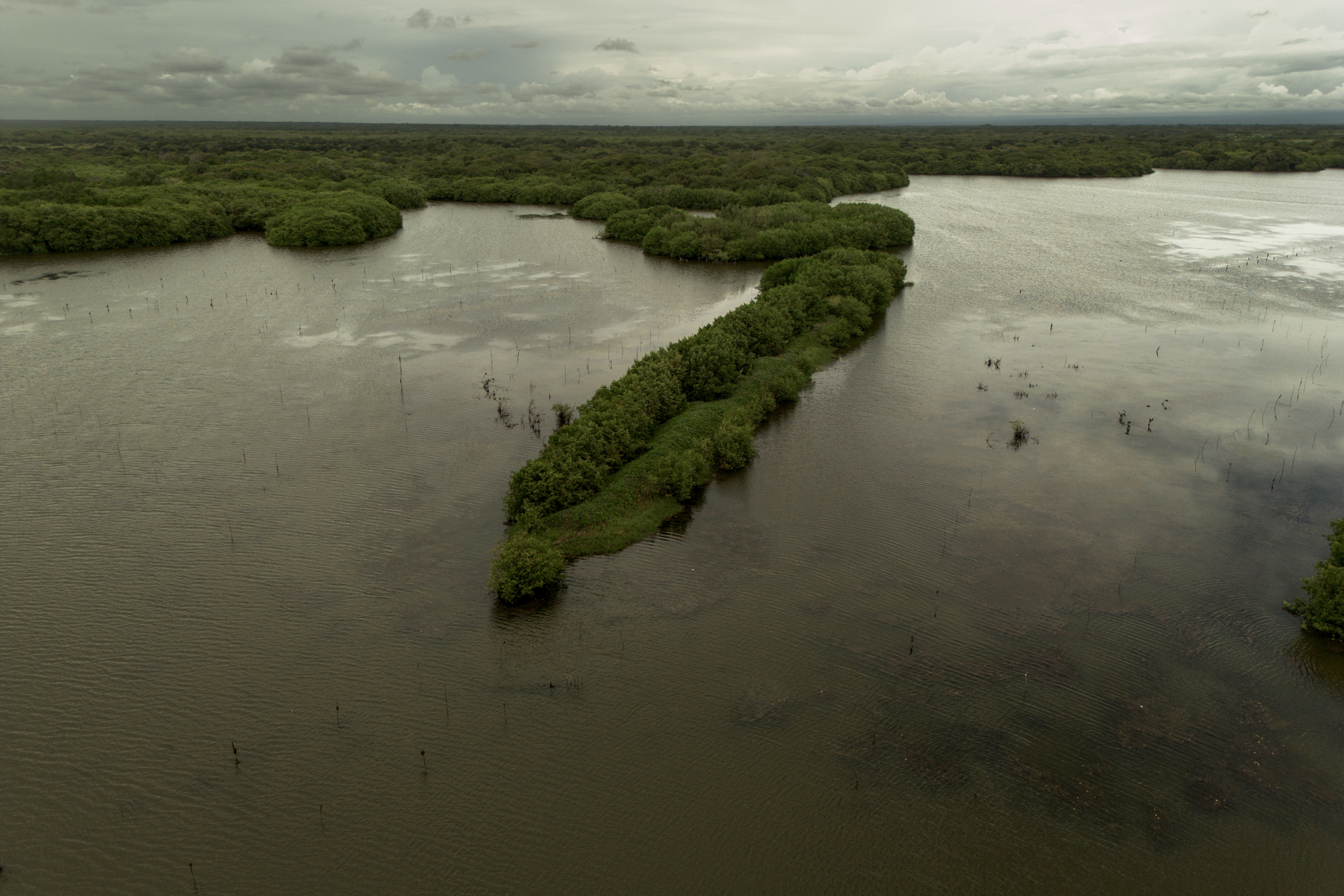
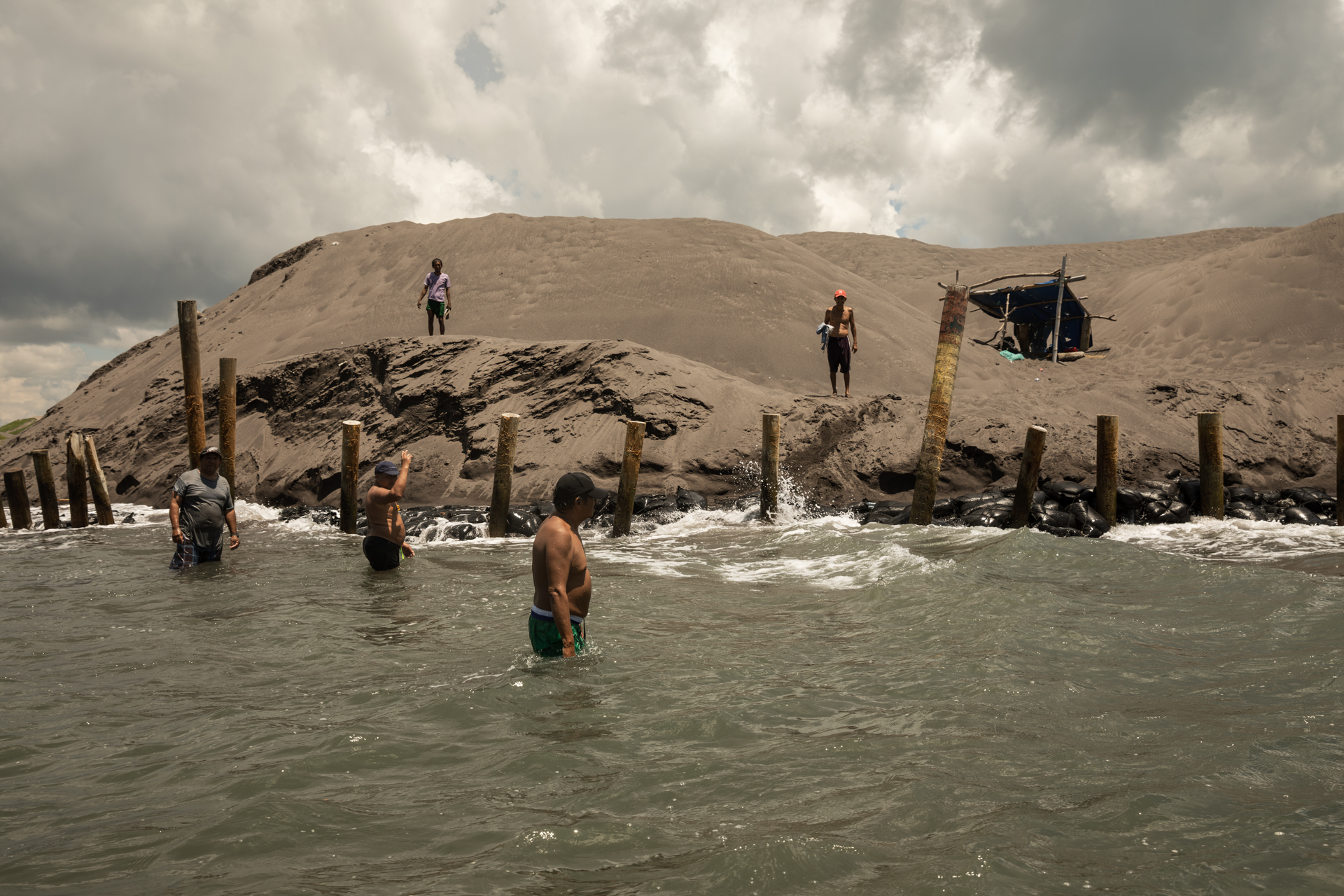
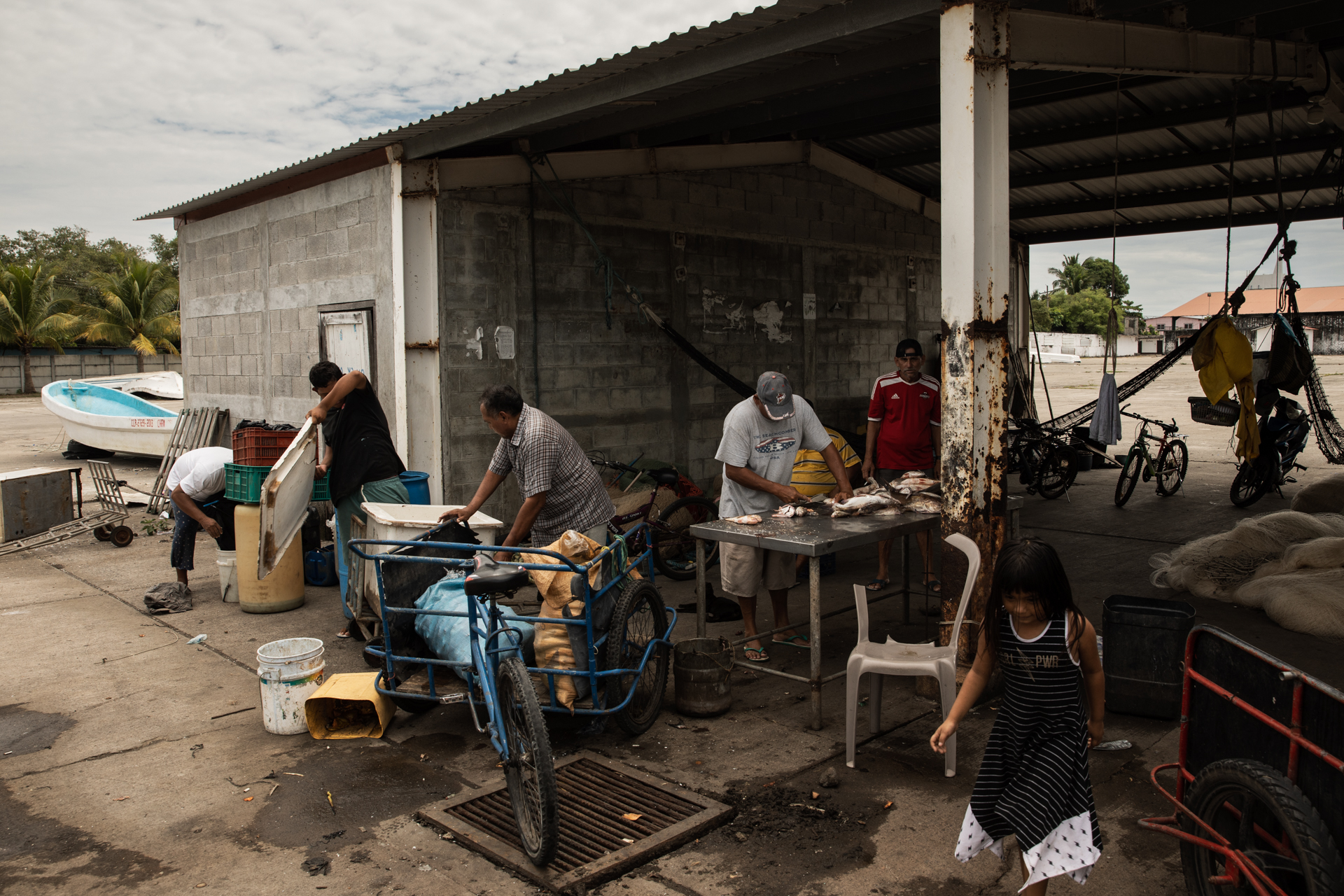
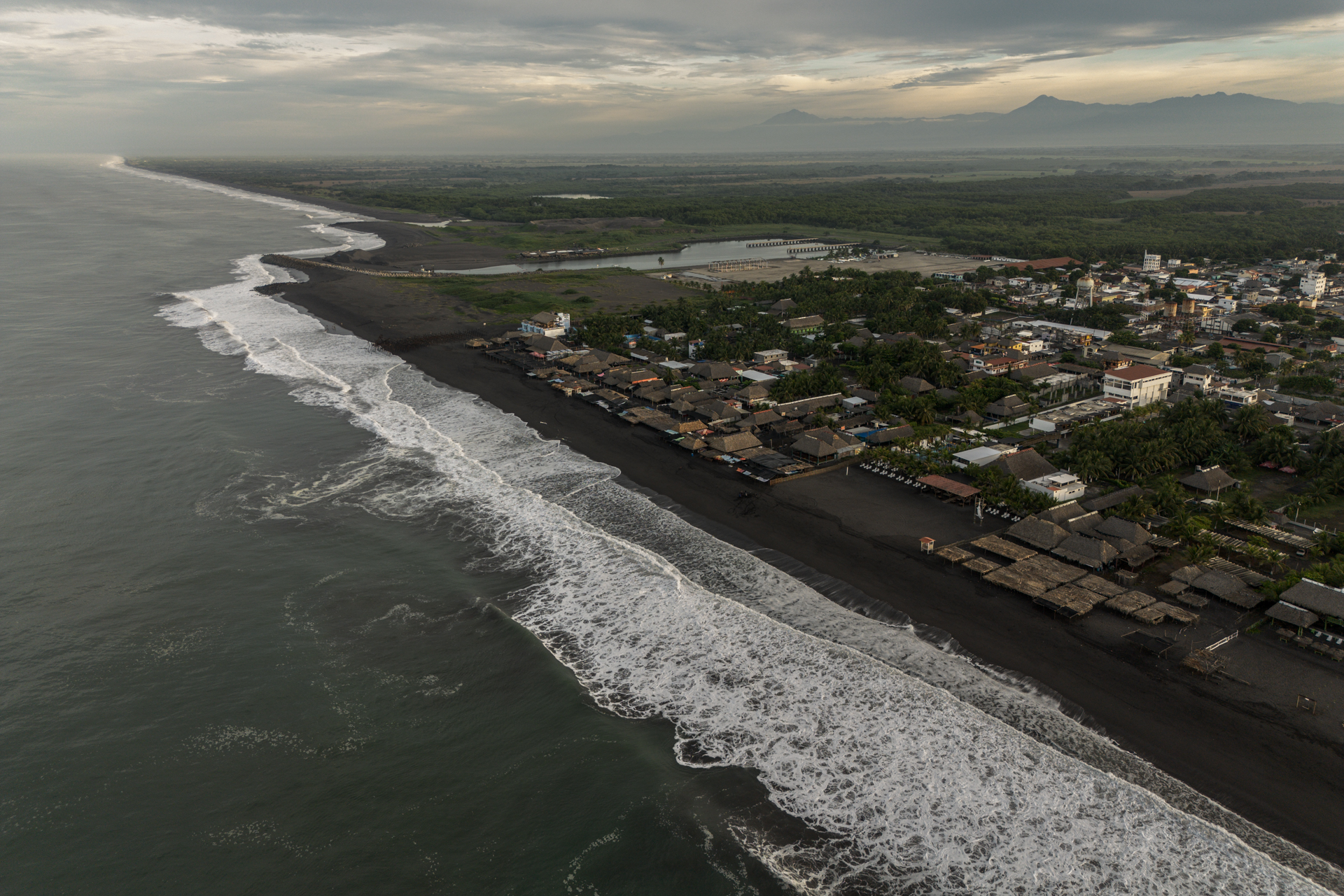
The Laguna Grande and El Muerto lagoons near Champerico on Guatemala’s southern Pacific coast are tainted by years of contamination that local fishing communities blame on wastewater discharge from intensive shrimp farms. The lagoons – once connected to the sea but now blocked – are showing signs of biodiversity loss and sea lice outbreaks that harm fish stocks.
“The shrimp industry has destroyed the mangroves,” local fisherwoman Doris Ramírez told the United Nations Human Rights Council in Geneva in March 2025. Her statement to the UN body came three years after she joined the Champerico Fishers’ Association.
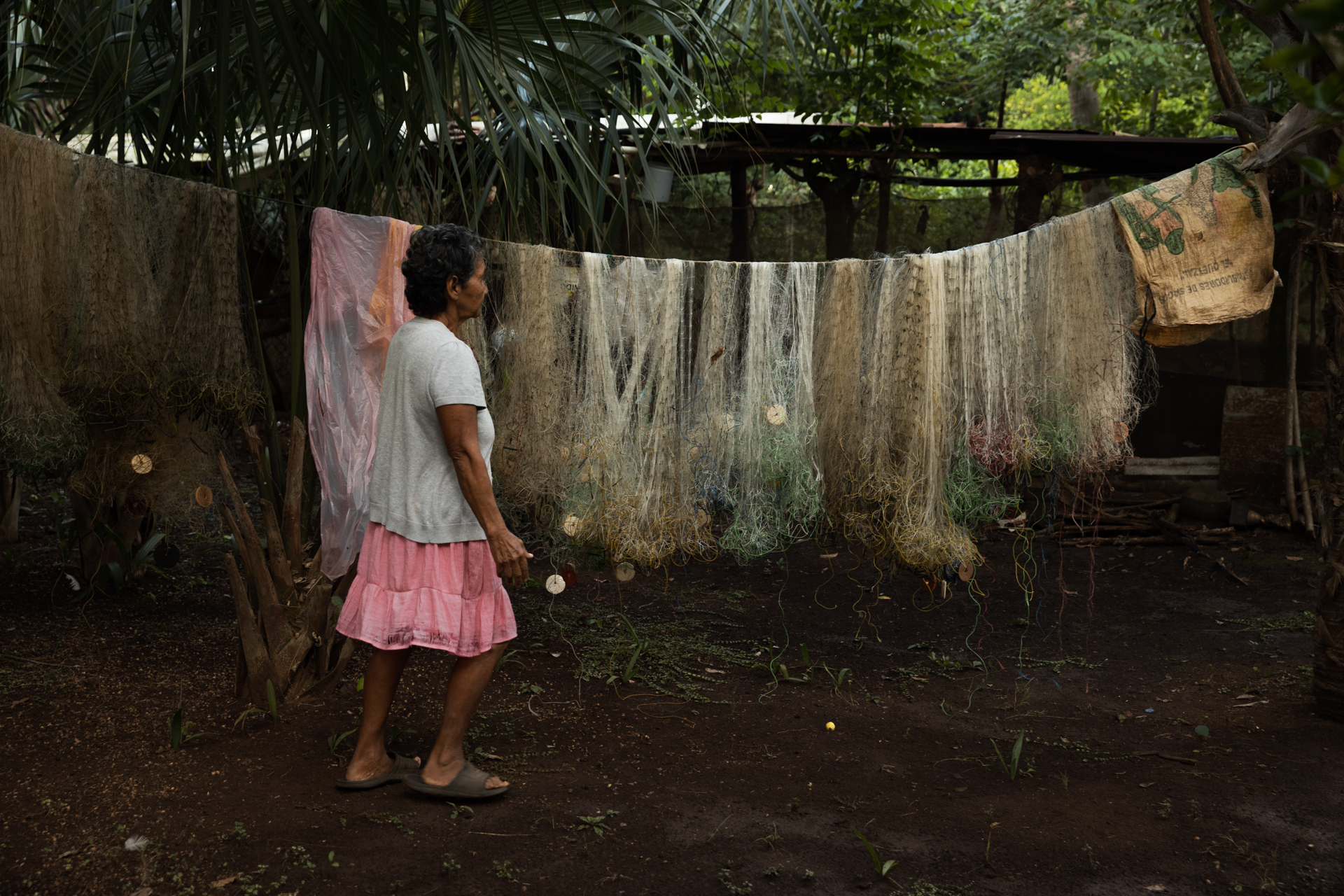
Six months later, in a conversation outside her home on the outskirts of Champerico, Ramírez adds: “I used to go out with a sack and catch whatever there was: blue crab, shrimp (…) whatever was along the estuary shore, we collected it by hand. But as time went by, the fish started to disappear.”
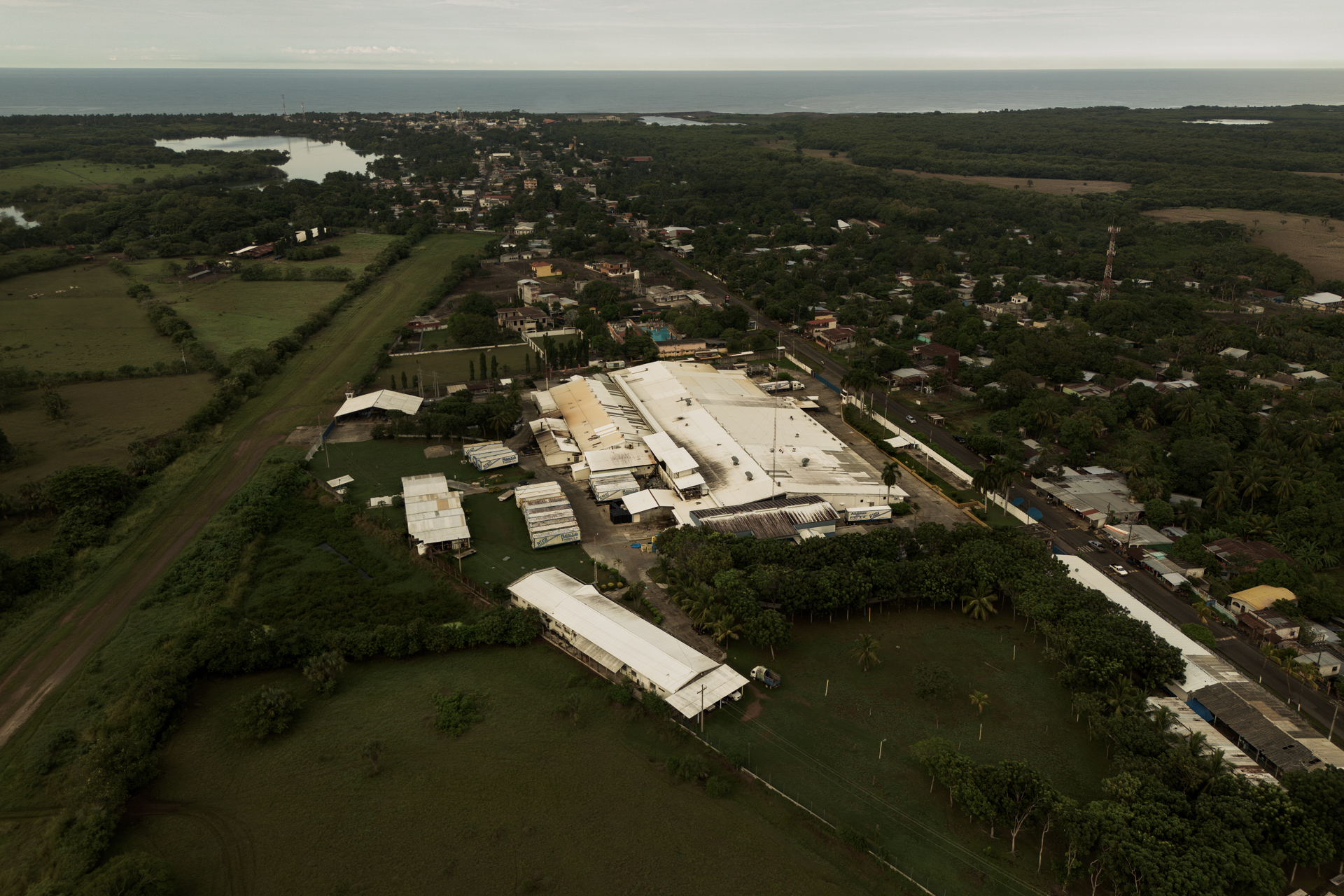
Nearby, the main road leading inland passes by the headquarters of NovaGuatemala SA, a subsidiary of the Spanish-owned Nueva Pescanova Group that since 2005 has farmed, processed, and exported shrimp from its installations in the area.
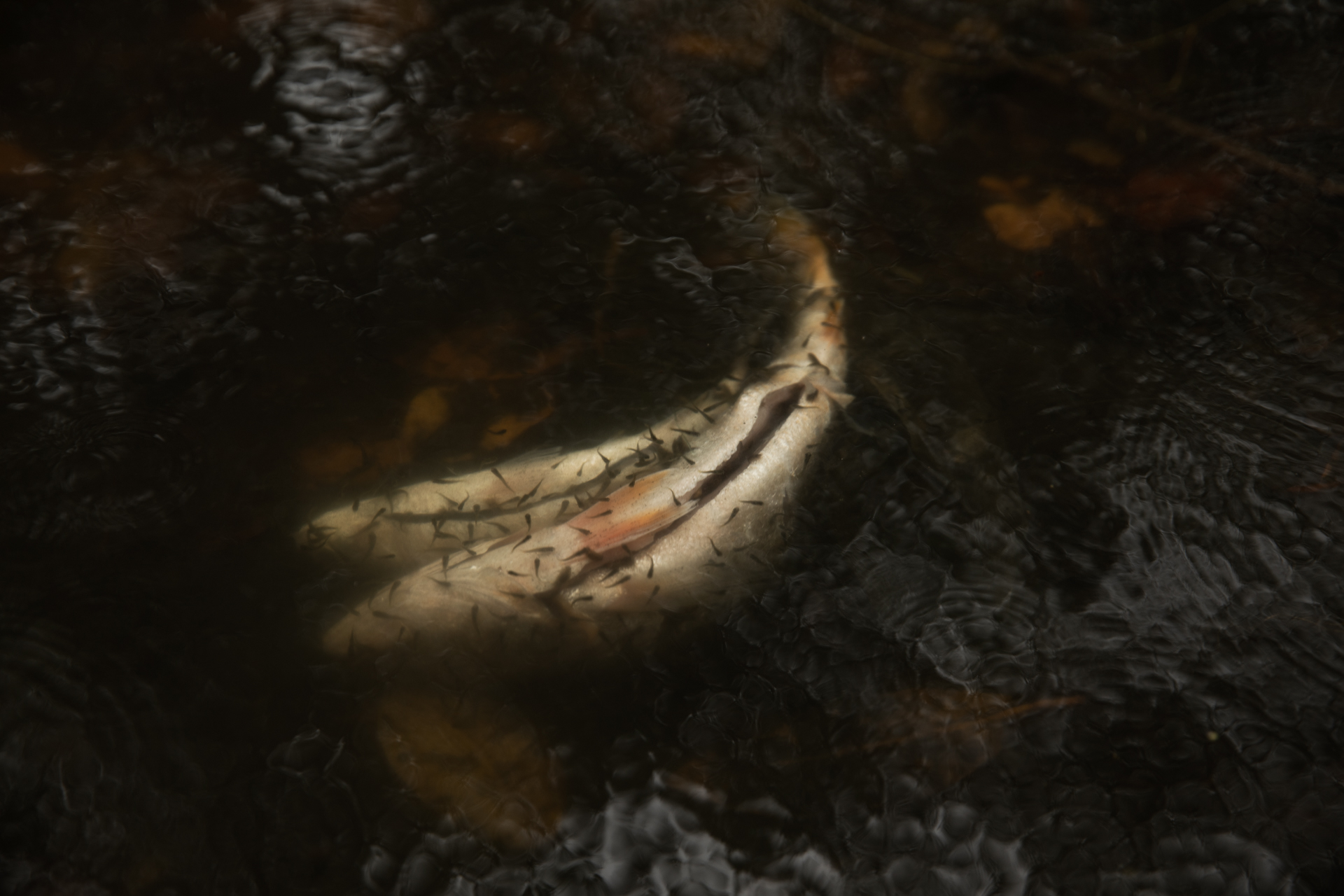
In addition to wastewater discharged from shrimp ponds, which contain chlorine and sulfites according to the Fishers’ Association, the lagoons have witnessed the spread of sea lice, small crustaceans that feed on fish and disrupt the ecological balance of the habitat.
Local fishers and researchers argue that the farm’s discharge in combination with decreasing water levels has transformed the lagoons into a perfect breeding ground for the outbreak, accusations backed by Virginia Tech’s Nicholas Copeland and Marco de León who in their paper Sea lice or subsistence? Peasant multispecies justice in the Plantationocene.
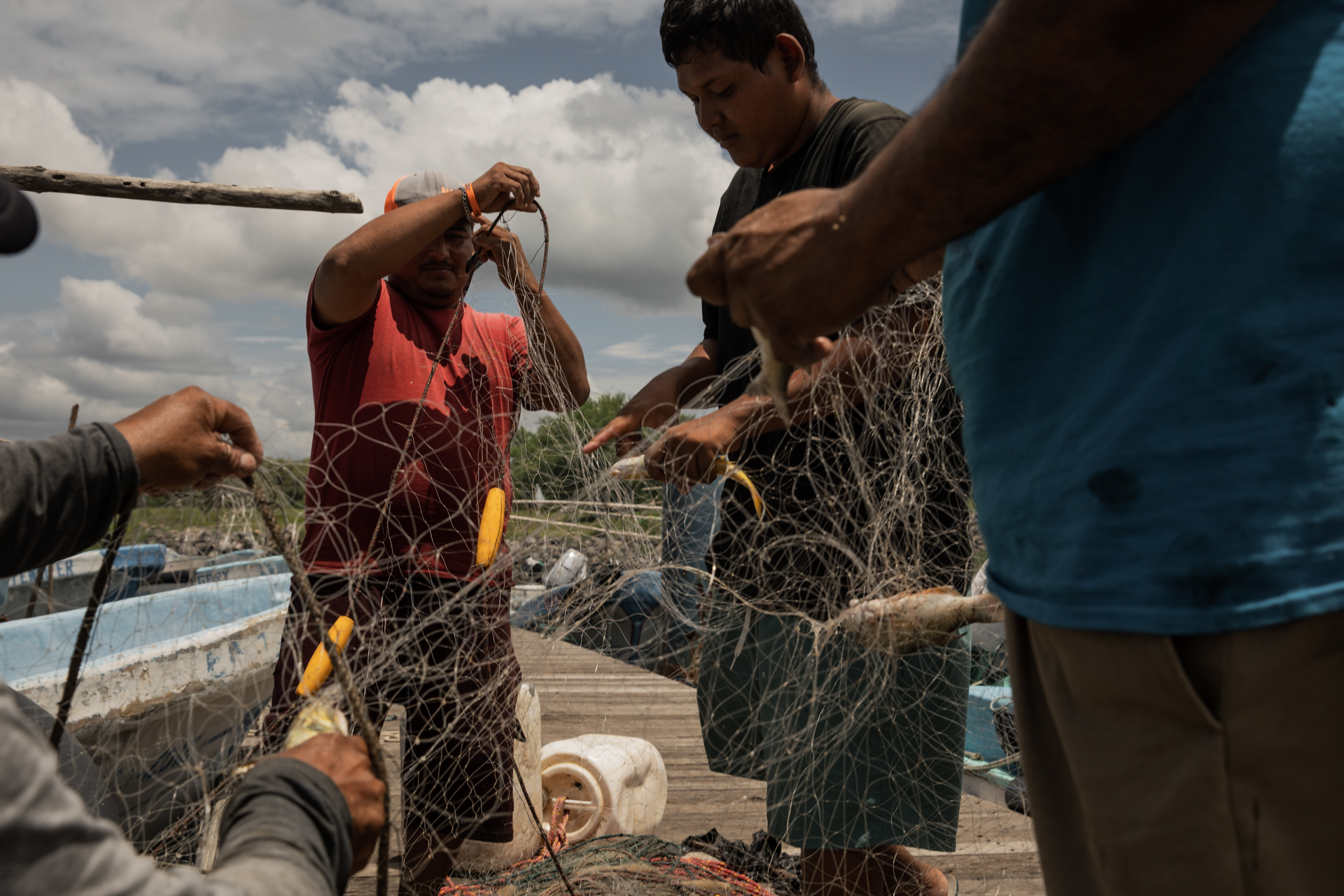
One of the few community leaders who publicly accompanied the researchers is Pedro Liceo Vázquez, who spent more than 30 years engaged in subsistence fishing in the estuaries of Champerico. That changed in 2016, when the Subsistence Fishers’ Association – of which he is vice president – organised a protest against NovaGuatemala, accusing the company of polluting the estuaries, causing biodiversity loss, and increasingly degraded waters.
NovaGuatemala responded by accusing six protesters of coercion. Four years later, all were acquitted for lack of evidence. Since then, no further protests have taken place. Fear of criminalisation, ongoing anonymous threats against community leaders such as Vázquez, and the influence of drug trafficking in the region have severely weakened the already fragile social fabric.
Asked about the environmental allegations, NovaGuatemala claimed that its two operations in the vicinity of the Laguna Grande and El Muerto estuaries had been inactive since 2018 and 2022 respectively. According to NovaGuatemala it never received environmental sanctions or notifications related to pollution or pest outbreaks during the years both farms were operational.
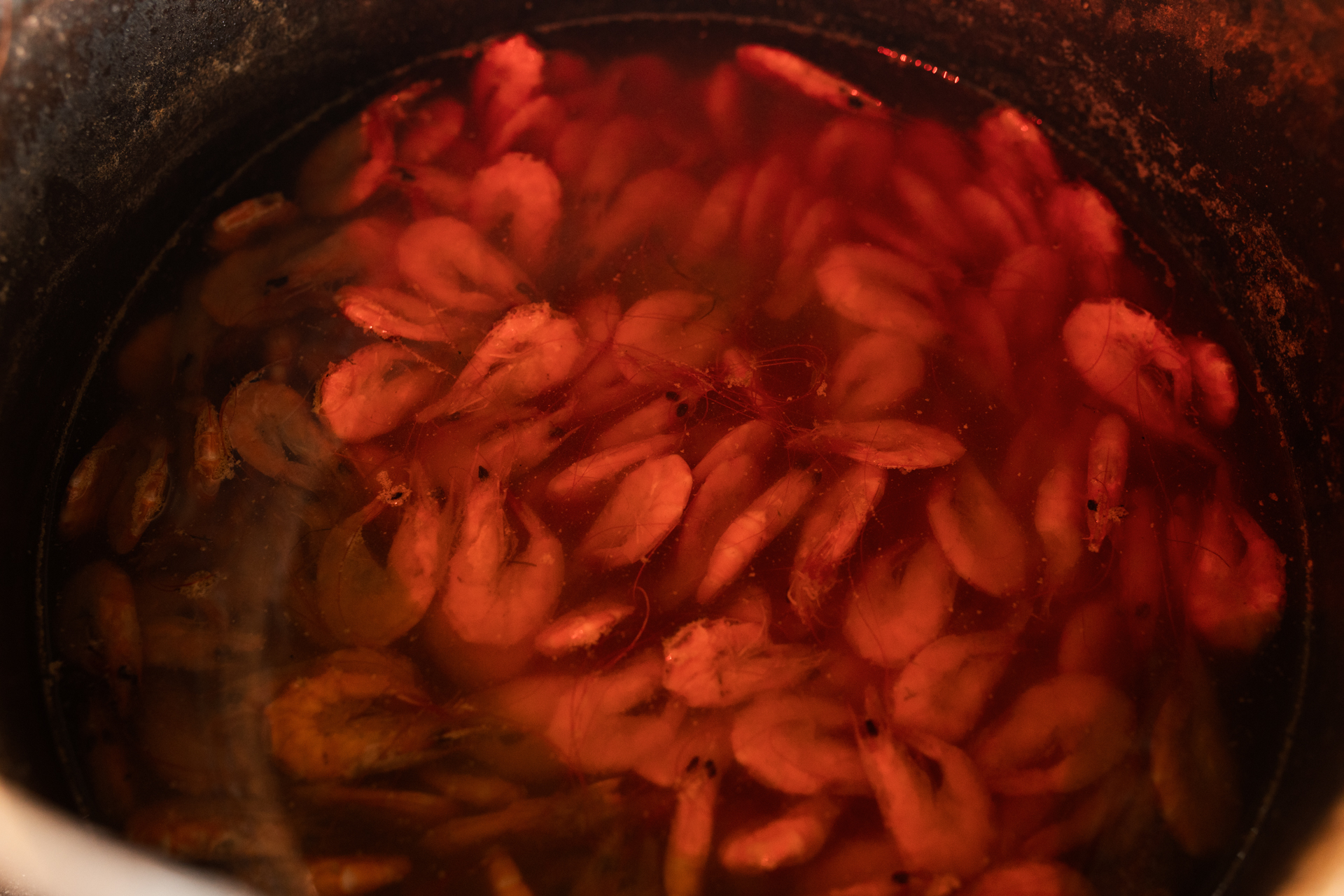
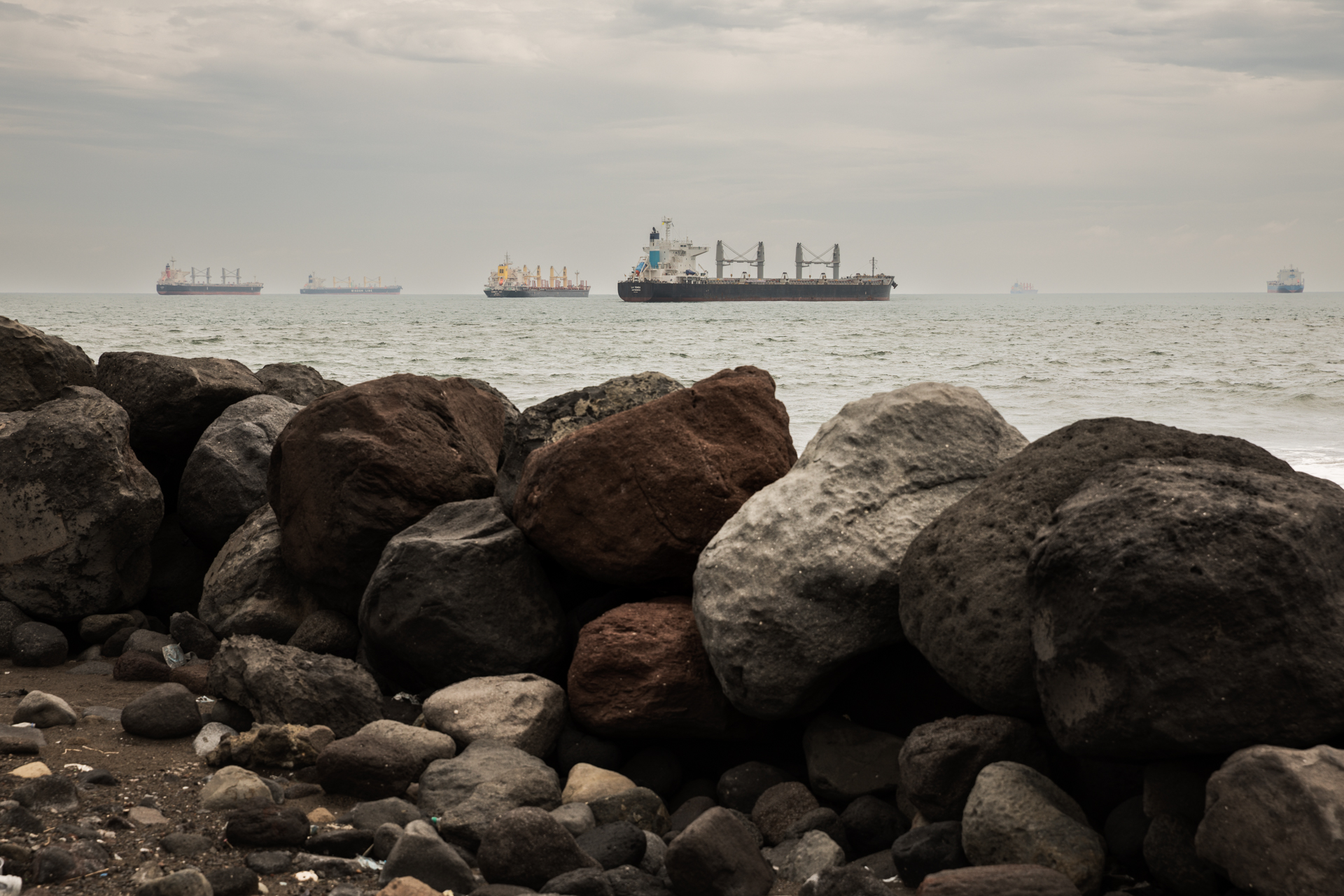
Shrimp produced by NovaGuatemala is exported mainly to Europe, with Spain the primary destination. One of the main shipping points is Puerto Quetzal, located about 200 kilometers from Champerico. According to World Integrated Trade Solution, Spain imported approximately 735,158 kilograms of frozen shrimp from Guatemala in 2024, with an estimated value of $7.05 million.
These figures place Spain among the leading European destinations for Guatemalan shrimp, although other countries – such as the Netherlands and France – also receive significant volumes.
This piece is part of a broader investigation by Víctor Cabo, Gianni Esposito, and Marta Saiz with the Catalan Commission for Refugee Aid, through Lafede.cat’s Connect for Global Change fellowship.