Energy • 8 June 2026

Wiring the World

Words by Charis Brice

The green transition is one of the great human projects of this century. It’s not built by policy alone, but by the sweat and grit of those who make it happen.

Europe’s building stock is aging and inefficient. Approximately 220 million of its buildings were constructed pre-2000; a time before energy ratings became mandatory, when double-glazed windows were an unnecessary luxury and heating ran on fossil fuels without smart controls.

But in the next decades, policy aims to bring the oldest building stock in the world in line with the realities of climate change. That will be done by adding insulation, improving cooling and heating systems, and using renewables to run buildings. The Energy Performance of Buildings Directive from the European Commission aims to fully decarbonise Europe’s buildings by 2050.

But the urgent need for renewables is not just a European issue – it is a global one. The entire world must contend with the effects of a changing climate, and using renovation as a response to these changes requires a workforce that can quickly adapt to and learn new technologies and processes.

By necessity, electricians become energy specialists, builders take on retrofit coordination, and entire crews develop sustainability expertise previously unheard of in their field.

This VIEWS honours the thousands of humans who do the work to help our buildings become more sustainable and allow us to leave a gentler mark on our planet.

Photographs have been provided by Azimut 360, a non-profit renewable energy engineering cooperative based in Barcelona, Catalonia (Spain) working to promote a just and sustainable energy transition through the values of the Social and Solidarity Economy, and by Build Better Lives, a pan-European people-oriented campaign gathering nearly 100 social justice, housing, climate, and health civil society organisations, that aims to ensure decent, affordable, and energy efficient house for all.
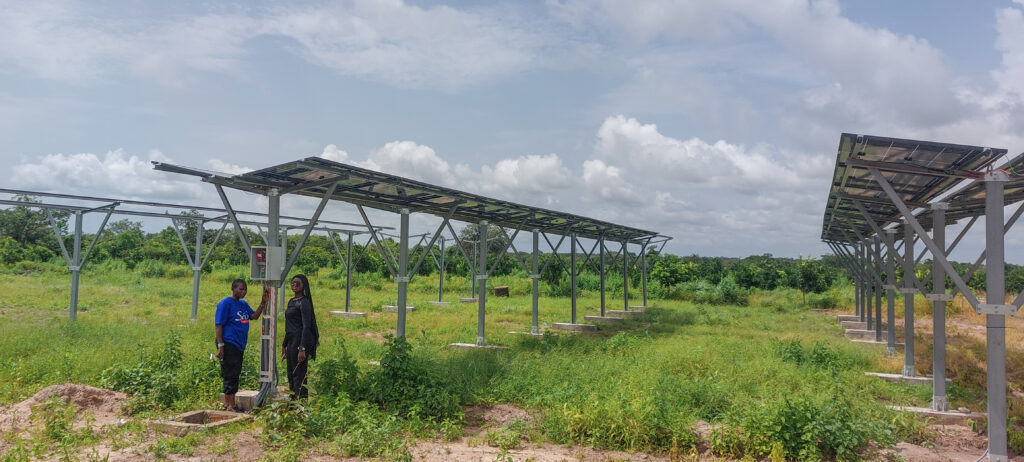
A 33 kWp solar agro-voltaic installation developed by Mbolo Association, brought to life in Tujereng, Gambia, by a group of activists. Photo: Azimut 360
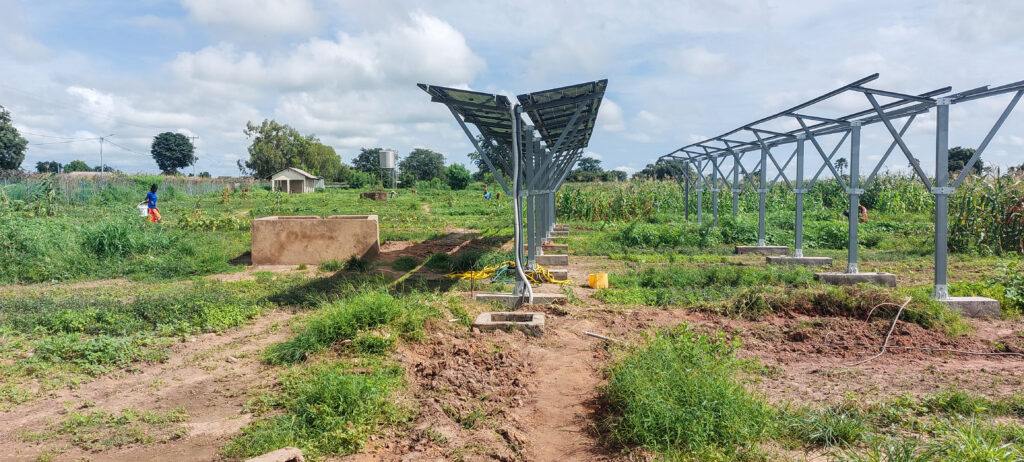
The panels power irrigation, milling, agricultural machinery, food refrigeration, and digital connectivity for the community, in partnership with the University of Gambia and family-owned agro company Afrifarm. Photo: Azimut 360
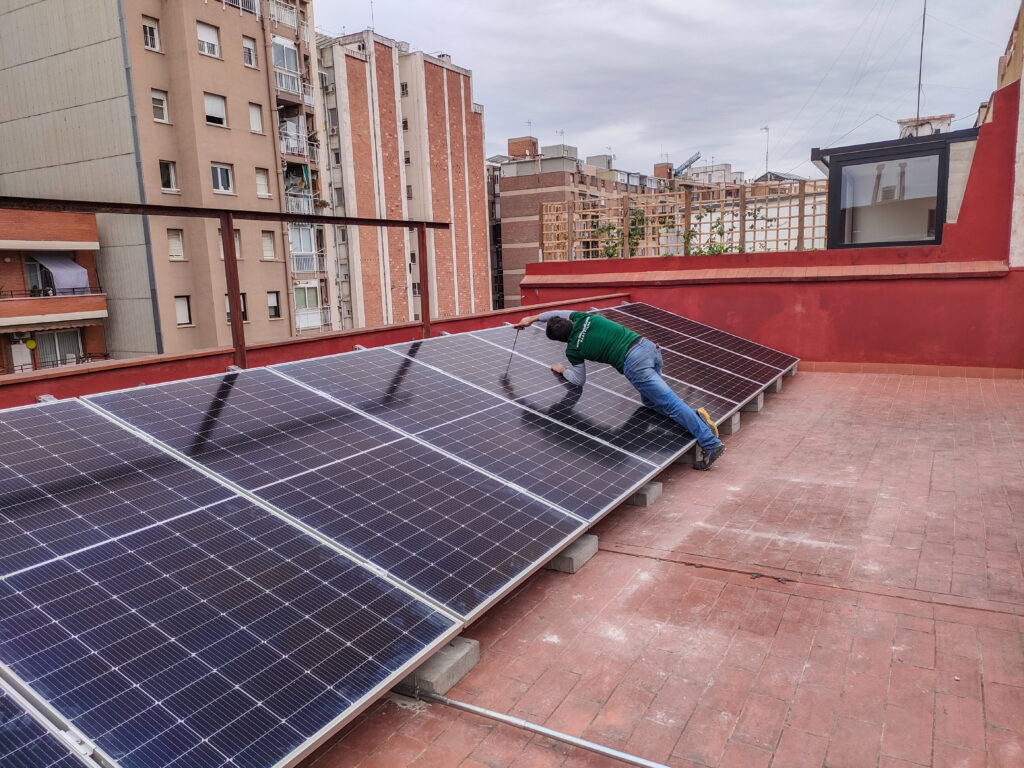
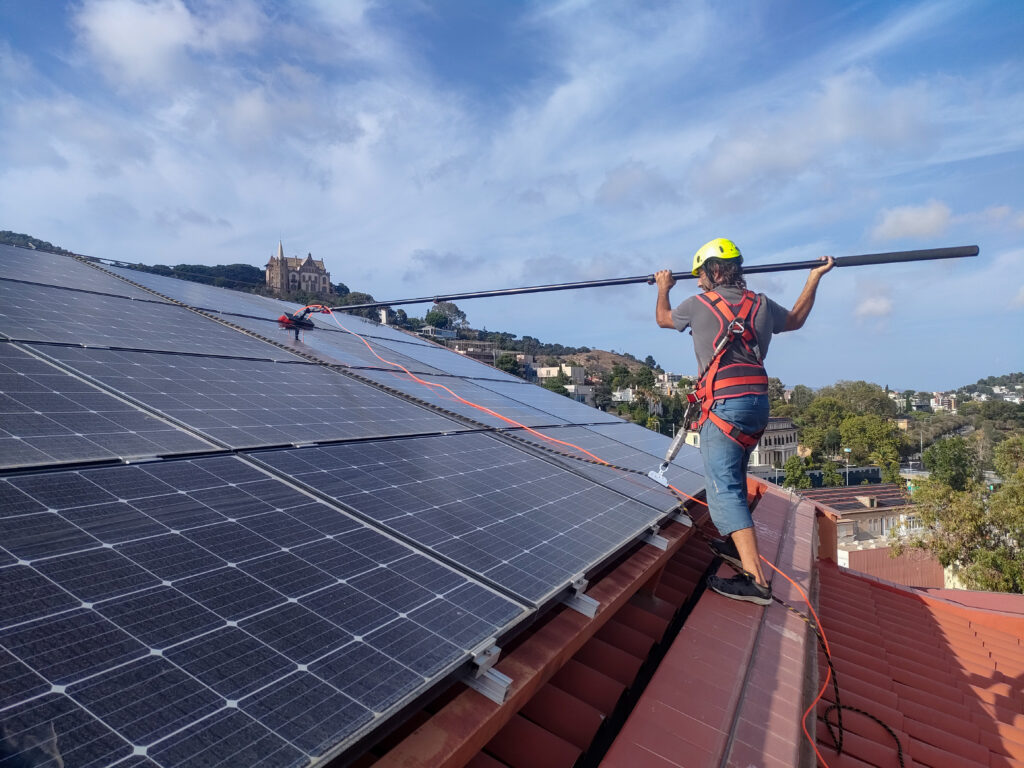
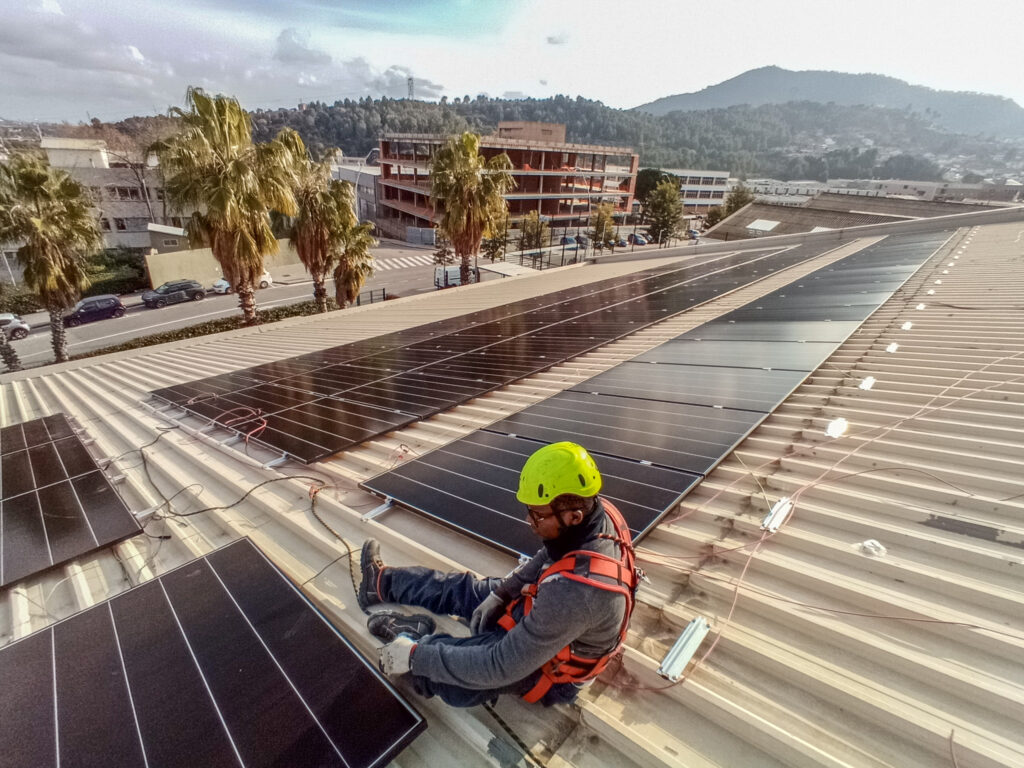
A worker installs solar panels in Barcelona, Catalonia, Spain, as part of a growing network of shared self-consumption projects, bringing community-owned renewable energy to residents across the city. Photo: Azimut 360
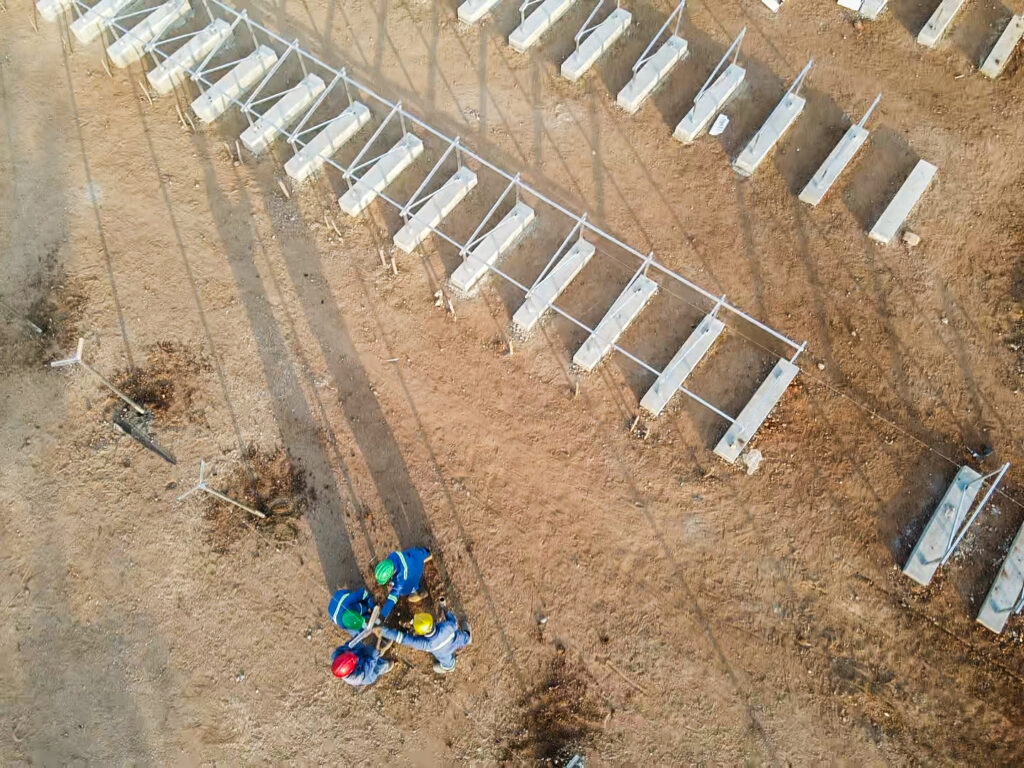
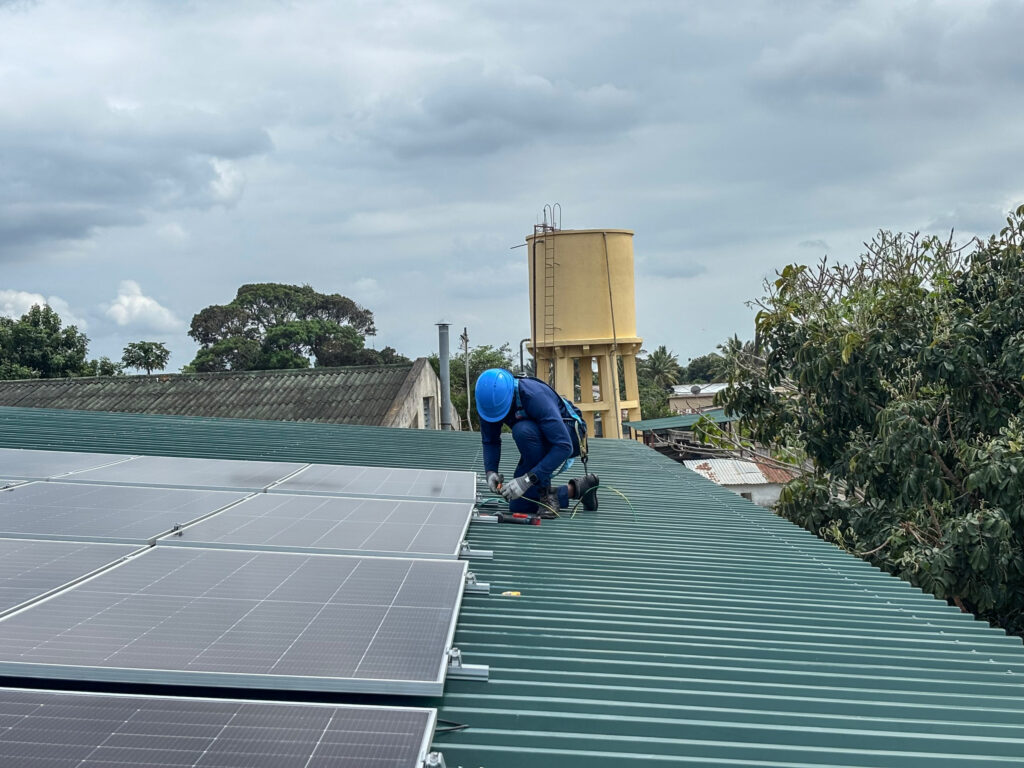
Workers partnered with Azimut 360 in Malawi, Africa. Photo: Azimut 360 
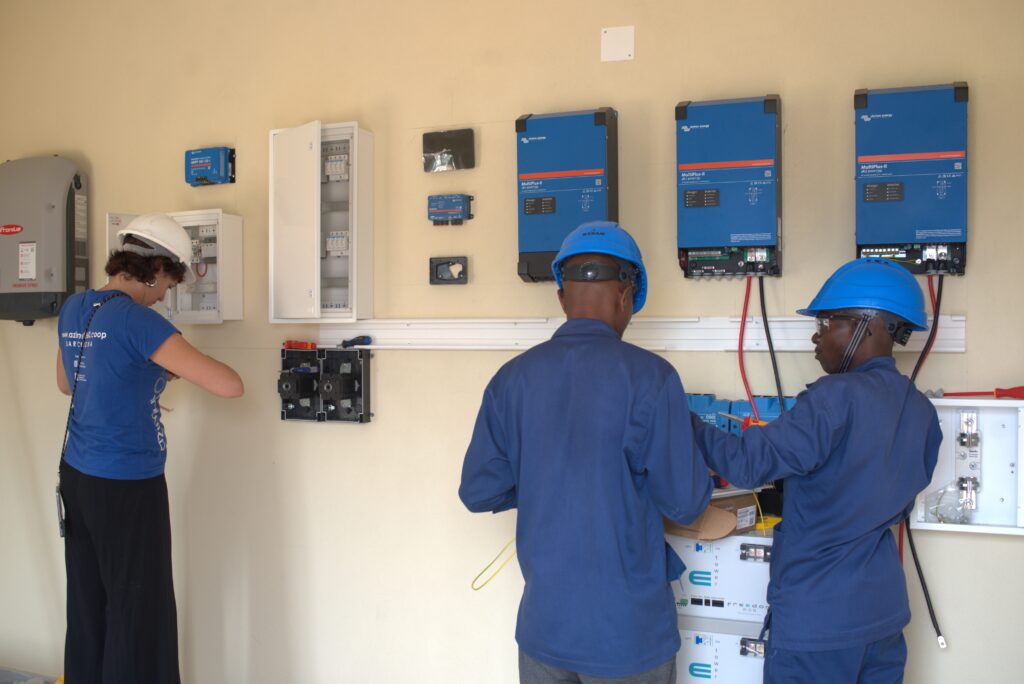
Technicians install inverter-chargers and battery storage units as part of an off-grid energy system. Photo: Azimut 360 
Azimut 360 technicians brave tough conditions to install solar panels to give Barcelona’s residential communities a shared clean energy future – one rooftop at a time. Photo: Azimut 360  
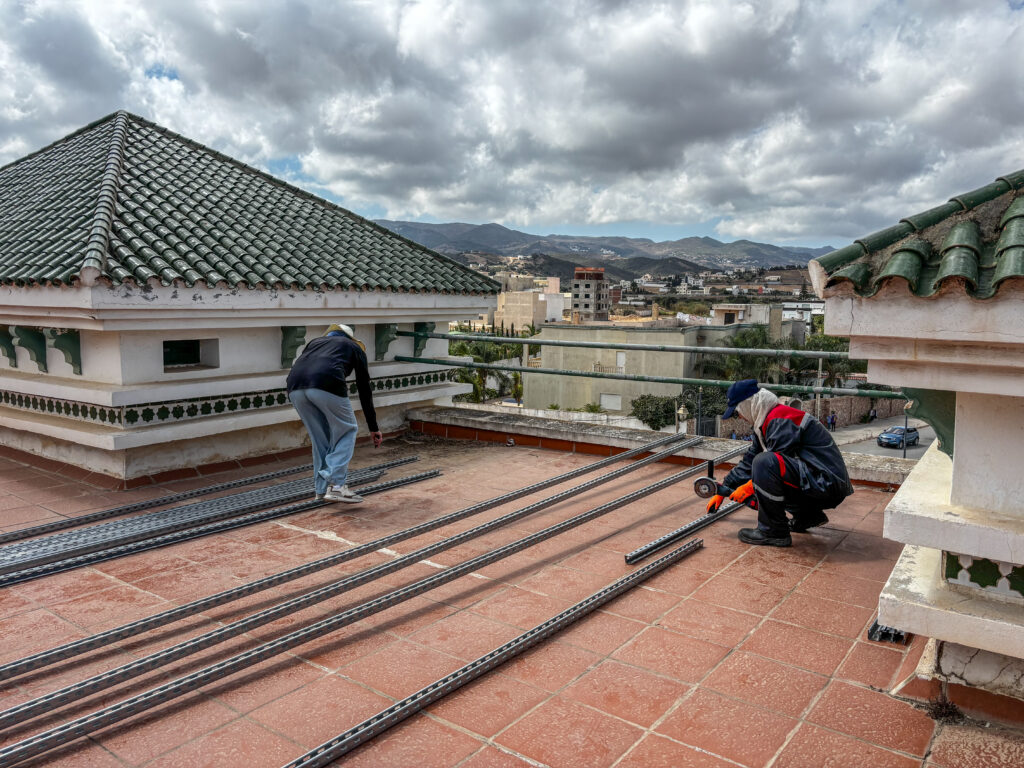
Azimut 360 completed a solar installation at the Mediterranean Institute for Management ISMM in Tetouan, Morocco, delivering hands-on training for women of the cooperative Sunpower. The project was supported by the City Hall of Barcelona in collaboration with the City Hall of Tetouan. Photo: Azimut 360 
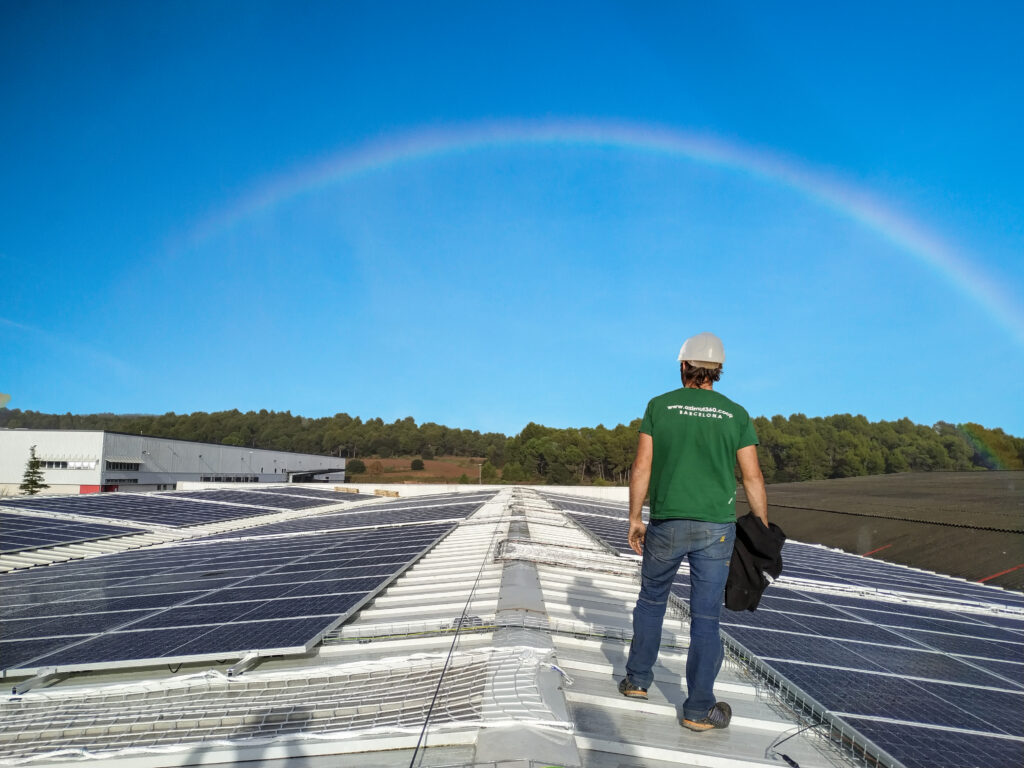
Barcelona has tripled its municipal solar power potential since 2023, putting 91 new installations into operation in just two years, reaching a total of 268 active facilities with 11,449 kWp of installed capacity. Photo: Azimut 360
Solar panel installation in Tetuan, Morocco. Photo: Azimut 360
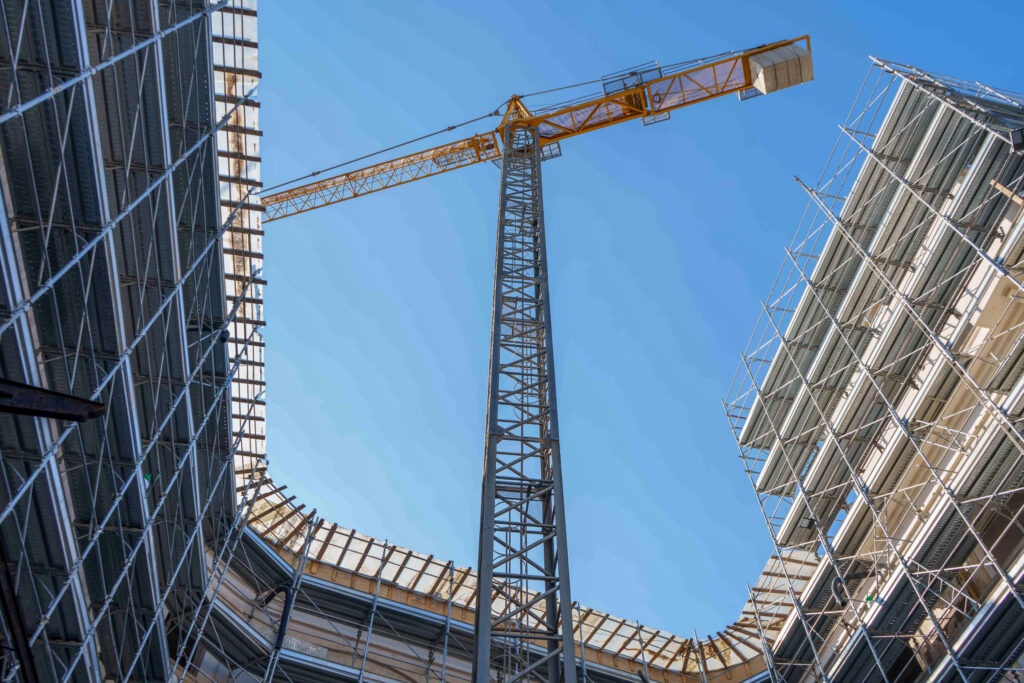
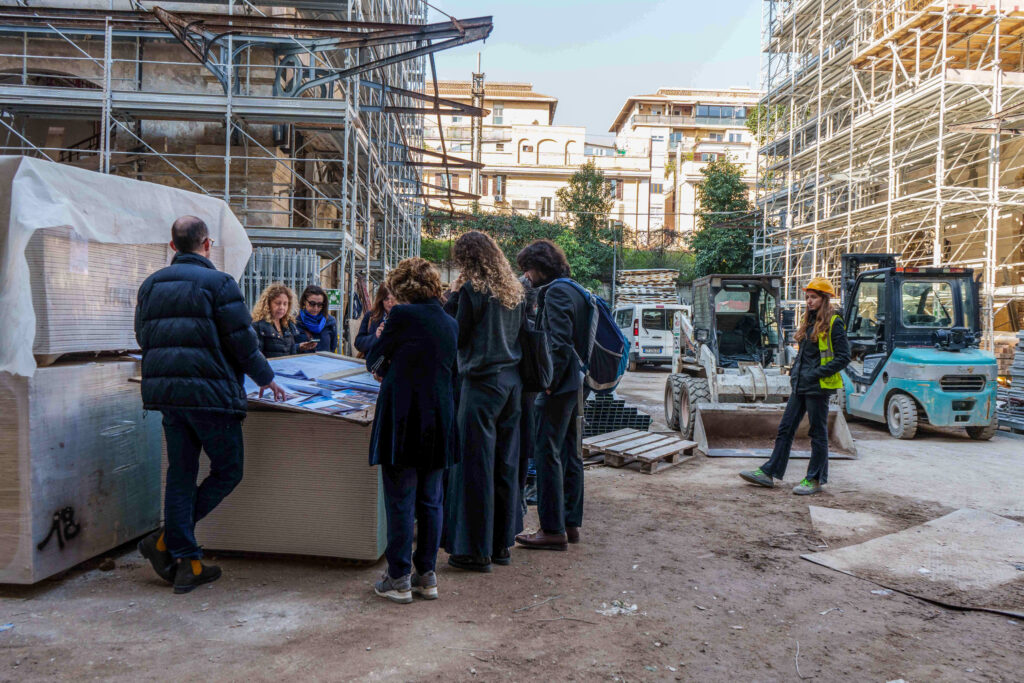
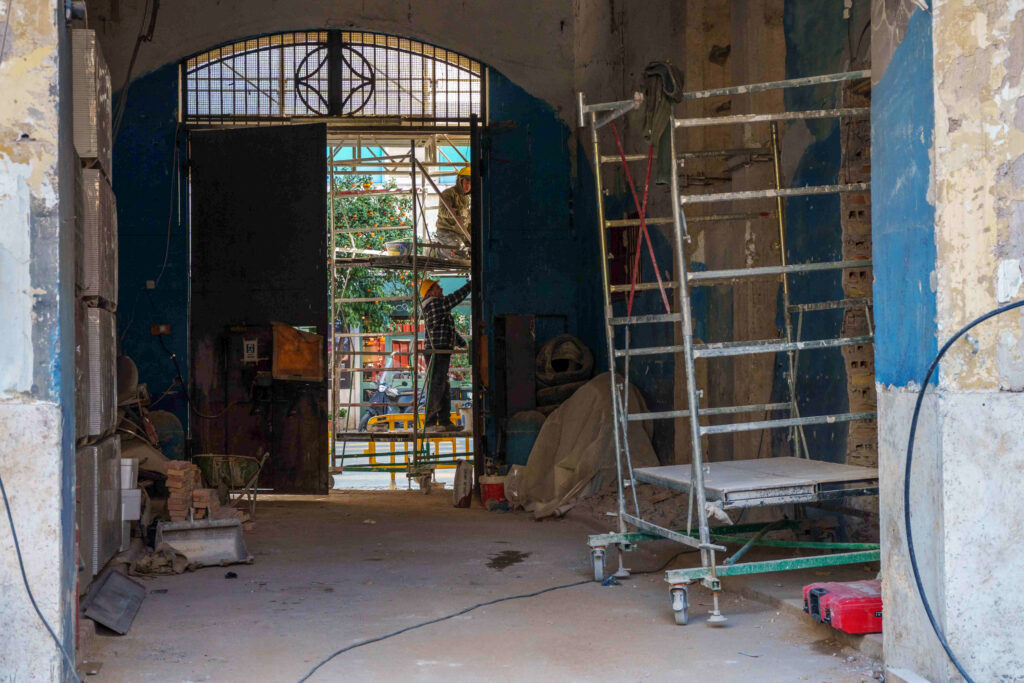
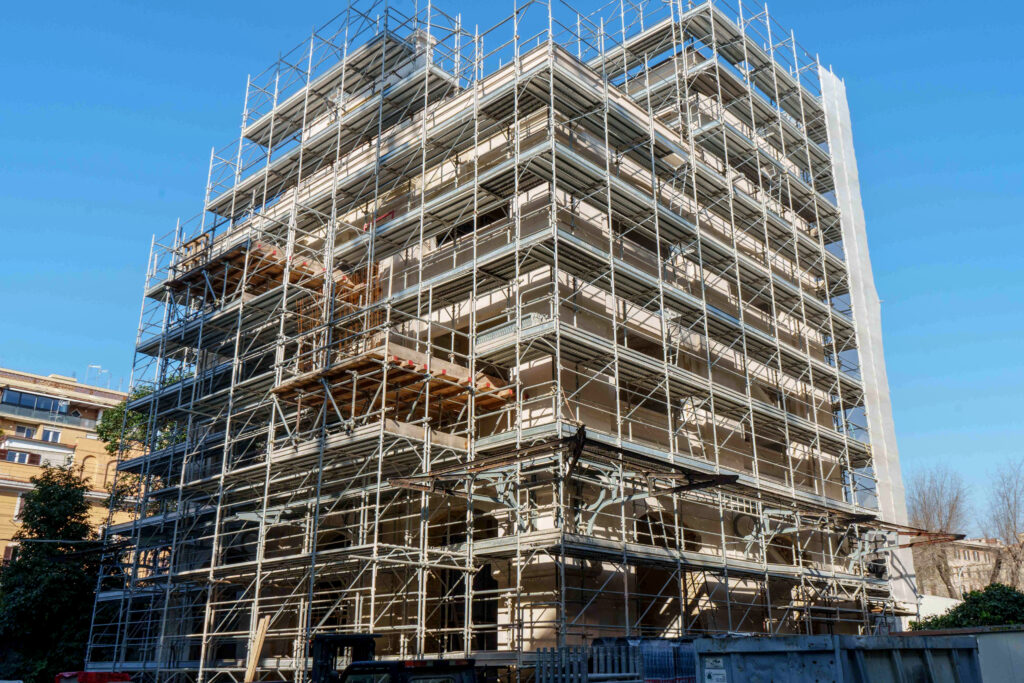
The following photos from Build Better Lives tell the story of a former military site in Rome that is being transformed into affordable, energy-efficient homes for 54 families without consuming a single extra meter of land. Photo: Build Better Lives
Residents of Porto Fluviale co-designed their new neighbourhood, which includes a public square, a local market, an anti-violence center, and a rooftop solar energy community. Photo: Build Better Lives
By repurposing an abandoned yet historically significant structure, this initiative prioritises affordability, sustainability, and community cohesion. Photo: Build Better Lives
Through a participatory co-design process, residents and stakeholders actively shaped the project, combining heritage preservation and forward-thinking housing solutions. Photo: Build Better Lives
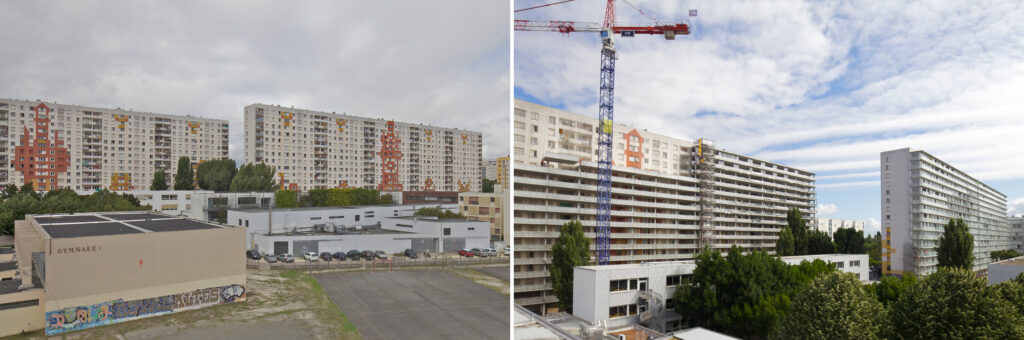
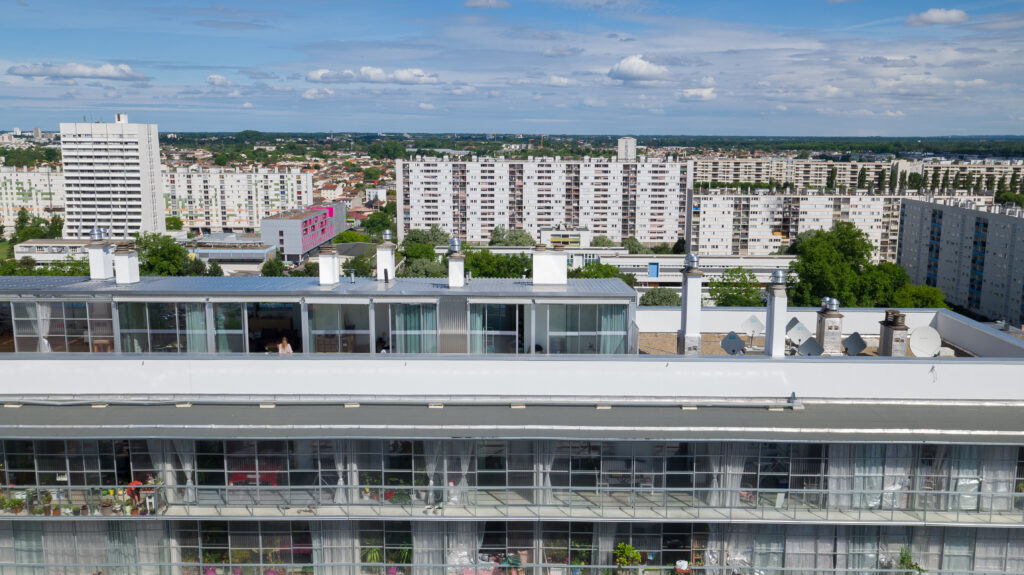
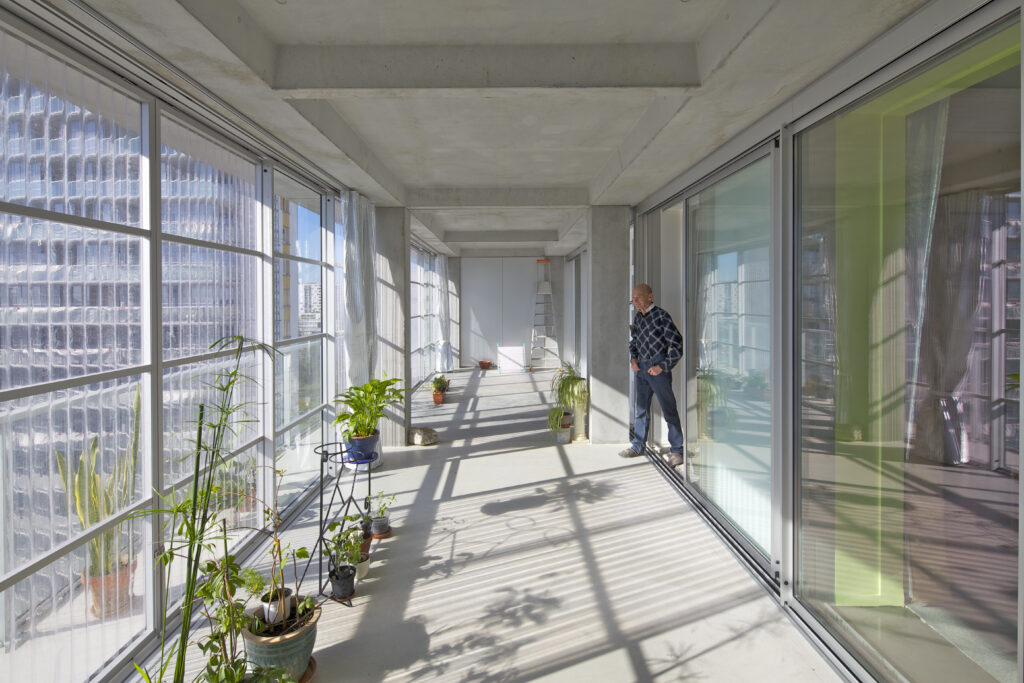
The following photos show the before (left), during (right), and after (below) photos show another project from the Build Better Lives inspiring stories repository which was led by the Municipality of Bordeaux & Aquitanis in collaboration with Lacaton & Vassal architectes, Frédéric Druot Architecture and Christophe Hutin Architecture. They offer a glimpse of the renovation transformation which added an outdoor space to 530 social housing units in France. Photos: Philippe Ruault