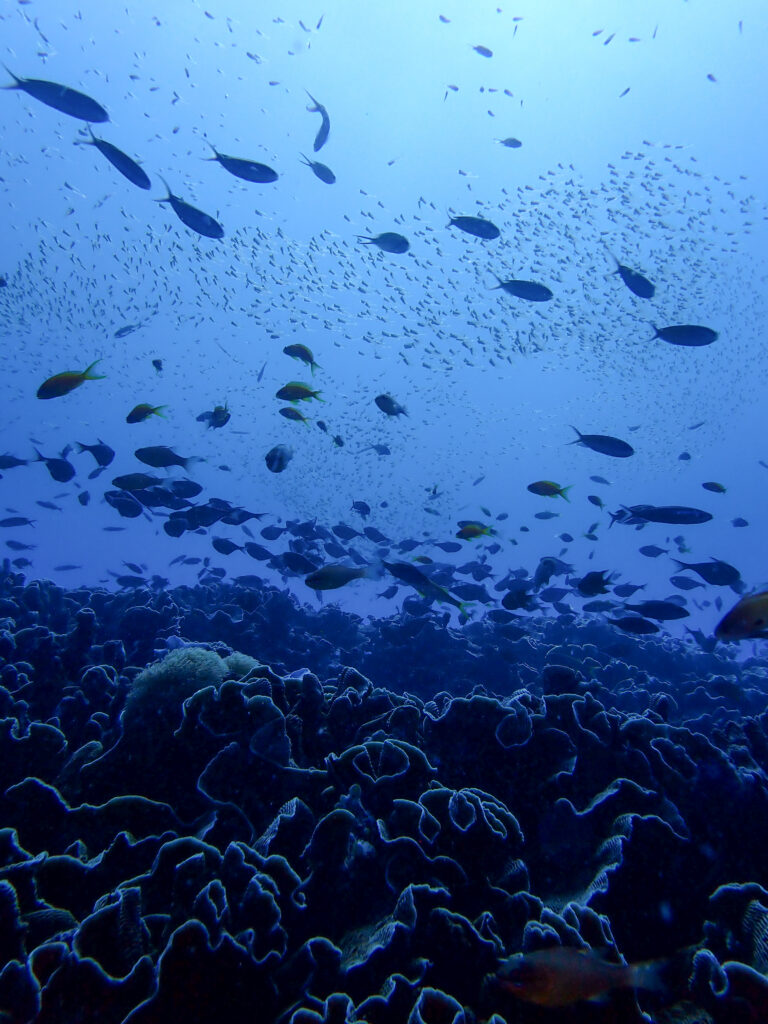
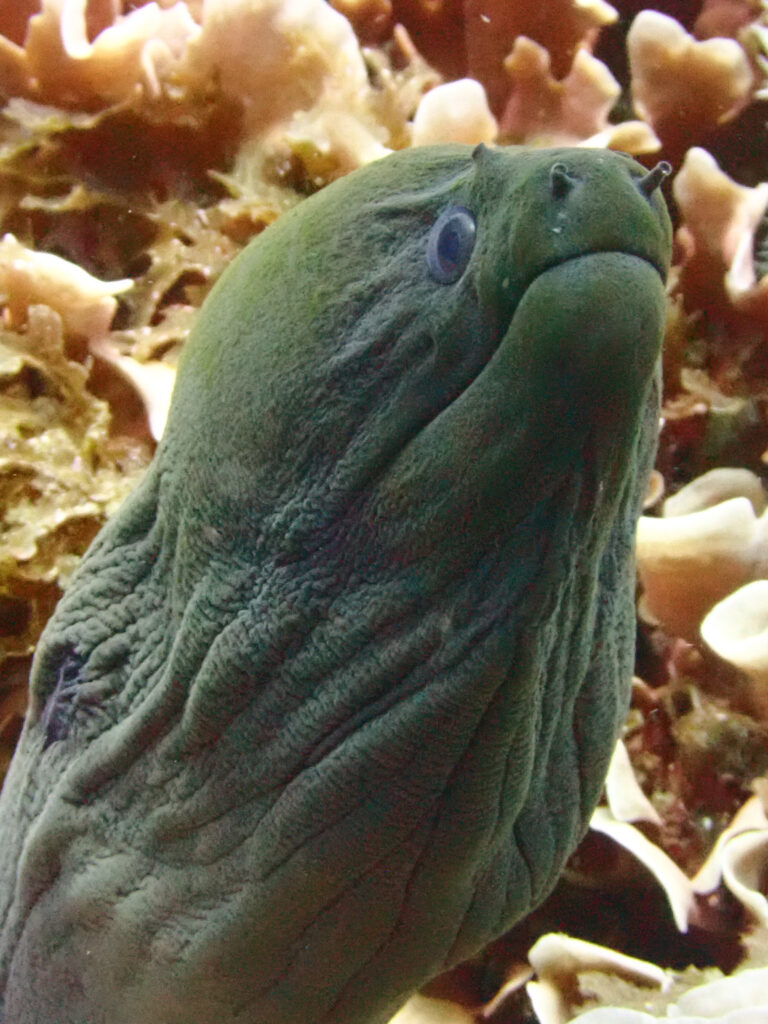
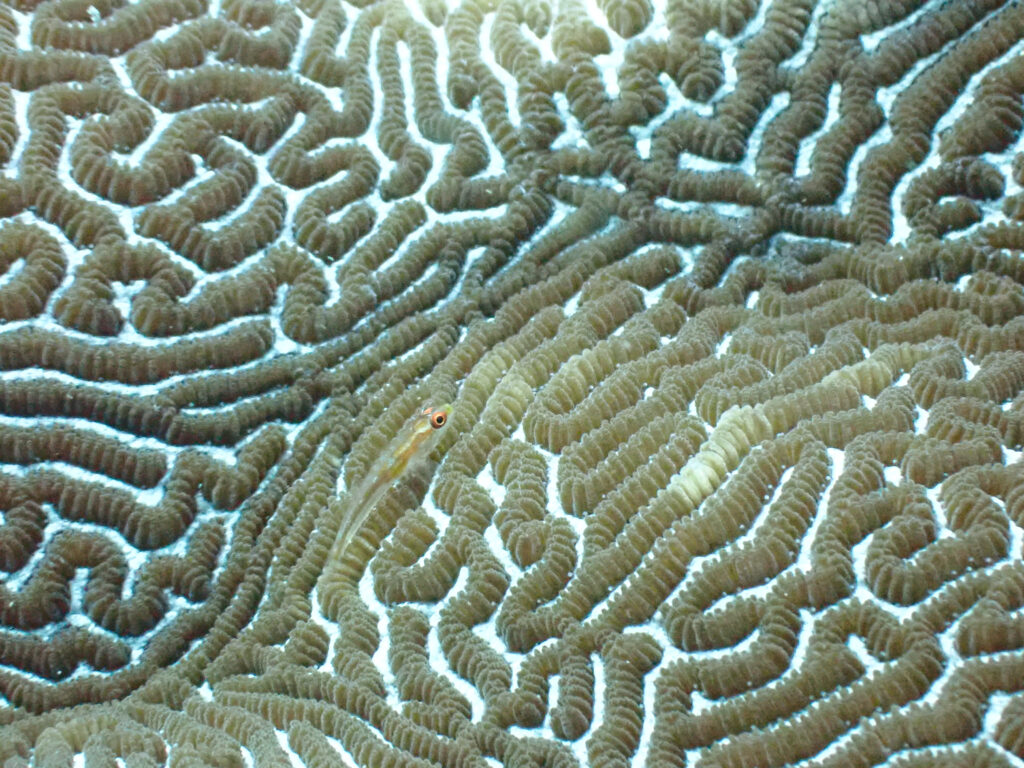
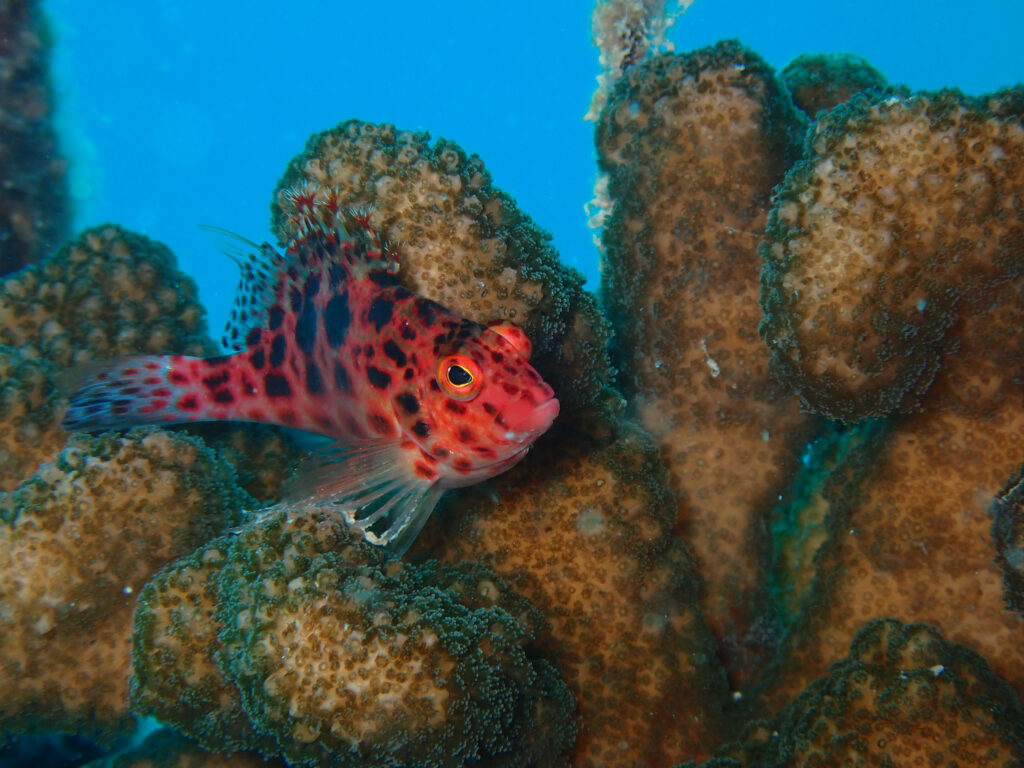
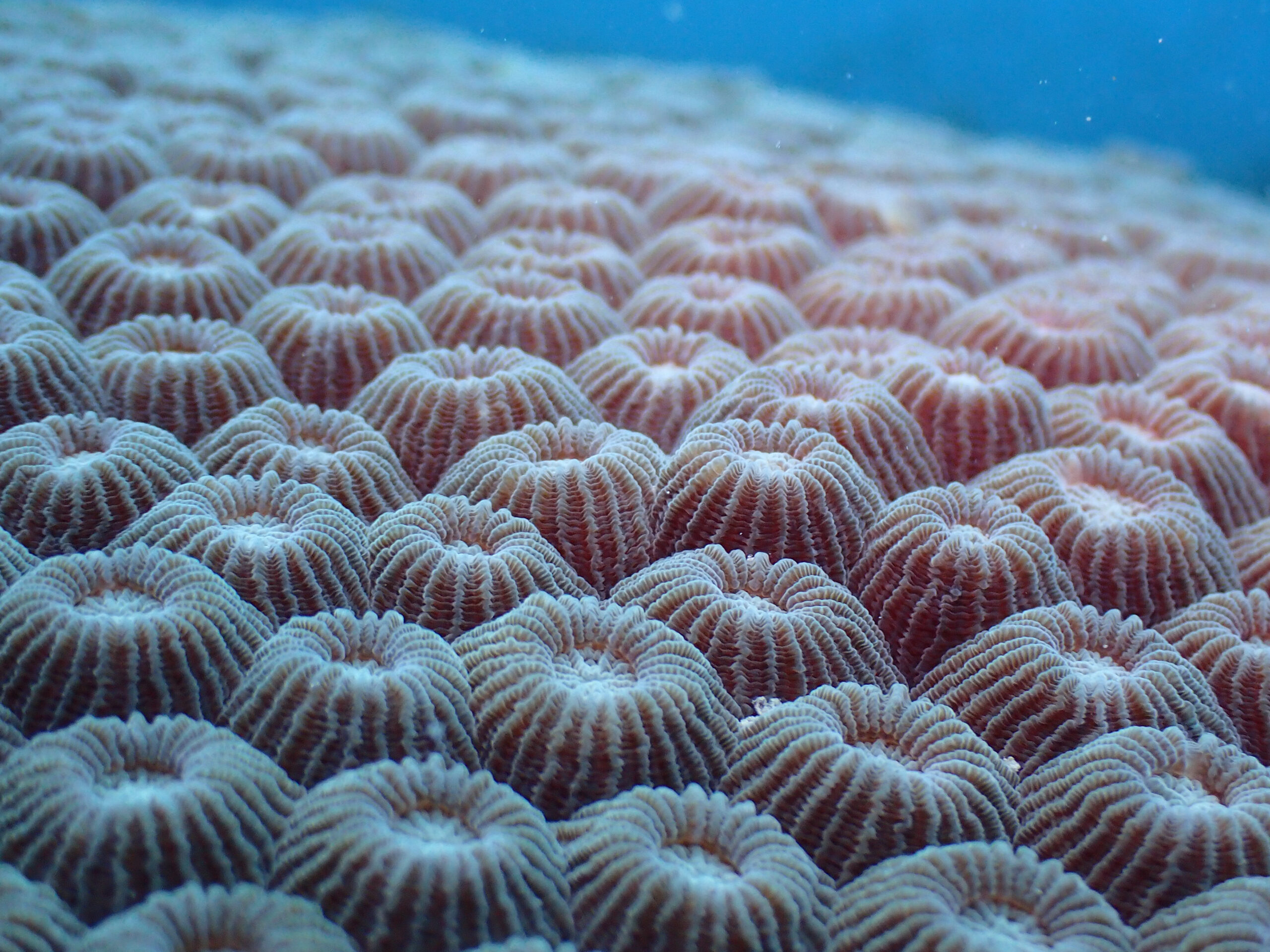
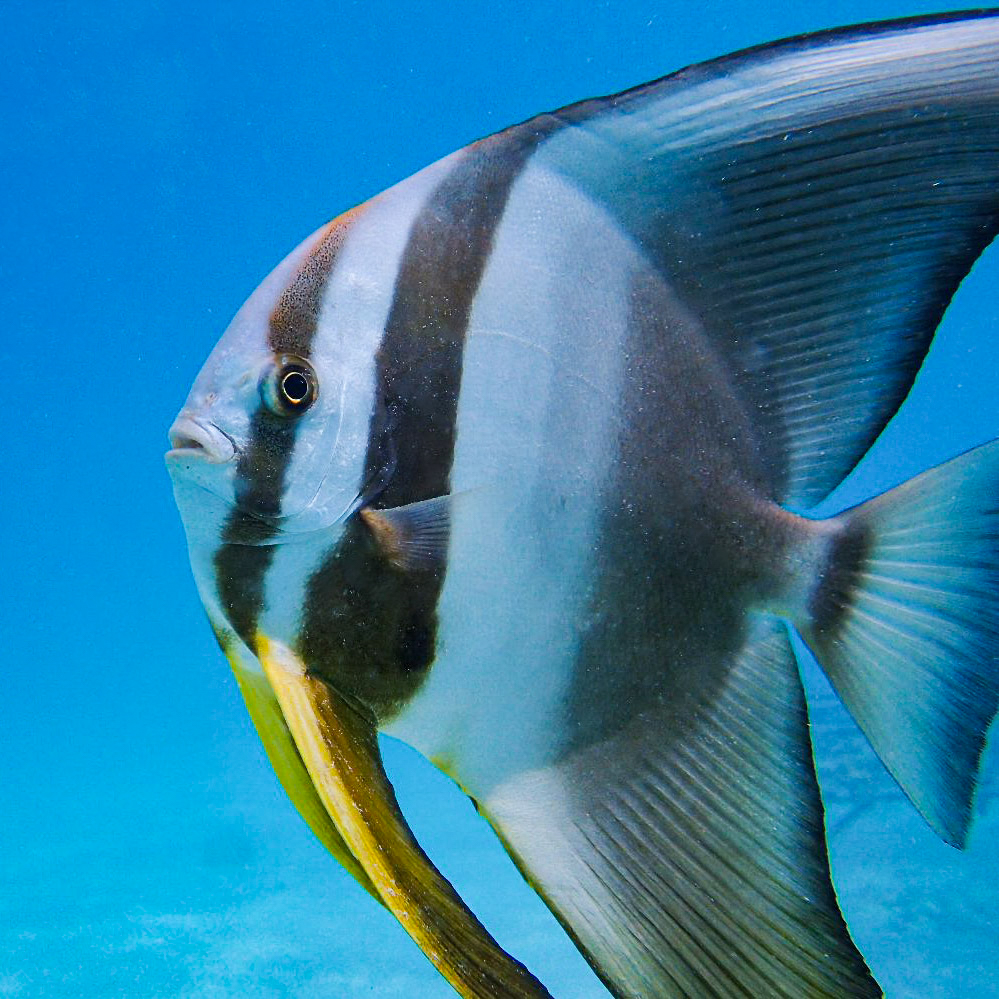
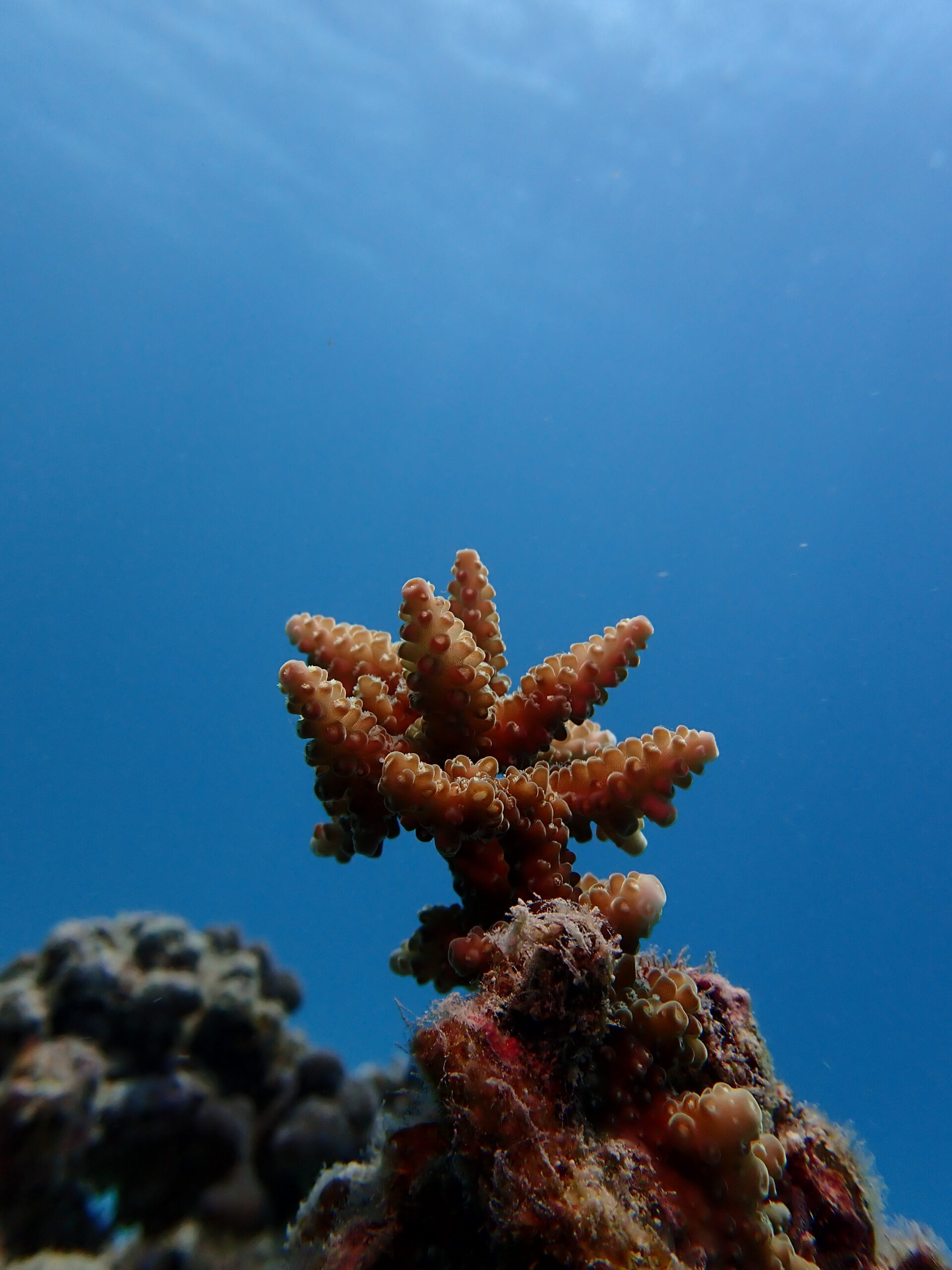
Coral reefs are crafted by millions of tiny polyps, each no bigger than a grain of rice, working together to build underwater cities so immense they can be viewed from space. Every polyp adds its delicate layer of limestone on top of the last, building structures predating the Pyramids. Though corals have no brains or voices, they communicate with remarkable finesse, sending chemical messages to synchronize feeding, reproduction, and even to alert neighbours of danger. Together, they function not as solitary creatures but as a vibrant, interconnected community, much like a forest of trees.
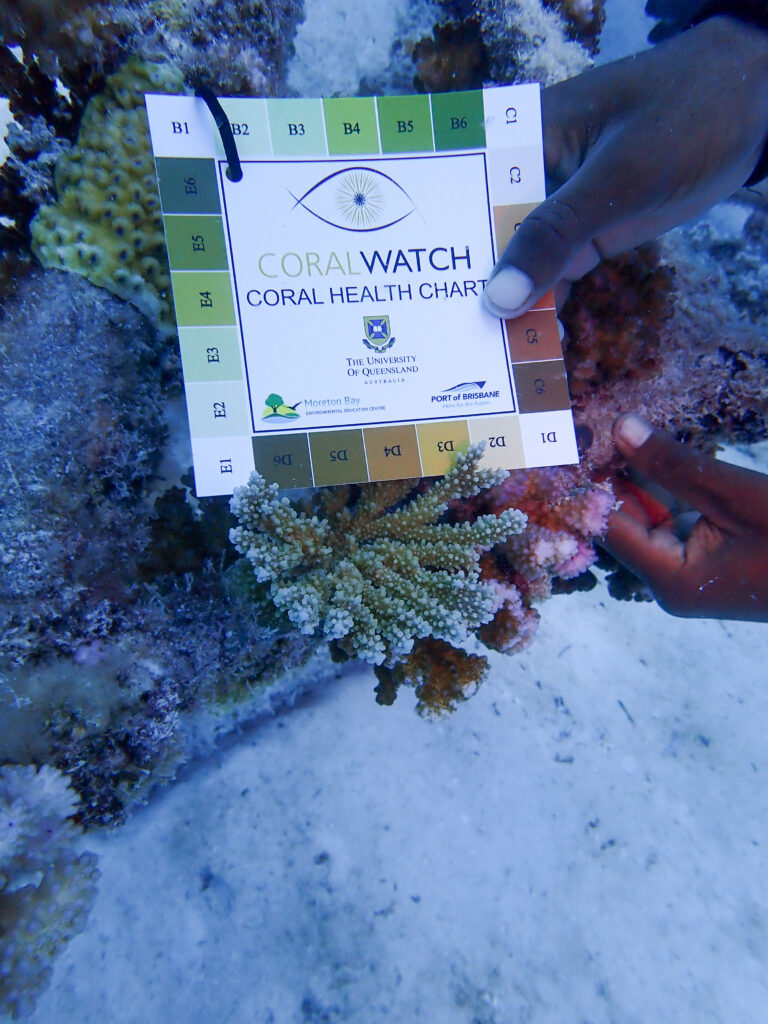
Coral reefs thrive only within a narrow temperature range and in stable tropical waters. Unlike fish and other marine life, corals cannot relocate to cooler or calmer water; they are stuck, exposed to their environments. They rely on microscopic algae, sunlight, and photosynthesis for most of their energy. When water becomes too warm or cloudy, this process fails. Corals then expel the algae, resulting in bleaching. Bleached corals are essentially starving, and if cooler conditions do not return quickly, they will die.
Warming seas also amplify other climate-related pressures, often pushing reefs beyond their ability to recover. Warmer water holds less oxygen, increases susceptibility to pathogens, and coincides with ocean acidification, which weakens corals’ ability to build their calcium carbonate skeletons. Stronger storms and repeated heat stress can damage reef structures, preventing them from regenerating. As many marine species depend on coral reefs, their decline places these species at significant risk.
Coral reefs are sending a clear warning about the collapse of ocean life due to climate change, and in Zanzibar, people are listening.
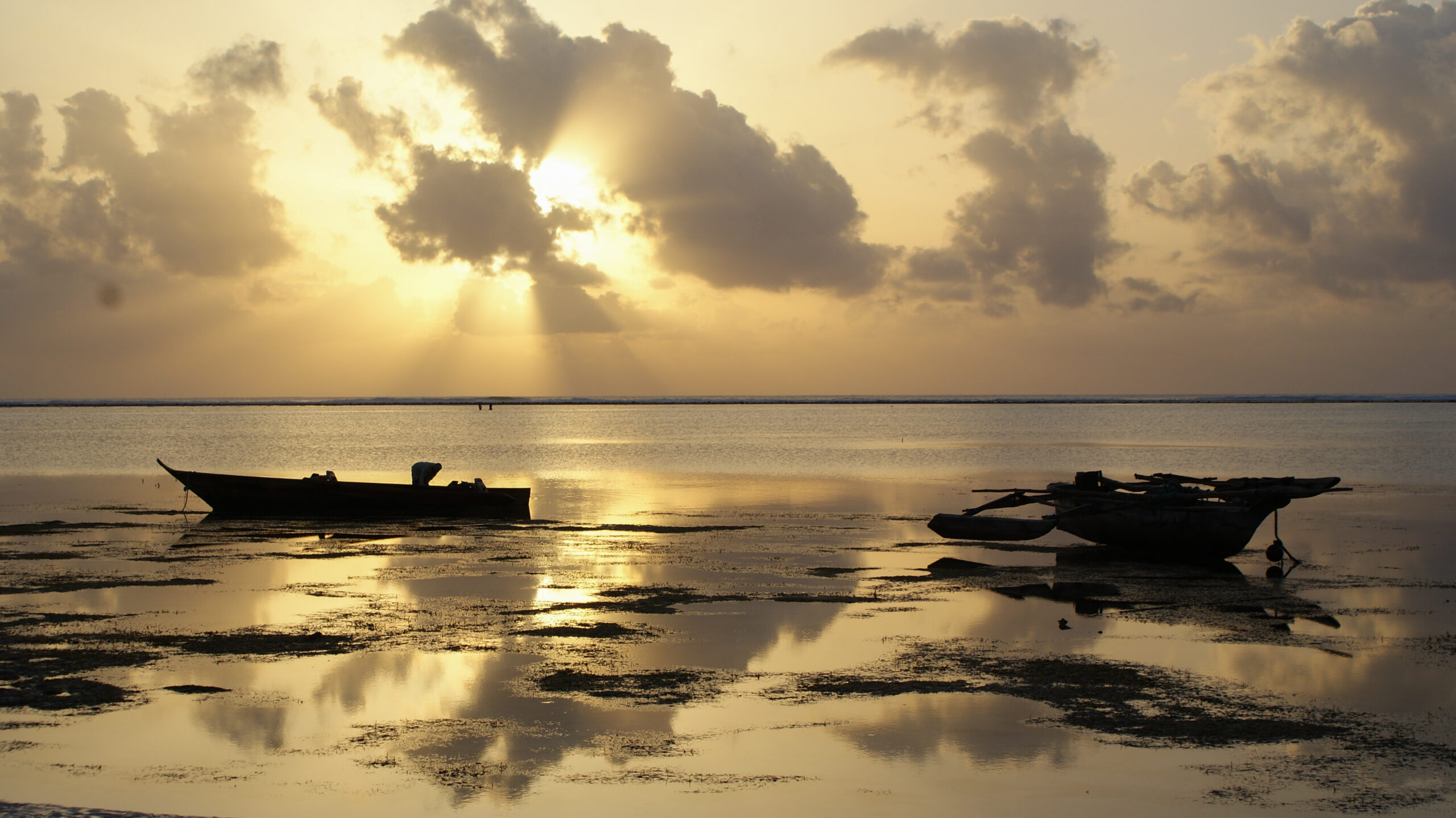
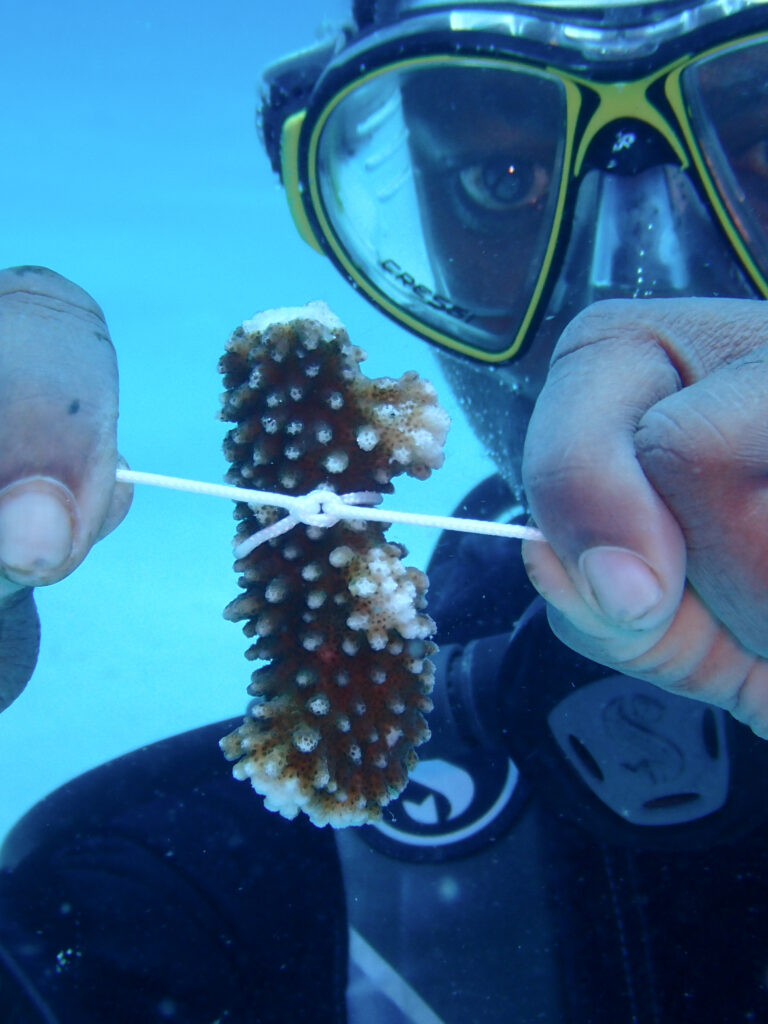
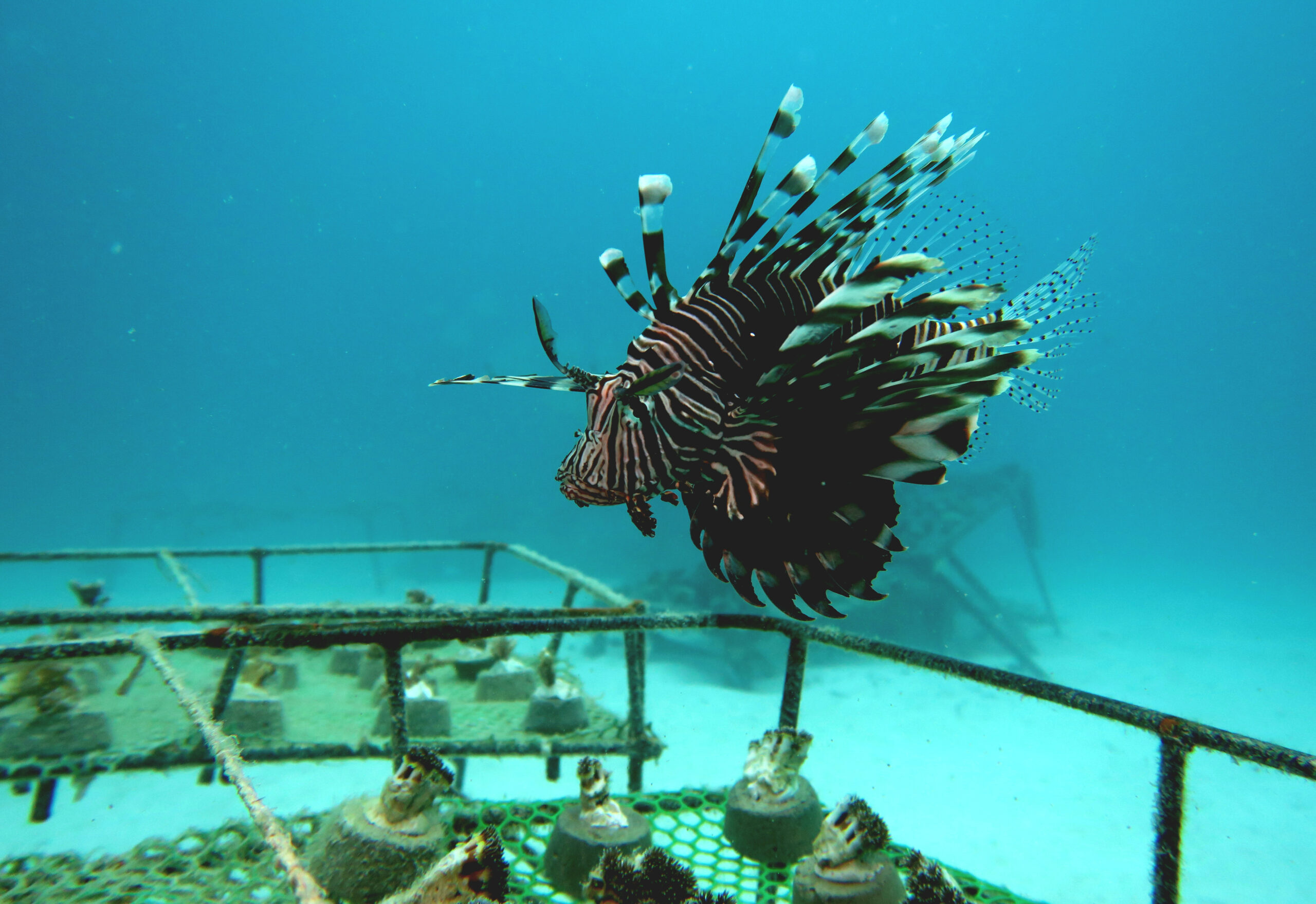
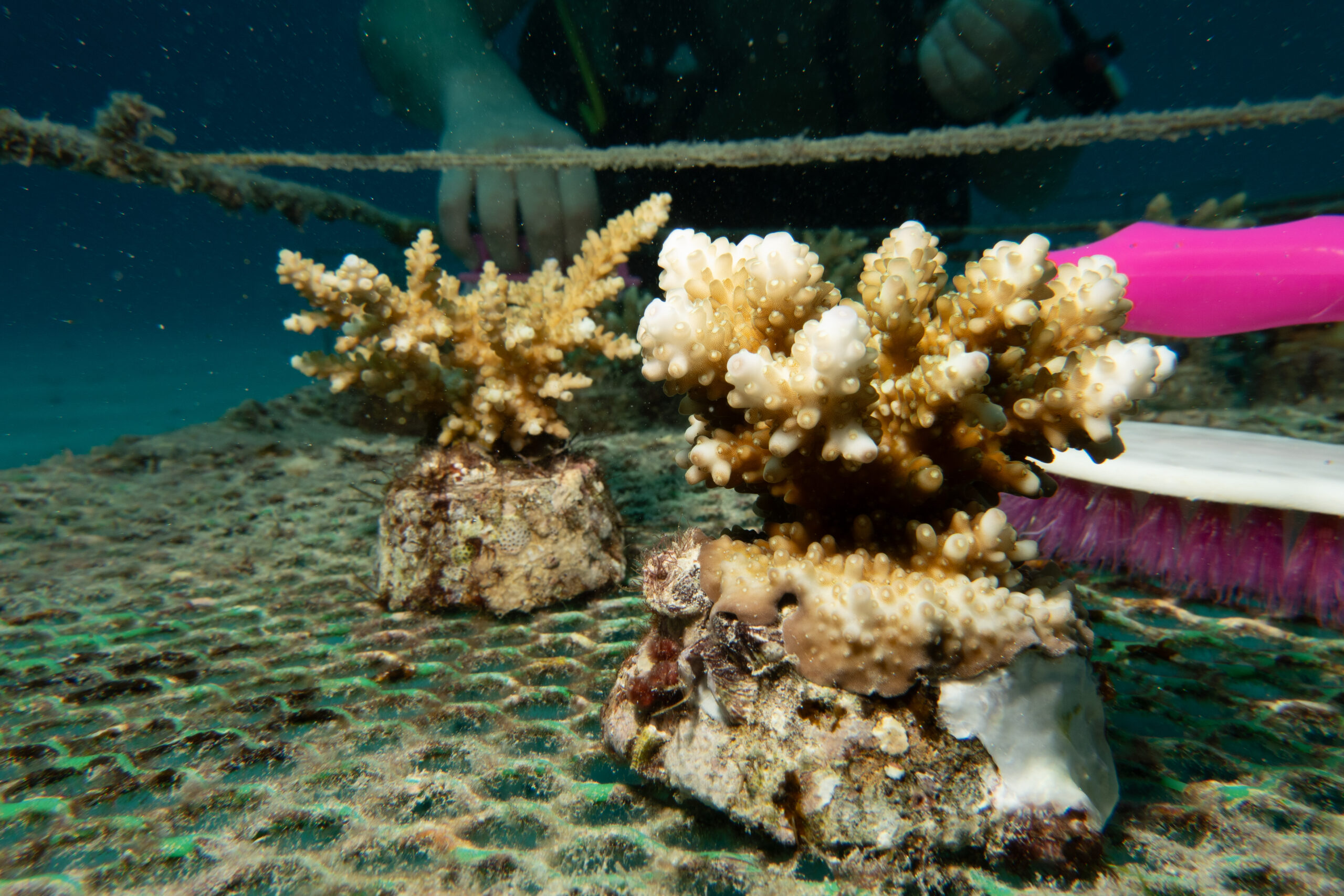
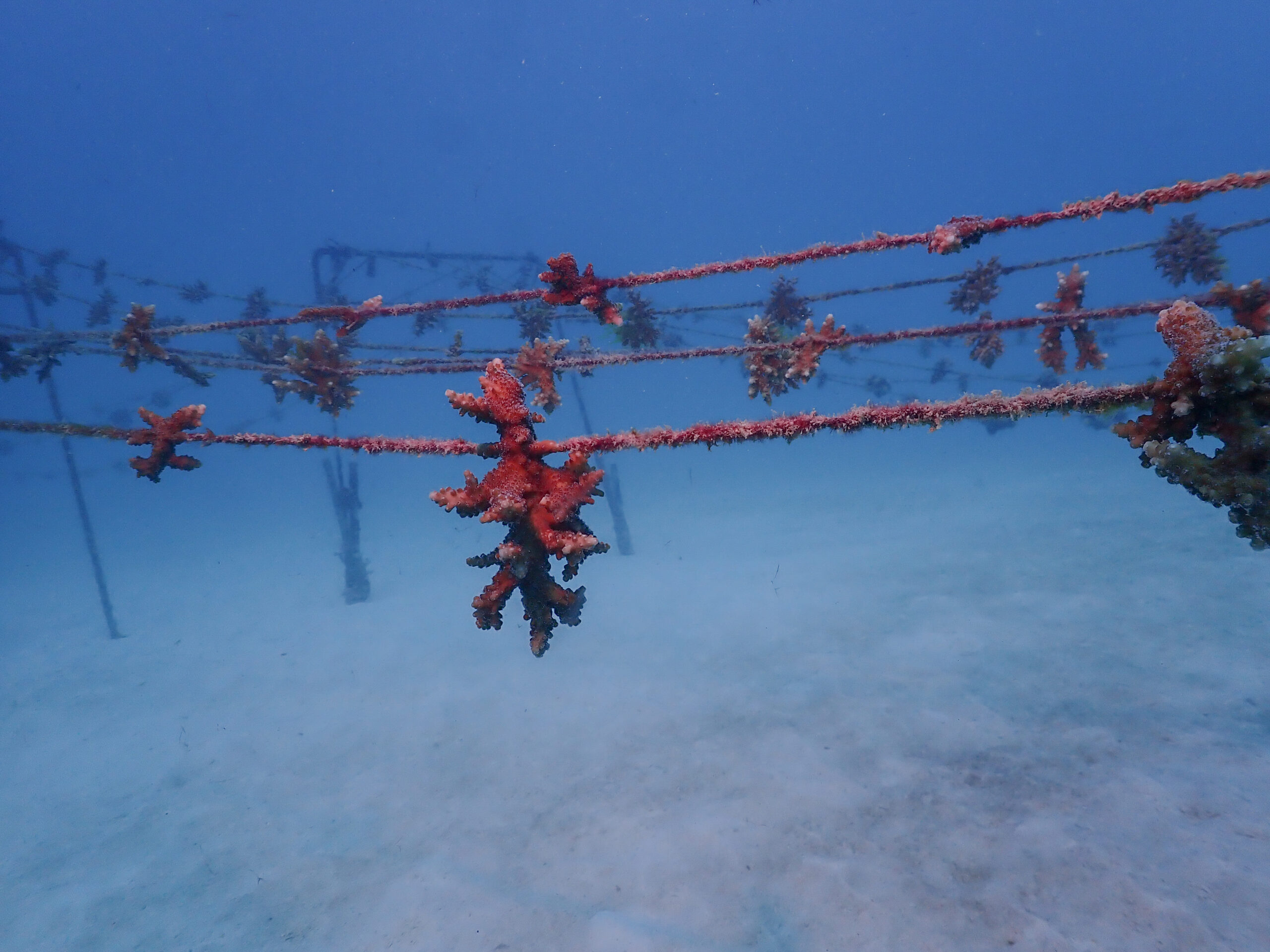
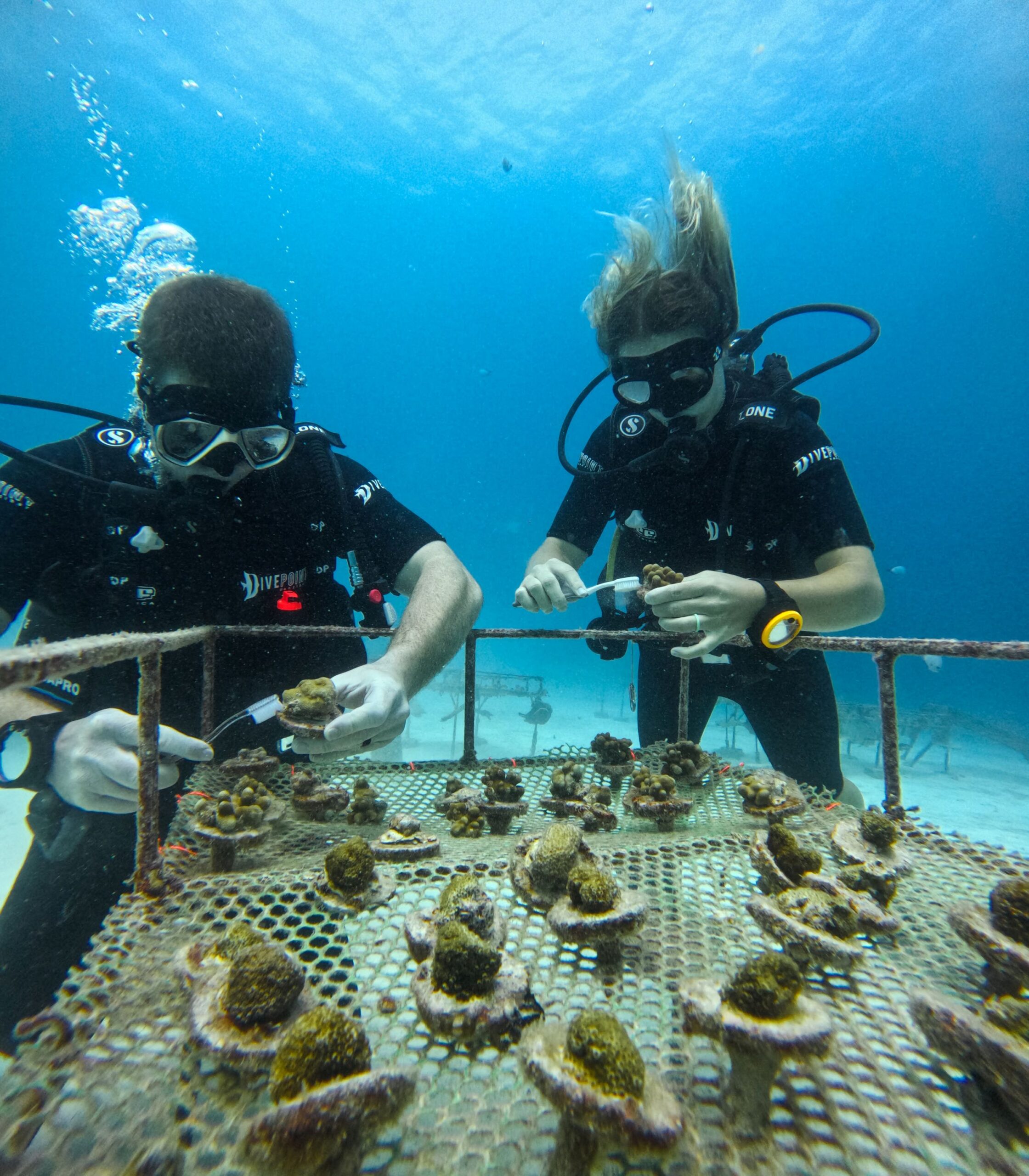
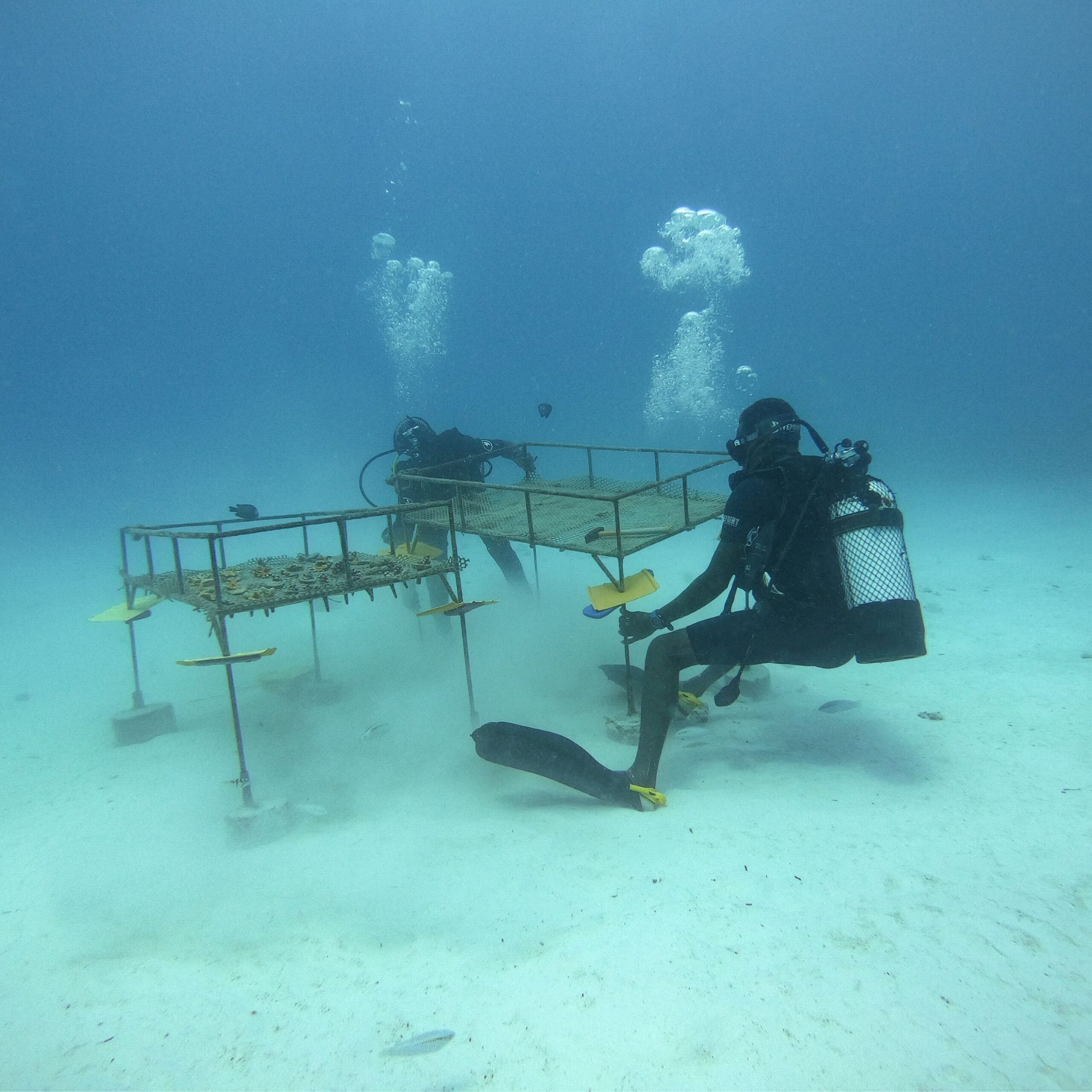
Frank Mollel is a proud Massai from the mountains of Tanzania who fell in love with the sea 15 years ago. Zanzibar lies at the heart of the Western Indian Ocean, where coral reefs protect coastlines, support fisheries, and sustain communities long connected to the sea. But warming waters, overfishing, pollution, and coastal development are pushing these reefs toward decline. In response, Frank began an initiative called Linda Bahari Zanzibar to salvage what is being lost. By involving and teaching local youth the process of growing coral fragments (nubbins) back to health in nurseries and outplanting them onto damaged reefs, the project helps restore reef structure, buying time in a rapidly warming ocean.
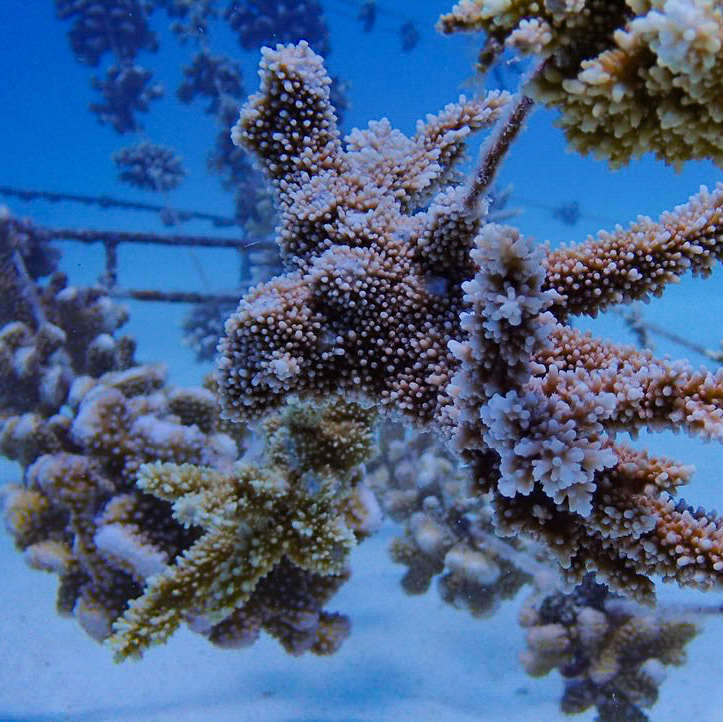
“Corals are not just gray rocks or colorful plants; they are living animals, and come in all sizes, textures, and colors. They can camouflage themselves with their surroundings and work in harmony with one another, communicating without ever speaking. Corals play a vital role in ocean life, housing 25% of marine life despite covering only <0.1% of the ocean floor. I love them because they provide food, shelter, and medicine; they support the ecosystems above and below them, and they act as a barrier to protect us from the wrath of the sea, breaking those massive waves into gentle, calm swells”, says Frank.
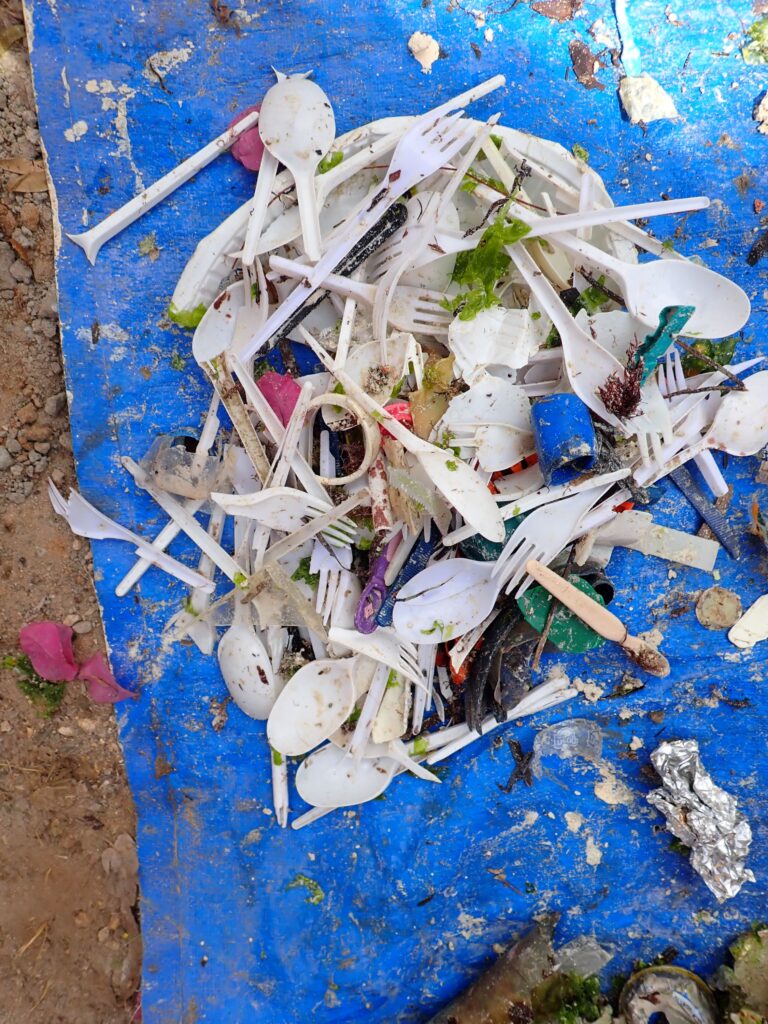
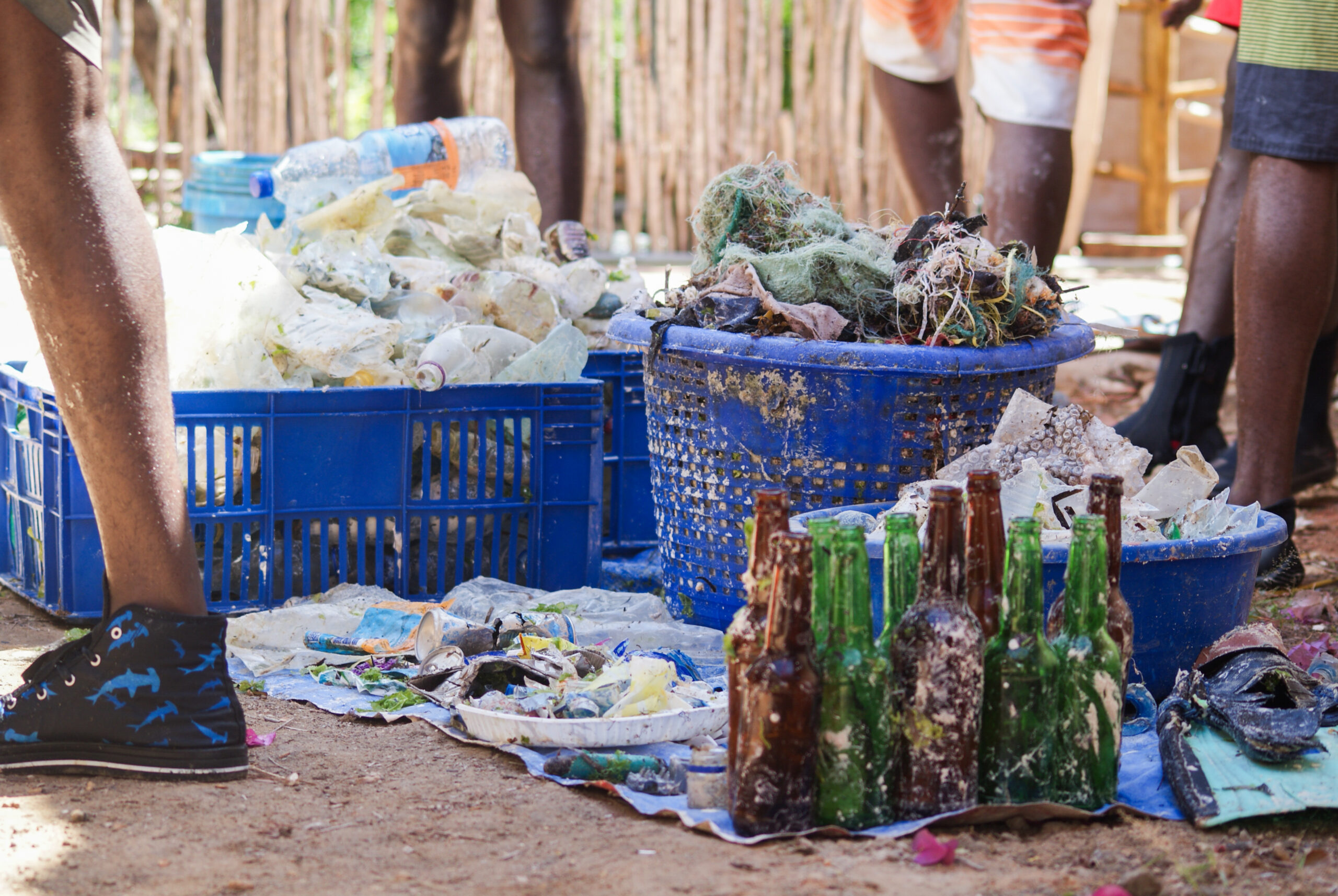
Equally important is the initiative’s work above water: teaching kids to swim and dive, organizing beach cleanups, and teaching local fishers how reefs function, why certain species are important, and the significance of sustainable fishing practices in protecting both marine life and human livelihoods. In Zanzibar, conservation is inseparable from community.