
Nordic Lessons for Europe’s Energy Resilience
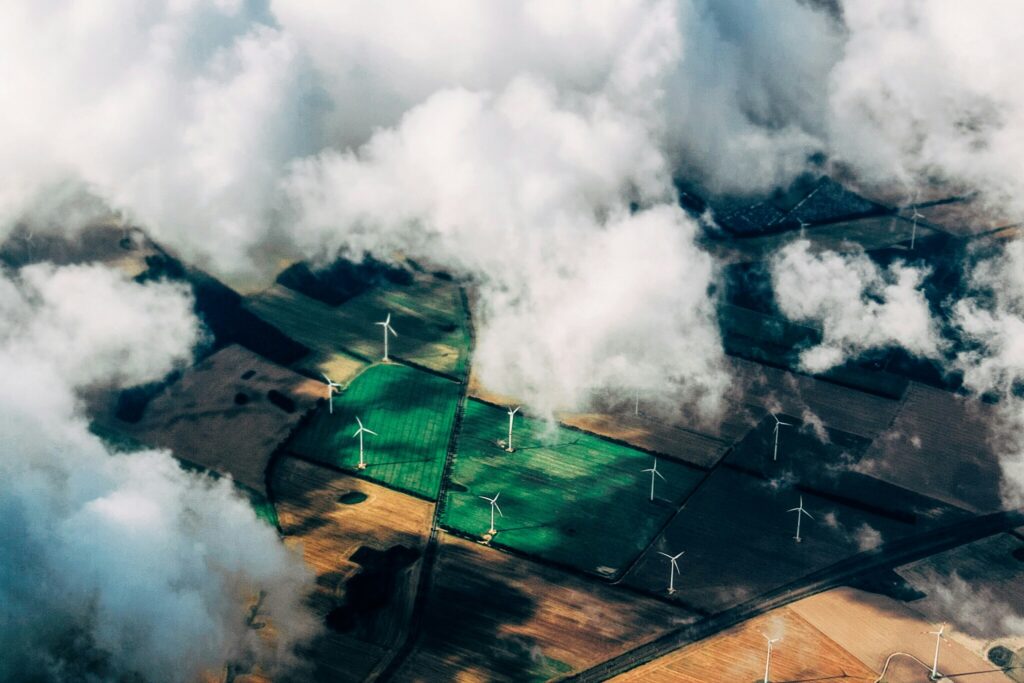
Photo: Nicholas Doherty / Unsplash
Europe can secure a renewable future by adapting Nordic-style grid integration, flexibility, and cross-border cooperation.
Renewables are transforming Europe’s energy landscape, but the rapid green transition is testing grid stability. The Iberian blackout exposed the risks of ambition outpacing the system’s flexibility. Yet the story looks different in the north. Nordic countries have integrated vast shares of renewables while keeping the lights on, proof that reliability and decarbonisation can go hand in hand. What can the rest of Europe learn from the Nordics to safeguard its energy security in a net-zero grid?
Europe’s energy security test
As wind and solar replace conventional power plants that once provided system inertia, maintaining voltage and frequency stability grows more fragile. Recent fuel market volatility and supply shocks have also exposed the limits of isolated national grids. This is no reason to slow the green transition, but a reminder that Europe must now build the infrastructure to power continental-scale resilience.
The Nordic blueprint
The Nordic countries – Sweden, Norway, Finland, and Denmark – have built one of the world’s most reliable and decarbonised power systems, known for a unique combination of resources, coordination, and market integration. A complementary energy mix forms its backbone: dispatchable hydropower balances variable wind, while nuclear and bioenergy add stability and seasonal flexibility. This is further complemented by growing contributions from batteries and demand response.
Moreover, cross-border links allow electricity to flow to where it is most needed, easing local shortages and damping price volatility. Additionally, strong regional cooperation, harmonised grid codes, shared market rules, and coordinated system planning enable national operators to function as a single, interconnected network. Finally, deeply integrated day-ahead, intraday, and balancing markets turn variability into an asset by smoothing prices, reducing reserve needs, and strengthening reliability as renewable shares rise.
Adapting Nordic lessons for Europe’s energy future
Adopting the Nordic model requires adaptation to Europe’s diverse realities. Not every region has the hydropower that underpins the Nordics’ flexibility. Balancing variable renewables in other parts of Europe will depend on similar combinations of storage, flexible demand, and cross-border connection. The Nordic example shows that strong coordination, consistent investment, and shared market rules can overcome resource disparities and geography alike. Infrastructure gaps, uneven market maturity, and regulatory differences remain obstacles, but none are insurmountable.
The EU must strengthen not only its physical grids but also the cooperation that connects them. Accelerating interconnectors and internal reinforcements through programmes such as TEN-E and REPowerEU will allow renewable electricity to flow across borders, turning surplus wind in one region into stability in another. Equally important is market integration. Strengthening day-ahead, intraday, and balancing market coupling will ensure that flexibility – whether storage, demand response, or variable renewables – reaches where it creates the greatest value. Treating flexibility as core infrastructure and valuing fast frequency response and grid-scale storage within capacity and balancing mechanisms, will anchor reliability in a cleaner and more dynamic power mix.
Operational harmony will be the glue that binds this system together. Aligning grid codes, planning standards, and market rules across Member States can enable transmission and distribution operators to act as one coordinated European network. A shared digital backbone, built on real-time data, forecasting, and automation will add the visibility and speed needed to manage decentralised generation. Citizens remain central to this transformation. Cross-border projects must deliver tangible local benefits: fair prices, clean air, and sustainable jobs. Earning public trust through transparency and equitable outcomes is key for sustaining momentum and legitimacy.
The Nordic model shows that a high share of renewables is not a barrier to stability, but a catalyst for building a more resilient, interconnected, and dynamic grid. By embracing this blueprint, Europe can deliver an energy transition based on robust infrastructure and cross-border collaboration for long-term security and prosperity.