Renovating Europe’s Building Stock
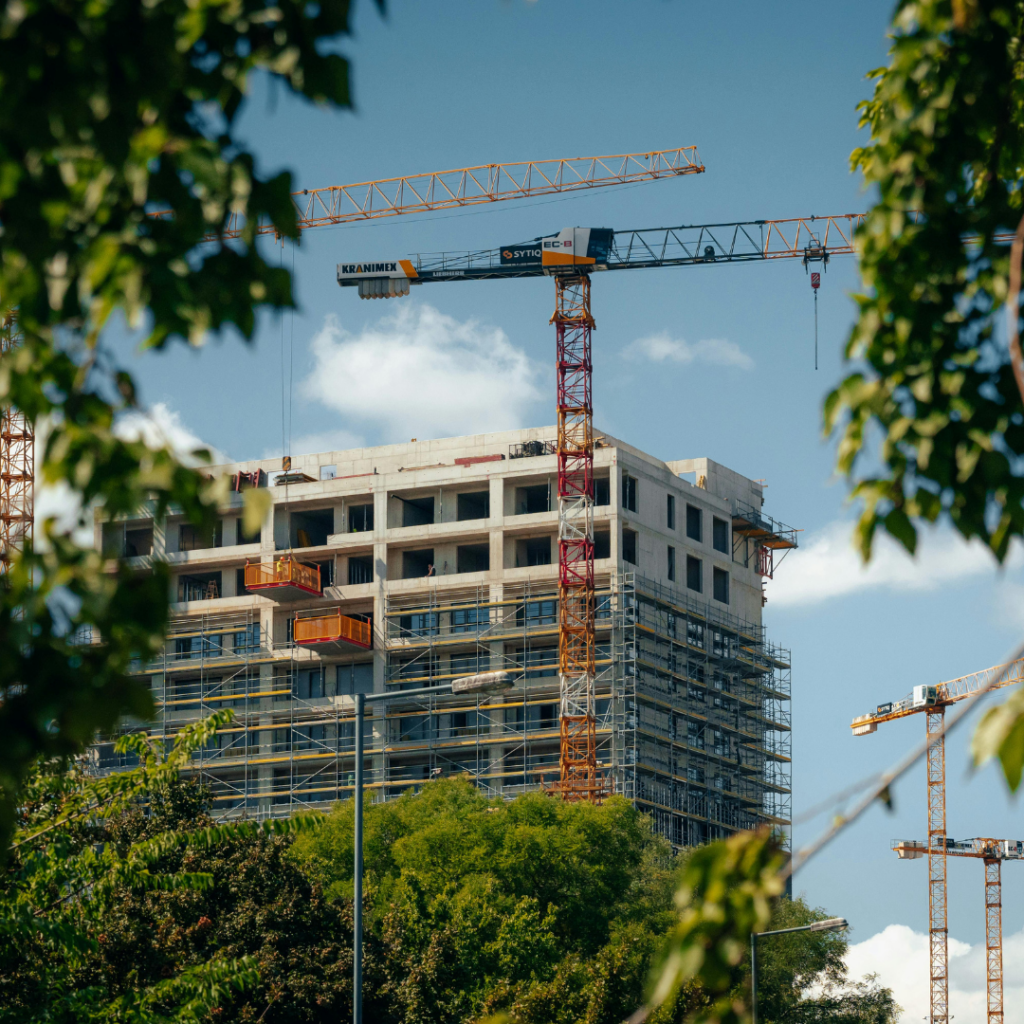
Brett Jordan / Unsplash
Europe’s buildings consume massive amounts of energy, making renovation central to climate and energy security goals.
Europe’s building stock remains one of the continent’s biggest climate and energy challenges. Buildings account for more than 40% of Europe’s energy consumption, with nearly 75% of them are considered energy inefficient. Yet despite ambitious EU climate policies and renovation targets, renovation rates remain slow. In this interview for Everything Is Changing, Joana Mundó from the ReLIFE Project explains why Europe’s buildings matter more than many people realise, why renovations remain difficult, and how better data and financial tools could help accelerate the transition.
Can you briefly introduce yourself and your role in the ReLIFE Project?
I’m Joana Mundó, and I’m involved in the ReLIFE Project through Ecocerveis, a Spanish consultancy based in Barcelona that mainly works on the socio-economic aspects of energy. Within the ReLIFE Project, we are responsible for analysing the market and developing functionalities and specifications, especially for the financial services of the platform.
What is the main problem with Europe’s building stock today?
We have to consider that the building sector is the largest energy consumer in Europe. It accounts for more than 40% of total energy consumption. Around 75% of buildings are energy inefficient, and most of them will still exist in 2050.
That means that if we want to achieve the European Union’s climate goals and complete the energy transition, we must rely heavily on improving the existing building stock. It’s important to set ambitious standards for new buildings, but it’s even more important to act on the buildings that already exist.
We must rely heavily on improving the existing building stock.
So basically, Europe needs renovation?
Exactly. We need major efforts to renovate buildings, but it’s a very complex market.
About 75% of the building stock is residential, which creates a very fragmented market. Around half of the population lives in multi-owner buildings, which makes decision-making difficult because renovations require collective agreement among many owners.
In the rental market, there’s also the split incentive dilemma. The people investing in renovations are often not the ones receiving the benefits. So we need ways to make renovations attractive in rental housing too.
Renovation itself can also be disruptive, with noise, dust, or even temporarily leaving your home. There are many barriers blocking the market, including high upfront costs and long payback periods, which can range from 15 to 20 years.
Overall, energy renovation remains difficult. Renovation rates in Europe are currently around 1%, and we need to significantly increase this if we want to meet climate targets and reduce energy dependence on external countries.
Buildings are often overlooked in climate discussions. Why do you think that is?
Buildings are less visible in the climate debate, and that’s one reason energy renovation is not always a priority for citizens.
Energy renovation is not very tangible. Renovating your kitchen or bathroom feels more practical because you interact with it every day. Energy efficiency upgrades, on the other hand, often take time before people notice the benefits.
That’s why awareness and information are so important. People need to understand the role buildings play and why renovation is necessary.
The European Union refers to this as the “energy efficiency first” principle. When we think about the energy transition, we often think about installing more renewable energy like solar or wind power. But reducing energy demand is equally, if not more, important.
There is huge potential in reducing consumption through improvements to the existing building stock.
How important is renovation for Europe’s energy security?
It’s very important, especially now that Europe is facing repeated energy crises and trying to reduce dependence on imported fossil fuels.
The European Union has introduced several initiatives to accelerate renovation and improve building performance. One of the most important is the Energy Performance of Buildings Directive, or EPBD, which introduces ambitious targets and measures such as minimum energy performance standards and reforms to energy performance certificates.
There’s also the Renovation Wave Initiative, which presents renovation as a win-win solution, not only for climate goals and energy security, but also for economic growth, health, comfort, and social wellbeing.
Other initiatives like the New European Bauhaus also integrate cultural and social inclusion perspectives into the green transition.
If these initiatives already exist, why are renovation rates still so slow?
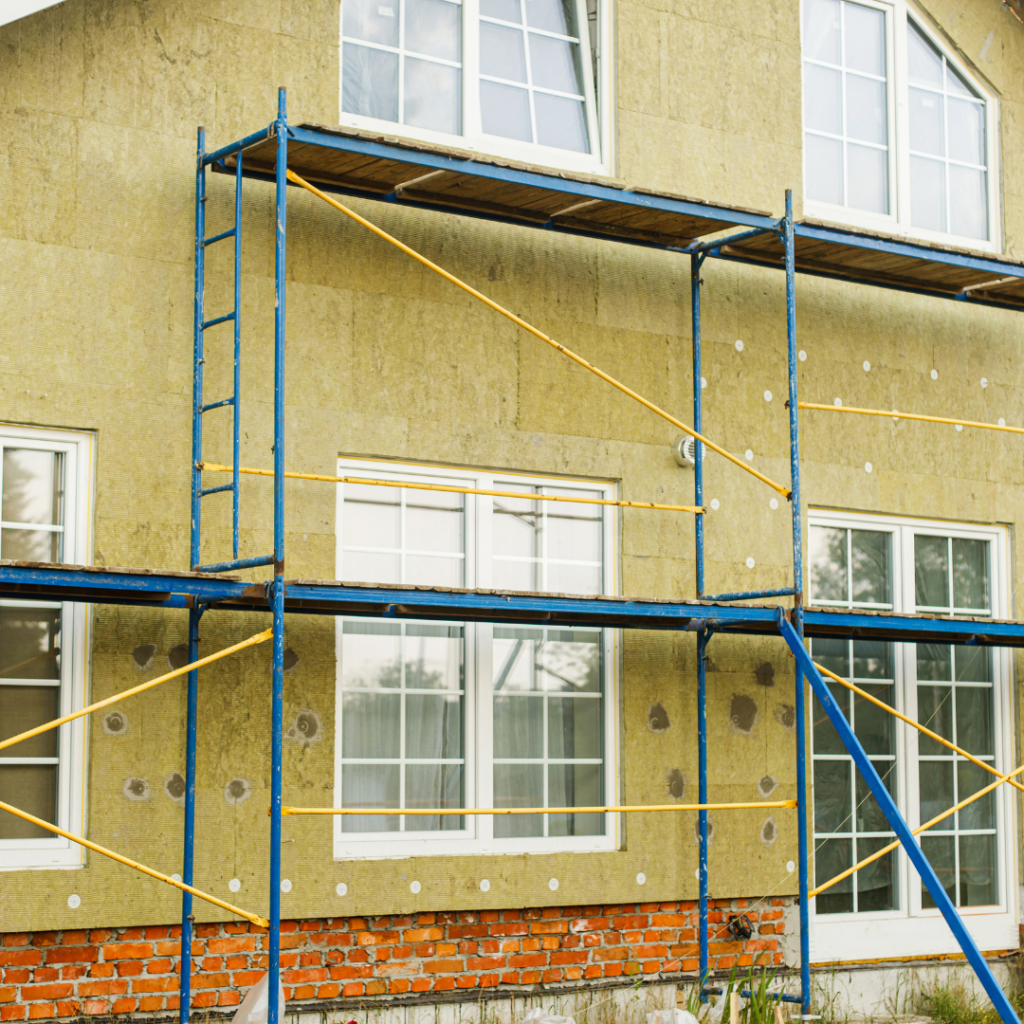
Most of that 1% renovation rate consists of shallow renovations with limited impact. We need much deeper renovation efforts.
There are several reasons for the slow pace. Some are social barriers, like collective decision-making, the split incentive dilemma, and the disruption renovations create.
But more generally, the market is still extremely fragmented, especially in the residential sector. Ownership structures differ widely, building characteristics vary across Europe, and solutions need to be adapted to local contexts.
The supply side is also fragmented. Many companies specialise only in one area, such as lighting or windows. Some provide financial services and others do not. As a result, it’s difficult for homeowners to compare options or organise comprehensive renovations.
There is also a financial gap. Financial institutions generally prefer large-scale investments because they are more cost-efficient and perceived as less risky. But energy renovation projects are highly fragmented, which makes them appear riskier.
If we want to significantly increase renovation rates, we need private finance to play a much larger role. Public funding alone is not enough.
If we want to significantly increase renovation rates, we need private finance to play a much larger role.
How does the ReLIFE Project help address these challenges?
One strategy is aggregating projects to make them more attractive for investors. Public-private partnerships can also help, as well as using public banks to leverage private investment.
Within the ReLIFE Project, we are developing a platform with three main services.
One of these services targets financial institutions and multi-owner buildings. It allows them to manage and assess energy renovation projects in an aggregated way. They can evaluate portfolios of projects and include energy indicators in their risk assessments.
Traditionally, financial institutions focus mainly on economic indicators and often overlook the value of future energy savings. We believe these savings should also be considered as part of long-term financial security.
How does the ReLIFE platform work for users?
The platform has three main services. The first is the Home Assistant, which is designed for individual homeowners and small property owners. Users input basic information about their building, and we’ve tried to keep the process as simple as possible.
The platform then presents different technical renovation options, along with economic indicators and possible financing schemes.
This is important because homeowners often lack a neutral source of information. Most information available on the market is commercial. ReLIFE aims to provide a neutral, non-commercial platform that helps people compare options and make informed decisions.
The second service is the Portfolio Advisor, which targets financial institutions and multi-owner buildings.
The third service is the Strategy Explorer, designed for policymakers, urban planners, and researchers. It helps analyse regional building stocks under different climate scenarios and evaluate the impacts of policies.
Overall, we tried to support all key stakeholders involved in the renovation process.
What would success look like for the ReLIFE Project in the coming years?
We want ReLIFE to become a trusted support tool for all stakeholders involved in renovation.
For us, success would mean that people see the ReLIFE platform as a first reference point when considering energy renovation. We have worked hard to simplify the platform for end users and tailor the services to different stakeholder needs.
Ultimately, we want to reduce uncertainty and perceived risk around energy renovation by providing reliable, neutral information that helps people take the important step toward improving their homes’ energy efficiency.
In partnership with