
What You Need to Know About the New Waste Shipments Regulation
Photo: Alfonso Navarro
Transparent, predictable, and timely waste shipments are essential for cross-border waste treatment and recycling.
Cross-border waste shipments are essential for reverse logistics and for achieving economies of scale in waste treatment and recycling—both of which are fundamental to a circular economy. Therefore, to enable operators to plan and invest effectively, waste shipments must be predictable, transparent, and timely.
The new Waste Shipments Regulation (WSR) entered into force on 20 May 2024. However, most of its provisions began to be applied as of 21 May 2026, while the majority of export rules will take effect from 21 May 2027.
Although the new WSR introduces several key changes, some basic principles and procedures remain unchanged. In line with international obligations, the applicable procedures depend on the type of waste, its intended treatment, and the destination country. The WSR distinguishes between:
- General information requirements, which generally apply to ‘green-listed’ non-hazardous wastes within the EU and OECD for recovery operations; and
- Prior notification and consent procedures, which generally apply to all waste destined for disposal, as well as to hazardous and most mixed waste destined for recovery.
New obligations from 21 May 2026
- Transboundary waste shipment procedures are transitioning to digital submission via the Digital Waste Shipment System (DIWASS). All operators involved in a waste shipment where an EU Member State is the country of dispatch, destination, or transit must register in DIWASS.
- General information requirements (Annex VII forms) must be completed, to the extent possible, no later than two working days before the shipment begins.
- All plastic waste exported from the EU is now subject to the prior notification and consent procedure.
- The previous WSR (1013/2006) remains applicable for waste shipment notifications where the competent authority of the destination country issued an acknowledgement of receipt before 21 May 2026.
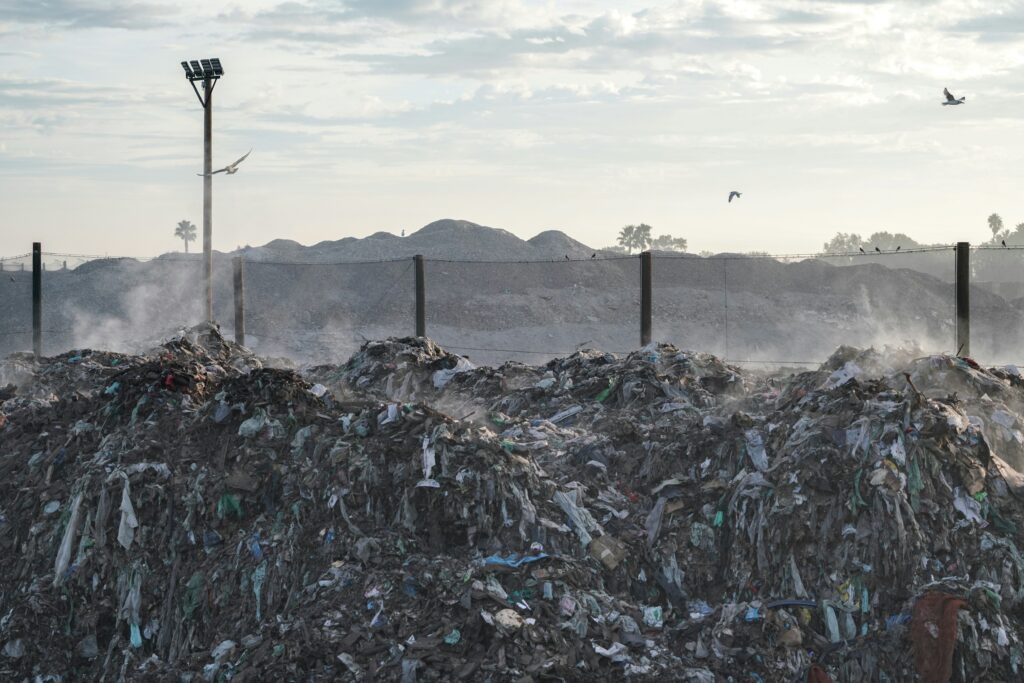
New rules regarding exports from the EU
The European Union is significantly tightening its rules on waste exports, introducing a series of phased measures between 2026 and 2029.
- A general ban on waste exports for disposal and a ban on hazardous waste exports for recovery to non-OECD countries will continue to apply as under the previous regime.
- From 21 May 2027, stricter rules will also apply to non-hazardous waste exports to non-OECD countries. These will generally be prohibited, except for those explicitly listed by the EU Commission. Non-OECD countries wishing to import waste from the EU had to notify the European Commission of their willingness and demonstrate their ability to treat the waste in an environmentally sound manner. The first list of authorised destination countries will be published by 21 November 2026 and updated regularly, at least every two years.
- From 21 November 2026, exports of all plastic waste to non-OECD countries will be temporarily banned until 21 May 2029. After this date, non-OECD countries may request to be excluded from the export ban.
- Starting from 21 May 2027, companies exporting waste from the EU to both OECD and non-OECD countries must demonstrate that the waste is properly managed at the receiving facility. To this end, independent audits must be conducted at these facilities, no more than two years prior to exporting. The European Commission will establish and maintain a register of facilities that have undergone such audits.