The Secret Power of Shinrin-Yoku
The forest environment has long been enjoyed for its quiet atmosphere, beautiful scenery, calm climate, clean fresh air and special good smell. Empirically, forest environments may reduce stress and have a relaxing effect; therefore, walking in forests may have beneficial effects on human health. In Japan, a national health program for forest-bathing or shinrin-yoku was introduced in 1982 by the Japanese Forest Agency for the stress management of workers. Shinrin in Japanese means ‘forest’, and yoku means ‘bath’. Thus, shinrin-yoku means bathing in the forest atmosphere or taking in the forest through our senses. This is not exercise, or hiking, or jogging. It is simply being in nature, connecting with it through our sense of sight, hearing, taste, smell and touch. In 2005, I conducted the first forest bathing study in Iiyama, Ngano prefecture in Japan and the terms of forest bathing and shinrin-yoku in English were first scientifically named and defined by me in this study. Because forests occupy 67% of the land in Japan, forest bathing is easily accessible. Forest bathing (shinrin-yoku) is like a bridge. By opening our senses, it bridges the gap between us and the natural world.
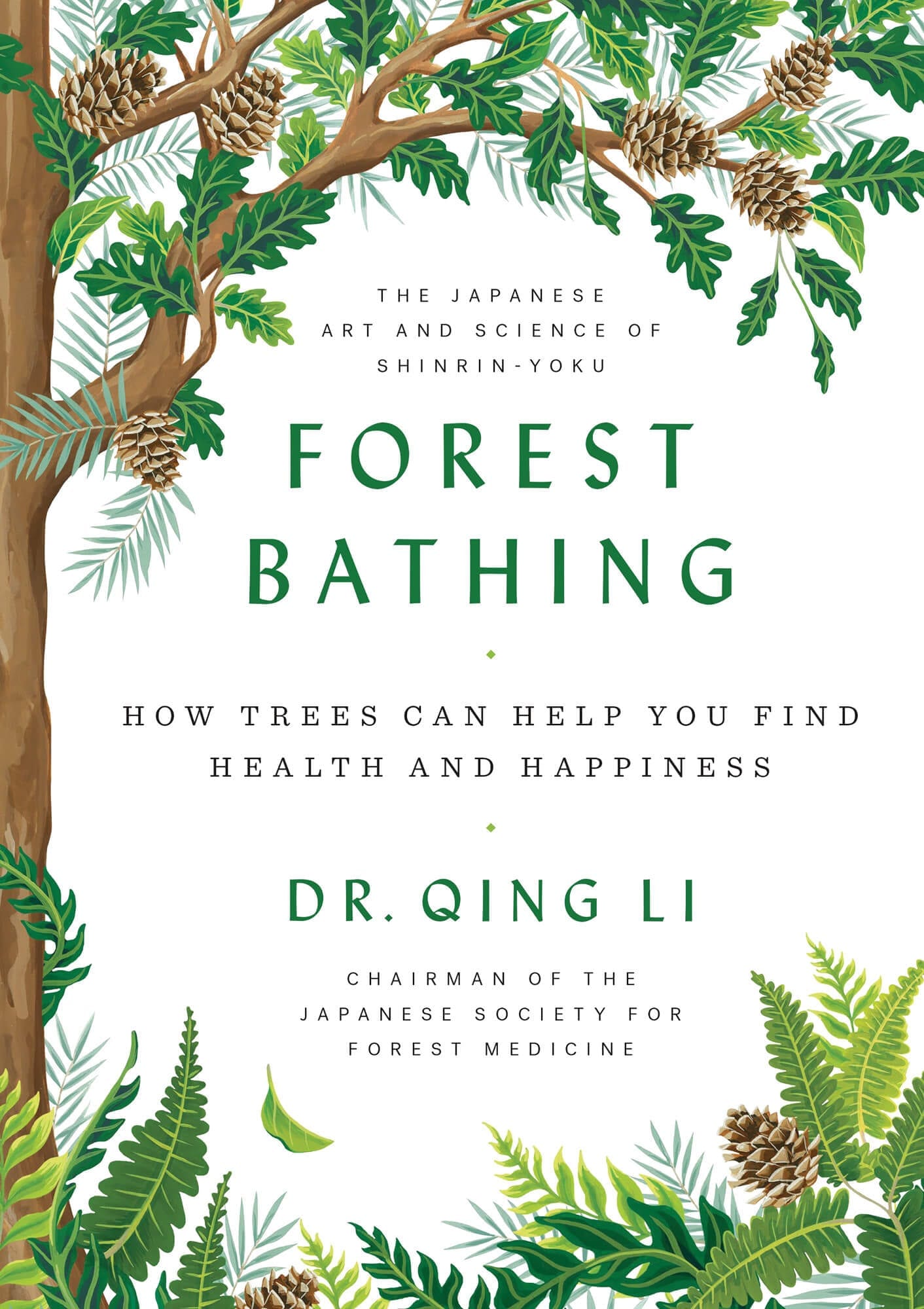
In Japanese, shinrin means ‘forests’ and yoku means ‘bath’. In Korean, forest bathing is called salim yok.
In 1984, the word ‘technostress’ was coined to describe unhealthy behavior around new technology. Technostress can arise from all manner of everyday usage, like checking your phone constantly, compulsively sharing updates and feeling that you need to be continually connected. Symptoms run from anxiety, headaches, depression, mental fatigue, eye and neck strain to insomnia, frustration, irritability and loss of temper. Since the year 2000, we have officially become an urban species. The urban population worldwide grew from just 746 million in 1950 to 3.9 billion in 2014, according to the United Nations Population Division. By 2050, 75% of the world’s projected 9 billion population will live in cities. In Japan, rates of cancer and lifestyle-related diseases such as heart disease, diabetes, cerebrovascular disease and hypertension are increasing. According to the Ministry of Health, Labour and Welfare of Japan, the percentage of workers with anxiety and stress was more than 50% in 1982, 62.8% in 1997, 58% in 2007, and 60.9 in 2012, suggesting a major mental health problem. Moreover, according to the National Police Agency of Japan, more than 30,000 people have committed suicide every year since 1998; in 2007, there were 33,093 reported suicides, 14,684 of which were due to health problems including 6,060 due to depression. There is also the phenomenon known as karoshi, or death from overwork in Japan. Therefore, the health management of workers, especially in relation to stress-related diseases, has become a major social issue and an effective new method for prevention of diseases is needed. It is urgent to establish preventive measures against stress and lifestyle-related diseases; however, effective prevention methods have not been established.
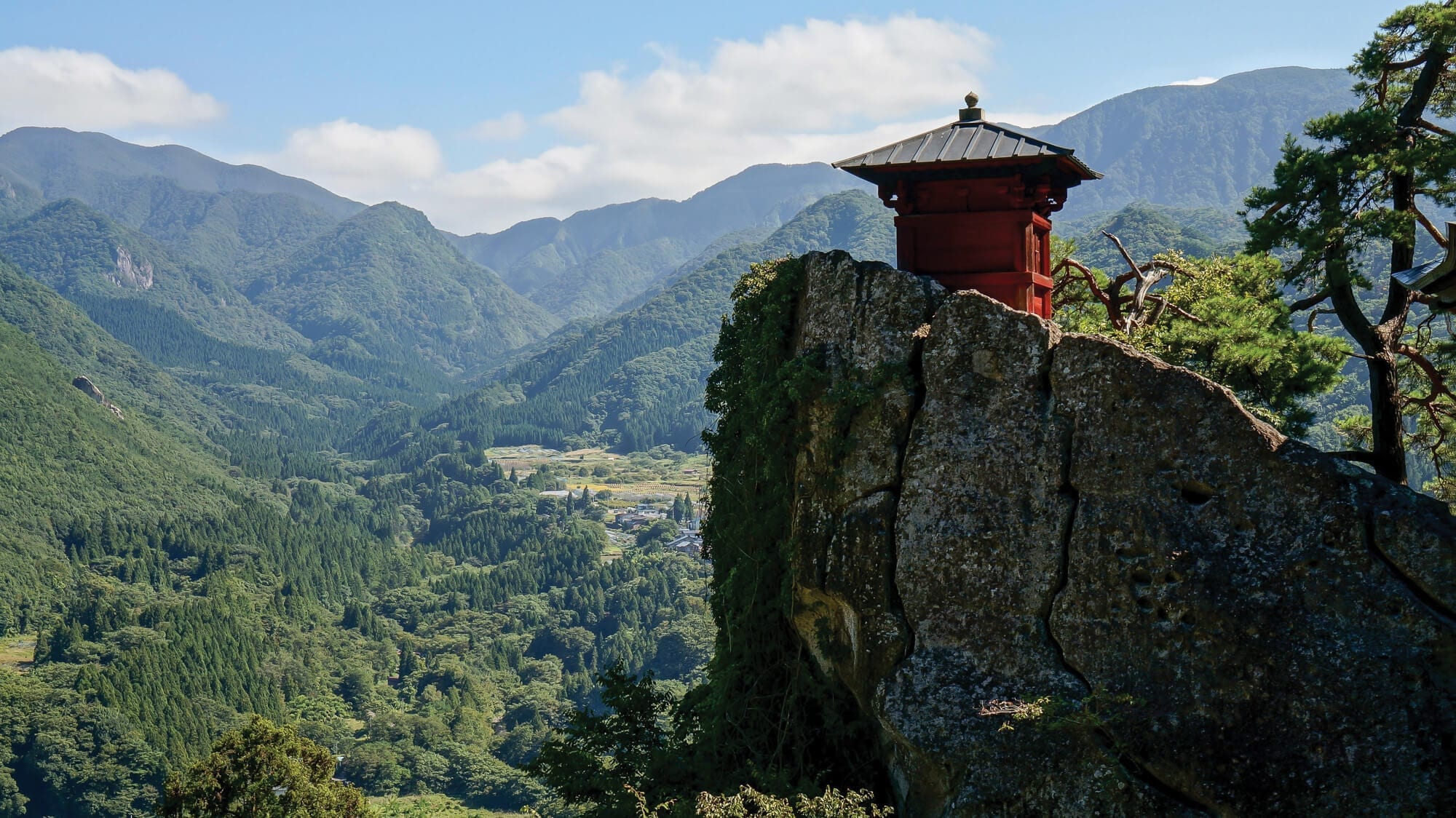
Although a national health program for shinrin-yoku began to be introduced in 1982 by the Japanese Forest Agency, there has not been sufficient medical evidence supporting the beneficial effects of forest bathing due to technical limitations regarding measurements, and evidence-based evaluations. A therapeutic menu of forest bathing benefits then came into demand. Against this background, the Japanese Society of Forest Therapy was established in 2004 for conducting the evidence-based research on the effects of forest environments on human health. The Ministry of Agriculture, Forestry and Fisheries of Japan initiated a research project in 2004 to investigate the therapeutic effects of forests on human health from a scientific perspective. I was invited as a main member in the project. Since 2004, I have conducted serial studies to investigate the effects of shinrin-yoku on human health. I have collected a vast amount of data, proving that forest bathing promotes both physical and mental health by reducing stress.

Imagine a new medical science that could let you know how to be more active, more relaxed, healthier and happier with reduced stress and reduced risk of lifestyle-related diseases and cancers by visiting forests. This new medical science was established in 2012 and is Forest Medicine.
The urban population worldwide grew from just 746 million in 1950 to 3.9 billion in 2014.
United Nations Population Division
Forest Medicine studies the effects of forest bathing on human health and is a new interdisciplinary science, belonging to the categories of alternative medicine, environmental medicine and preventive medicine. Forest Medicine is an evidence-based preventive medicine. Forest Medicine is developed from shinrin-yoku and forest therapy, which is a research-based healing practice through immersion in forest environments with the aim of promoting mental and physical health and improving disease prevention while being able to enjoy and appreciate the forest. Forest therapy is defined as a proven shinrin-yoku effect.
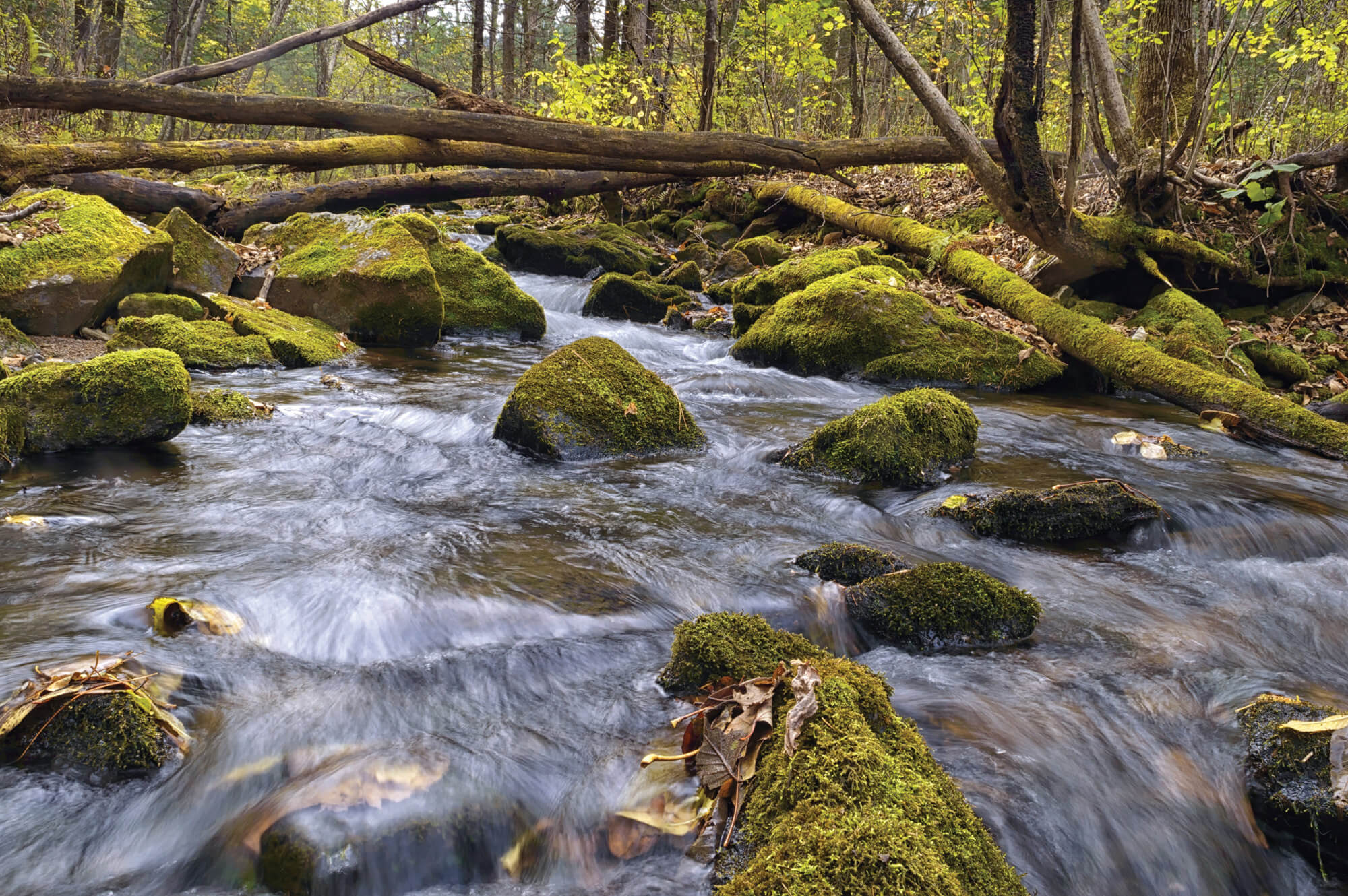
People can enjoy forest bathing with all five senses: