18 March 2026
The Arctic is no longer a distant warning but a frontline of accelerating change, warming four times faster than the global average. What is unfolding in the far north is not isolated – it’s a preview of broader challenges for climate adaptation and governance worldwide.
As glaciers retreat, meltwater releases minerals and sediments long locked in ice and bedrock, including heavy metals, sulphates, iron, and manganese. In high concentrations, these substances can make water unsafe without advanced treatment, with consequences for downstream communities, agriculture, and ecosystems. Glacier-fed rivers and groundwater systems across alpine and Arctic Europe are already showing changes in water chemistry, yet this emerging risk remains underreported compared to other climate impacts.
With International Glacier Day approaching on 21 March 2026 and in the Decade of Action for Cryospheric Sciences, there is no better timing to discuss why melting ice is not just a symbol of warming but a direct and measurable threat to water security.
Because when the ice melts, everything changes.
Get exclusive access to Arctic experts and join us on Wednesday 18 March at 16:00 – 16:45 to discover more on these cold climates.
Speakers
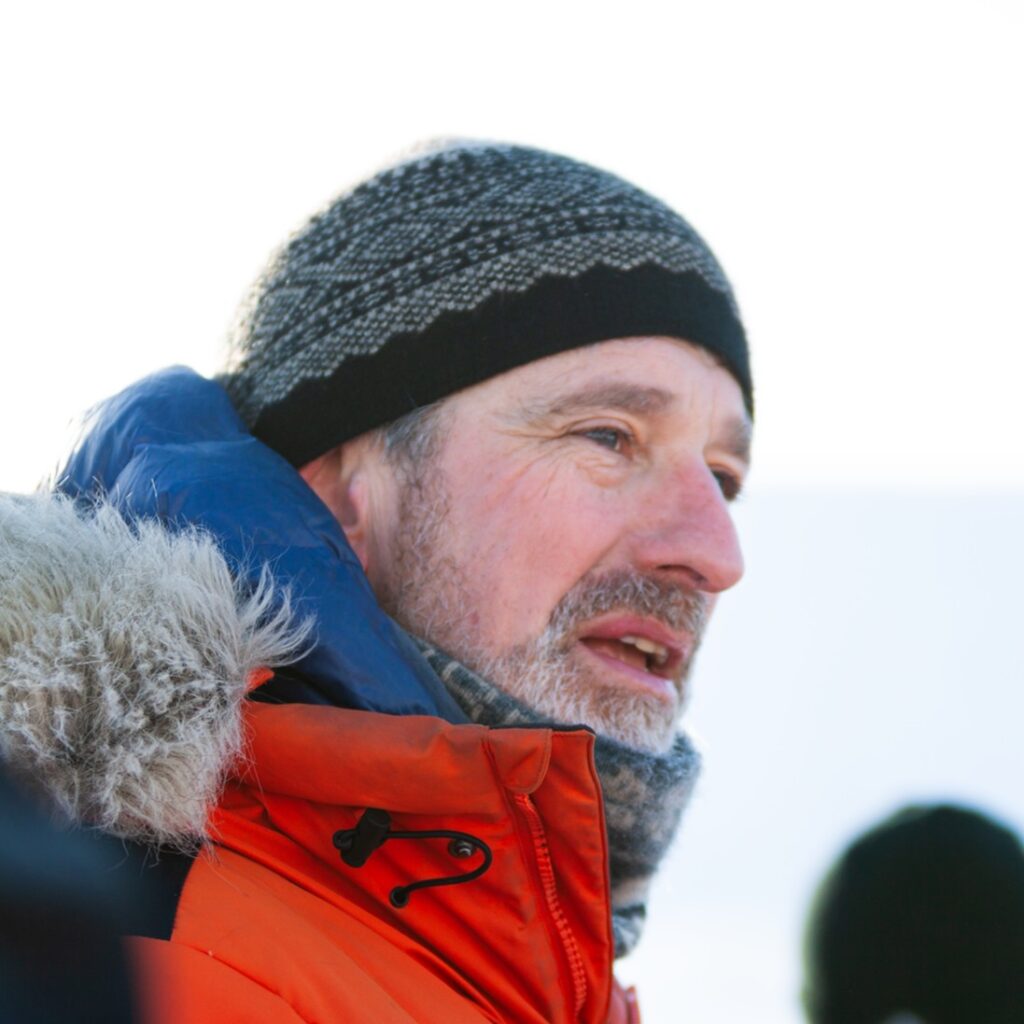
Kim Holmén
Kim Johan Holmén career spans Arctic atmospheric chemistry, climate and environmental monitoring, and research coordination. He founded and has led SIOS (Svalbard Integrated Arctic Earth Observing System) since 2007-2024, strengthening long-term observing capacity across Svalbard and the European Arctic. He has served in multiple senior institute leadership roles, supervised PhD candidates, and is widely engaged in public outreach and policy-facing briefings.

Andy Hodson
Andy’s research largely takes places in Svalbard and Antarctica, but he has also worked in Greenland and northern Sweden. His work considers the implications of ground thaw and ice melt for the release of water, sediment and nutrients into runoff. Particular attention is given to glacier hydrology and how the sensitive ecosystems found at the ice margin are influenced by meltwater dynamics. He also looks at the microbial ecosystems within the ice itself, since there are fewer habitats more vulnerable to the impacts of climate warming than ice and snow.