#wood4climate
Europe is moving towards better and greater climate action on forests inside and outside the Union – the manifold forest- and wood-based products will play a pivotal role, if managed more sustainably.
The latest findings of the IPPC Report are clear: rising temperatures are affecting our climate and consequently our environment and the functioning of our world. Our economy is affected as well. Global warming can be attributed to two factors, those that occur naturally and those that may be anthropogenic (human-activity-induced). Human activities are estimated to have caused approximately 1.0°C of global warming above pre-industrial levels, with a likely range of 0.8°C to 1.2°C. Global warming is likely to reach 1.5°C between 2030 and 2052 if it continues to increase at the current rate.
Coherent and holistic solutions are needed to reduce and remove the emission of greenhouses gases from the atmosphere. It is imperative to combat climate change and at the same time avoid curbing economic and social development. Sustainably managed forests and products derived from these forests play an essential role in mitigating climate change by reducing greenhouse gases emissions and contribute to an environmental-friendly economic growth. The positive effects of using wood from sustainably managed forests can be strengthened if actions are taken to use more long-life wood products.
Harvested wood products create an opportunity to provide long-term carbon storage benefits by storing carbon and by substituting more energy-intensive materials.
Growing trees absorb carbon dioxide from the air and convert it to oxygen, which is then released and stored as carbon in their branches, leaves or needles, trunks, roots and surrounding soil. When trees start to decay, or when forests die due to wildfire, insects or disease, the stored carbon is released back into the atmosphere. In any of these cases, the carbon cycle begins again as the forest is regenerated, either naturally or by planting. Forests managed for timber have an important role to play in conserving global biodiversity. Scientific studies proved that unmanaged forests are often susceptible to disturbances including insect and disease outbreaks and generate a much greater carbon debt if they are combusted during a wildfire, rather than a managed forest with much less dead and dying fuel wood.
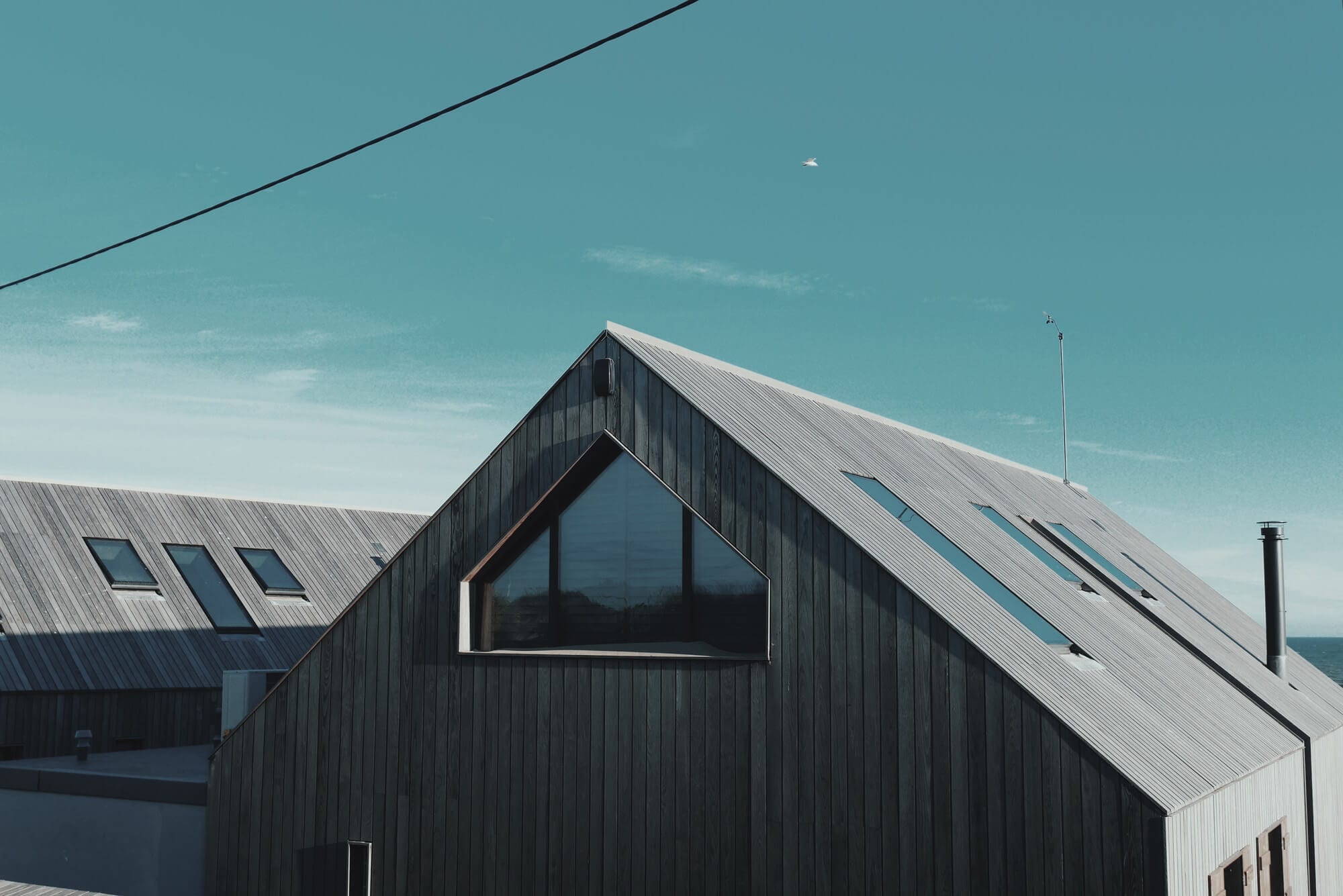
Harvested wood products store carbon over time depending on the type of products and how they are used over short and long time-scales. Harvested wood products create an opportunity to provide long-term carbon reduction benefits by storing carbon and by substituting more energy-intensive materials. Manufacturing wood into products requires far less energy than other materials – and almost no fuel energy. Indeed, most of the energy comes from converting residual bark and sawdust to electrical and thermal energy, adding to wood’s light carbon footprint.
The benefits of wood
Increasing the use of wood or wood-based materials in construction and in products such as furniture, cabinets, flooring, doors and window frames represents a significant opportunity for emission reductions. With growing pressure to reduce the carbon footprint in buildings, designers are increasingly called upon to balance functionality and cost objectives with reduced environmental impact. Wood is a natural choice. It’s renewable, recyclable, and has a lighter carbon footprint than other construction materials. Additionally, it is the only structural building material with third-party certification systems in place to verify that products come from a sustainably-managed resource. European producers use wood coming only from sustainably-managed forests to ensure that the wood we use minimizes its footprint on local ecology, habitats and peoples.
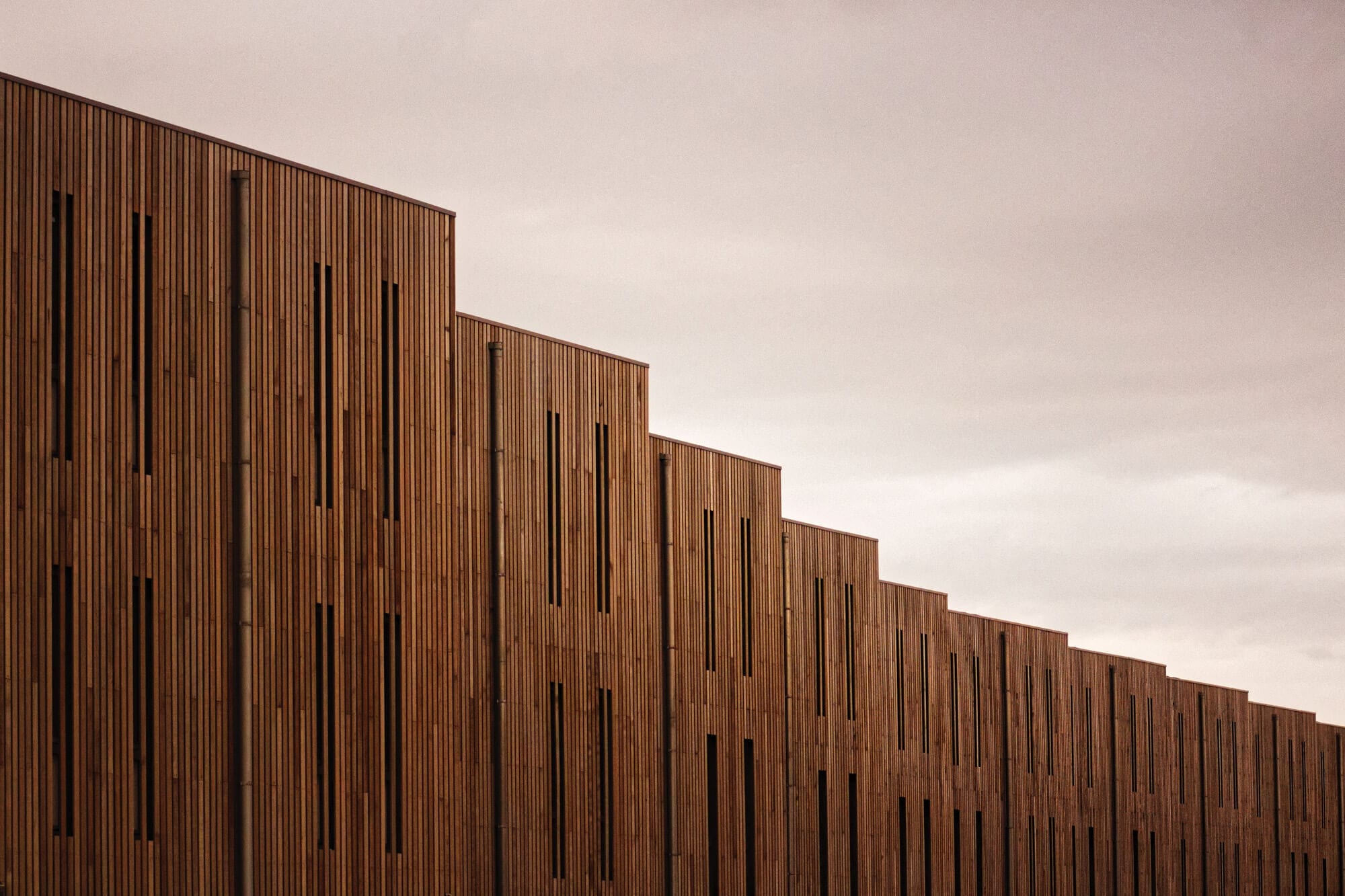
The need for more urban housing and the engagement for climate change mitigation imposes building solutions with low energy and low carbon footprints. Wood offers us a new way to think about sustainable buildings. On average, when we substitute wood for energy-intensive building products, we offset two tons of carbon emissions for every dry metric ton of wood used. This occurs because we are eliminating fossil fuel emissions that would have been released into the air had we used more energy-intensive materials, thus adding to the net benefit of wood.
New advances in engineered wood are allowing the construction of tall, safe, and more economical wood buildings. Moreover, wood has a higher insulation rating compared to other materials as a result of its natural cellular structure. Using wood helps to save energy over the life of a building, as its cellular structure provides outstanding thermal insulation: as per estimations, 15 times better than concrete, 400 times better than steel and 1 770 times better than aluminium.
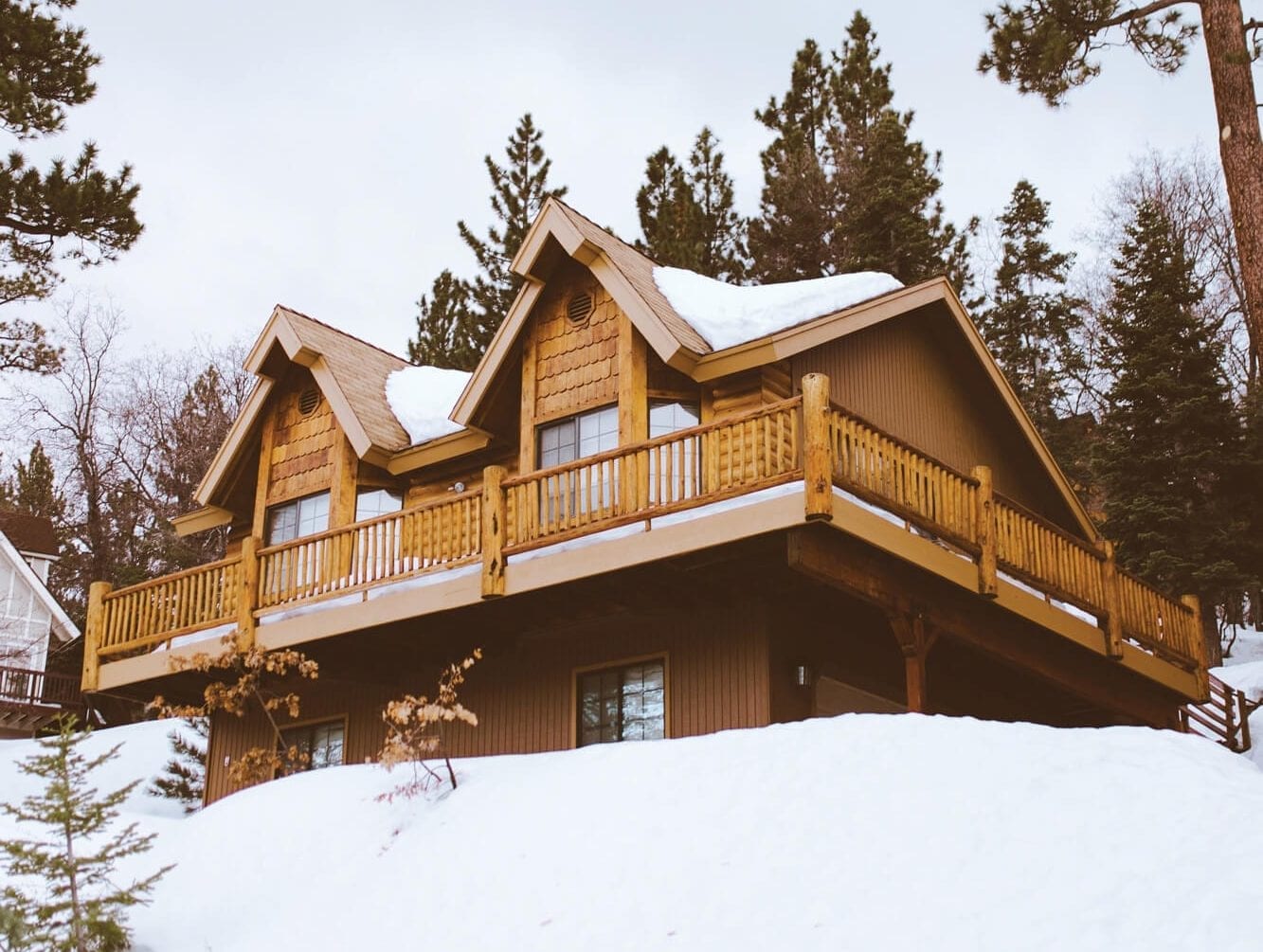
Wood cellular structure provides outstanding thermal insulation: 15 times better than concrete, 400 times better than steel and 1 770 times better than aluminium. Photo: Clarisse Meyer
When forest products are used in construction, they continue to store carbon for the whole life of the structure and beyond when wood fibre is recycled or reclaimed. The possibility of re-using wood products (after one service unit) is another important climate benefit characteristic of this material. Wood can be re-used as product either for the same purpose as before or for less demanding purposes after simple reshaping, for example from structural timbers to flooring. Even if wood products after one service unit are not qualified for further use, they can still be reprocessed for making new wood-based products or be use as a source of renewable energy.
A Blueprint for EU Climate Action on Forests & Wood Products
To mitigate climate change, we need to reduce greenhouse gas emissions and store more carbon. Healthy forests can do both. For this reason, governments and organizations can improve their social responsibility and reduce their environmental footprint through policies and procurement processes that encourage the use of wood products coming only from sustainably-managed forests. Wood products, legally-sourced from sustainably-managed forests, can play a key role in decarbonizing the economy – due to their lower carbon footprint compared to other materials and the CO2 stored in them – while boosting the circular bioeconomy.
In line with the objectives of the 2015 Paris Agreement, the European Sawmill Industry aims to strengthen climate change mitigation through European policies that balance environmental, social and economic aspects. The following list encapsulates the main priorities of the sawmill industry:
- A comprehensive and coherent approach to sustainable forest management for the promotion of healthy forests that absorb more CO2 and produce renewable wood products will have a large impact in reducing CO2 emissions.
- Using 98% of logs coming from the European forests, the sawmill industries have played (and continue to play) a crucial role in shaping the landscape, economy, and culture of the forestry sector in Europe. Ensuring the longevity of forest resources through the implementation of sustainable forest practices has been always a concern for sawmill operators. As first transformer of forest biomass, the European sawmill industry is the key driver of the forest based bio-economy. Thereupon, in order to guarantee to the sector a reliable raw material supply is of utmost importance to:
- Implement climate policy objectives which do not neglect a sustainable mobilization of wood resources
- Encourage silvicultural practices to enrich the timber size and quality
- Assessing the impact of decisions affecting the use of forest resources should be more coherent and take into considerations the cross-sectoral effects of wood product use and net impacts on the bioeconomy.
- Need to create markets – within and outside Europe – for traditional and innovative new wood products supports sustainable forestry, helps to counteract greenhouse gas emissions, and puts the timber industry at the forefront of a carbon-free Europe.
- Need fora level playing field: products entering the European market must comply with the high environmental and social standards that characterize the European Union.
- Need to recognize the environmental benefits of using wood products instead of more energy-intensive materials by assuring that carbon accounting systems are full-life cycle accounting systems.
- Need to support performance-based public procurement policies for building materials and foster tools to strengthen Green Public Procurement from more public sector entities.
The transition to a low-carbon economy presents significant opportunities and challenges. The European sawmill industry has the potential to boost the economic growth of Europe with the use of wood products while addressing climate change. Enhancing the competitiveness of the European sawmill industry and advocating for using more sustainable wood products contributes to sustainable and environmentally friendly economic growth for Europe.
Featured in