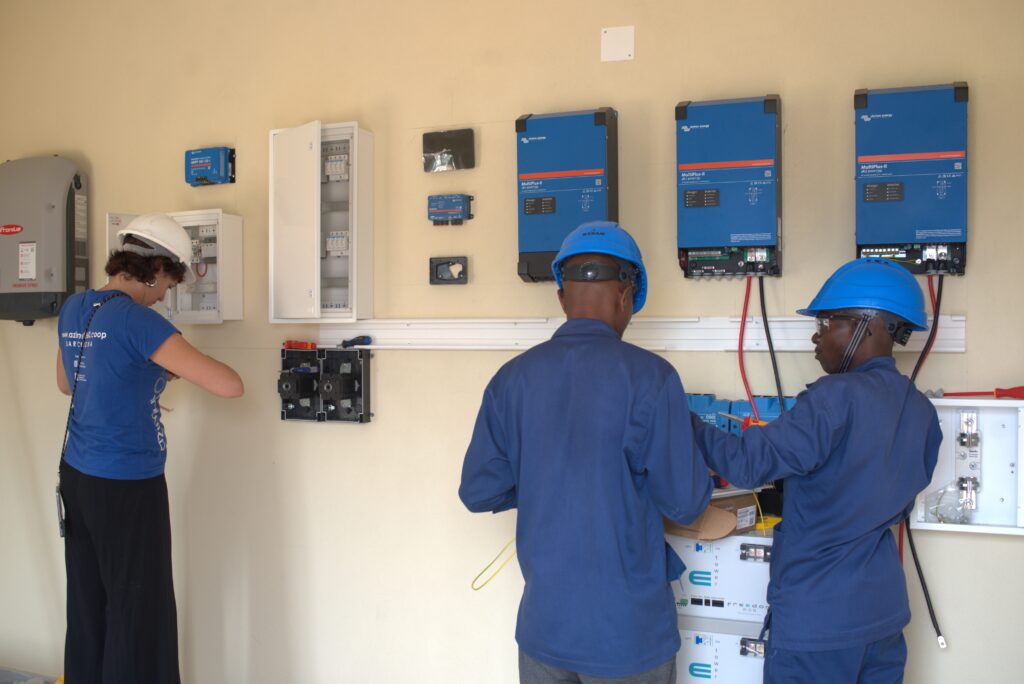
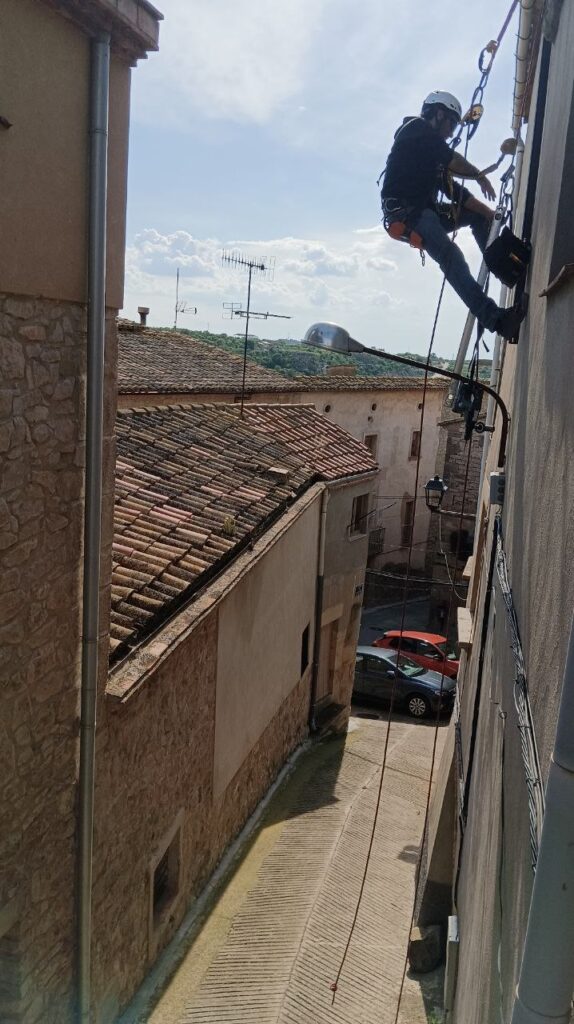
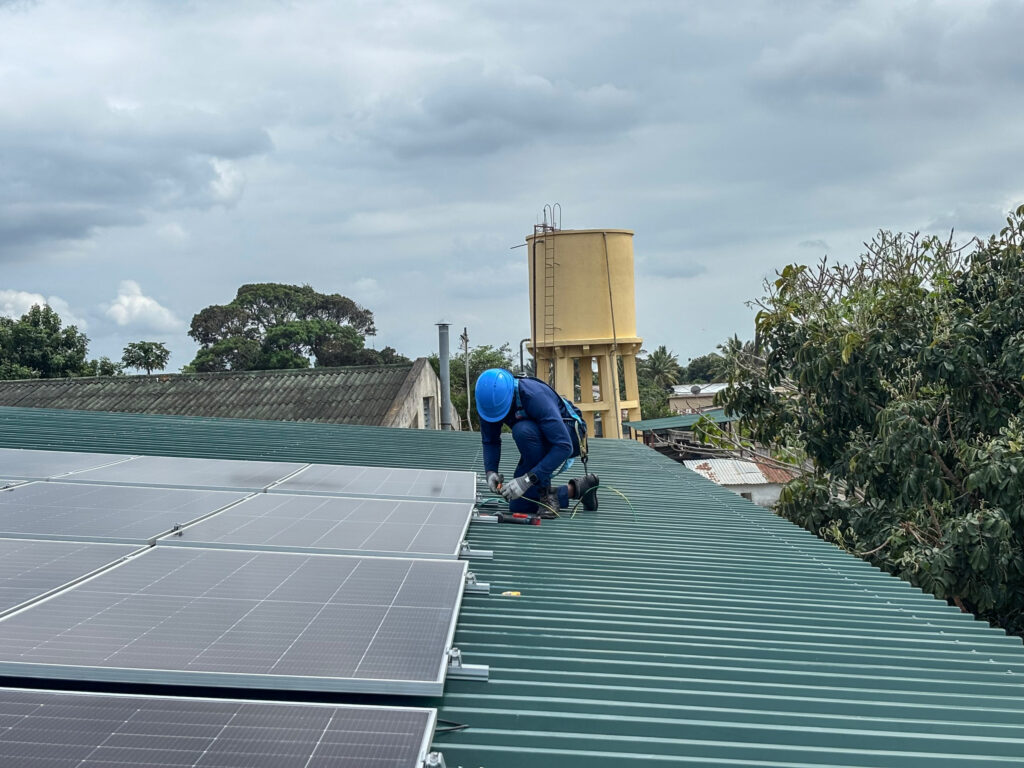
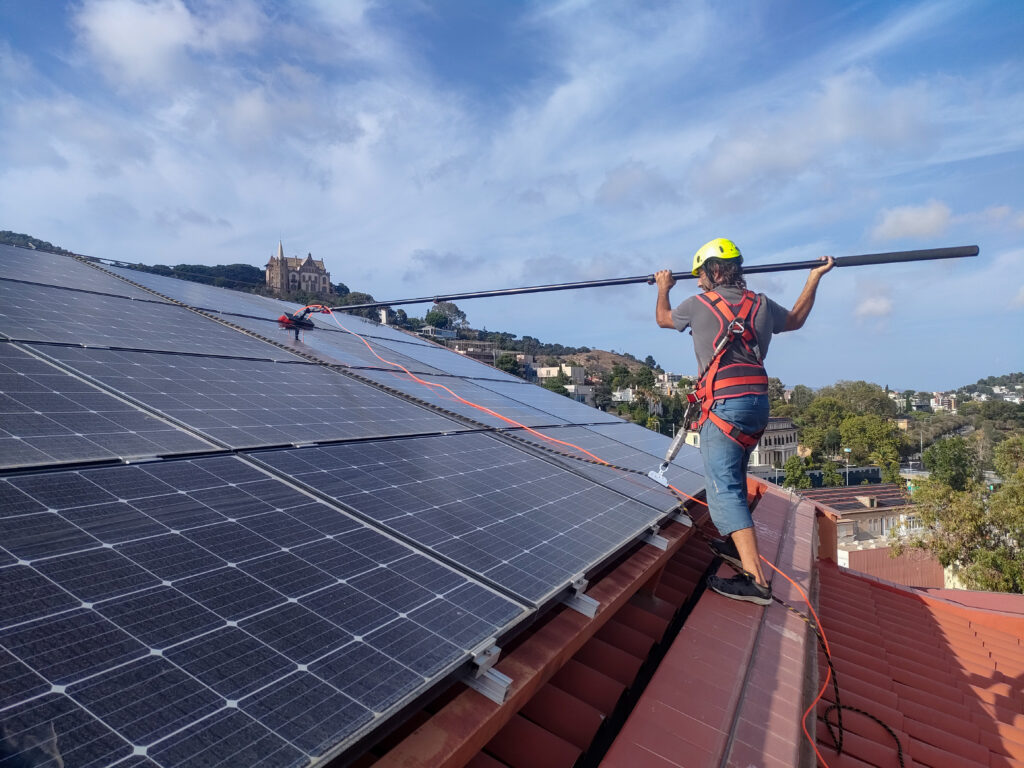
The green transition is one of the great human projects of this century. It’s not built by policy alone, but by the sweat and grit of those who make it happen.
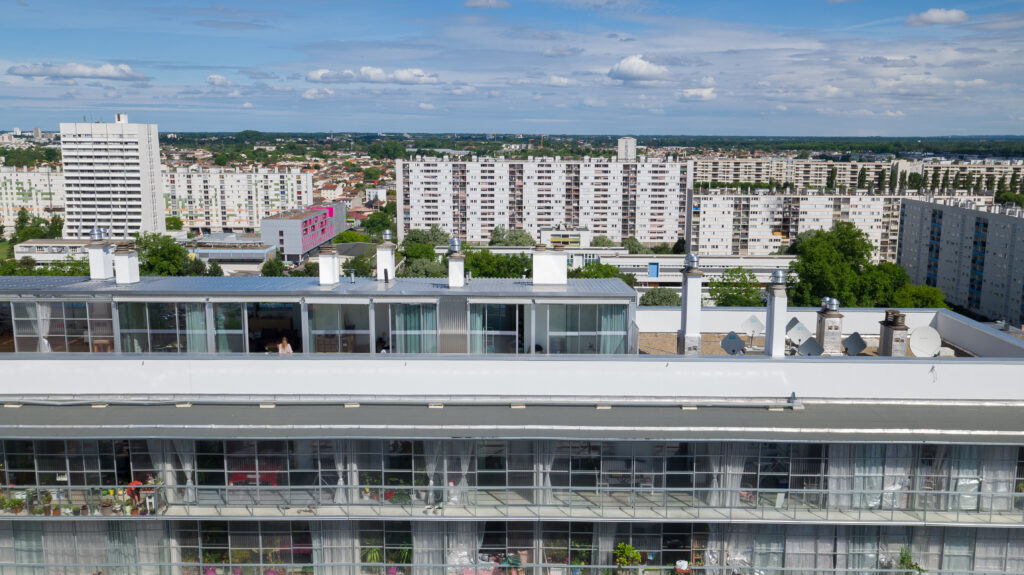
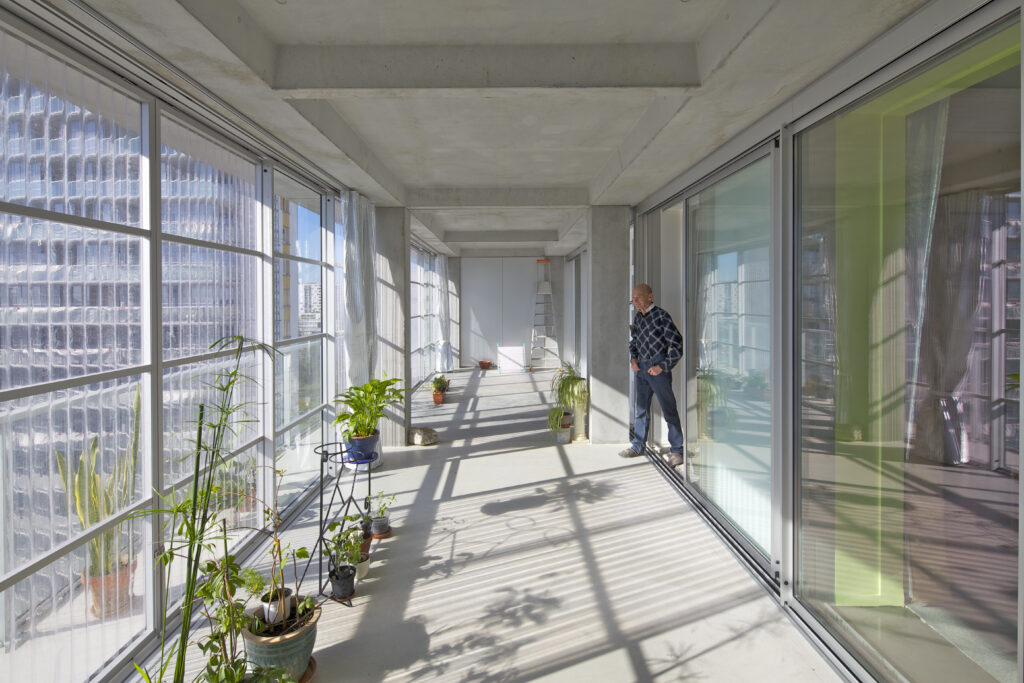
Europe’s building stock is aging and inefficient. Approximately 220 million of its buildings were constructed pre-2000; a time before energy ratings became mandatory, when double-glazed windows were an unnecessary luxury and heating ran on fossil fuels without smart controls.
But in the next decades, policy aims to bring the oldest building stock in the world in line with the realities of climate change. That will be done by adding insulation, improving cooling and heating systems, and using renewables to run buildings. The Energy Performance of Buildings Directive from the European Commission aims to fully decarbonise Europe’s buildings by 2050.
But the urgent need for renewables is not just a European issue – it is a global one. The entire world must contend with the effects of a changing climate, and using renovation as a response to these changes requires a workforce that can quickly adapt to and learn new technologies and processes.
By necessity, electricians become energy specialists, builders take on retrofit coordination, and entire crews develop sustainability expertise previously unheard of in their field.
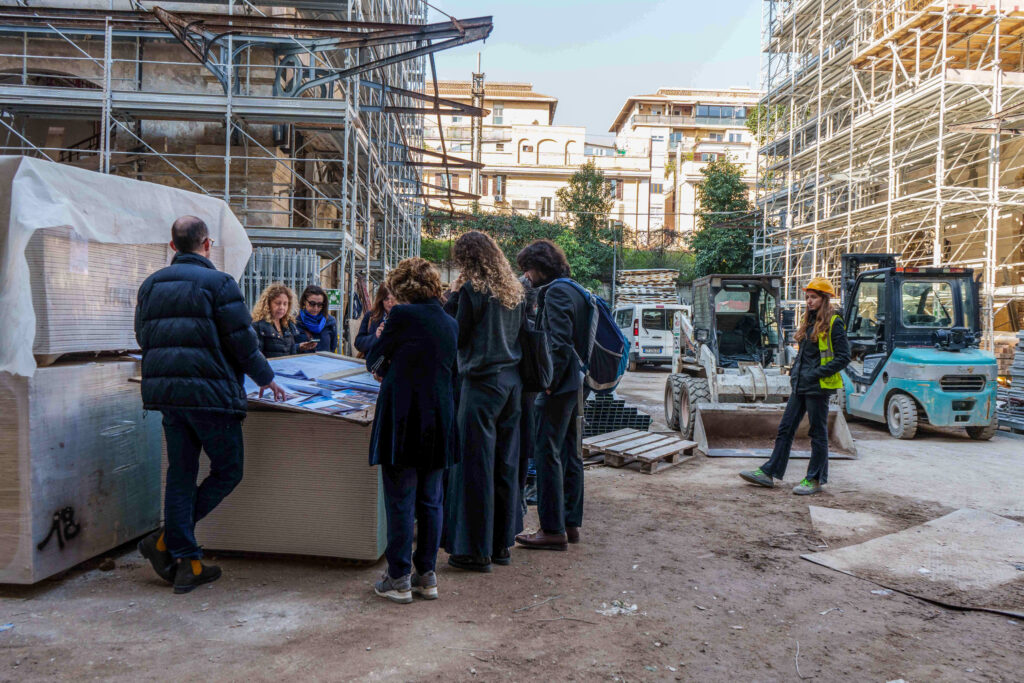
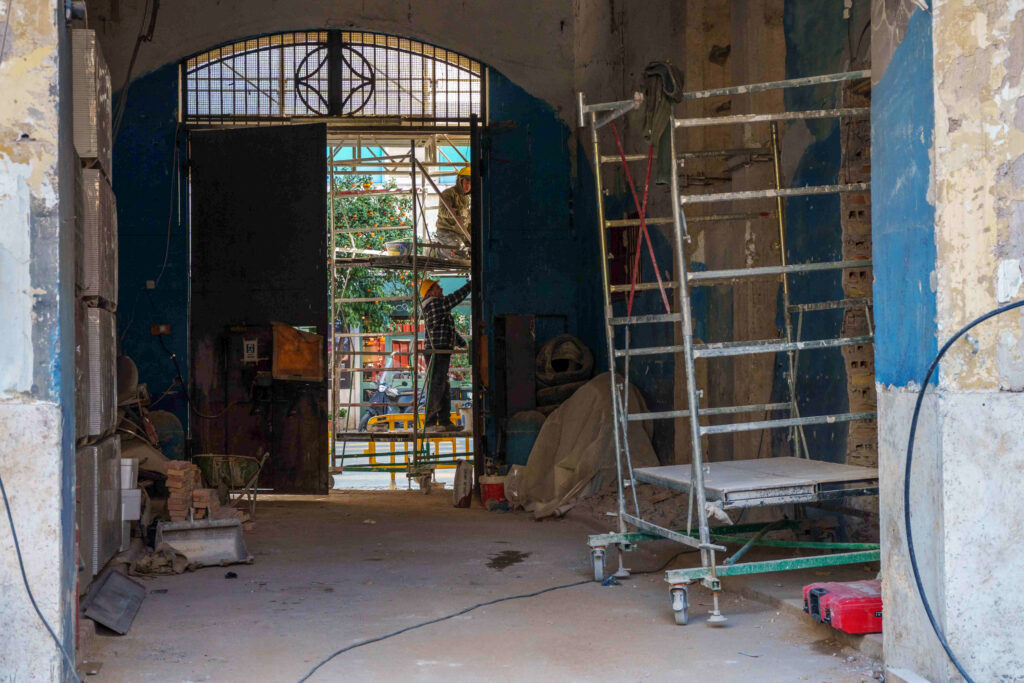
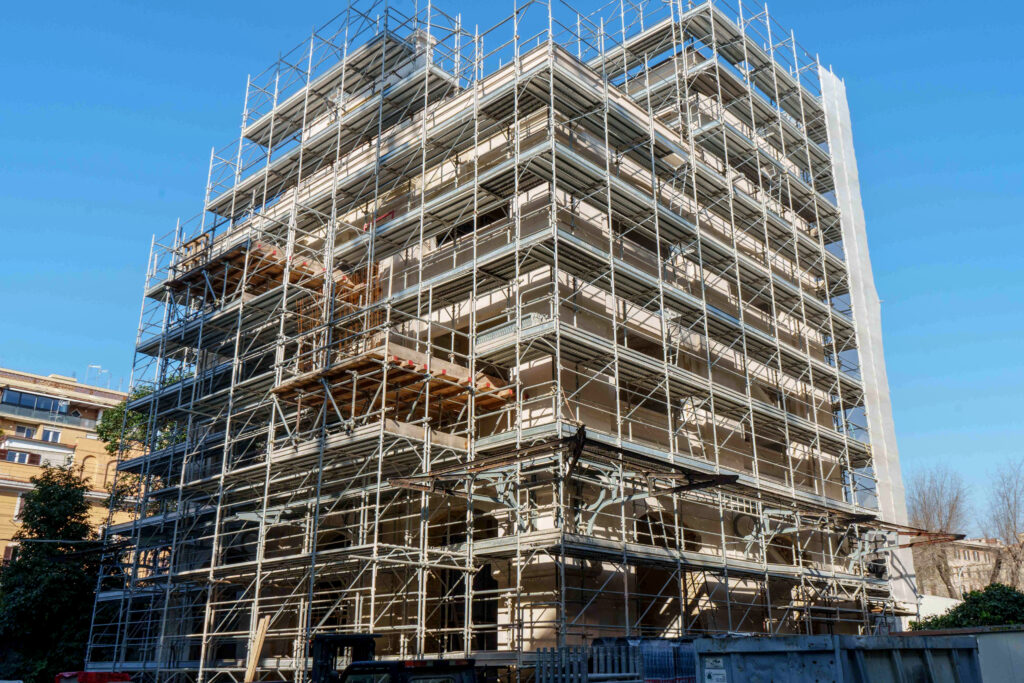
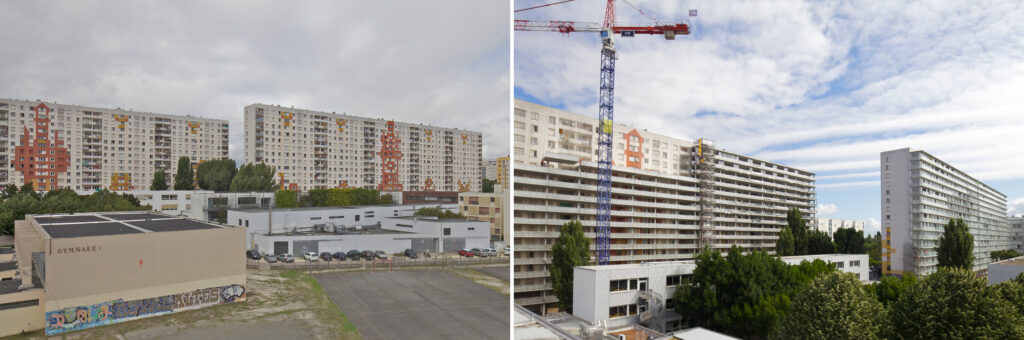
This VIEWS honours the thousands of humans who do the work to help our buildings become more sustainable and allow us to leave a gentler mark on our planet.
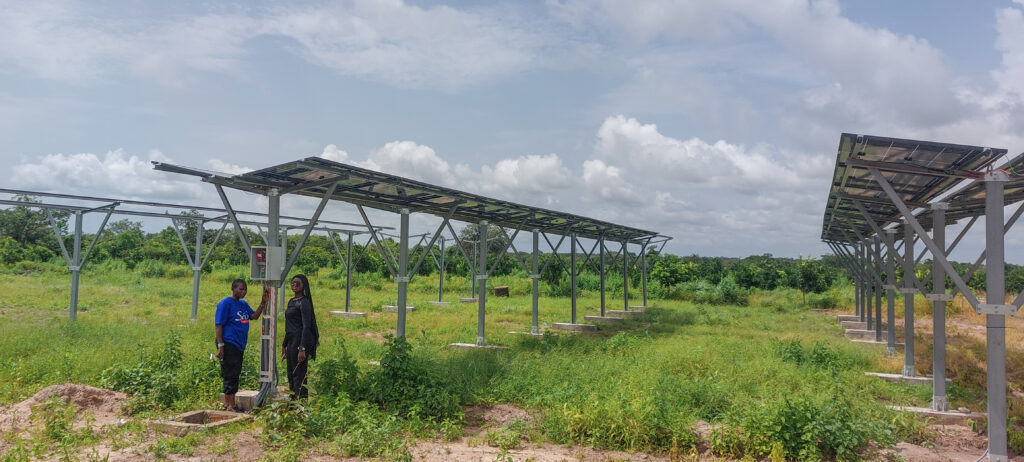
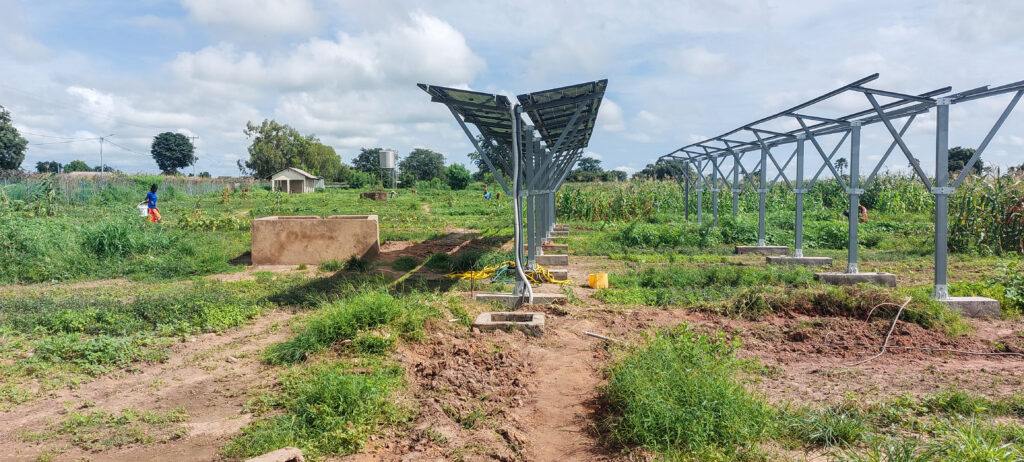
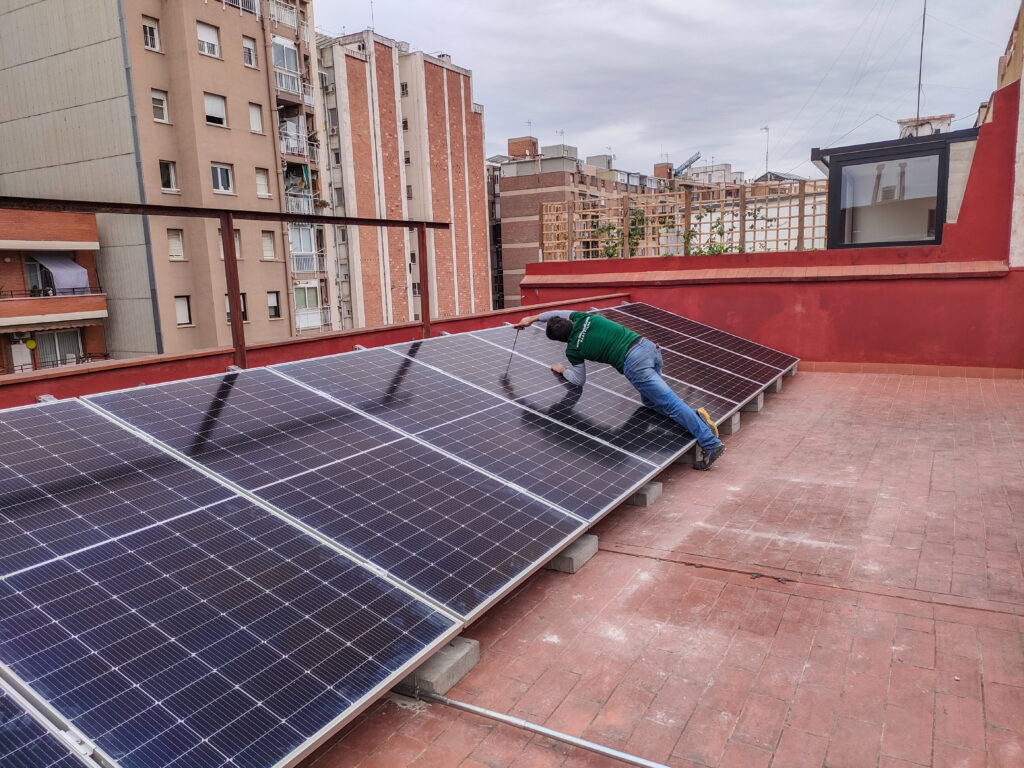
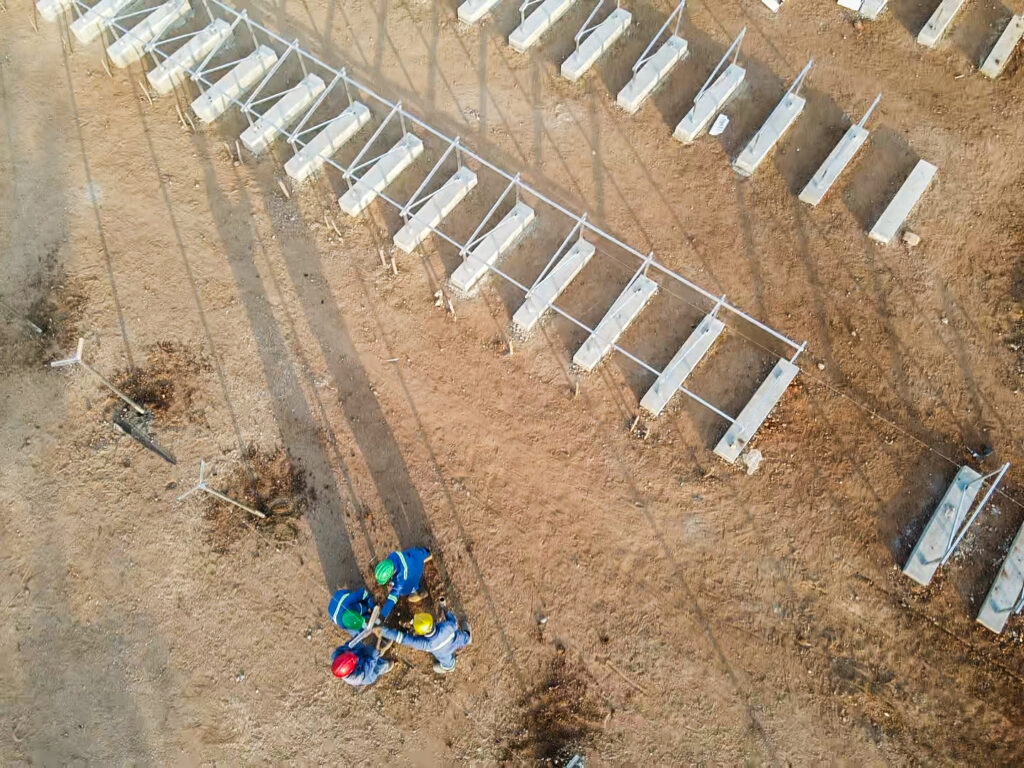
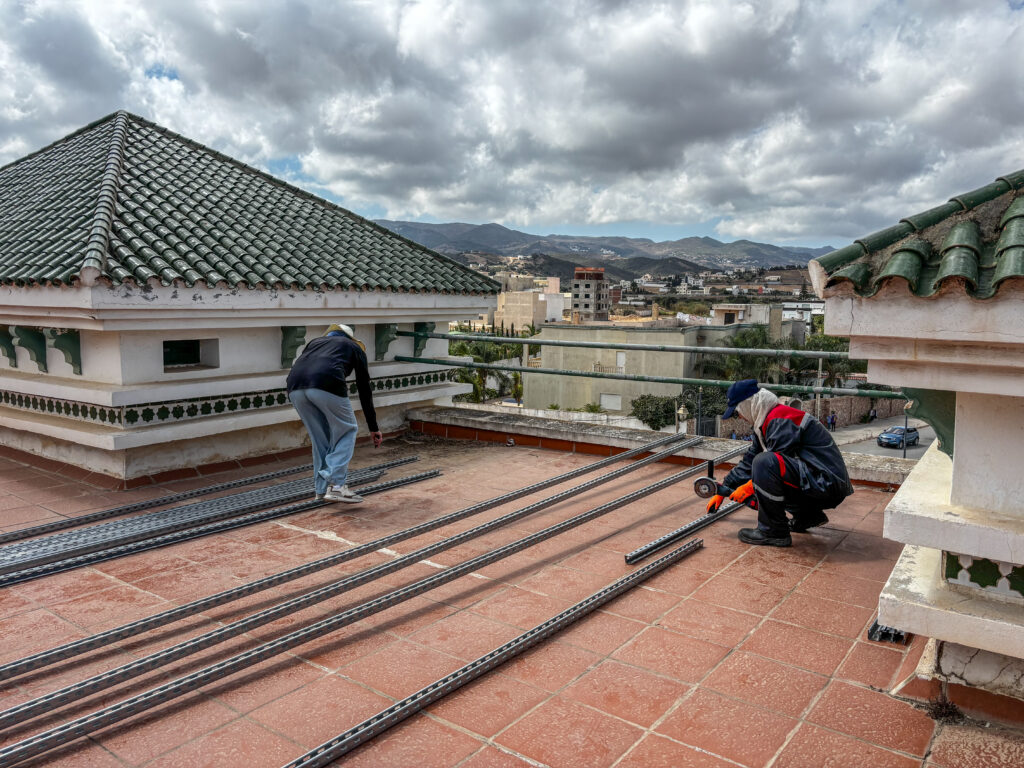
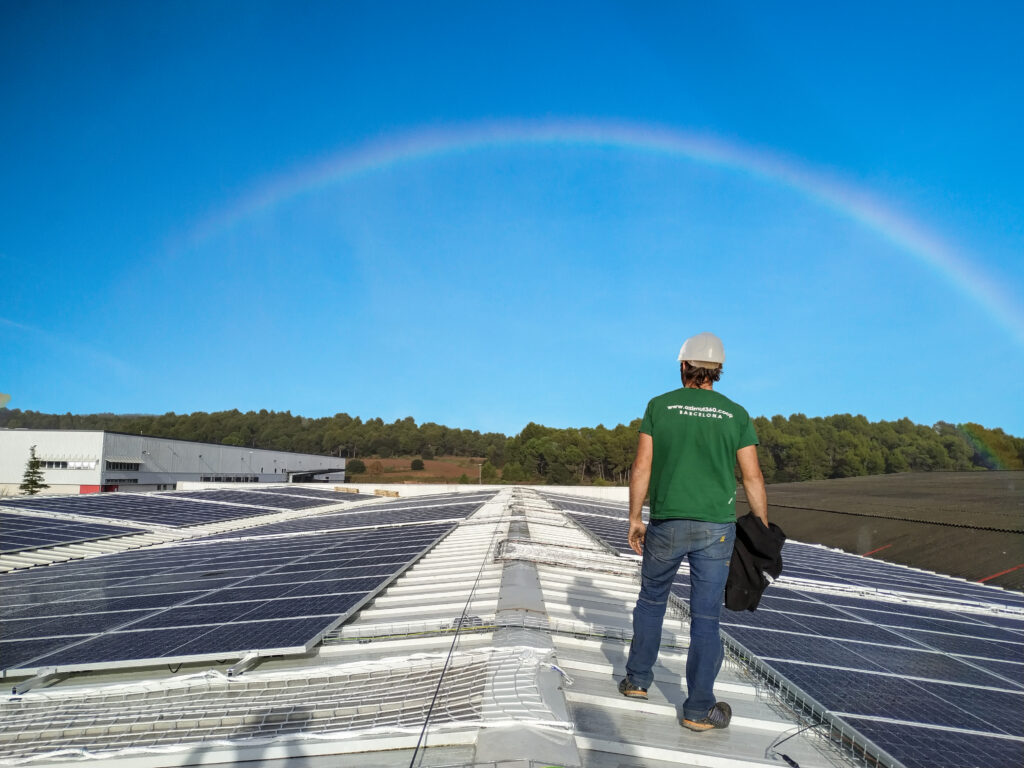
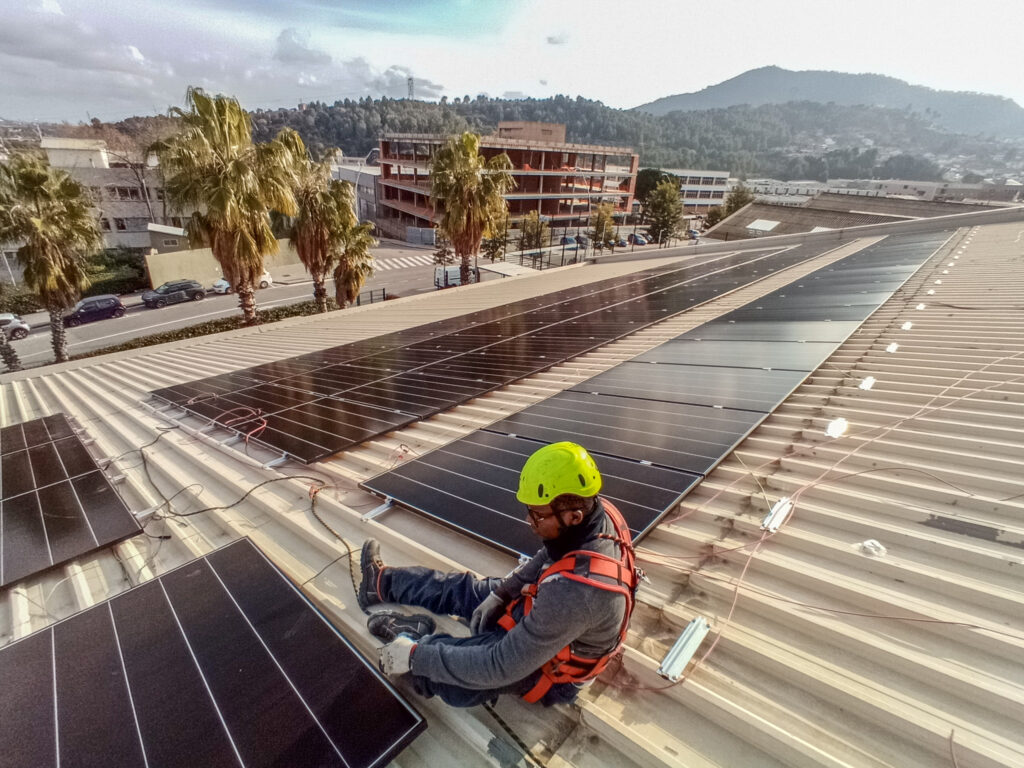
Photographs have been provided by Azimut 360, a non-profit renewable energy engineering cooperative based in Barcelona, Catalonia (Spain) working to promote a just and sustainable energy transition through the values of the Social and Solidarity Economy, and by Build Better Lives, a pan-European people-oriented campaign gathering nearly 100 social justice, housing, climate, and health civil society organisations, that aims to ensure decent, affordable, and energy efficient house for all.