
Beirut River’s Forgotten Echoes
Photo: Hanin Haidar Ahmad
A Lebanese documentary explores memory, pollution and hope surrounding Beirut’s lost river.
Multimedia journalist Hanin Haidar Ahmad’s documentary Echoes of a Forgotten River traces the transformation of the Beirut River from a lifeline of the city into a polluted canal hidden behind concrete walls. Through personal testimonies, historical memory and environmental research, the film explores how urbanisation, corruption, and neglect erased both the river and its place in Beirut’s collective identity.
Hanin joined the Everything Is Changing to discuss the inspiration behind the documentary, the environmental and social realities surrounding the river, and the grassroots efforts trying to reclaim it.
Watch the documentary here: Echoes of a Forgotten River
What inspired you to make Echoes of a Forgotten River? What is the documentary really about?
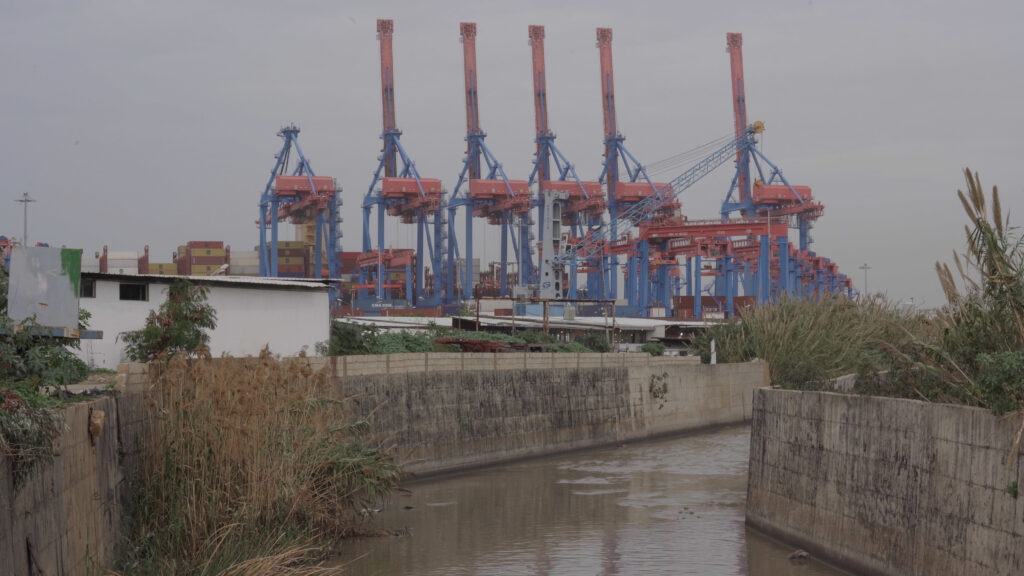
First, I want to thank the AMWAJ Alliance for giving me the opportunity to work on this documentary. The idea actually started from curiosity. When I moved to Beirut, I was always fascinated by these huge concrete walls cutting through the city like a highway. I kept asking myself: what is this place, and why is sewage flowing through the middle of Beirut directly into the Mediterranean?
Then I discovered that this was once the Beirut River: a river deeply connected to the city’s history. The first settlements of Beirut were built around it. Romans used it as a route toward the Bekaa Valley. It was part of daily life, culture and memory.
What shocked me most was seeing something with such historical and ecological importance transformed into what now looks like a sewage canal. The documentary became an attempt to understand how this happened and why. But more importantly, I wanted to reconnect the river with the people who still live around it today. I wanted to hear their memories, their emotions and what it means to live next to something that was once beautiful and life-giving but has now become associated with pollution and neglect.
In the documentary, many elderly residents describe a completely different river from the one we see today. What happened to the Beirut River?
The river changed dramatically starting in the 1960s. Before the Lebanese Civil War, authorities decided to canalise the river to prevent seasonal flooding. Beirut River is an intermittent river, meaning it floods heavily during winter and dries during summer. European engineers were brought in, and they designed these massive concrete canals that now dominate the landscape.
But then the civil war interrupted the project. Later, in the 1990s, the canalisation continued in a very chaotic way, with corruption surrounding many infrastructure projects. At the same time, sewage systems and industrial waste were connected directly into the river. Slowly, the river lost its natural banks, its soil and its ecosystem.
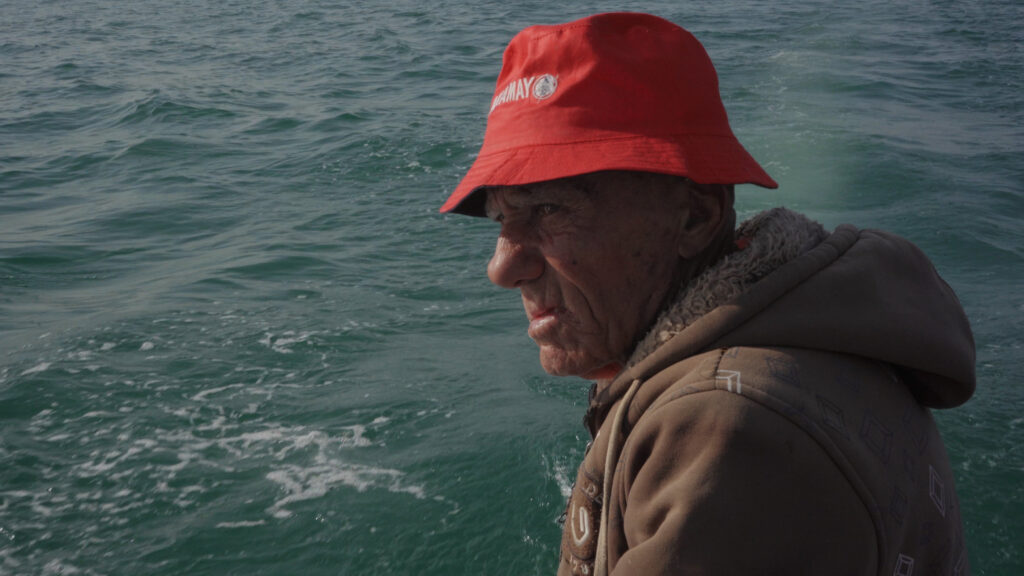
People like Zoro, the 80-year-old Armenian fisherman in the documentary, still remember when the river was alive. Armenians settled around the river after the genocide because water was such an important resource. Zoro remembers swimming there, washing clothes, fishing, and celebrating around the river. There were picnics and festivals organised along its banks. Today, almost nothing remains of that reality.
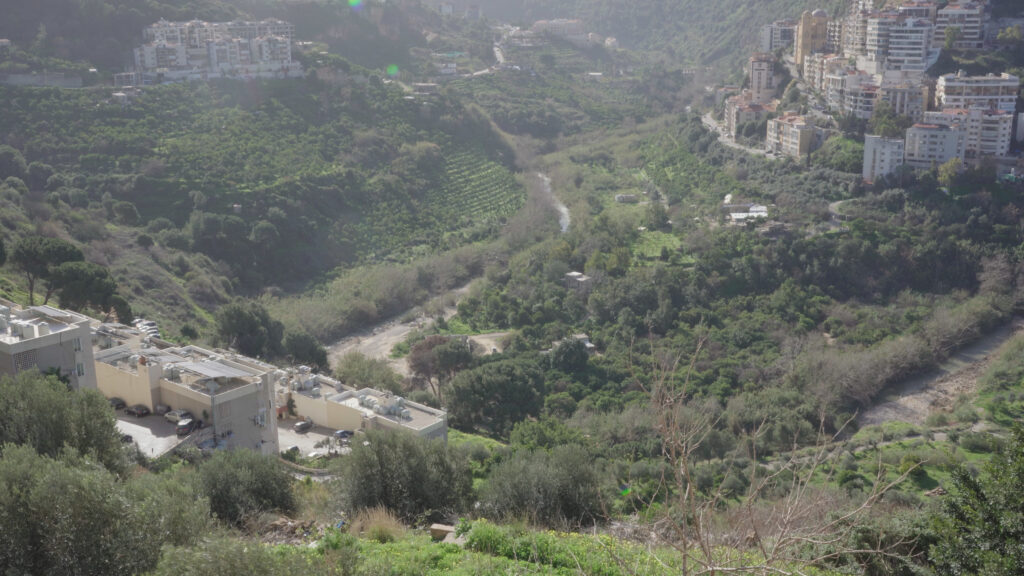
Pollution appears everywhere in the documentary; sewage, garbage, and industrial waste. Are these still ongoing problems today?
Unfortunately, yes. The pollution is still ongoing. The middle section of the river is especially affected because it passes through an industrial area. Factories dump waste directly into the river, while untreated sewage also enters the water.
The upper valley of the river is still relatively preserved compared to the lower sections, but even there pollution exists. The downstream areas are the worst because the river is basically functioning as an open drainage system.
One of the biggest problems is the absence of regulation and enforcement. Technically, the Beirut River is considered a protected natural area because of its historical and ecological importance. But in practice, there is almost no accountability. Authorities should regulate industrial waste management and protect the river system, but corruption and political dysfunction prevent meaningful action.
The documentary highlights social inequality around the river. How connected are environmental and social issues here?
They are completely interconnected. The communities living around the river were largely lower-income populations, including Armenians, Kurds, and migrant communities. The canalisation project did not really consider their wellbeing or quality of life.
At the same time, the government benefited financially from the project. Large areas of land around the canal became available for highways, industrial use, and informal developments. Those lands are now rented to companies, markets and other facilities.
If you compare the investment put into Beirut’s downtown reconstruction with the way the river was treated, the difference is obvious. One area was carefully designed and beautified, while the river was transformed into a neglected industrial corridor.
One striking point in the documentary is that many people in Beirut no longer even think about the river. Why was the river erased from public memory?
Because the walls erased it physically and psychologically. If you cannot see the river anymore, eventually you stop thinking about it. Many younger people in Beirut don’t even realise there is a river beneath those concrete structures.
The canalisation transformed the river into invisible infrastructure. Instead of being part of public life, it became hidden behind highways and industrial zones. One of the experts in the documentary explains that the walls may have also served to hide the growing pollution itself.
Over time, people accepted this as normal. Many residents told me, “At least we don’t have floods anymore.” There’s a sense that changing the river again might somehow make things worse. And because Beirut faces so many other crises – economic collapse, war, electricity shortages, food insecurity – environmental issues often disappear from people’s immediate priorities.
Lebanon has been experiencing an ongoing war by Israel, economic collapse and political instability. In that context, how difficult is it to prioritise environmental protection?
It’s extremely difficult. When a country is dealing with war and survival, environmental projects often become secondary. Beirut has gone through repeated destruction, and people are trying to survive economically every single day.
But environmental destruction is also directly connected to conflict. In southern Lebanon, for example, Israeli bombings targeted water infrastructure, including desalination plants. Pollution from war affects soil, agriculture and water systems for years.
So environmental issues are not separate from political violence or economic crises. They are deeply connected. But because governments focus on short-term emergency responses, long-term environmental rehabilitation often gets ignored.
Despite everything, the documentary also offers hope. What solutions or initiatives inspired you the most?
From the beginning, we didn’t want the documentary to simply show disaster and hopelessness. We wanted to highlight the people trying to reclaim the river and imagine another future.
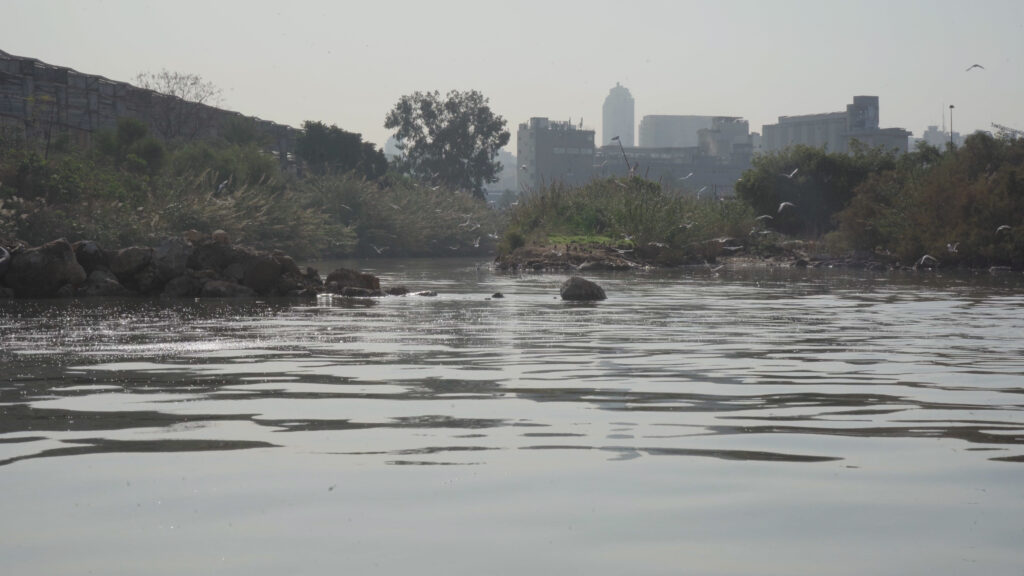
One initiative that inspired me deeply is the Beirut RiverLESS Forest project. They are transforming abandoned landfills and polluted areas into green corridors using native plants and trees. These spaces are now attracting birds again and creating ecological connections between the sea and the mountains.
Another important initiative is the Society for the Protection of Nature in Lebanon, which works in the upper valley of the river. They collaborate with municipalities, schools and local communities to preserve what remains of the ecosystem and educate younger generations.
Professor Sandra Frem also contributed important research to the documentary, showing that restoring the river is technically possible through nature-based and relatively affordable solutions already used in other cities around the world.
The documentary suggests that rehabilitating the river could also transform public life in Beirut. Why is public space so important here?
Beirut has very few public spaces left. The seaside and Horsh Beirut are among the only places where people can freely connect with nature inside the city. Everything else is privatised.
If the river were rehabilitated, it could become a major public space with walking paths, cycling lanes, trees and gathering areas. It could give people, especially young people, somewhere to breathe and reconnect with the city.
Right now, the river is surrounded by highways and factories. There’s almost nowhere you can simply walk beside it. But restoring it could completely change how people experience Beirut. It would not just be an environmental project, it would also be a social and emotional transformation for the city itself.