
Turning River Waste into Action: The Tisza Plastic Cup Movement
Photo: Bence Bezeredy / Canva
A Hungarian initiative is tackling river pollution by turning plastic waste into community action.
Plastic pollution in rivers remains one of the biggest yet often overlooked contributors to ocean degradation. Along Hungary’s Tisza River, a grassroots initiative is transforming this challenge into a participatory movement, combining cleanup efforts, education, and creativity to engage communities across borders.
Gergely Hanko is Vice President of the Plastic Cup Initiative, and Bendegúz Bachrathy is Youth Volunteers Coordinator at Plastic Cup. Since 2013, the initiative has removed hundreds of tons of waste, mobilised thousands of volunteers, and expanded across Central and Eastern Europe. In this conversation with Ahmetcan Uzlaşık for the BlueBoard podcast by Everything is Changing, they explain how citizen-led action can reshape river ecosystems and environmental awareness.
Could you briefly explain the environmental status of the Tisza River today?
Gergely Hanko: The Tisza River is the largest tributary of the Danube and flows through several countries, including Ukraine, Romania, Slovakia, Hungary, and Serbia. It is part of one of the most international river basins in the world.
Unfortunately, the river has faced severe environmental challenges over the past decades. One of the most notable incidents was the cyanide pollution disaster in 2000. Since then, the river has continued to suffer from communal waste pollution and, more recently, recurring industrial pollution incidents.
A major issue is that waste enters Hungary from upstream countries, especially during floods. Our work focuses on stopping this pollution, upcycling river waste, and supporting waste management and environmental awareness in upstream regions.
Why did you decide to join the Tisza Plastic Cup initiative?
Bendegúz Bachrathy: I actually joined when I was seven years old because my parents brought me along. It started as a family activity, but as I grew older, I chose to stay and became more involved. Today, I coordinate youth volunteers under the age of 18.
For me, the biggest motivation is seeing the real impact. When we remove tons of waste from the river, you can immediately see the results. It also feels like being part of a strong and supportive community.
For me, the biggest motivation is seeing the real impact.
Gergely Hanko: I joined about ten years ago after seeing a documentary about pollution in the Tisza River. I had already worked in the environmental sector, but I had never realised how serious the problem was. That was shocking to me. I immediately contacted the organisers because I wanted to be part of the solution.
The Plastic Cup combines teamwork and competition. How does this format help with engagement?
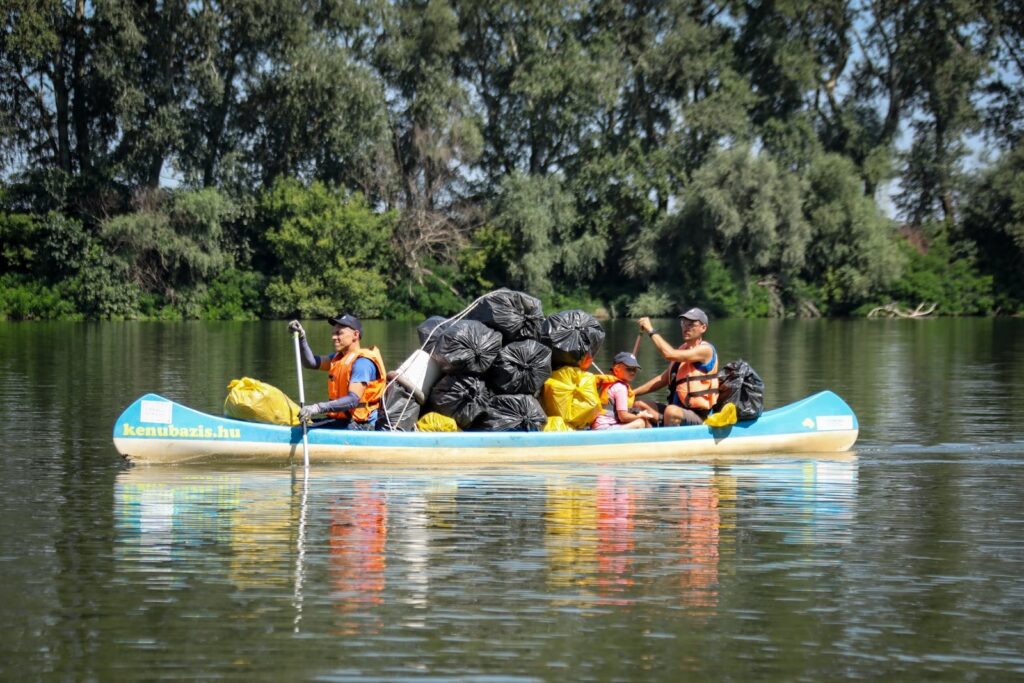
Gergely Hanko: The idea is inspired by sailing competitions, but instead of expensive boats, we build boats from collected plastic waste. Teams compete in a “trash boat race,” where they also collect waste, complete challenges, and live on the river during the event.
Participants include volunteers, municipalities, companies, and NGOs. The combination of competition, teamwork, and creativity makes the experience engaging and memorable.
Beyond the main events, we organise activities year-round, including cleanups, workshops, and community programmes. This creates a strong connection between people and the river.
Can anyone join the Plastic Cup?
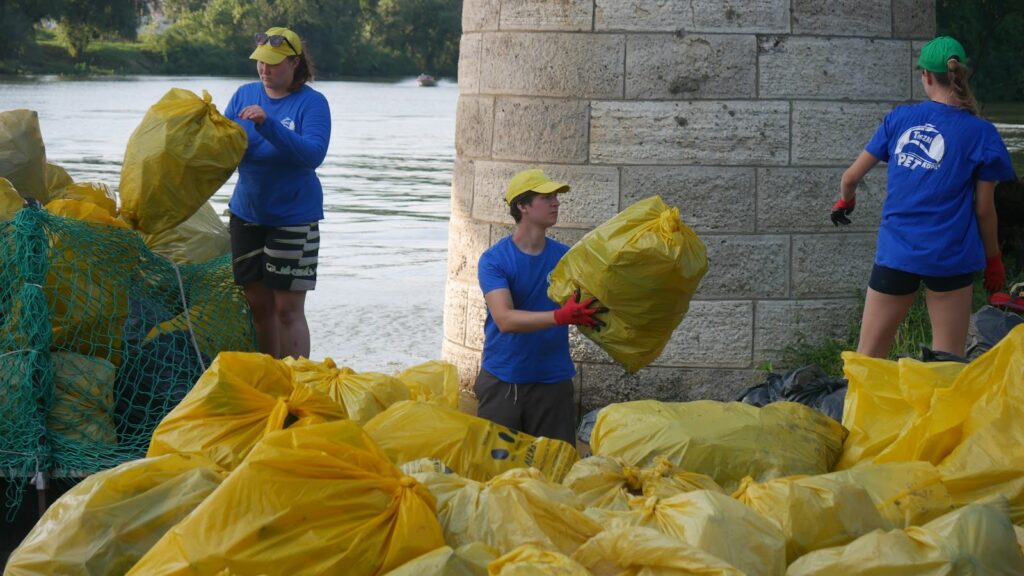
Gergely Hanko: Yes, absolutely. We have international teams every year, including participants from across Europe and beyond.
It is open to anyone who wants to take part in a unique environmental experience. It is not just about cleaning waste; it is also an adventure and a community-driven event.
What motivates young people to join and stay involved?
Bendegúz Bachrathy: It really depends on the person, but for many young people, the Plastic Cup feels more like a festival than work. We combine environmental action with fun; there are concerts, boat races, and social activities. You can make an impact while also enjoying the experience.
Young people are also motivated by creativity. They can design projects, build boats, and contribute in different ways. It is not just about cleaning; it is about being part of something meaningful.
You can make an impact while also enjoying the experience.
How does the initiative integrate environmental education into its activities?
Gergely Hanko: Education is a central part of what we do. The Plastic Cup operates not only as a cleanup initiative but also as an educational platform. We collaborate with schools, companies, and researchers. We conduct fieldwork, measure pollution such as microplastics, and translate scientific findings into educational materials.
We have also developed “river literacy” principles inspired by ocean literacy. Based on these, we created teaching materials, handbooks, and a River Saver school network across Central Europe. Schools can adopt river sections, monitor water quality, and engage students in hands-on environmental learning.
Can you share a memorable experience from your work?
Bendegúz Bachrathy: One of my favourite experiences is working with youth volunteers on the river. We would tie our canoes together, listen to music, and float along the river. Then we would stop to collect waste and continue.
It never felt like work; it felt like being part of something special. Another memorable moment was when we visited schools in Ukraine with a mobile recycling lab. We had to teach children how to recycle plastic without a common language, only through gestures. It showed how universal environmental action can be.
How are teachers and educational institutions involved?
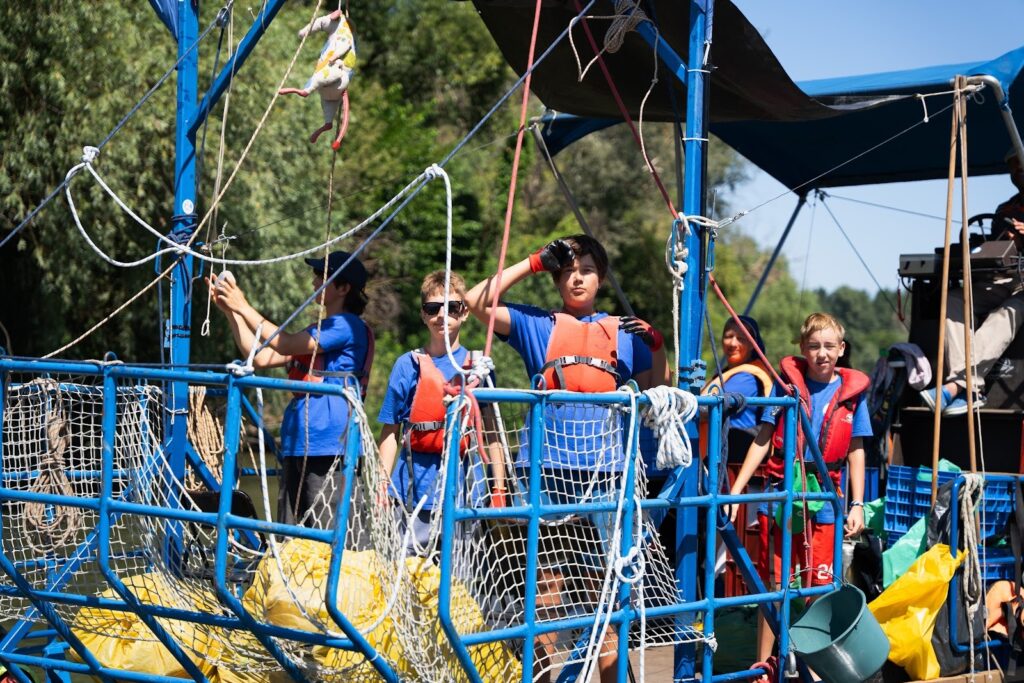
Gergely Hanko: Teachers are highly engaged and motivated. Environmental education is already strong in Hungary, and many teachers are looking for new tools and materials.
We work closely with schools and have built a network of proactive educators. We also organise training programmes for university students and NGOs, including international participants.
These programmes focus on river literacy, stakeholder engagement, and organising environmental actions, helping to scale the initiative beyond Hungary.
Why is it important for landlocked countries to engage in ocean-related issues?
Why is it important for landlocked countries to engage in ocean-related issues?
Gergely Hanko: Rivers are responsible for transporting around 80% of waste into seas and oceans. This means that pollution often originates from the coast.
Many upstream regions lack proper waste management systems. For example, in parts of Ukraine, hundreds of settlements do not have organised waste collection, leading to large amounts of waste entering rivers. This is why landlocked countries play a crucial role in addressing marine pollution. Preventing waste at the source is key to protecting oceans.
What advice would you give to young people who want to take action?
Bendegúz Bachrathy: Start locally. Join smaller environmental initiatives in your area rather than waiting for big projects. If more people support local actions, they can grow into larger movements and create real change.
What are the biggest challenges in maintaining long-term engagement?
Gergely Hanko: Sustaining long-term engagement is one of the biggest challenges for any environmental initiative. The Plastic Cup has been running for over a decade, and maintaining financial stability is essential. Our success depends on strong partnerships with companies, institutions, and volunteers.
Our success depends on strong partnerships with companies, institutions, and volunteers.
The initiative involves much more than events; it includes infrastructure, research, waste management, and continuous operations. This requires ongoing funding and coordination.