
Ports Will Decide Shipping’s Fuels
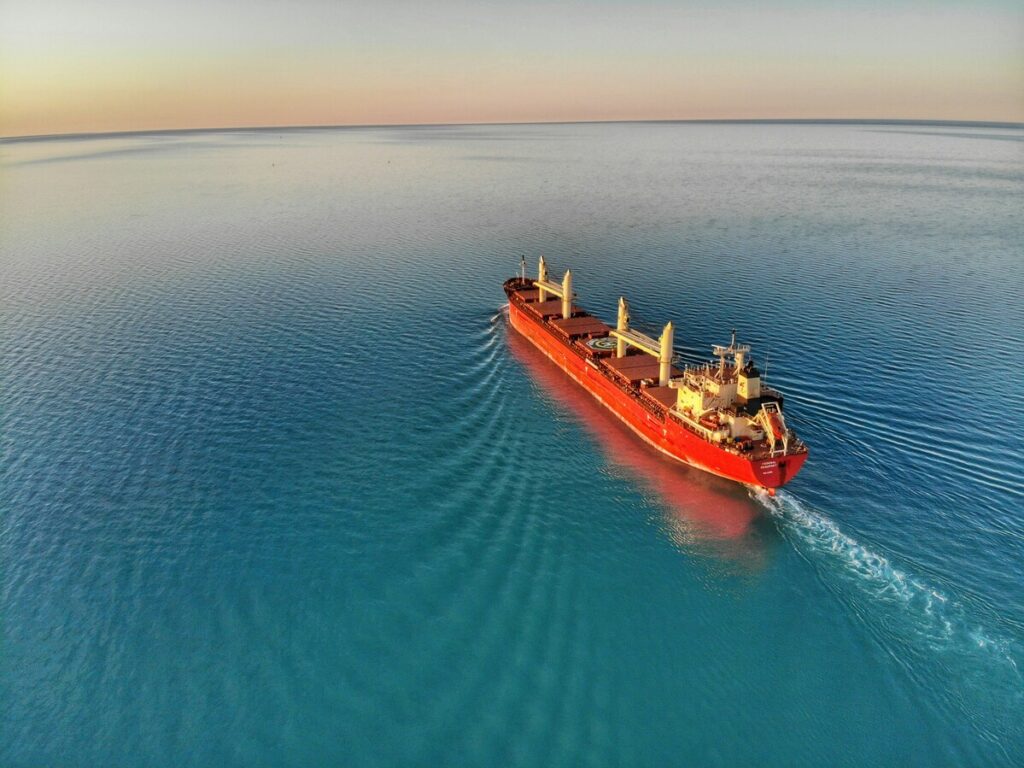
Photo: Dušan veverkolog / Unsplash
As new fuel-ready ships surge, infrastructure is emerging as shipping’s biggest decarbonisation bottleneck.
Jesper Soerensen is Global Head of Alternative Fuels & Carbon Markets at KPI OceanConnect, with more than 25 years’ experience across international maritime and marine energy markets. Having spent much of his career in Singapore, where he served as Managing Director of KPI OceanConnect from 2019, Soerensen now leads the company’s global green strategy, focusing on alternative fuels, carbon markets, and decarbonisation solutions for shipping.
In this interview with REVOLVE, he explains where infrastructure is falling behind, how regulation is reshaping fuel choices, and why collaboration will determine which fuels ultimately scale.
With LNG, methanol and ammonia-capable vessels entering fleets at record pace, where do you currently see the biggest infrastructure bottlenecks; fuel supply, bunkering capacity, port readiness, or regulatory approvals?
Fuel supply, bunkering capacity, port readiness and regulatory approvals all feature in the lamentable slow pace of infrastructure developments for alternative fuel. LNG itself is a globally traded commodity but access to molecules, bunkering capacity and port readiness are limited even at some of the biggest ports in the world. Meanwhile, methanol infrastructure remains in its infancy and, for ammonia, aside from proof of concept, bunkering has not reached infrastructure build-out yet.
Fuel supply, bunkering capacity, port readiness and regulatory approvals all feature in the lamentable slow pace of infrastructure developments for alternative fuel.
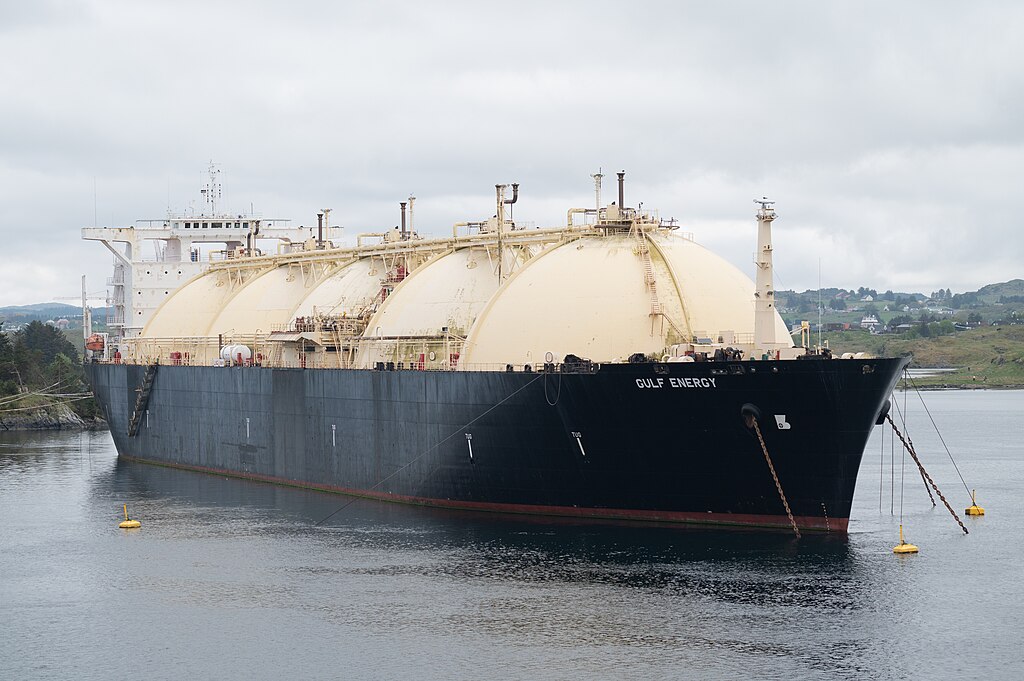
LNG has a significant head start in bunkering infrastructure, yet recent data suggests demand is now outpacing supply. How serious is this gap, and what risks does it pose for shipowners relying on LNG as a transition fuel?
The growing supply-demand gap is less about global LNG availability and more about terminal accessibility, including bunker slot availability, port coverage and logistical readiness across global trading routes. Where supply remains concentrated in a limited number of hubs, shipowners face operational and commercial risk if vessels cannot reliably bunker LNG when required.
This challenge is probably best reflected in Southeast Asia, where Singapore is already operating near full capacity. To tackle this, the Maritime & Port Authority of Singapore (MPA) has invited interested parties to apply for new LNG bunkering licenses.
The infrastructure is developing and there is strong demand for dual-fuel vessels. The IMO forecasts that 234 newbuild LNG carriers will be delivered between 2026 and 2030 (source). While we need to see how many of the upcoming dual fuel LNG vessels will immediately go towards LNG as a fuel source, these are positive developments and underline the importance for shipowners of knowing their trade routes and availability on those routes. At KPI OceanConnect, we use our global scale, presence and expertise to guide our clients on exactly these points.
From your market vantage point, how prepared are major global ports to support fuels like methanol and ammonia compared with LNG today?
Ports around the world are doing their best to meet the demands of clients in an emerging multi-fuel world. Decision making is very challenging for ports and for fuel buyers, who need to understand the infrastructure landscape, the demand for a specific product and where it is available to confidently meet their operational and regulatory obligations. Working with reliable counterparties that understand the rapidly evolving fuel landscape can help turn operational continuity and risk mitigation into competitive advantage.
What types of investment or policy support are most urgently needed to accelerate alternative-fuel infrastructure, particularly in emerging bunkering hubs?
Adoption of the International Maritime Organization’s Net Zero Framework would have provided the industry with much needed regulatory clarity and certainty for port and ship owning investors. In the absence of clear and globally coordinated regulatory direction, bunkering hubs need to turn to market trends and orderbooks to understand upcoming demand forecasts. Particular attention will need to be paid to voyage routes, regional regulations and destination/departure ports. These kinds of approaches were deployed to support the development of LNG as a marine fuel; there are parallels the industry can learn from this experience.
Smaller and mid-sized operators in particular face resource constraints in managing these dynamics alongside daily operations. These owners and operators face the challenge of exposure to compliance complexity with minimal internal team capacity, which can lead to missed opportunities in strategic compliance. This can include approaches such as planning EUA procurement and surrender cycles, budgeting to deliver EU ETS compliance, and how to optimise this approach together with fuel selection and blending, GHG intensity assessments and fuel benchmarking for FuelEU Maritime compliance.
KPI OceanConnect has the expertise and track record of providing the industry with end-to-end support on decarbonisation compliance. From cost and compliance forecasting to physical delivery, we ensure fuel strategies align with clients’ operational and business needs.
As emissions regulation tightens (such as the EU ETS expansion to maritime fuels), how do you expect infrastructure availability to influence fuel choice over the next decade?
If the last couple of years have taught us anything, then it is that 12 months is a long time in shipping. It is often difficult to predict the next year, and so a lot can happen in the next decade.
What we have consistently seen is that fuel choice is informed by infrastructure and supply availability. For alternative fuels, however, fuel choice is mainly driven by regulation. The higher cost of alternative fuels means that without a regulatory requirement, shipping will stick with the most cost-effective solution.
What we have consistently seen is that fuel choice is informed by infrastructure and supply availability.
Looking ahead, do you see infrastructure development becoming the decisive factor in which alternative fuels ultimately scale in global shipping
The industry needs active collaboration to develop the pathways and infrastructure for alternative fuel uptake, from feedstock supply to fuel production and offtake. This will rely on partnerships and, if low-carbon fuels are to continue their development, working with knowledgeable experts who can connect the innovative companies working on both sides of the market. Ensuring coordinated investment in infrastructure, robust partnerships and knowledge sharing will be critical to enabling a smooth and commercially viable energy transition for the global shipping industry.