
The Floods Forming at the Roof of the World
Photo: Vadim_N / Shutterstock
Glacial lake outburst floods are rising worldwide, and better monitoring, local preparedness, and governance can make the difference between disruption and disaster.
Céline Walker is a PhD researcher at the Institute for Geography at FAU Erlangen-Nürnberg, Germany. As part of the DeLIGHT Junior Research Group and the CryoSCOPE project, her research focuses on glacial lake outburst floods (GLOFs) and glacio-hydrological processes. Before starting her PhD, she worked at the World Glacier Monitoring Service (WGMS) and with the Glaciology Group at the University of Zurich, Switzerland, where she also completed her MSc in Physical Geography.
Let’s start with the basics: what is a GLOF, and why should we be talking more about it?
GLOF is an acronym for glacial lake outburst flood. It describes what happens when a lake associated with a glacier (either in front of it, on top of it, or dammed by ice, rock, or moraine) suddenly releases its water. When that natural dam fails, the lake can drain very quickly, producing a powerful flood downstream.
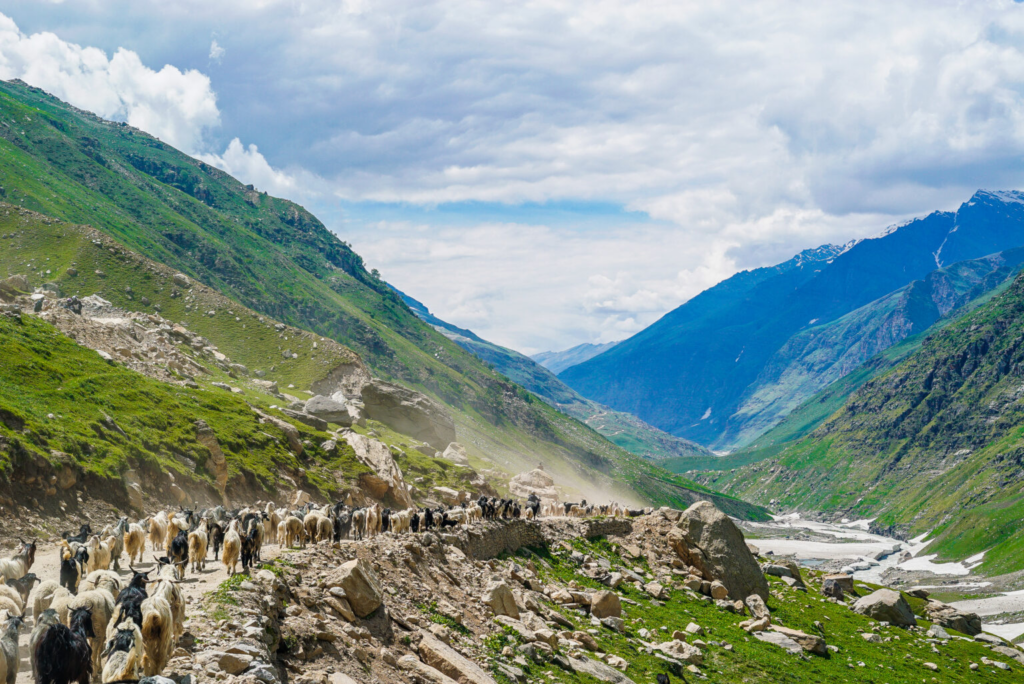
It has been observed across the world. Some regions are more prone than others, the Himalayas and the Andes are well-known hotspots, but there have also been GLOFs in the Alps. And of course, such a flood can be a major danger to settlements, infrastructure, people, and ecosystems, demanding precaution and careful management.
These events can turn deadly. Beyond loss of life, what do GLOFs do to a region?
It depends a lot on where a GLOF happens. A big factor is the financial and institutional resources of a region. If a glacial lake bursts in a poorer or less-prepared area, communities often have fewer options to reduce risk, respond quickly, or recover.
A recent example is Blatten in Switzerland, where a mixture of ice and rock collapsed and covered an entire village in a narrow mountain valley. Authorities worried a new lake could form behind the debris and flood the rest of the valley. But in that case there were substantial resources and monitoring systems already in place.
In other settings, GLOFs happen with little warning or preparation. A historic example is Lake Palcacocha in Peru, which burst in 1941 and damaged parts of the city of Huaraz. More broadly, what we often see is that settlements were not originally built close to places where natural hazards could happen, but over time these areas become increasingly populated. When a GLOF occurs, people can lose homes, livelihoods, and sometimes their lives, impacts that can last for years.
You mentioned different regions are affected differently. Which places are most vulnerable today and why?
I would be cautious about singling out one region as “the most vulnerable.” A region is not necessarily vulnerable just because it has glacial lakes. If there are no people and no infrastructure, you can still have a GLOF, but there is no risk in the human sense and often no one notices those events.
In general, vulnerability arises where glacial lakes exist and people live downstream. Risk has to affect people. Any place where communities and infrastructure are close to potentially dangerous glacial lakes should be considered vulnerable.
So vulnerability is more about exposure than the mere presence of lakes?
Yes. Risk is defined by exposure, vulnerability and hazard. If there are no people, then there is no risk, only a natural process. That’s why places like Iceland can experience GLOFs, but with far fewer consequences than densely populated mountain regions.
If there are no people, then there is no risk, only a natural process.
Many governments focus on engineering fixes, walls, drainage, stabilising dams. Is there one solution that reduces risk in the long term?
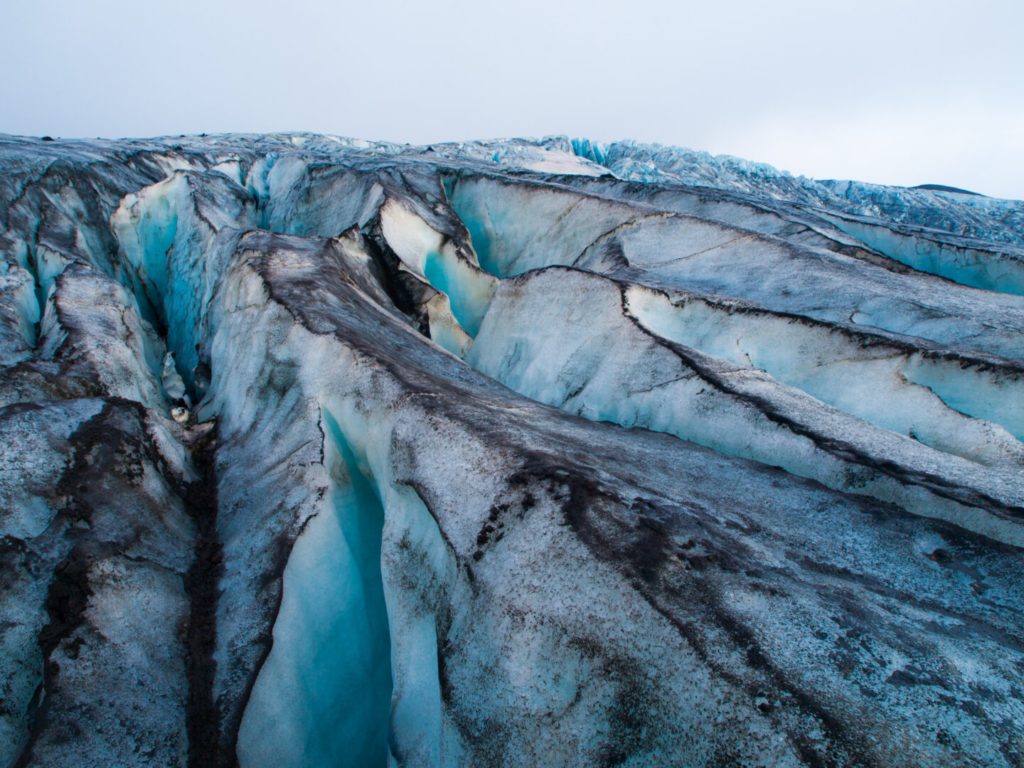
What is done a lot is early warning systems. Lakes are monitored, and if something starts to happen, the population can be warned. There have also been cases in Switzerland where supraglacial lakes, or lakes on the glacier, were actively drained so they don’t suddenly empty in a flood.
But what’s always really important is that when measures are implemented, the local community is informed about what is going on. People need to understand the risks and what can happen. And if there is an early warning system, they need to know how to react when an alarm goes off, what they have to do. That’s key.
And of course, climate change mitigation is also something we should try to achieve.
Do early warning systems save lives? And do they work “100 percent”?
It’s always a bit of an illusion to think that things work 100 percent. But early warning systems help a lot. If there is no early warning system, then there is no warning at all. If you have one, you at least have the chance to evacuate people from the danger zone.
If there is no early warning system, then there is no warning at all. If you have one, you at least have the chance to evacuate people from the danger zone.
There are different types of systems, but essentially the lake is observed, sometimes with cameras, and if you for example, see the dam is breaching, you know you have a certain amount of time until the flood reaches a town. Then the question becomes how well evacuation works, which depends on preparation and informing people, and also on the individual case.
From the CryoSCOPE perspective, what is currently missing in countries at risk and what does the project bring to the table?
First, it needs to be evaluated where there are lakes at all. Very generally, any lake can have the potential for a GLOF, but the risk again depends on whether people are there and exposed. Current glacial lakes and past GLOFs have already been investigated in various studies.
What we do in CryoSCOPE is to look at potential future glacial lakes and GLOFs. That doesn’t mean we can predict exactly when a GLOF will happen, but we look at where those areas are that GLOFs could occur. It’s helpful to do this investigation before a GLOF happens, to understand which areas could be affected.
Even then, you still never know where a GLOF will happen. There are rare cases where monitoring is good enough to identify very specific warning signs, for example, if you see significant movement on rock slopes around a lake, you can assume a rockfall could happen at some point and trigger an outburst. But it’s rare to have that level of monitoring everywhere. And there are still many places where we don’t quite know yet that it could happen.
And what I said before remains central: cooperation with local communities and informing them about risks is something you can never do enough.