Ecosystems • 4 February 2026

The Changing Face of Lapland 

Lauren Beauchamp

Where tundra, tradition, and a changing climate shape daily life.

Northern Lapland is a place where the landscape speaks first. The tundra stretches toward the Norwegian border in muted golds and greys, while Saana mountain rises above the village of Kilpisjärvi like a steady witness to a region in transition. The air is crisp, the terrain open, and the signs of change subtle but unmistakable — thinner snow cover, unpredictable freeze –thaw cycles, shifting treelines, and watercourses carving new paths through ancient rock. 

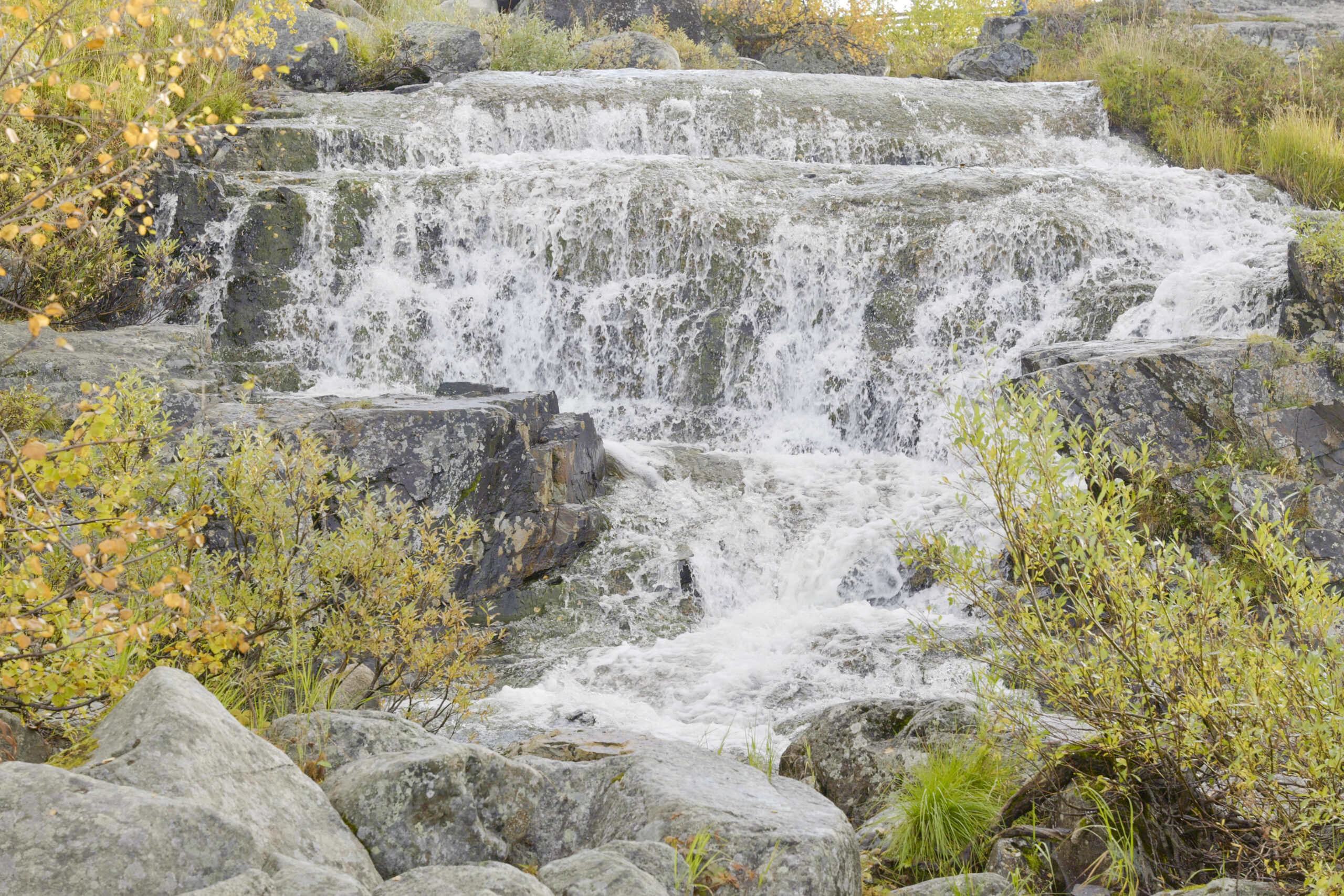
Here you can see textures and rhythms of Lapland as it stands today: a landscape defined by contrasts — waterfalls fed by melting snow, tundra plants holding onto the last of the season’s colour, and reindeer moving through birch forests that are slowly creeping uphill. It is a region shaped equally by the people who call it home: Sámi families whose connection to reindeer herding spans centuries, tourism operators rethinking their seasons, and scientists tracking ecological shifts with meticulous care. 

Seen together, these images reflect a northern environment adapting in real time. They offer a portrait of a place that is both delicate and resilient — where communities meet change with observation, tradition, and quiet determination. 
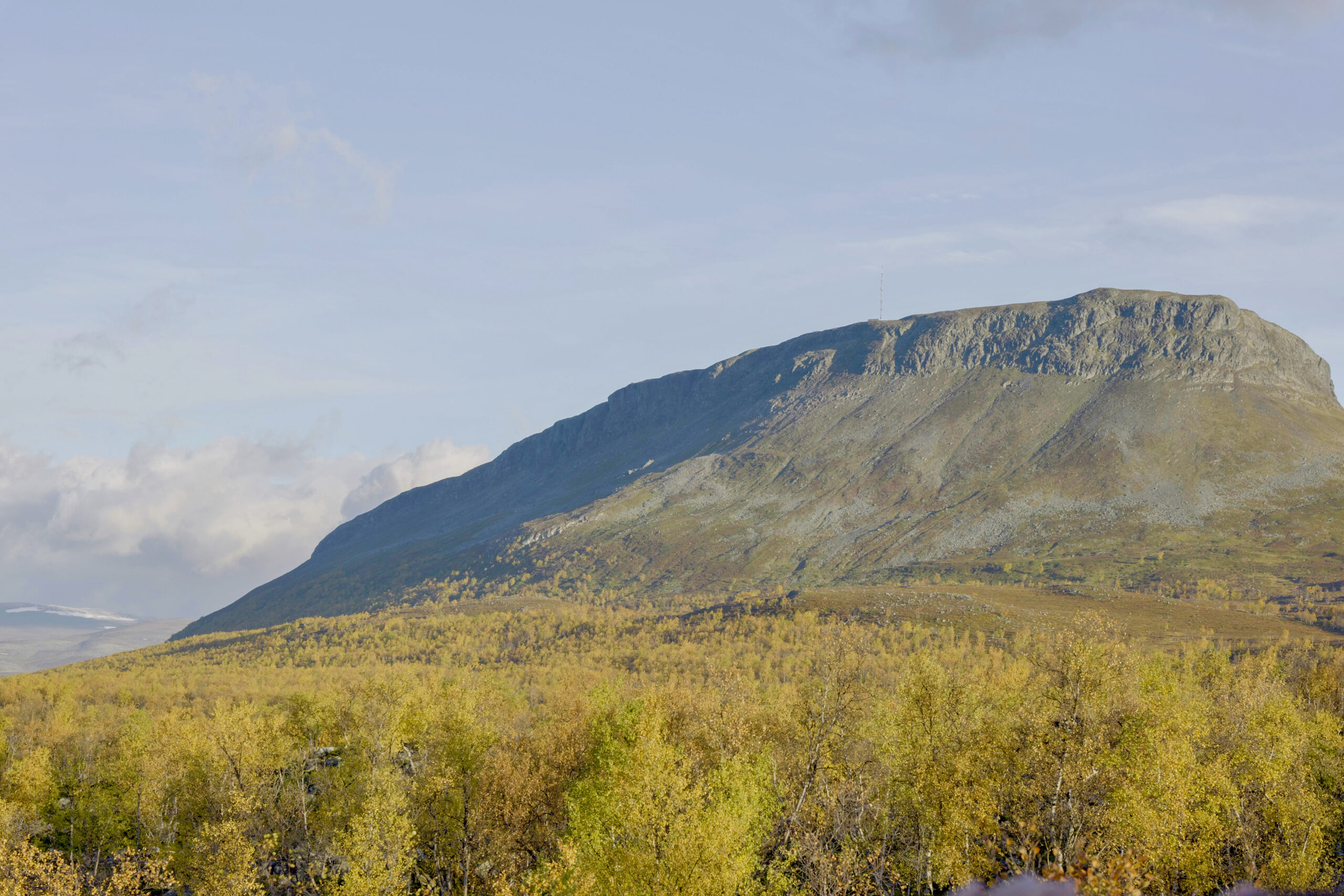
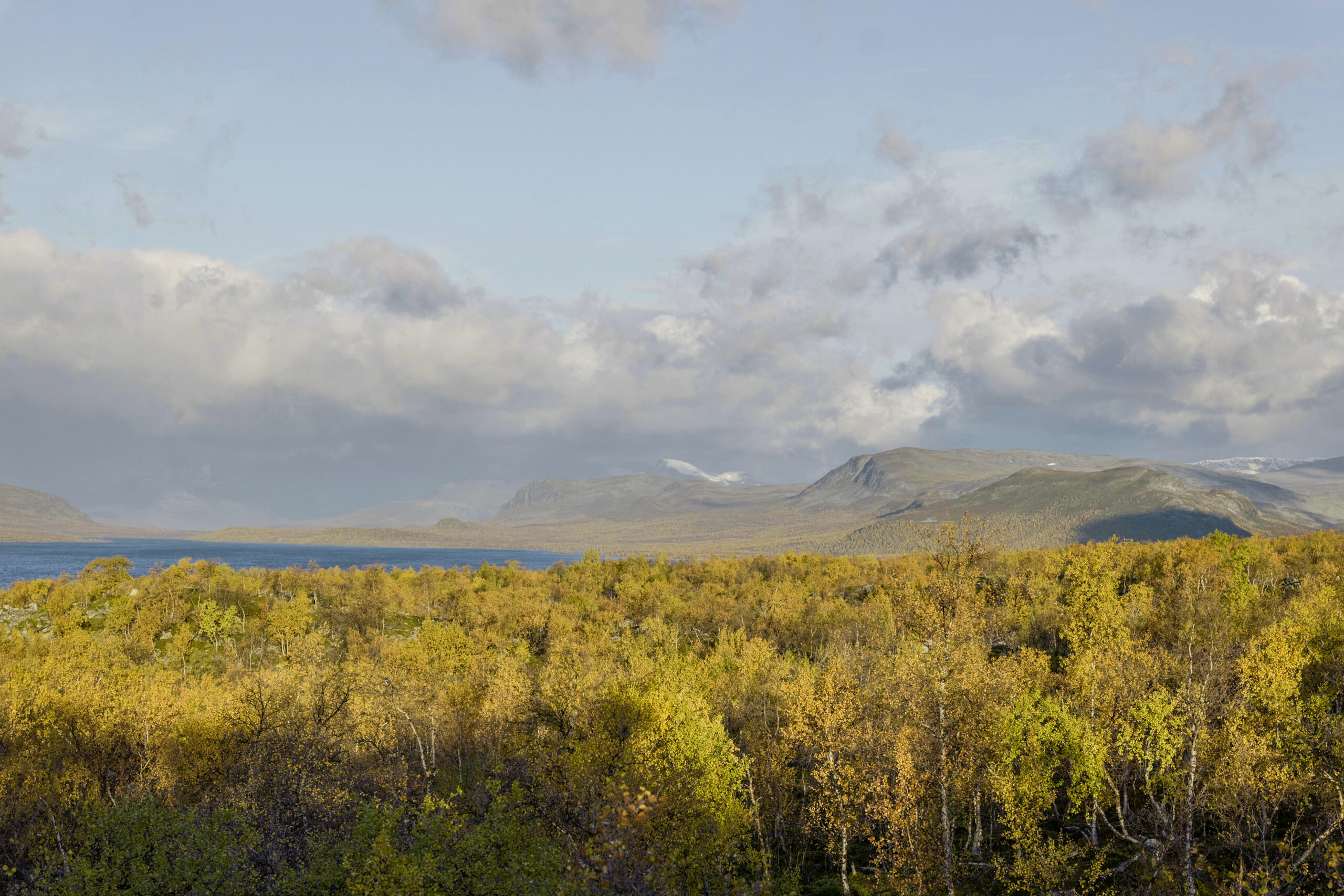
Saana mountain overlooking the birch-dotted tundra — one of Lapland’s most recognisable landmarks, now seeing gradual ecological shifts as temperatures rise.
Low clouds sweep across Lake Kilpisjärvi as the first hints of winter settle over the fells in the distance.
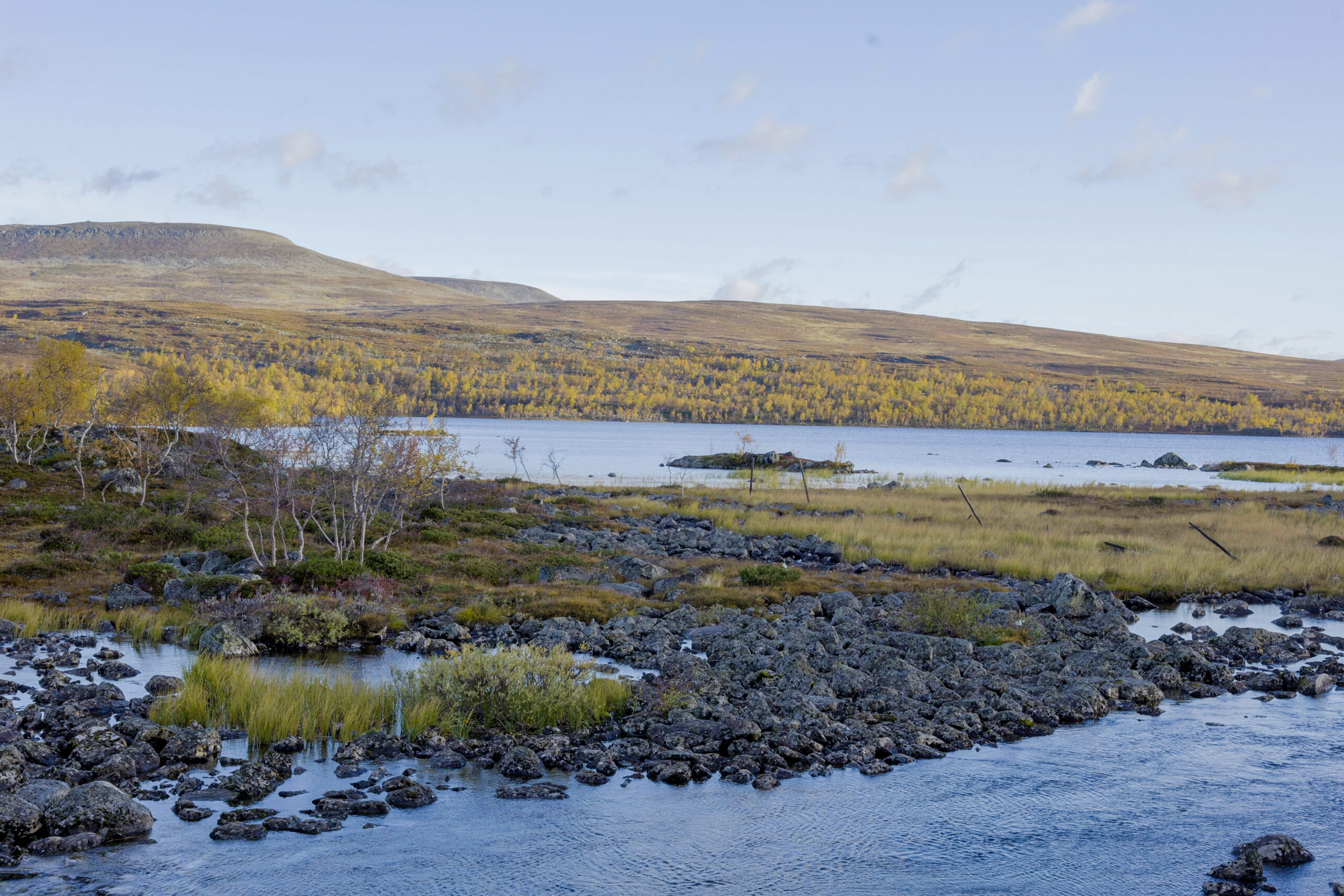
Kilpisjärvi, Finland – Early autumn light over Lake Kilpisjärvi.
Seasonal shifts are increasingly visible in water levels and shoreline vegetation. 
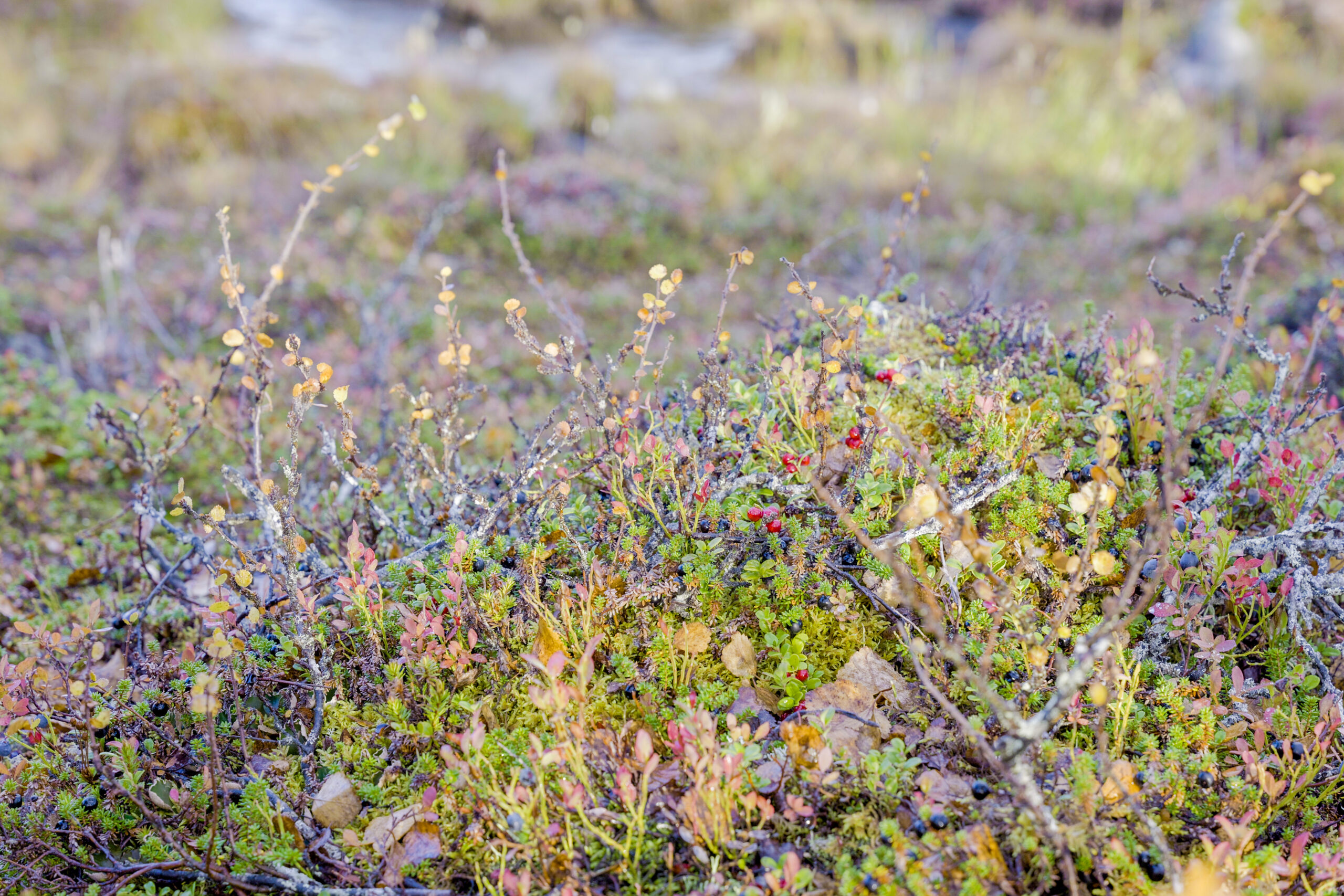
Tundra vegetation displays late-season berries and mosses — indicator species that reflect small but significant changes in moisture and soil conditions. 
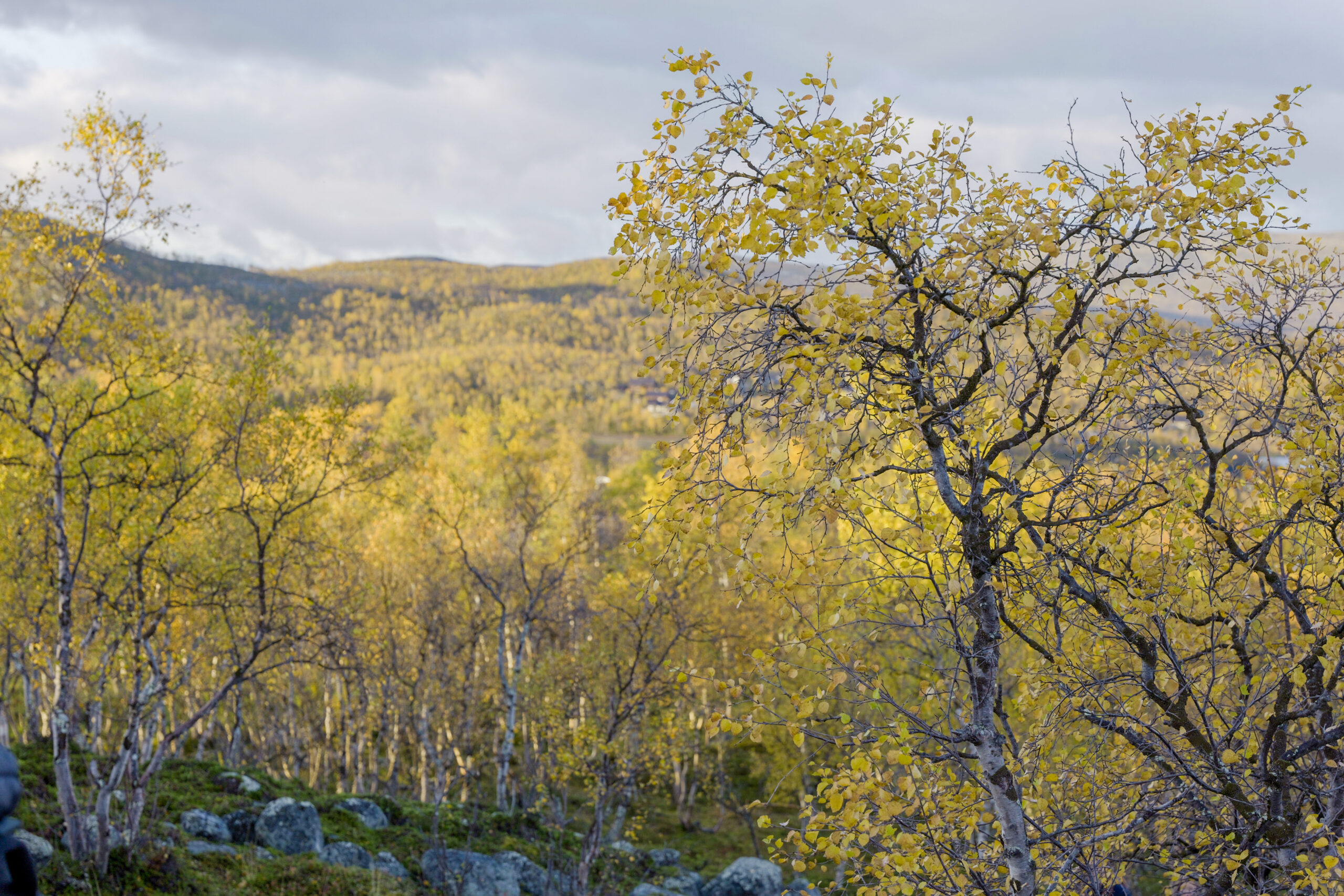
Autumn birch leaves catch the evening sun, marking the brief transition between the midnight sun of summer and the deep polar winter ahead. 
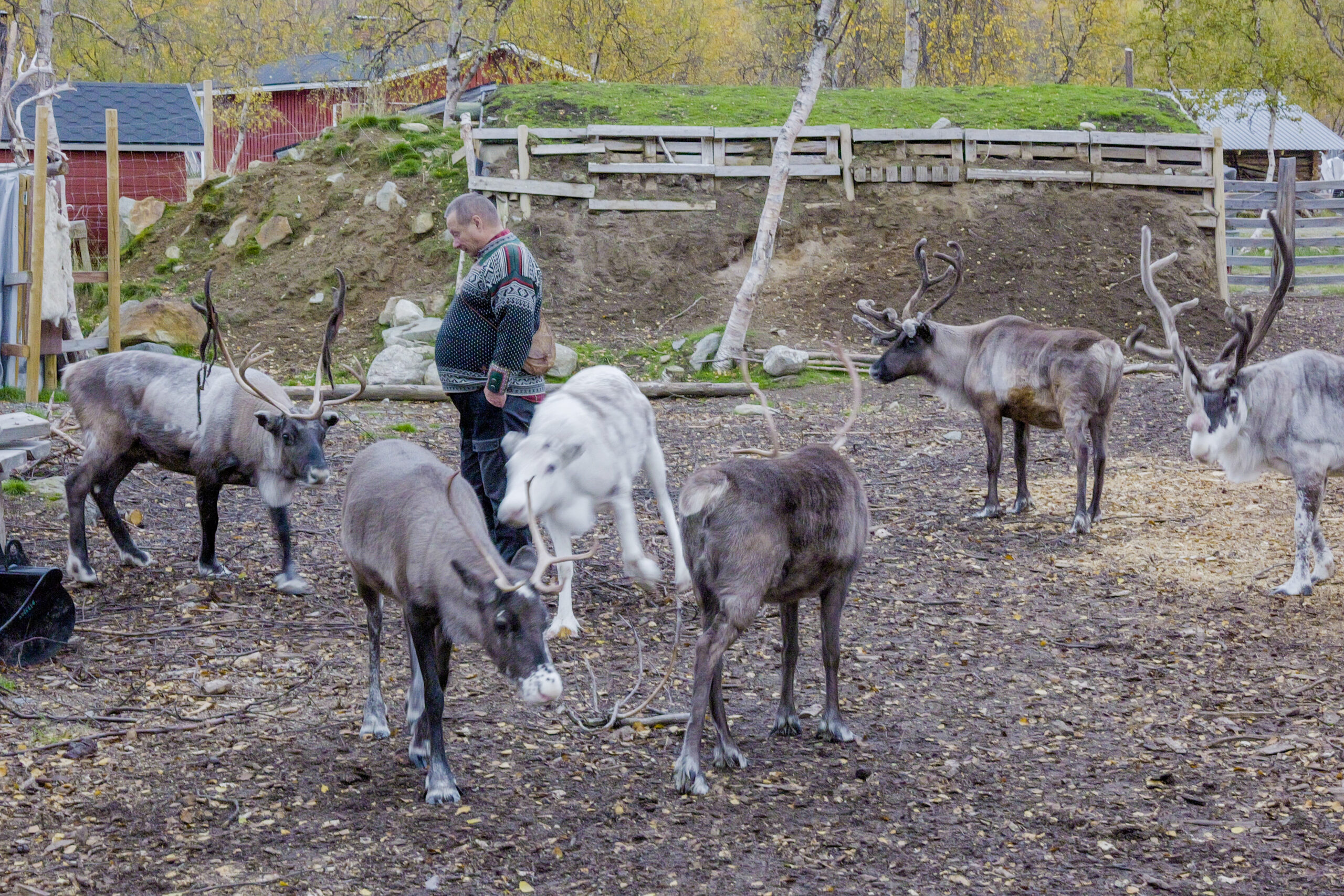
Reindeer gather quietly near the Tornensis family’s farm, where shifting winters are altering traditional grazing patterns. 
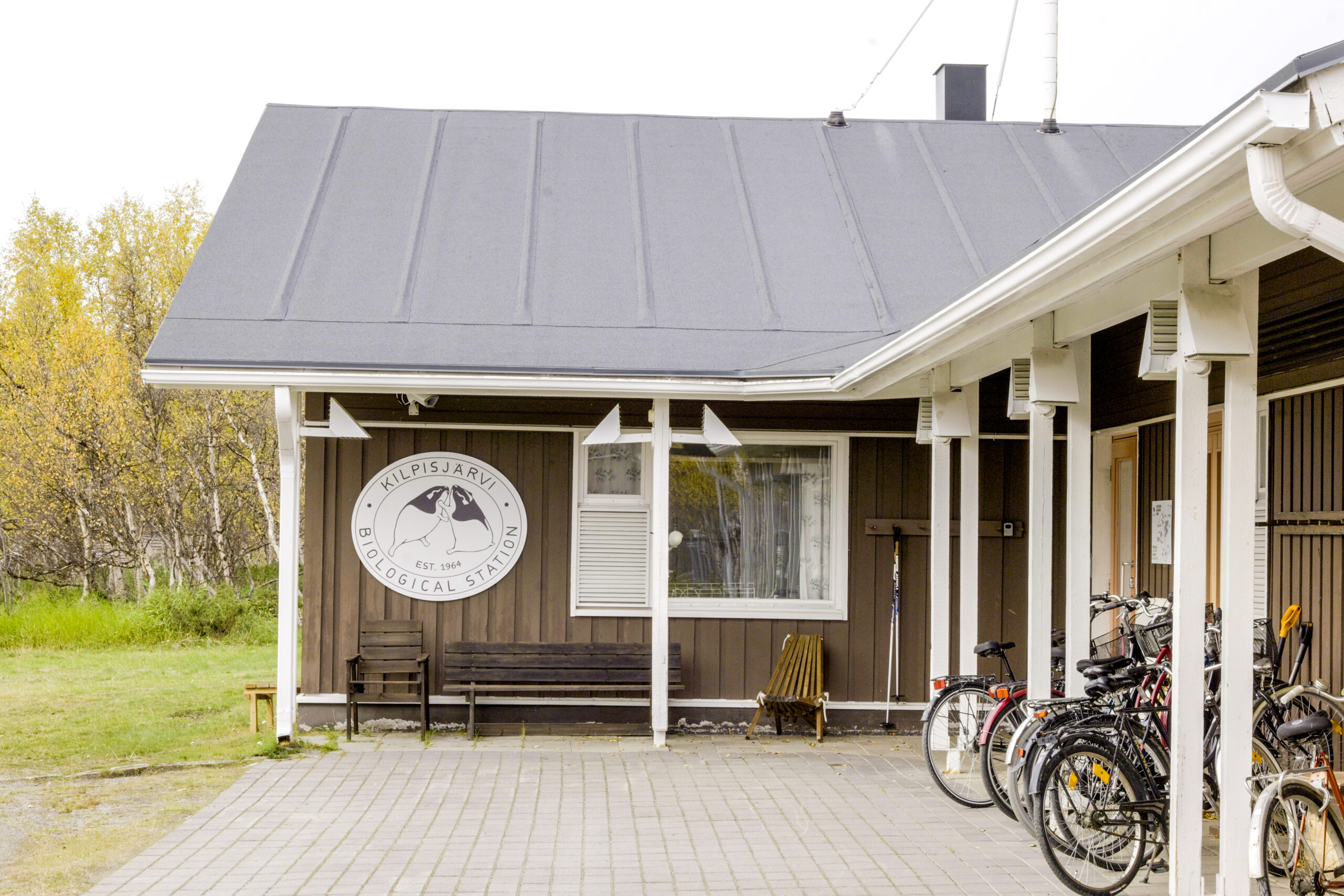
A view of the Kilpisjärvi Biological Station
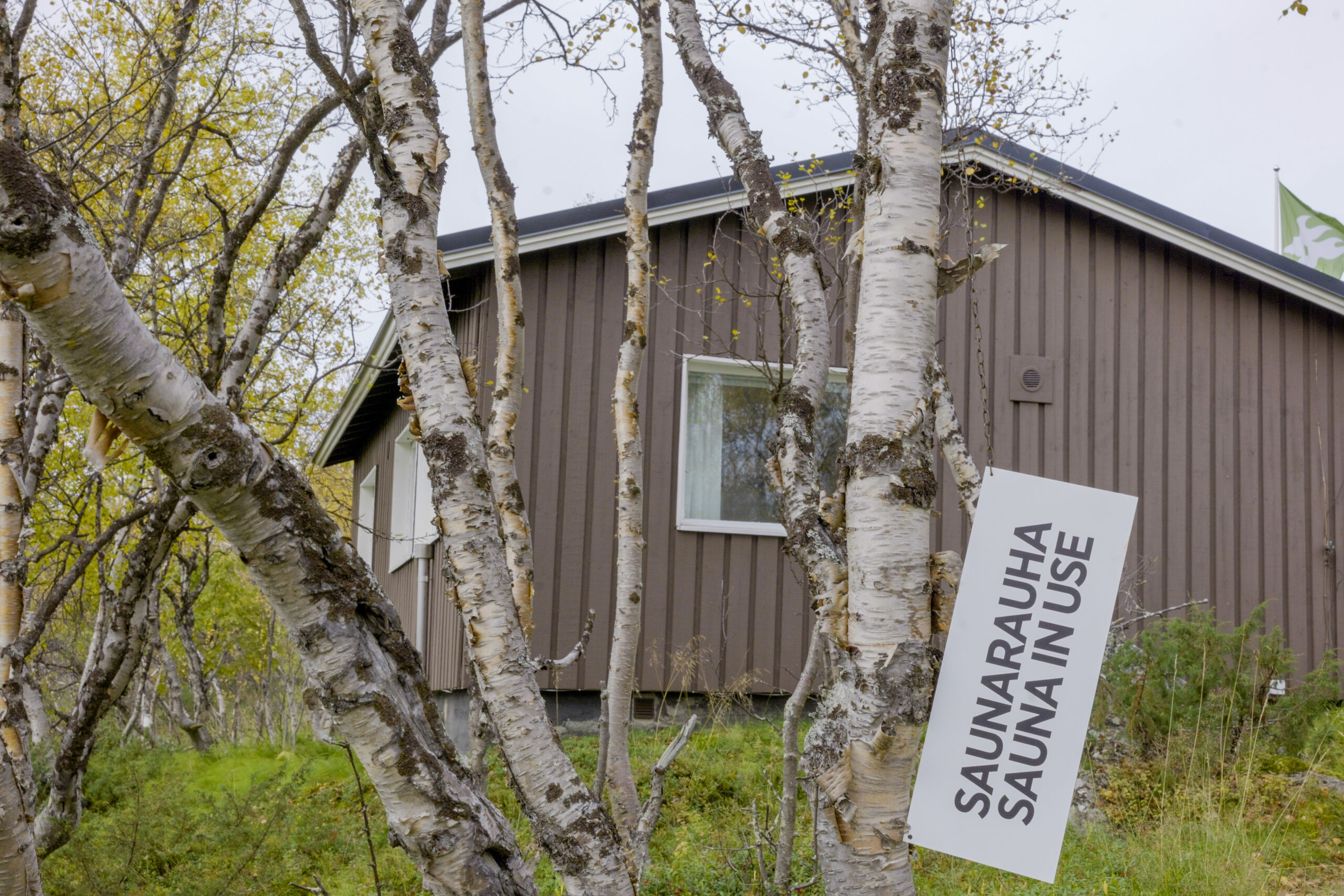
A wonky sauna sign points to a local tradition.
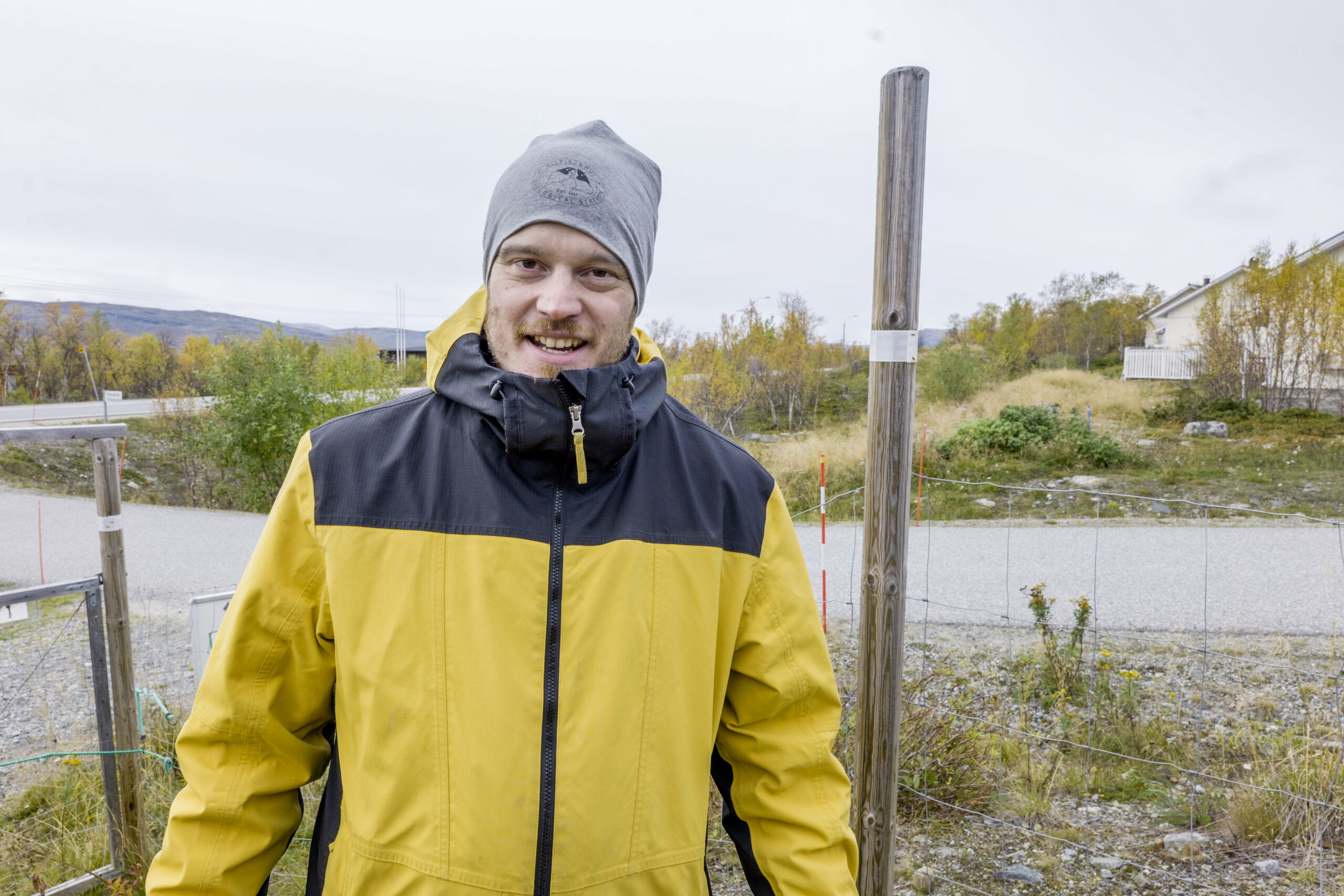
Hannu Autto from the Kilpisjärvi Biological Station observes vegetation changes near the fells — part of ongoing long-term climate monitoring. 
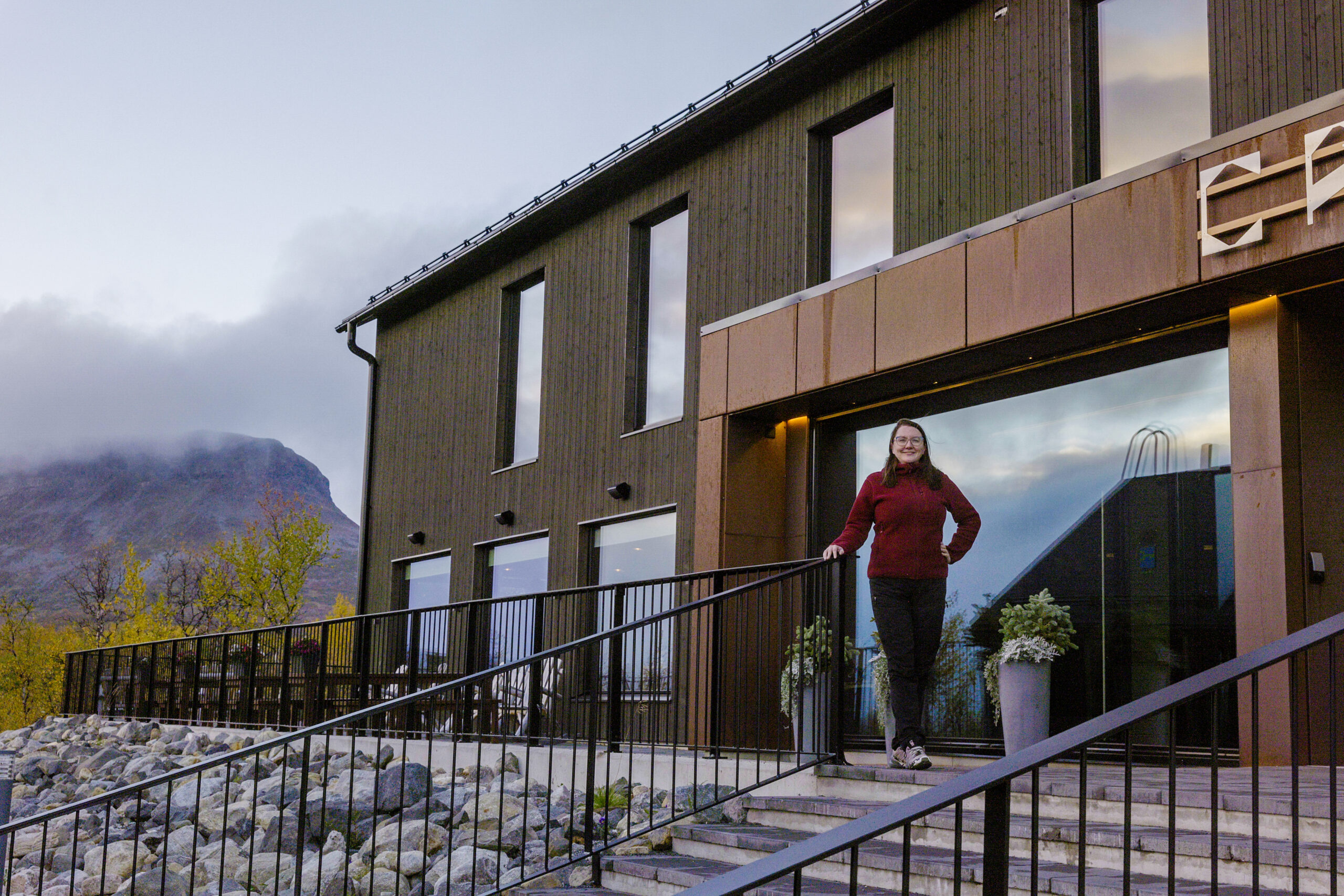
Margit Eskonen stands outside Cahkal Hotel, one of the region’s small tourism businesses navigating increasingly unpredictable winter seasons. 
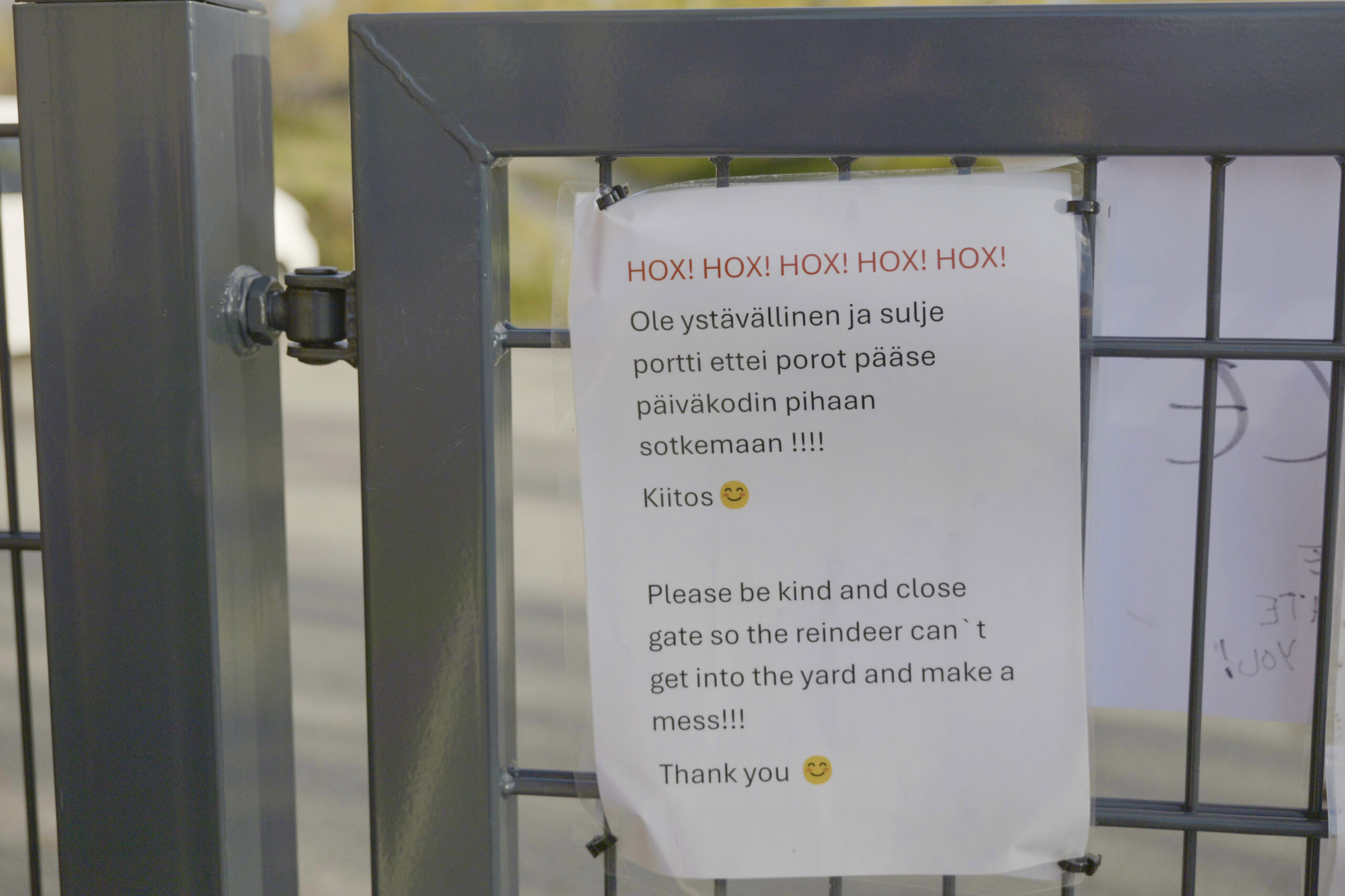
A sign on a local kindergarten gate reminds visitors to keep reindeer out — an everyday reminder of how closely wildlife and village life overlap. 
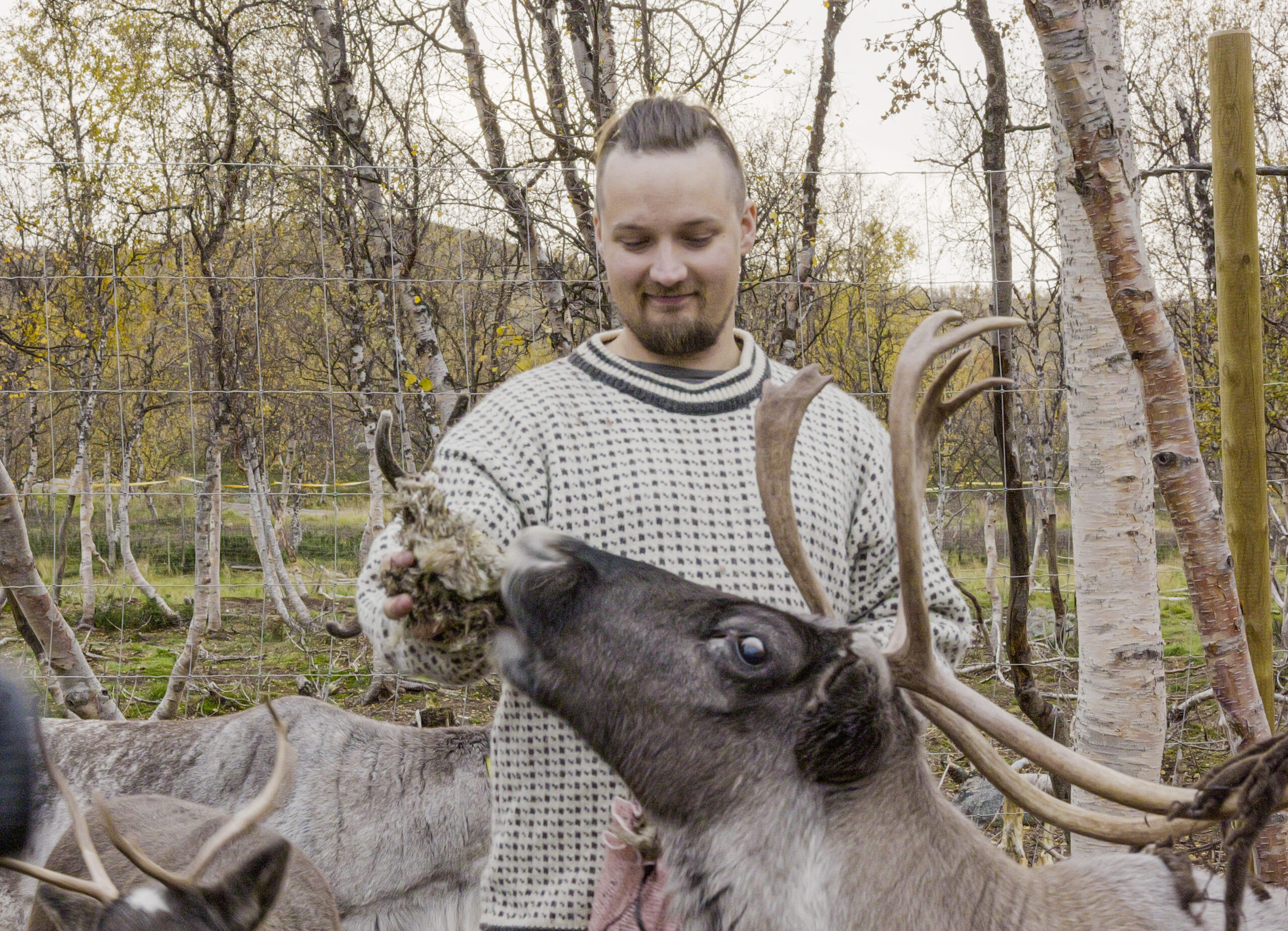
Juha Tornensis feeds reindeer at his family’s Sámi herding enclosure — a daily routine shaped increasingly by changing snow conditions. 
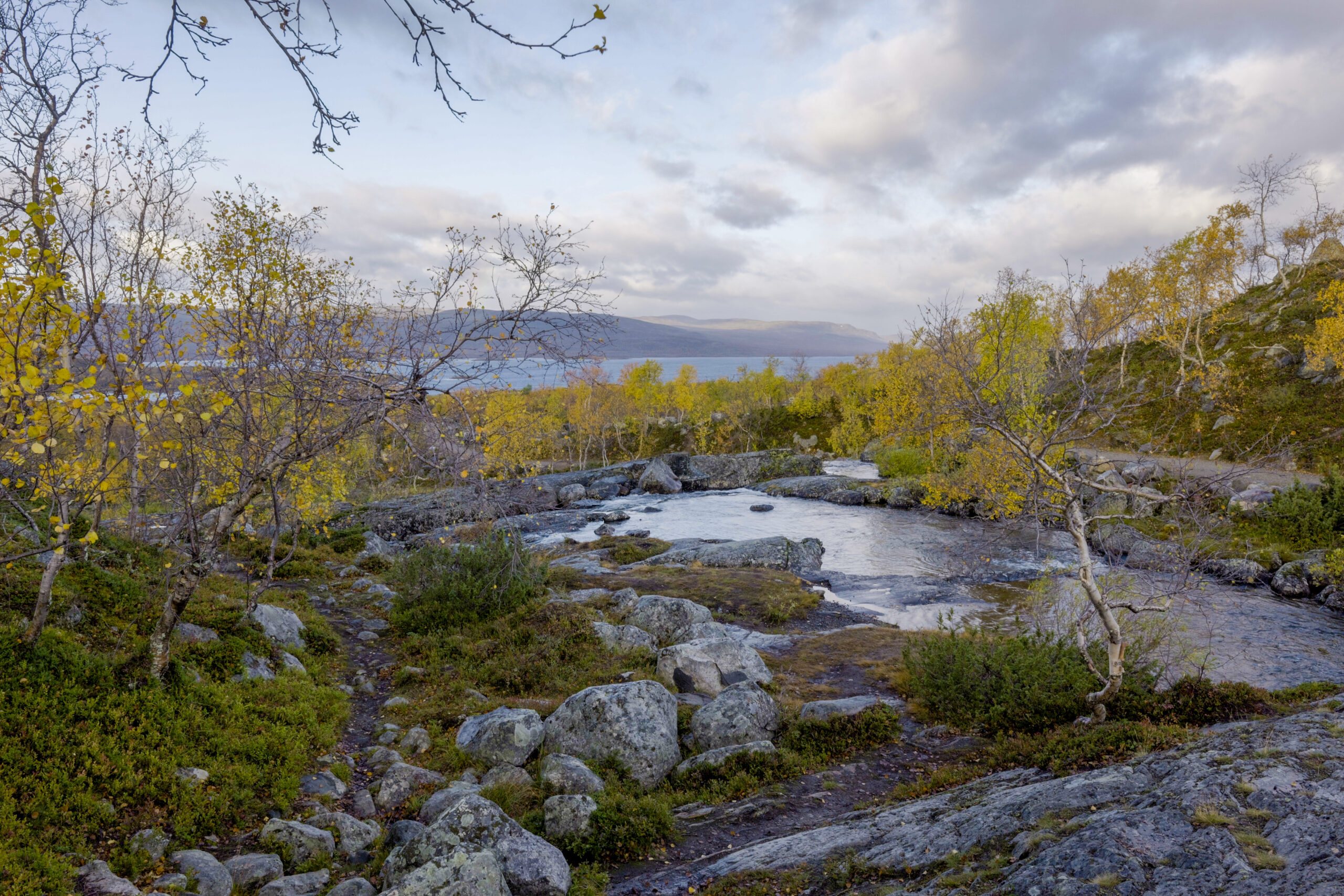
 A waterfall tumbles down the rocks.